Presidential Office Building: History Behind a Grand Façade
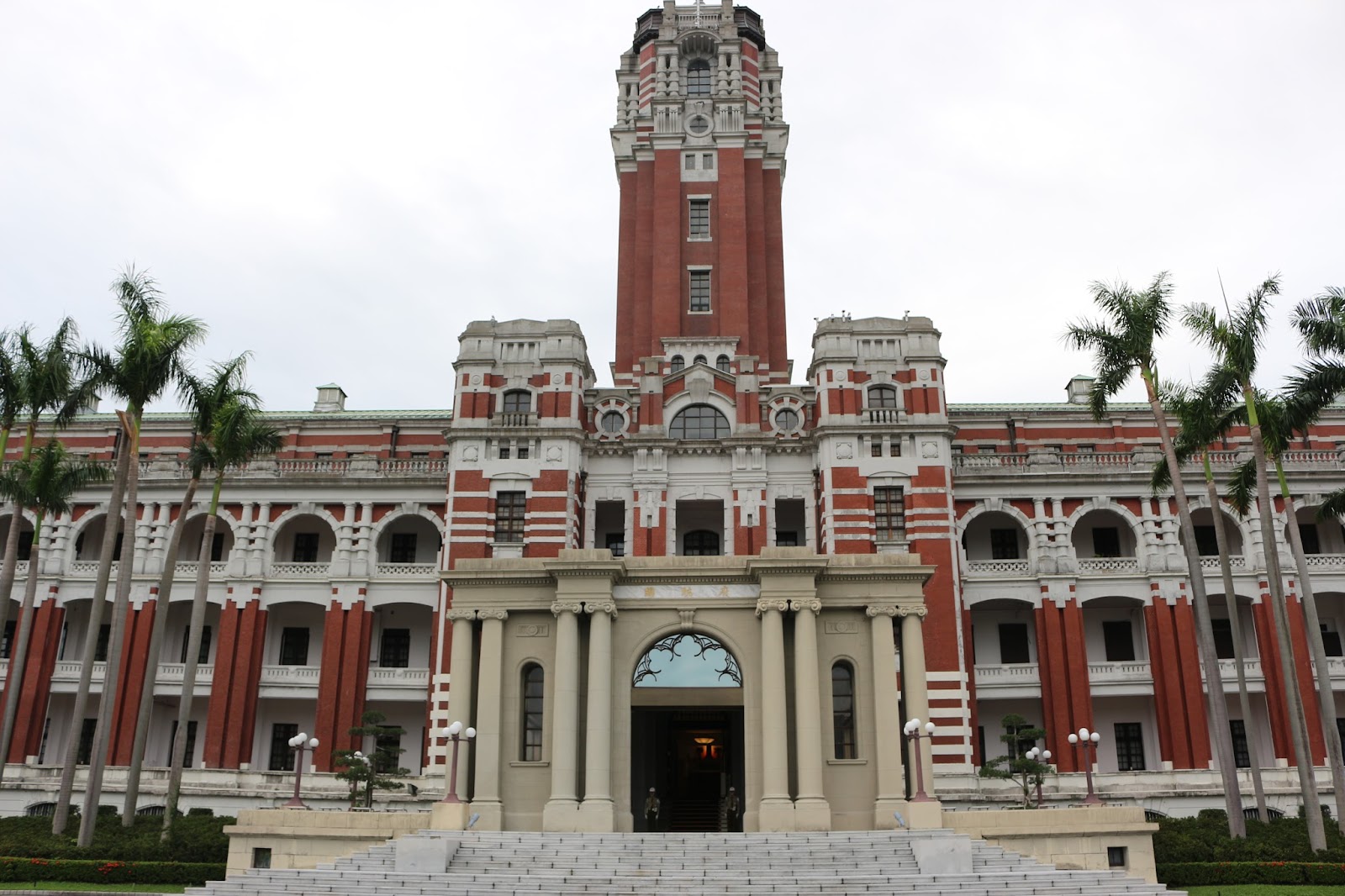
Taiwan’s working Presidential Office draws visitors for its red-brick architecture, historical significance and imposing central tower.
More photos
Photos published by travelers on Google, not AI generated.
What stands out
- Grand red-brick façade
- Prominent central tower
- Historical and political significance
- Strong exterior photo opportunities
Worth knowing
- Limited shade around the building
- Interior access has restricted hours
- Main frontage is not the visitor entrance
Don't miss
What comes up most in public reviews
- Photographing the front façade
- Looking up at the central tower
- Learning about the building’s history
Worth the trip?
Why it stands out
The Presidential Office Building is both a working seat of government and a major historical landmark. Public feedback focuses primarily on its imposing red-brick façade, prominent central tower and formal architectural detailing. One detailed review describes a blend of Western classical and Renaissance influences, while others simply call the building beautiful, scenic or educational.
Its 4.4 rating from 4275 reviews indicates strong overall approval. Much of that enthusiasm comes from the building’s symbolic importance and from the chance to see architecture associated with different periods of Taiwan’s history. Reviewers describe it as one of the country’s most important government landmarks. The building is also identified in public feedback as being in Taipei’s Zhongzheng District and dating from the Japanese colonial era.
What the visit is like
From outside, this is primarily a short architecture and photography stop. The symmetrical frontage and central tower give the building its visual impact, particularly when seen from across the broad road in front. Several reviews suggest that learning about its history adds considerably more substance to the experience than simply taking a photograph.
Expect the exterior portion of a visit to be brief. A recurring observation is that there is not much to do after viewing and photographing the façade, particularly because the building remains an operational government office. It therefore works best as one stop on a wider sightseeing route rather than the sole focus of a long excursion.
Some public reviews report that interior visits are available during limited morning periods, with additional afternoon access on certain weekends. One reviewer also notes that visitors do not enter through the main frontage and instead need to use an entrance on a side road. Access arrangements can change at a functioning government site, so current opening information should be checked before travelling.
Timing and practical considerations
Reviewers recommend arriving before sunrise for cooler conditions and quieter exterior photographs, or at around 3pm when the strongest midday heat may have eased. The area immediately around the building is described as having little shade, making a hat and sun protection sensible during warmer weather.
Those hoping to go inside should arrive well before the end of the published visiting window. Feedback mentions staged entrance closures toward the end of morning access, even when people have already joined the queue. Security procedures and restricted entry are to be expected at an active presidential office.
Overall verdict
The Presidential Office Building earns its place on a Taipei sightseeing itinerary through architectural presence and political significance rather than a long list of visitor activities. It is most rewarding for travellers interested in history, civic architecture and urban photography.
The exterior alone can be appreciated quickly, while an interior opening may turn the stop into a more educational visit. Travellers with limited interest in government history may find the experience short, but the façade remains an impressive and accessible visual landmark when combined with other nearby sights.
Plan the rest of the trip
Ask anything
Looking for somewhere else?
Keep exploring around Jianguo Village
More from Taiwan
Taiwan · Xinying Village
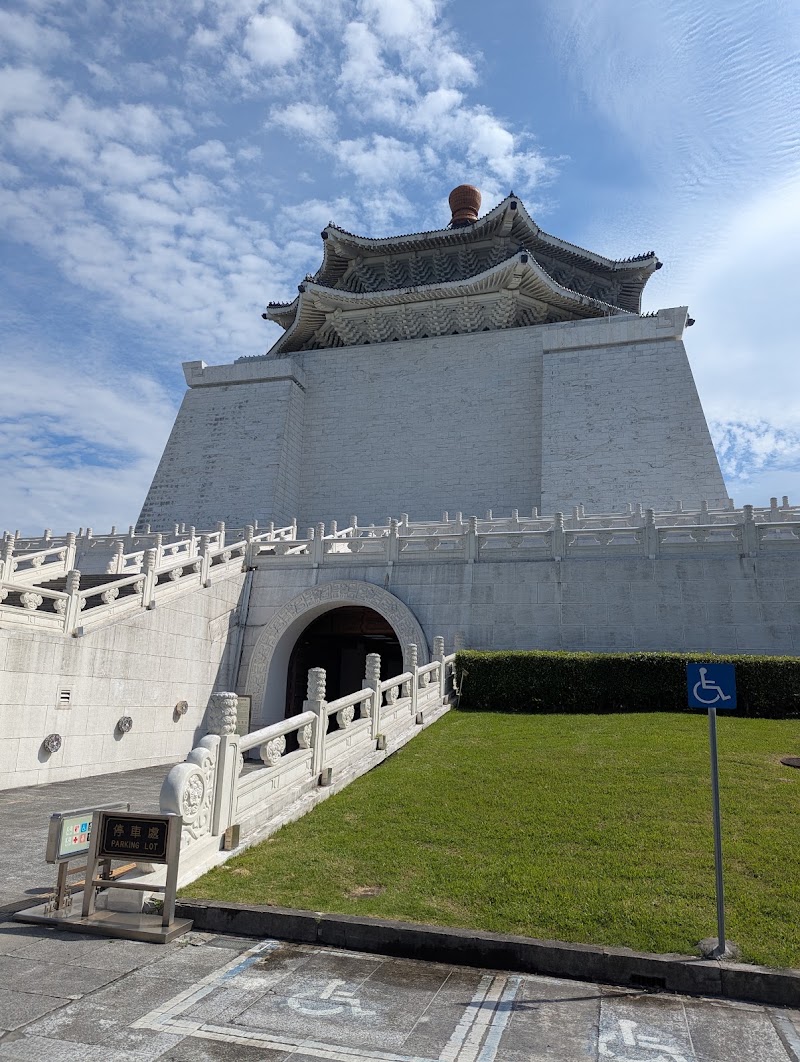
Daxiao Gate: A Grand Entrance to a Peaceful Park
Highly rated for its architecture and setting, Daxiao Gate leads into expansive grounds associated with Chiang Kai-shek Memorial Hall.
Taiwan · Wenqing Village
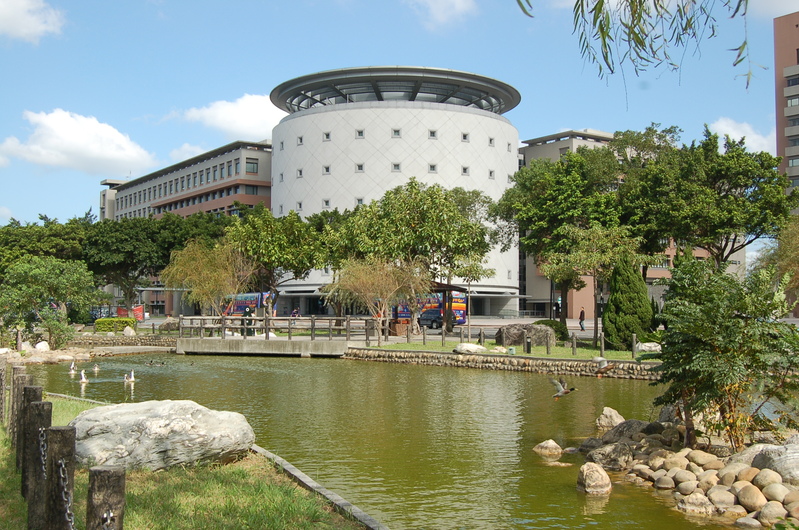
Formosa Plastics Group Museum: Industry and Ideas
A multi-floor museum in Wenqing Village tracing Formosa Plastics Group, Taiwan’s industrial development and changing approaches to sustainability.

Taiwan · Nanwang Village
Peinan Site: Prehistory and Open Space Near Taitung
An expansive archaeological park near Taitung Station, Peinan Site combines prehistoric interpretation, family space and an adjoining museum visit.
Taiwan
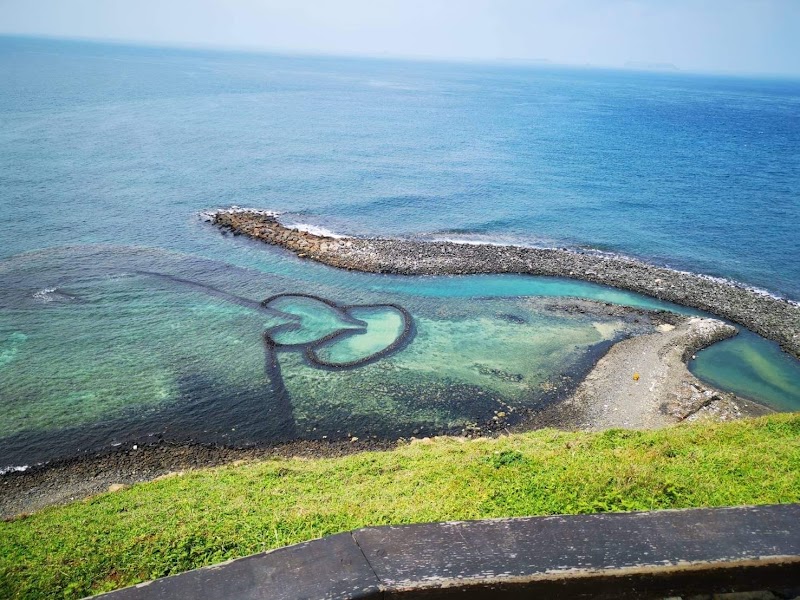
Twin Hearts Stone Weir: Qimei’s Coastal Landmark
This double-heart fish trap on Taiwan’s Qimei Island combines traditional coastal engineering with a memorable viewpoint over the sea.