Potala Palace: History, Sacred Art and Lhasa Views
Public reviews praise this commanding Lhasa landmark for its architecture, Buddhist relics, spiritual importance and far-reaching mountain views.
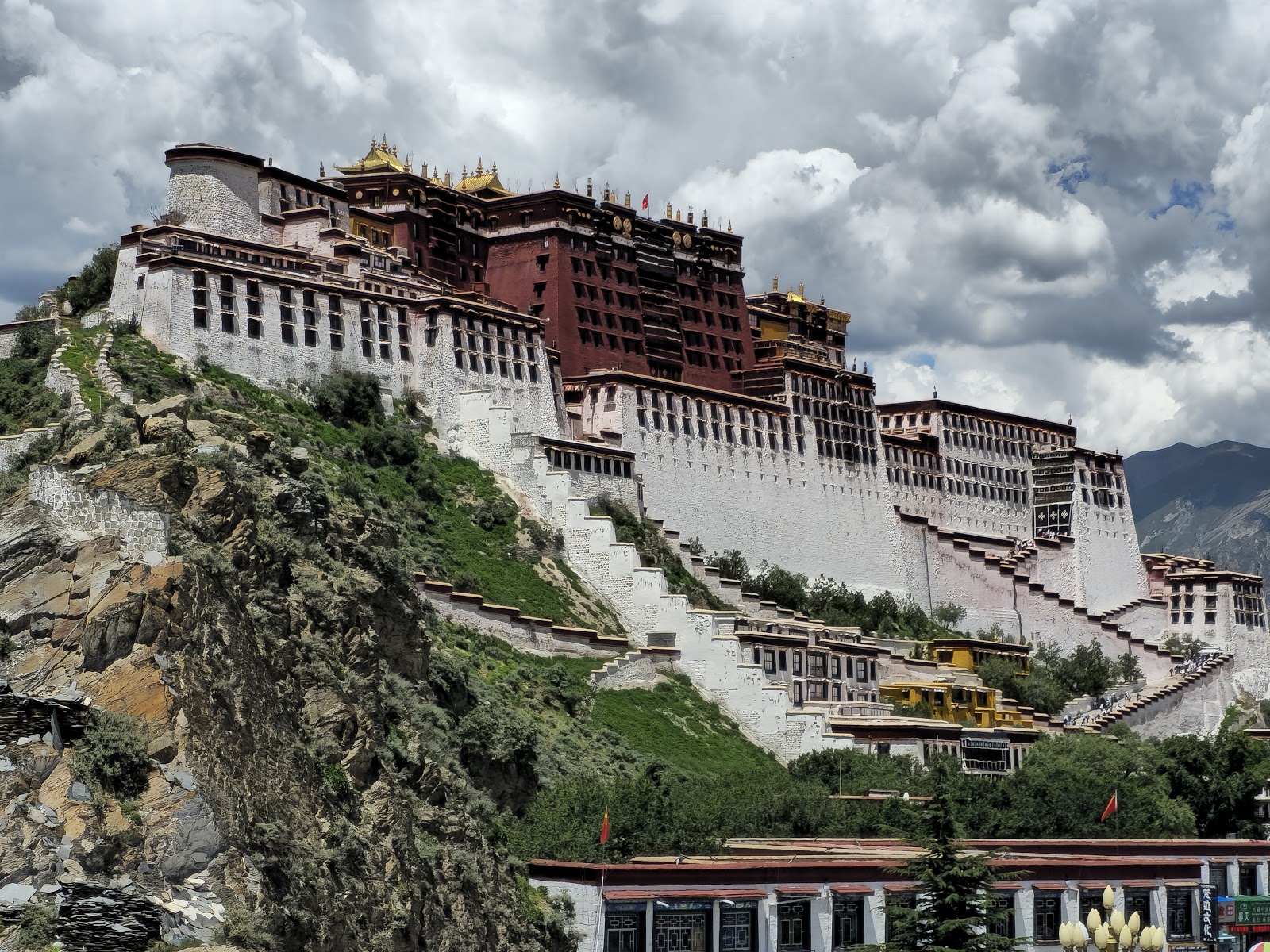
More photos
Photos published by travelers on Google, not AI generated.
What stands out
- Majestic, intricate architecture
- Buddhist relics, murals and sacred spaces
- Mountain and city views from above Lhasa
- Illuminated palace seen from the square
Worth knowing
- Strenuous stairs at high altitude
- Photography restrictions in some areas
- Sacred spaces require respectful behaviour
Don't miss
What comes up most in public reviews
- Cultural relics and Buddhist art inside
- Views of Lhasa and the surrounding mountains
- The illuminated palace from the front square
- Historical context from a knowledgeable guide
Worth the trip?
Why it stands out
Potala Palace holds a Google rating of 4.8 from 1935 reviews, and the available traveller feedback consistently presents it as an essential part of a Tibet itinerary. Reviewers are struck first by its scale and elevated position above Lhasa, then by the density of history, sacred art and cultural material inside.
The architecture receives particularly strong praise. Visitors describe the palace as majestic, intricate and markedly different from other historic buildings they have seen. Its importance goes beyond visual impact: reviews repeatedly connect the complex with Tibetan history, Buddhist traditions and a palpable sense of spirituality. For travellers seeking context rather than a quick photo stop, this is the core of its appeal.
Inside the palace
Public reviews point to halls containing cultural relics, murals, sculptures, Buddhist deities and representations of historical figures. The sheer quantity of material can be difficult to interpret independently, which is why one reviewer strongly recommends arranging a knowledgeable guide. Clear historical and religious explanation appears likely to make the interiors more meaningful, especially for visitors unfamiliar with Tibetan Buddhism.
This remains an active place of worship as well as a major attraction. Review feedback stresses the need to behave respectfully in sacred areas and to follow signs restricting photography. Some interior spaces do not permit pictures, and visitors should treat those rules as part of the experience rather than an inconvenience.
The climb and the views
The physical approach is the most frequently noted challenge. The palace involves a substantial stair climb at Lhasa’s high altitude, and reviewers describe the ascent as requiring real effort. One visitor deliberately waited until the third day in the city, after acclimatising, before attempting it. That is a sensible pattern for travellers who are newly arrived or uncertain about how they will respond to the elevation.
Those who manage the climb highlight the reward: broad views across Lhasa and towards the surrounding mountainous landscape. Allowing enough time, moving steadily and avoiding an overly ambitious first-day schedule should make the visit more comfortable.
After dark
The palace also makes a strong impression from the square in front, particularly at night. One review describes a lively gathering place and a spectacular illuminated view, with a light and sound presentation reported to run into the evening. Schedules may change, so current local information is worth checking rather than relying on a fixed finishing time.
Taken together, public feedback portrays Potala Palace as both visually dramatic and culturally demanding. It suits travellers prepared for stairs, altitude and rules around sacred spaces. With time to acclimatise and some historical guidance, it offers far more than its famous exterior.
Plan the rest of the trip
Ask anything
Looking for somewhere else?
Keep exploring around La Sa Shi
More from China
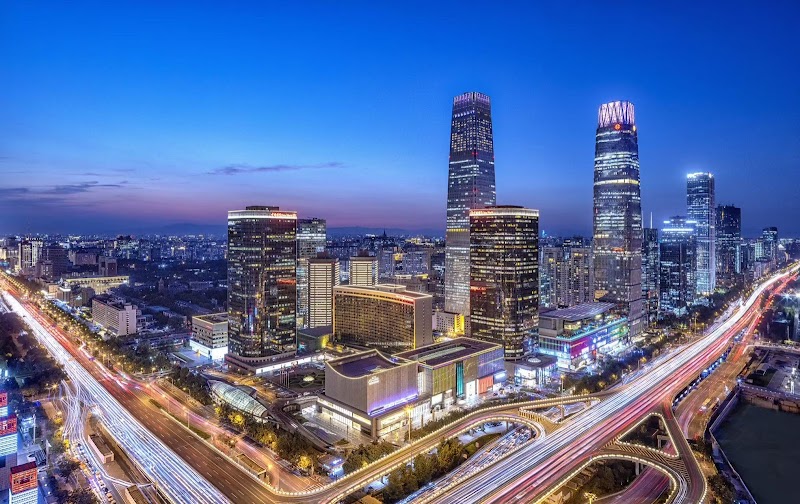
China · Chao Yang Qu
China World Hotel: Convenient, Polished and Uneven
Public reviews praise the hotel’s location, roomy rooms and breakfast, while some guests report slow service and problems with extra beds.
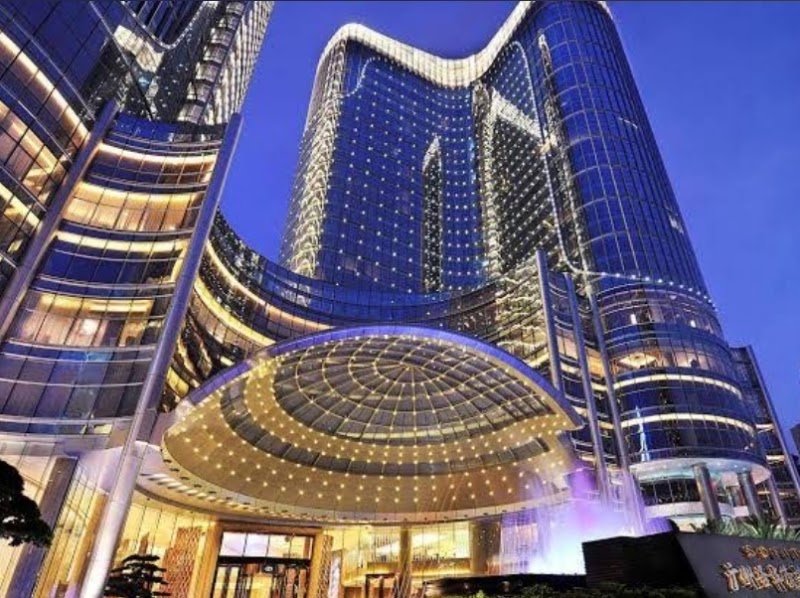
China · Guang Zhou Shi
Hotel Sofitel Guangzhou Sunrich: polished comfort in Guangzhou
Public reviews praise the hotel’s service, design, cleanliness and breakfast, while a few guests flag room-maintenance and check-in concerns.
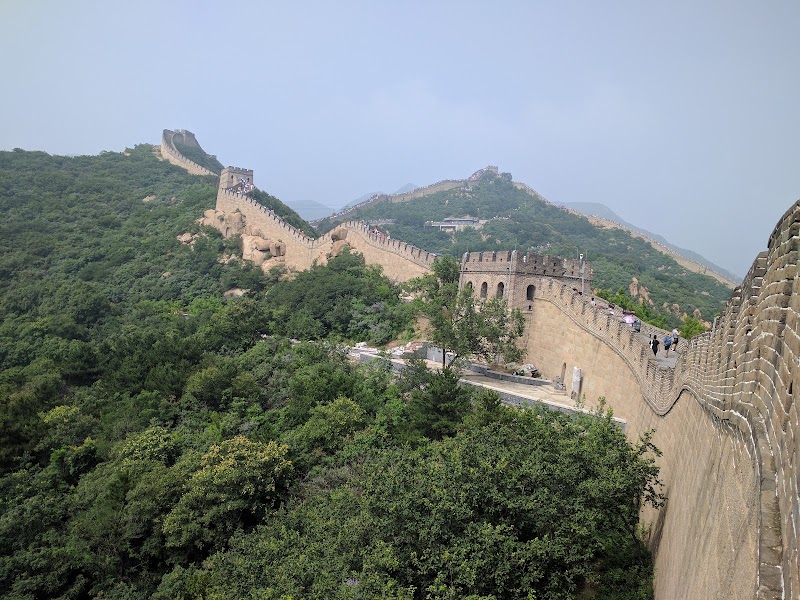
China · Yanqing District
Paotai: A Crowded View into China’s Walled Past
Public reviews describe Paotai as a powerful scenic stop, with striking historical atmosphere, memorable views and heavy visitor crowds.
China · Baotou
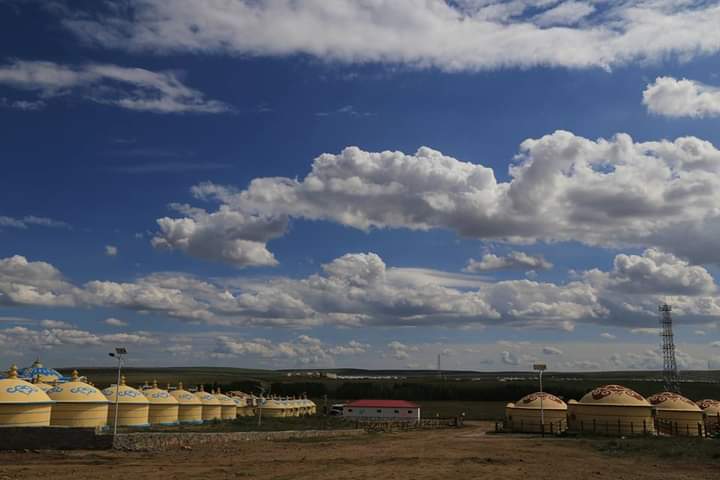
Xilamuren Grassland Tourism Center: Wide Skies, Yurts and Horses
Public reviews point to a spacious grassland stop near Baotou with horse riding, modern yurts, shows and memorable sunrise views.