Postojna Cave: Train Rides and Vast Limestone Halls
A subterranean train ride leads into immense chambers, followed by a walking route through richly varied limestone formations.
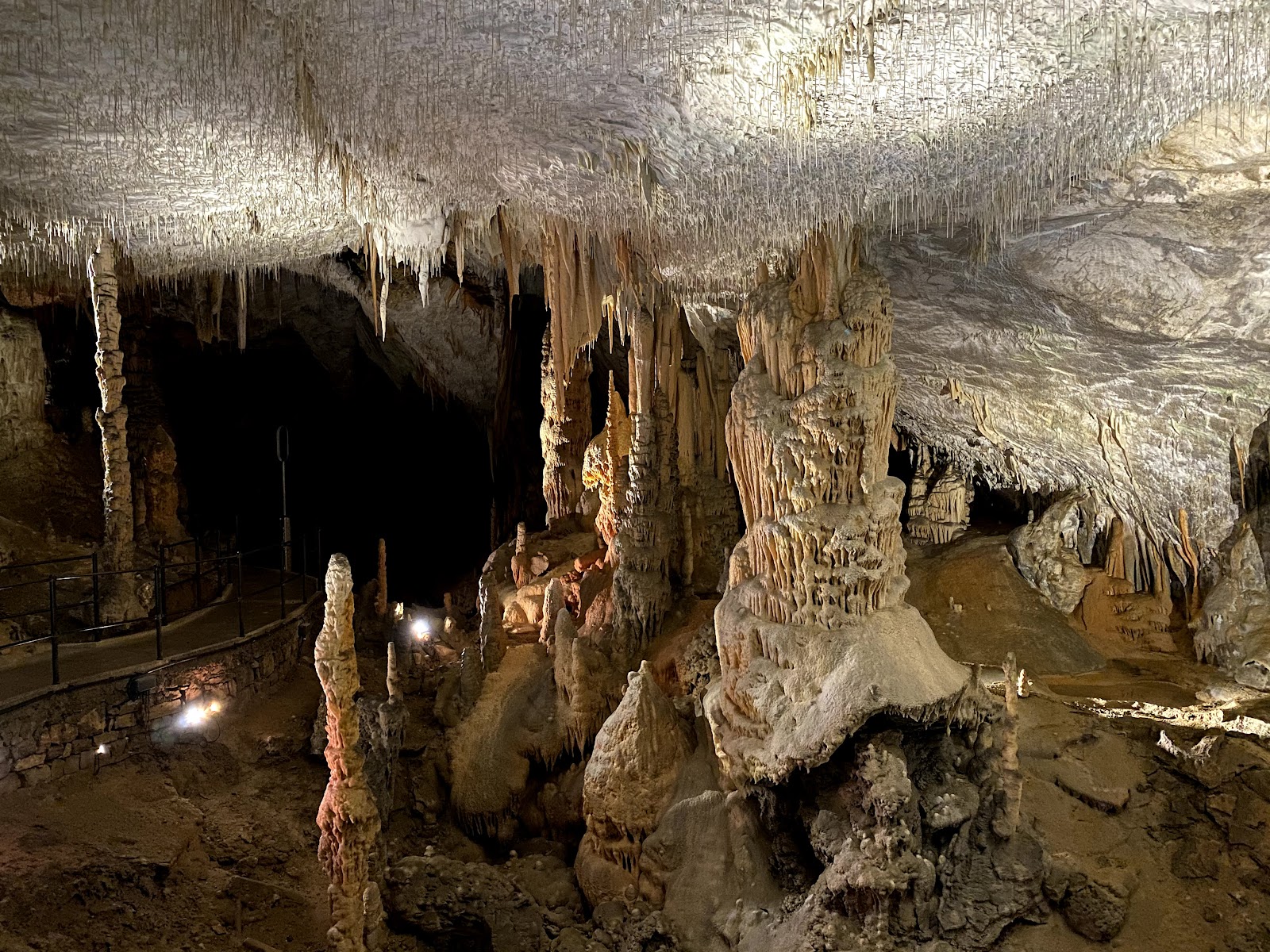
More photos
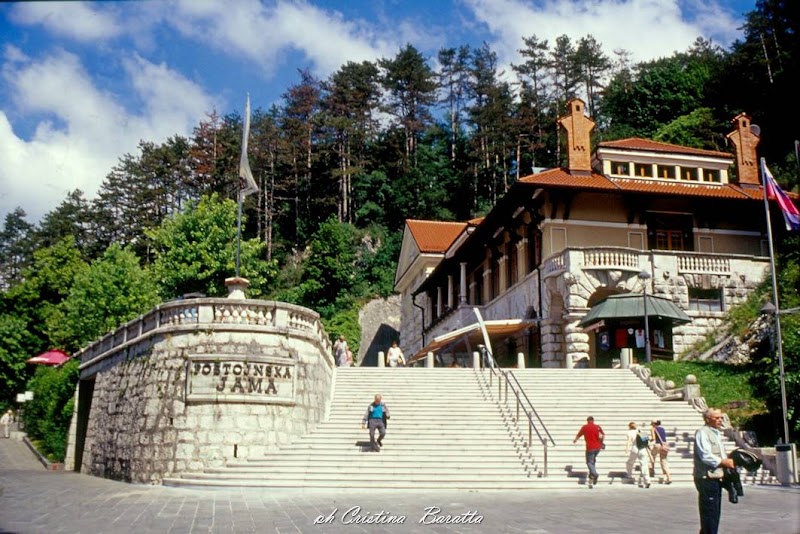
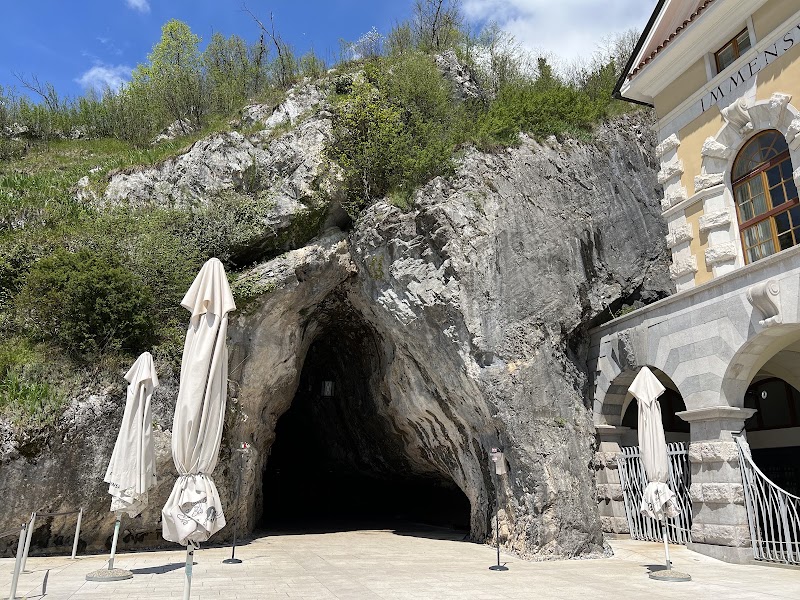
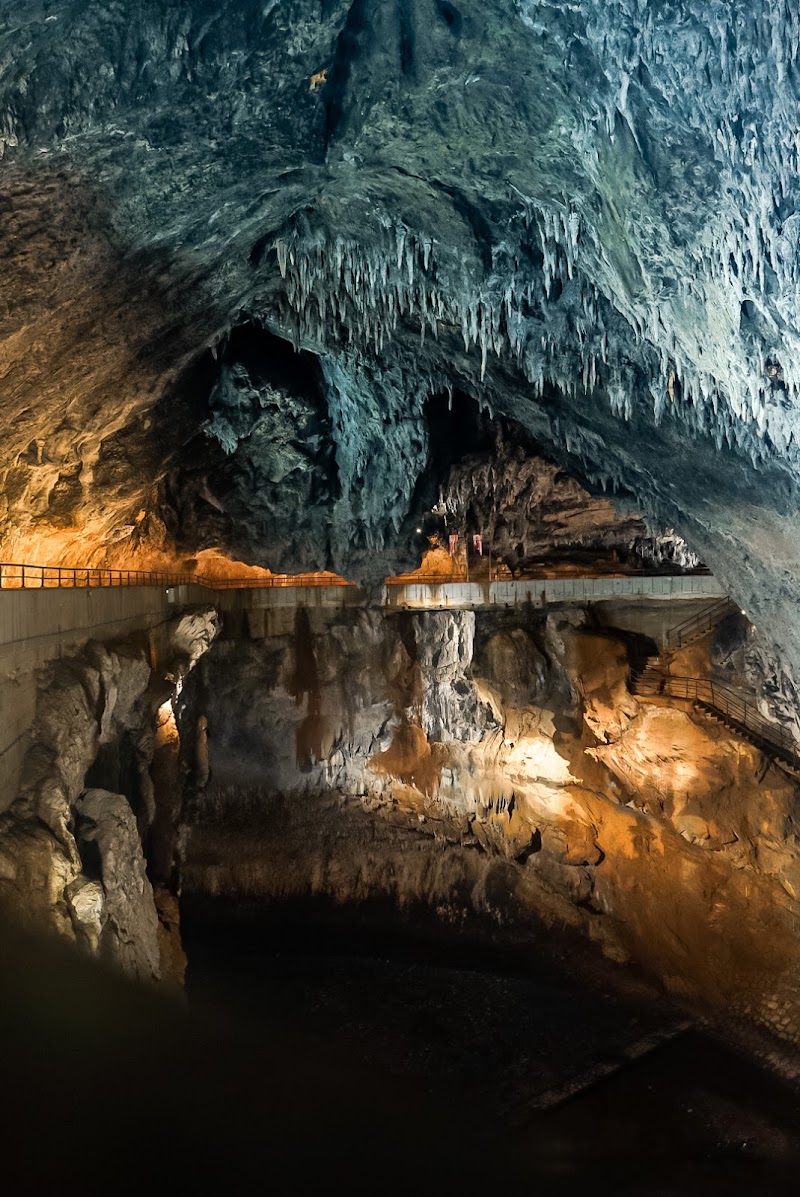
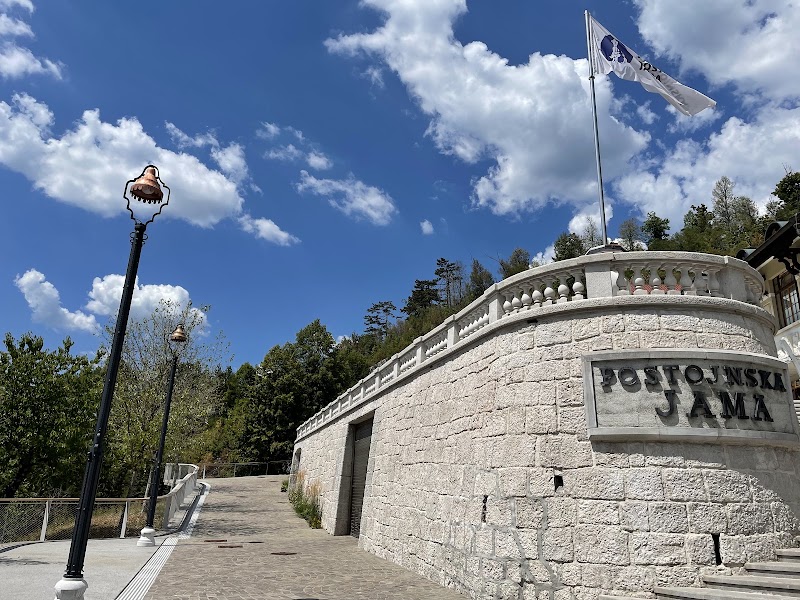
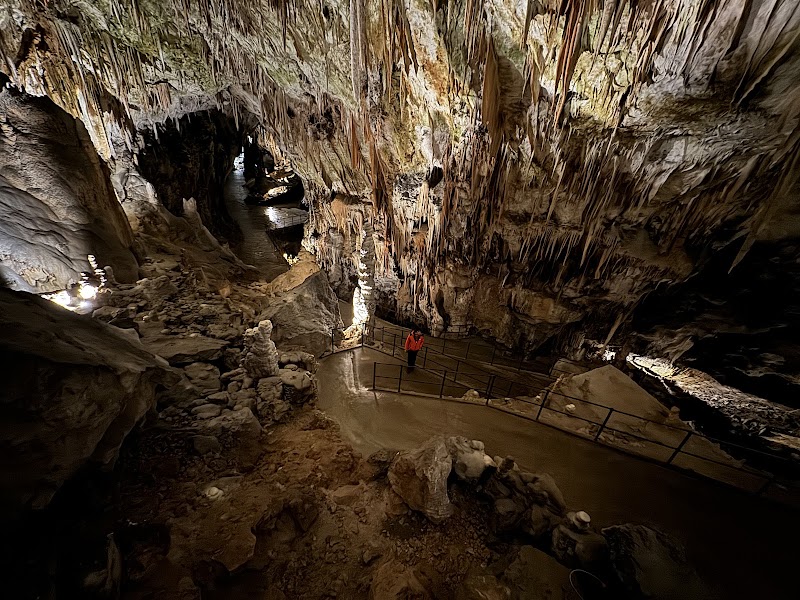

Photos published by travelers on Google, not AI generated.
What stands out
- Underground electric train ride
- Huge limestone halls
- Stalactites, stalagmites and columns
- Well-organized timed entry
- Vivarium and Expo combination options
Worth knowing
- Walking section lasts around 45 minutes
- Some displays are difficult to see in low light
Don't miss
What comes up most in public reviews
- The underground train ride
- Spaghetti-like stalactites
- Towering columns and pillars
- The largest cave halls
Worth the trip?
Why it stands out
Postojna Cave holds a 4.8 Google rating from 61357 reviews, and the public feedback supplied here is unusually consistent. Visitors repeatedly describe a large-scale, well-managed attraction whose appeal comes from both the cave itself and the way the journey unfolds.
The electric train is the defining feature. It carries visitors from the entrance into the cave system, turning the approach into part of the experience rather than merely a means of reaching the walking route. Reviews describe a ride of about seven minutes or roughly two kilometres. That transition helps convey the cave’s scale before the main exploration has even begun.
What the visit involves
After the train, the experience continues on foot through a succession of chambers. Reviewers report a walking loop of around 1.5 kilometres, taking approximately 45 minutes. The route passes stalactites, stalagmites, columns and pillars, with formations varying in shape and colour. Thin, spaghetti-like stalactites receive a specific mention, while the huge halls and towering formations appear repeatedly among the strongest impressions.
This is not presented in the reviews as a rugged caving expedition. Instead, it is a structured attraction with scheduled entry times and an established route. One visitor praised the precise timing, straightforward ticket purchase and easy navigation around the site. Another felt the entire operation was safe and well organized. Those comments suggest that the cave works particularly well for travellers who want dramatic underground scenery without arranging specialist equipment or an independent cave visit.
Planning the experience
The train reduces the distance visitors need to cover on foot, but it does not remove the walking portion. Anyone with limited mobility or concerns about a sustained underground walk should check current access arrangements directly before booking. The reviews also indicate that some areas are dim, particularly around the point where visitors may see the animals popularly called “baby dragons.” Expectations for photographs or close viewing should therefore remain realistic.
Combined admission options are mentioned positively. One reviewer paired the cave with the Vivarium, Expo and butterfly experience, describing the package as a good decision. These additions can turn the core cave tour into a longer visit, while travellers focused mainly on the underground scenery can centre their plans on the train and walking circuit. Public feedback also mentions parking areas near the attraction.
Editorial verdict
Based on the supplied rating and review patterns, Postojna Cave delivers a polished introduction to Slovenia’s limestone landscapes. Its strongest quality is variety: a memorable underground train, immense chambers, delicate formations and a substantial walking route all form part of one clearly sequenced experience.
The commercial organization does not appear to overshadow the natural spectacle. Instead, reviewers tend to see the logistics as a strength, especially the punctual entry process and easy wayfinding. Postojna Cave is best suited to first-time cave visitors, families comfortable with the walk and travellers seeking a major nature attraction that can be combined with other on-site exhibits.
Ask anything
Looking for somewhere else?
Keep exploring around Postojna
More from Slovenia
Slovenia · Ljubljana
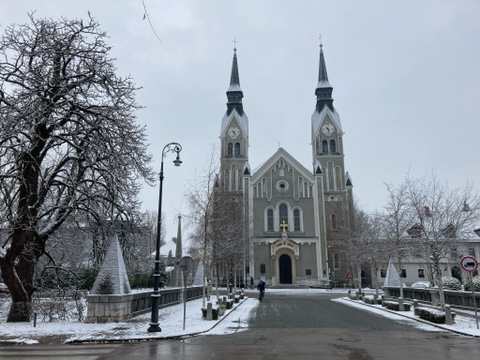
Plečnik’s Trnovo Bridge: Architecture on the Gradaščica
This tree-planted crossing extends Trnovo Church’s square across the river, combining everyday infrastructure with Plečnik’s distinctive civic design.
Slovenia · Miren
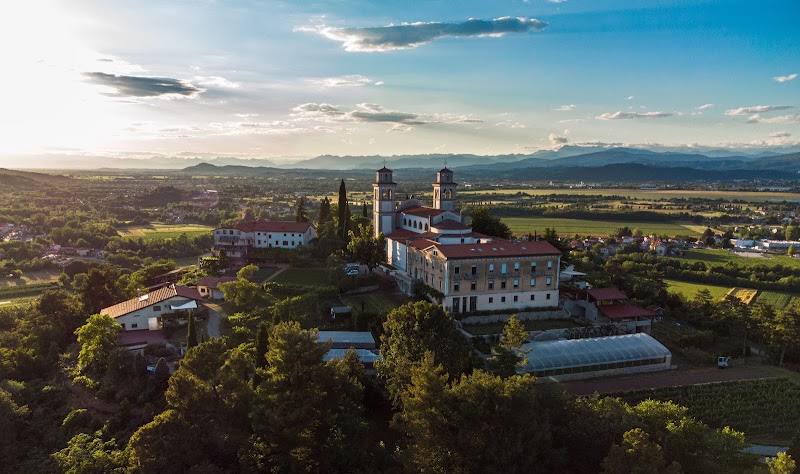
Miren Castle: A Peaceful Church and Valley Viewpoint
Public reviews frame Miren Castle as a tranquil church site valued more for its natural setting and broad views than for castle architecture.
Slovenia · Velike Lašče
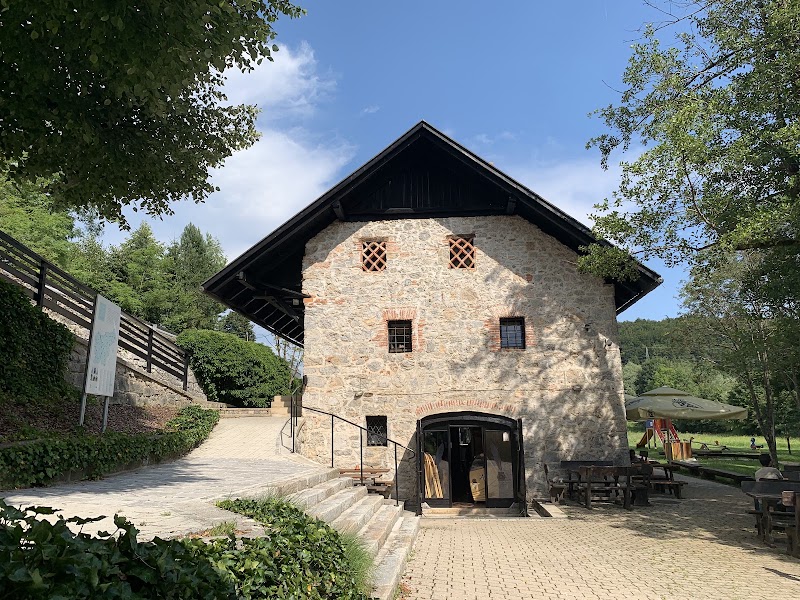
Trubar: Slovenian history beside a working mill
This small museum and riverside homestead combines the story of Primož Trubar with shaded grounds, a cafe-bar and an educational trail.
Slovenia · Šmarješke Toplice
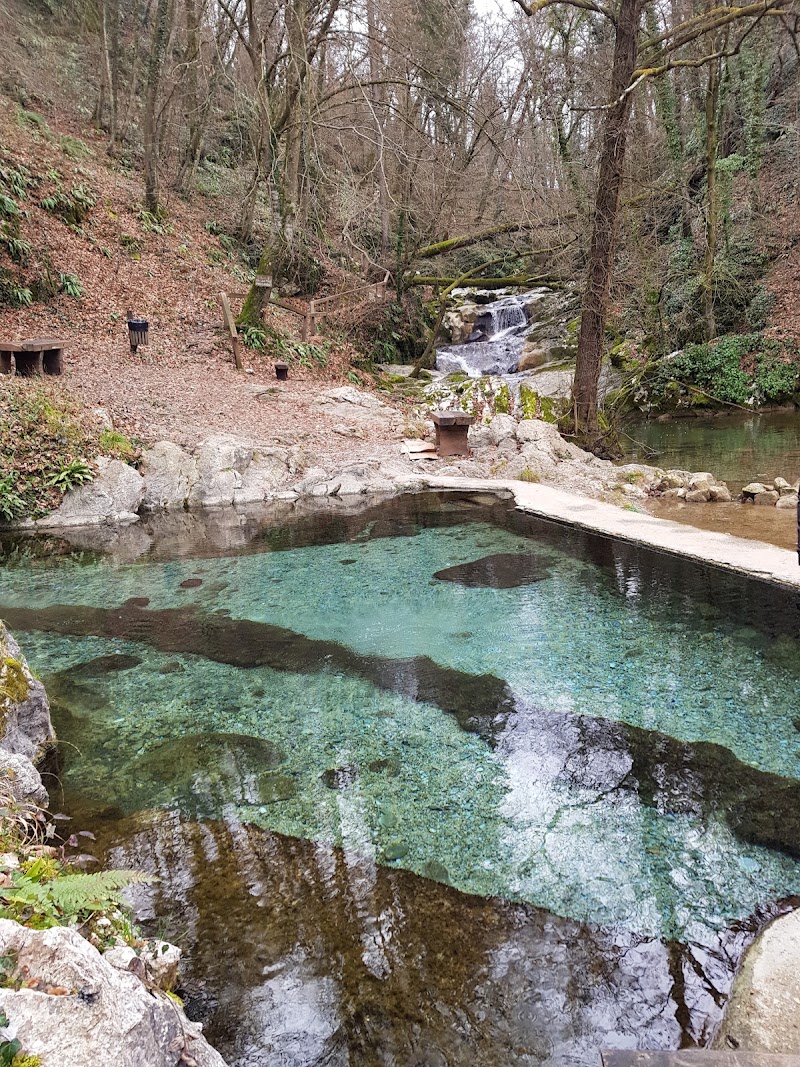
Klevevž Castle: nature and bathing, not castle ruins
Public reviews favor Klevevž for its scenery and natural bathing pool, while warning that little remains of the castle itself.