Portici di Bologna: the walkways that define the city
Bologna’s extensive covered walkways turn an ordinary city stroll into a close look at its architecture, history and everyday life.
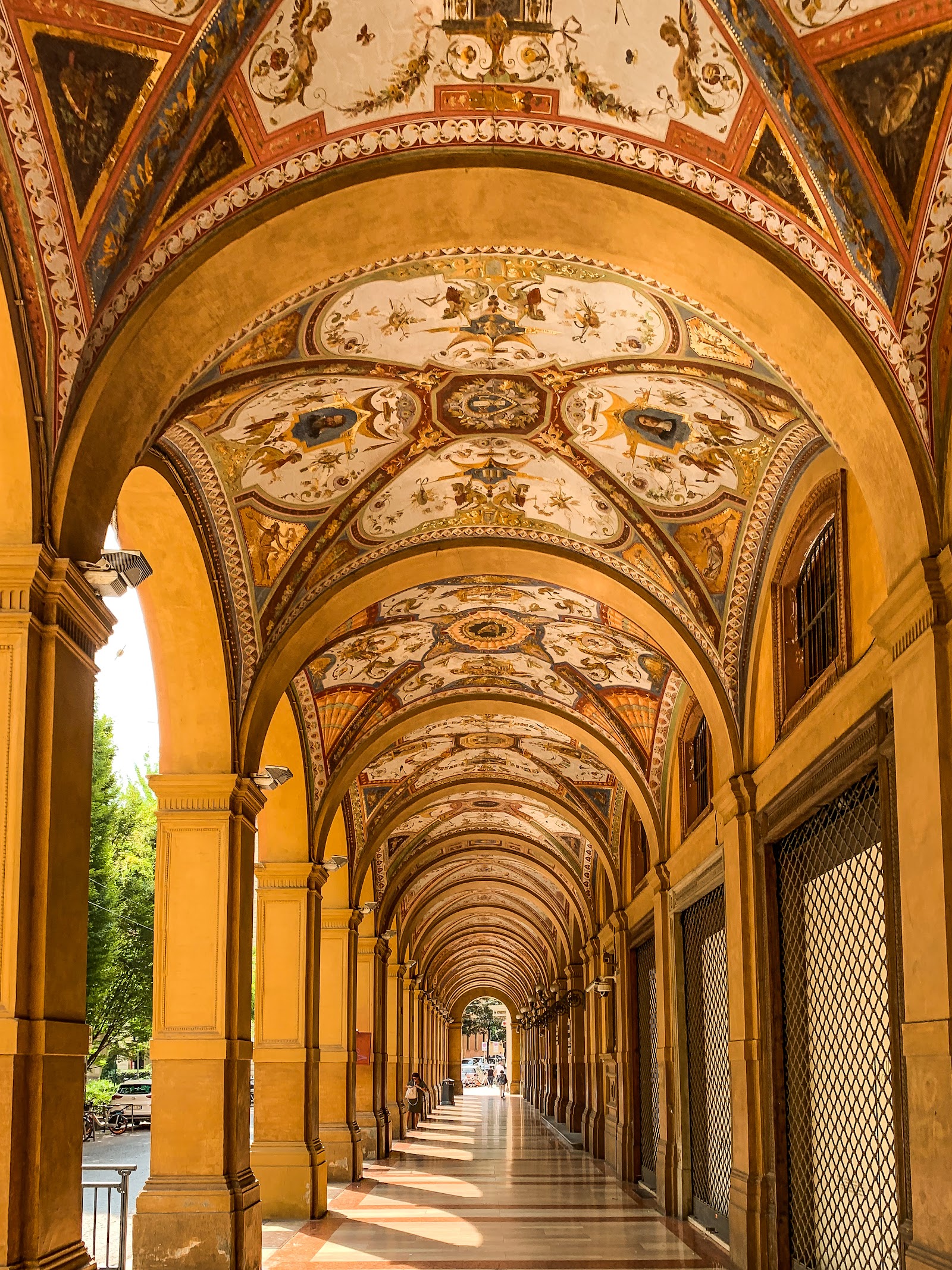
More photos

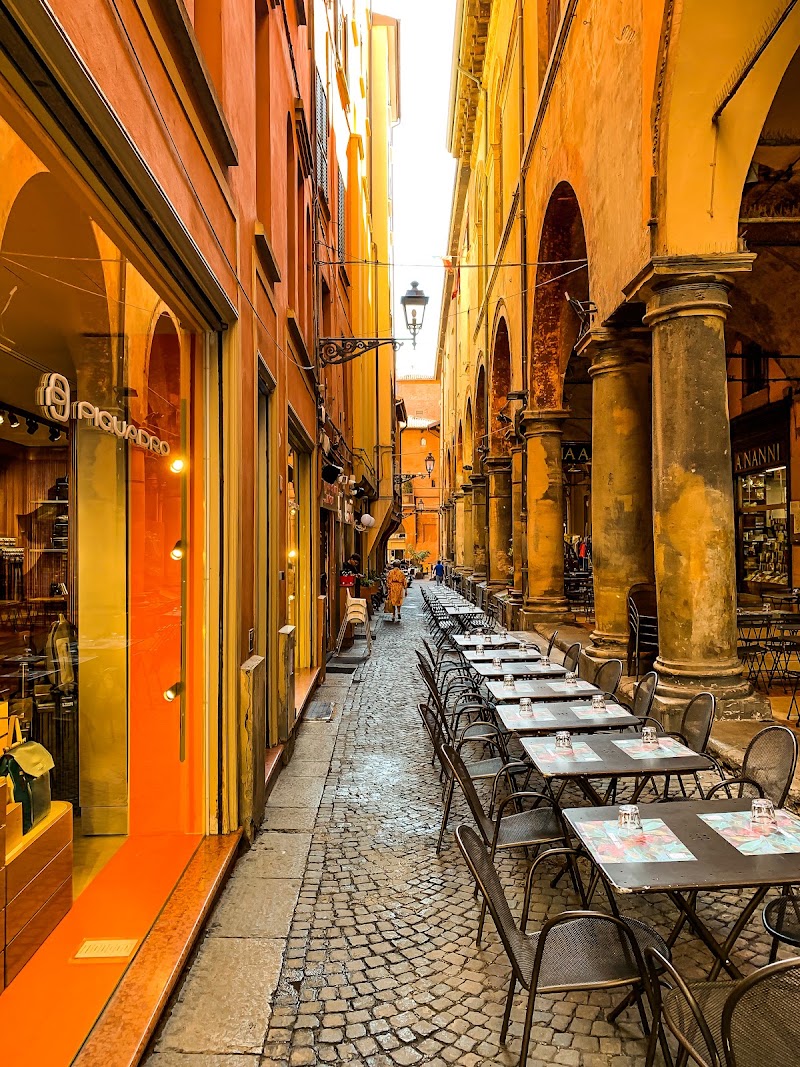
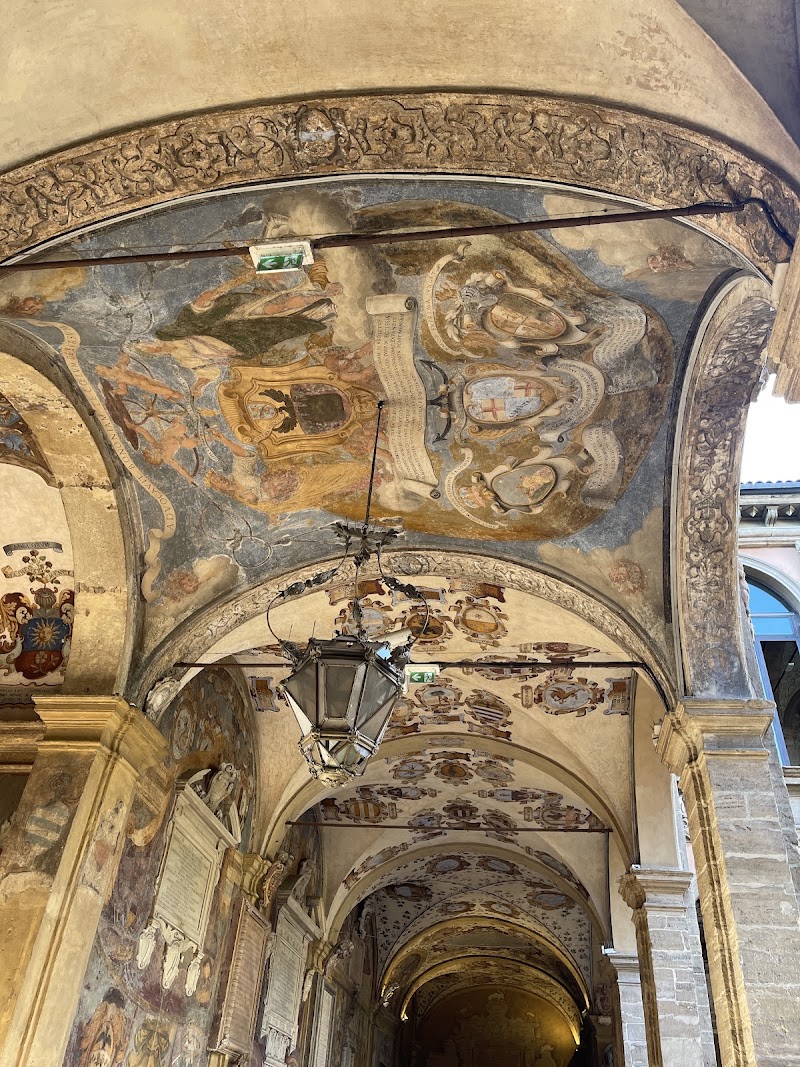
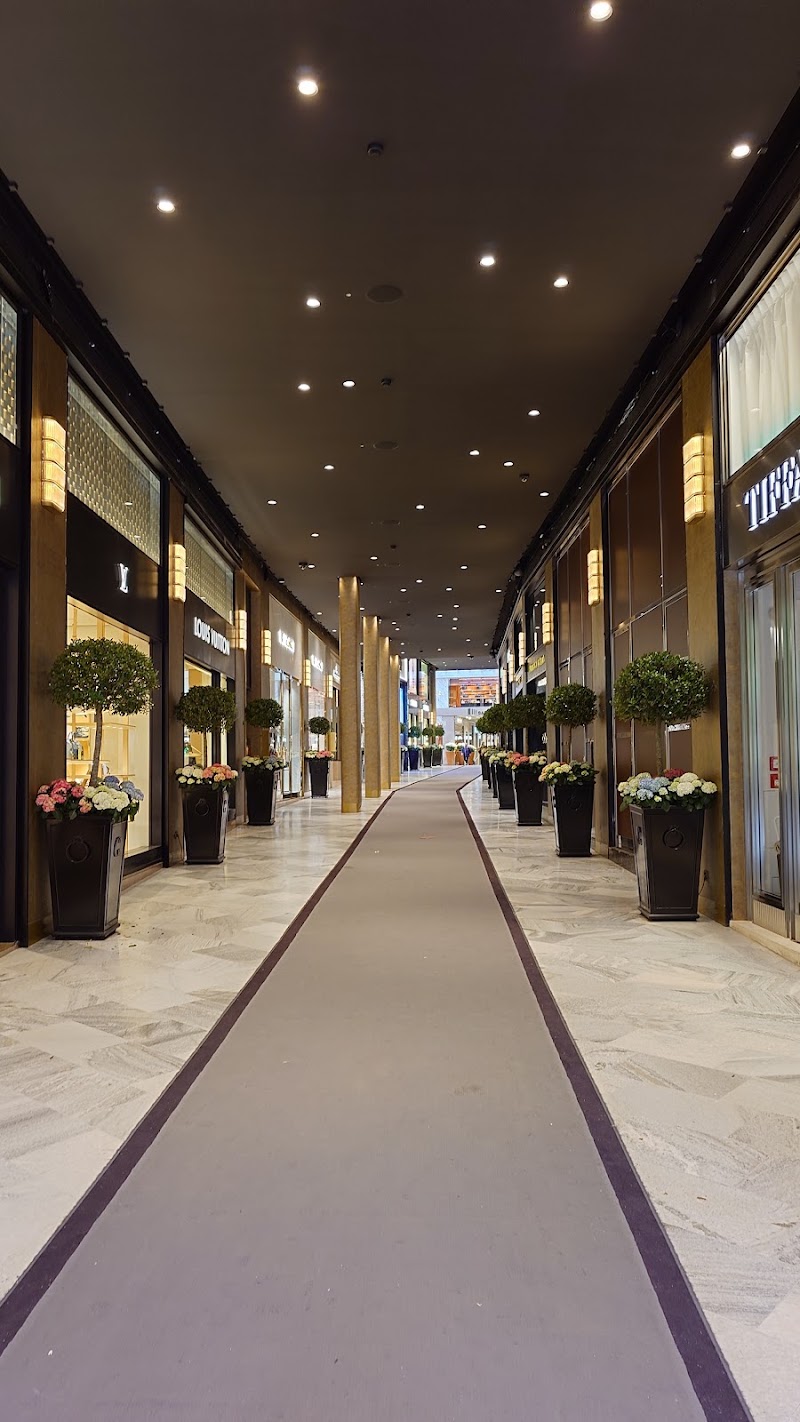

Photos published by travelers on Google, not AI generated.
What stands out
- Extensive covered walkways
- Varied columns and terrazzo floors
- Welcome shade in hot weather
- Shelter from rain
- Active ground-floor spaces
Worth knowing
- Not a single, self-contained attraction
- Some visitors may see them mainly as streetscape
Don't miss
What comes up most in public reviews
- Walk through the city-centre porticoes
- Compare column designs and terrazzo floors
- Stop for a cool drink beneath the arcades
- Notice how ground-floor spaces change by street
Worth the trip?
A city experienced under cover
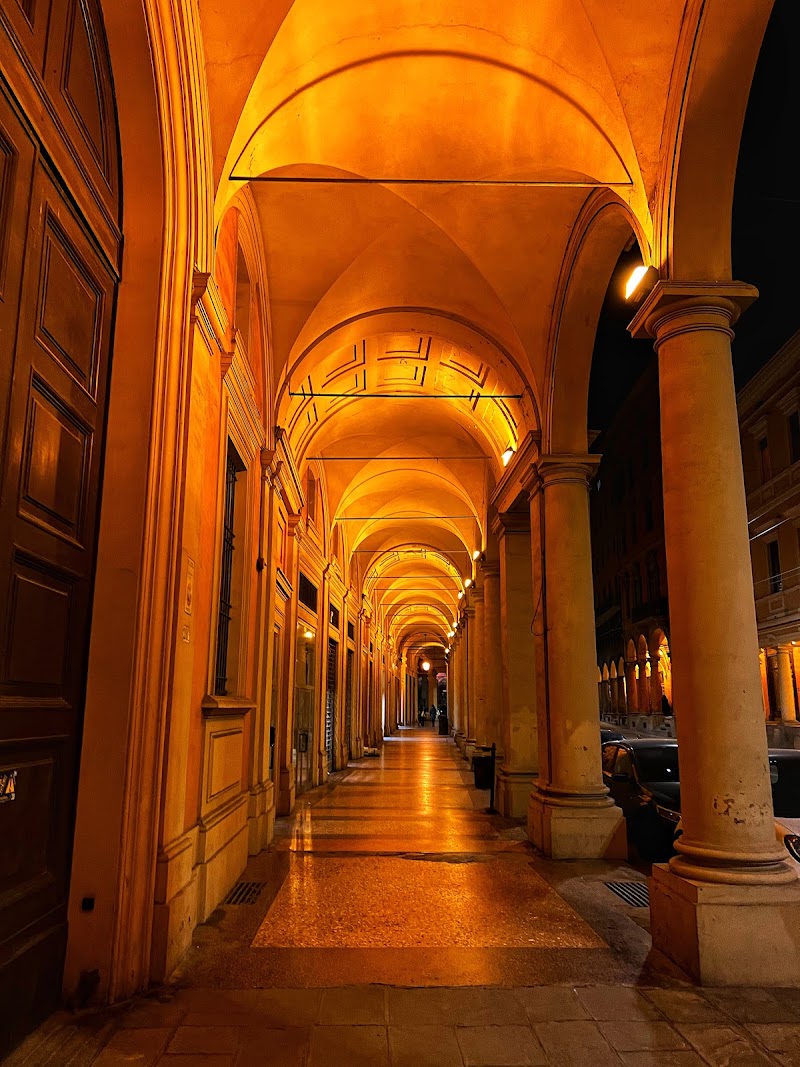
The Portici di Bologna are not a single monument with a clear entrance or prescribed route. They form an architectural network running through much of Bologna, especially across the city centre. Public reviews consistently describe them as central to the city’s identity, shaping streets rather than simply decorating them.
With a Google rating of 4.7 from 889 reviews, the porticoes receive particularly strong praise for their scale and variety. Travellers often arrive knowing that Bologna is famous for covered walkways, then find themselves surprised by how extensive they are. Reviewers describe kilometres of colonnades, each with differences in proportions, column designs, terrazzo flooring and the uses of the buildings at street level.
That variety is the main attraction. A walk beneath several sections reveals how the porticoes shift in character from street to street, creating a continuous visual thread without becoming architecturally uniform.
History woven into daily life
Reviewers frequently frame the porticoes as living infrastructure rather than preserved historical scenery. Their origins are associated with the Middle Ages, when upper floors were extended over pavements to create more living space. What began as a practical response to urban growth developed into one of Bologna’s defining features.
The result is architecture that remains fully integrated into everyday movement. Shops, cafés and other ground-floor spaces operate beneath the covered routes, while residents and visitors use them to cross the centre. Several reviews suggest that this ordinary function is exactly what gives the porticoes their atmosphere. They carry historical weight without feeling separated from the modern city.
Some travellers describe the experience in emotional terms, comparing a walk beneath the arcades with moving through Bologna’s collective memory. Others respond more directly to their practical design and visual rhythm. Both reactions point to the same strength: the porticoes make the city itself feel like the attraction.
Shade, shelter and slow exploration
The covered walkways are especially appreciated during hot weather and rain. Their shade makes long summer walks more manageable, while their roofs offer useful protection when the weather turns wet. Reviews also mention stopping for a cool drink beneath the arcades, reinforcing their role as social spaces as well as pedestrian routes.
The best approach is unhurried. Rather than treating the Portici di Bologna as a box to tick, travellers tend to get more from noticing changes in columns, floors and street-level activity while moving between other city sights. Photography may capture individual details, but reviewers repeatedly suggest that the atmosphere comes from the length and continuity of the walkways.
What to expect
The main caveat is that not every visitor regards the porticoes as a conventional attraction. One review appreciated their history, shade and distinctive character but still found them less compelling as a standalone sight. That response is understandable: there is no single dramatic viewpoint or fixed sequence.
They are better understood as Bologna’s connective tissue. For travellers interested in architecture, urban history or street life, wandering beneath them can become a defining part of a visit. Those seeking a concentrated landmark may instead experience them as an attractive backdrop encountered while exploring the centre.
Ask anything
Looking for somewhere else?
Keep exploring around Bologna
More from Italy
Italy · Napoli
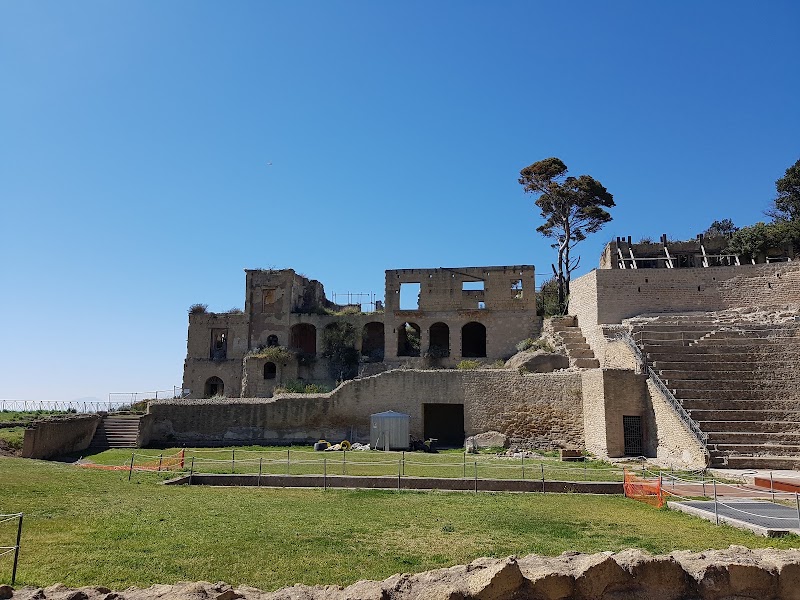
Parco Archeologico del Pausilypon: ruins with a sea view
Roman ruins, two theatres and a remarkable ancient tunnel combine with sweeping coastal scenery at this reservation-led archaeological park.
Italy · Aldino
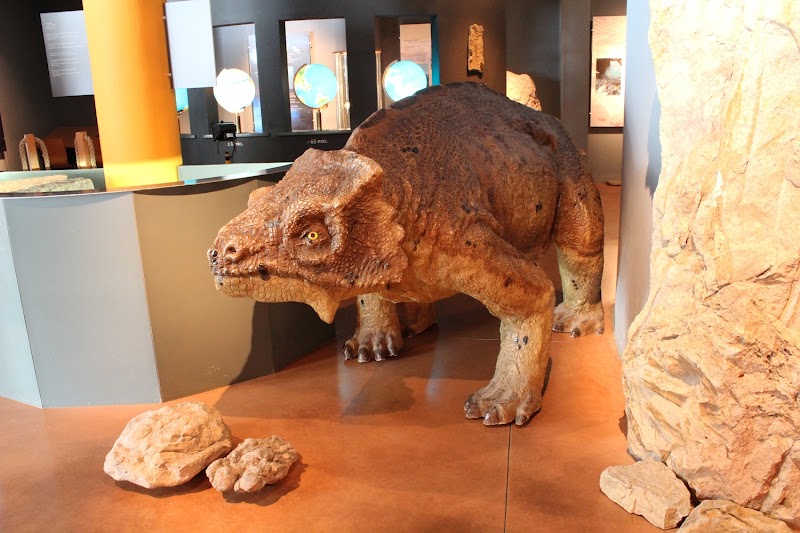
Geology and family hiking at GEOPARC Bletterbach
A dramatic gorge walk near Aldino combines exposed rock formations, educational interest and a rewarding physical challenge for active families.

Italy · Padula
Charterhouse of Saint Lawrence: Monumental Calm in Padula
This vast former Carthusian monastery rewards visitors with monumental cloisters, richly decorated interiors and an unusually peaceful atmosphere.
Italy · Bergamo
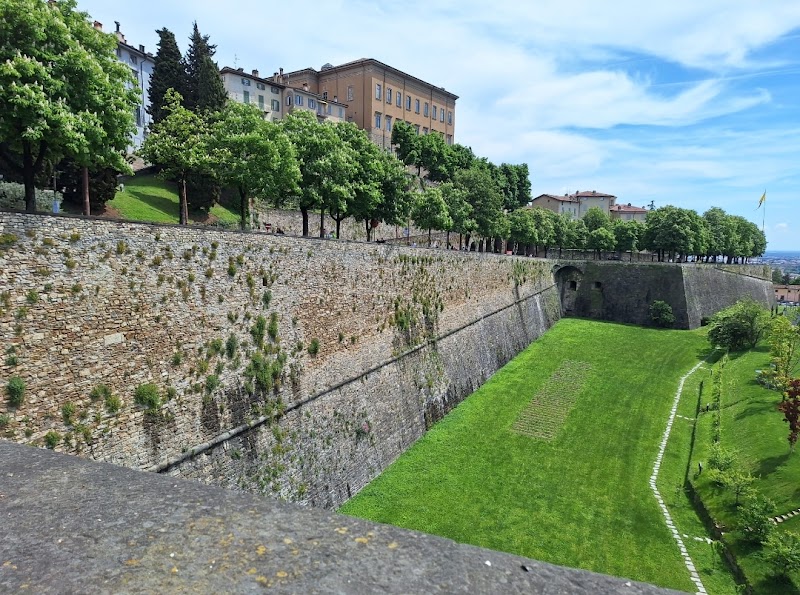
Mura Veneziane: Bergamo’s panoramic historic walk
Bergamo’s well-preserved walls offer an atmospheric walk around the old town, with broad views that reviewers particularly praise at sunset.