Porta Nigra: Trier’s Monumental Roman Gateway
Trier’s vast Roman city gate earns strong praise for its imposing exterior, explorable interior levels and views across the surrounding city.
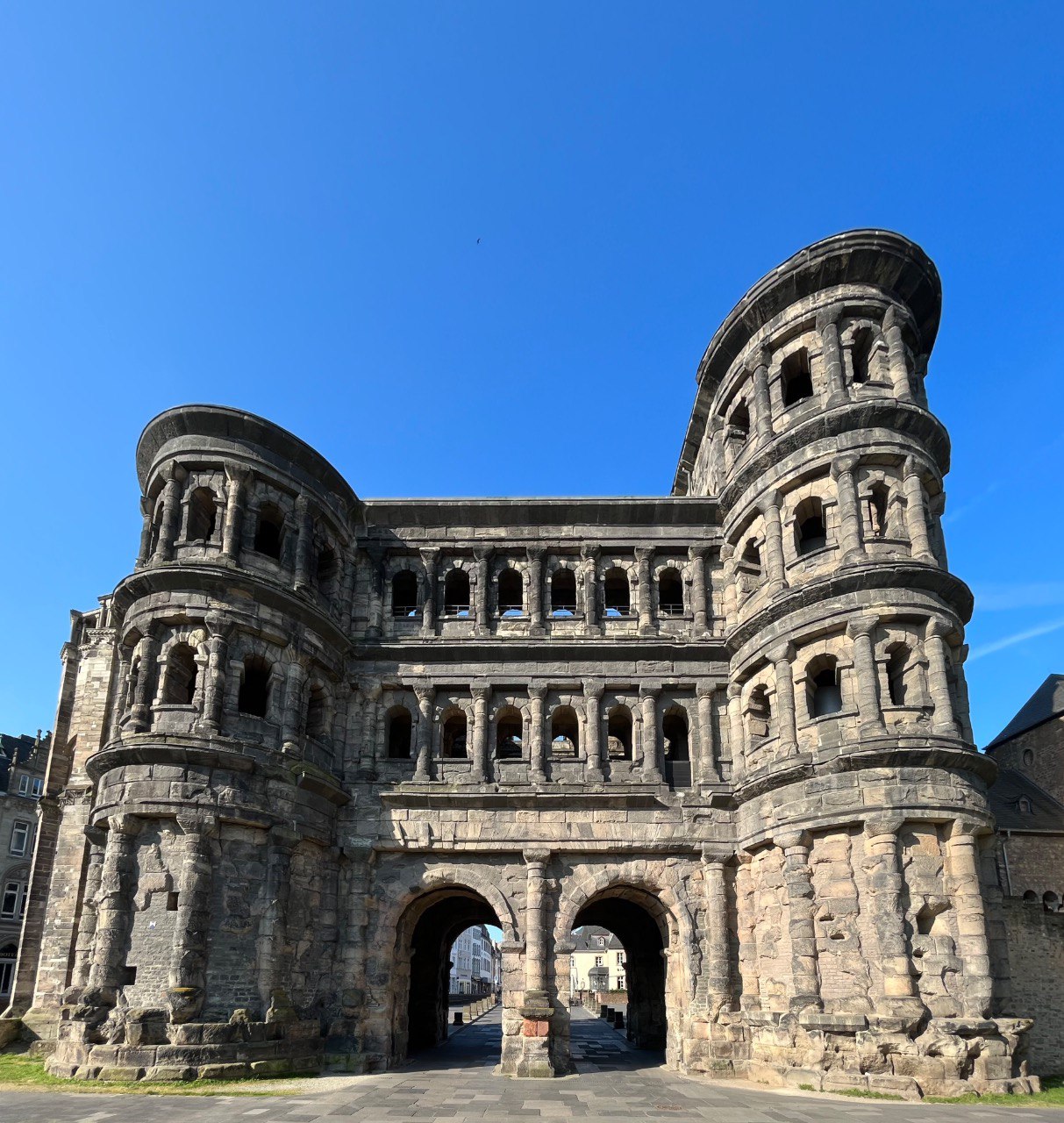
More photos
Photos published by travelers on Google, not AI generated.
What stands out
- Massive, well-preserved Roman gateway
- Interior access across multiple levels
- Elevated views over the surrounding area
- Detailed signs and multilingual brochures
Worth knowing
- Interior exploration may involve stairs
- Check for restoration work before visiting
Don't miss
What comes up most in public reviews
- Walk beneath the monumental arches
- Explore each accessible interior floor
- Look for the model of the old city walls
- Take in the views from the upper levels
Worth the trip?
Why it stands out
Porta Nigra is the kind of landmark that establishes its presence before any historical detail is absorbed. Synthesising its Google rating of 4.6 from 41457 reviews with the supplied public feedback, the strongest recurring impression is scale. Visitors repeatedly describe the dark stone gateway as massive, imposing and unusually well preserved.
Built by the Romans around the second century AD, it once served as a city gate. Its broad arches and heavy masonry still communicate that original purpose clearly, even to visitors arriving without much prior knowledge of Roman Trier. Several reviewers describe the experience as a direct encounter with ancient history rather than simply a look at an isolated ruin.
Its central urban setting adds to the impact. The monument rises amid present-day Trier, creating an immediate contrast between Roman engineering and the streets around it.
Going beyond the exterior
The exterior is impressive enough for a brief stop, but public feedback strongly supports paying for interior access. Reviewers say the monument makes more sense after exploring its successive floors, where the structure and changing uses of the building become easier to understand.
Walking through the arches and climbing the interior also reveals details that are difficult to appreciate from ground level. One review mentions a miniature representation of the old city walls, while others praise the informative material available on site. Multilingual brochures, detailed signage and helpful staff are specifically noted in the feedback.
Upper levels provide views over the surrounding area as well as close perspectives on the gate itself. This makes the interior worthwhile for both history enthusiasts and general sightseers. Admission is described by reviewers as budget friendly, although no current cost should be assumed without checking official information.
Practical considerations
The route through multiple floors may be challenging for visitors with limited mobility. One reviewer did not see an elevator, so anyone concerned about stairs or step-free access should confirm current arrangements before travelling.
Restoration is another point to check. A reviewer reported that part of the structure was under restoration during their visit, though interior access remained available and the work did not significantly reduce the experience. Conditions can change, making an official update useful before arrival.
Crowd levels and the best time of day are not addressed consistently in the supplied reviews. Those hoping to study the architecture or signage at a slower pace may still prefer to avoid the busiest periods, but the public feedback provided does not identify a reliably quieter season or hour.
Editorial verdict
Porta Nigra is the defining historical sight in Trier for many reviewers. Its appeal comes from more than age alone: the gateway remains physically commanding, can be explored from within and offers enough interpretation to reward visitors who want context.
A quick exterior look provides the essential photograph and a sense of scale. The fuller experience, however, involves passing beneath the arches, climbing the interior levels and pausing for the elevated city views. Based on the supplied public feedback, it suits Roman-history followers, architecture enthusiasts and first-time visitors seeking a clear introduction to Trier’s ancient past.
Plan the rest of the trip
Ask anything
Looking for somewhere else?
Keep exploring around Trier
More from Germany
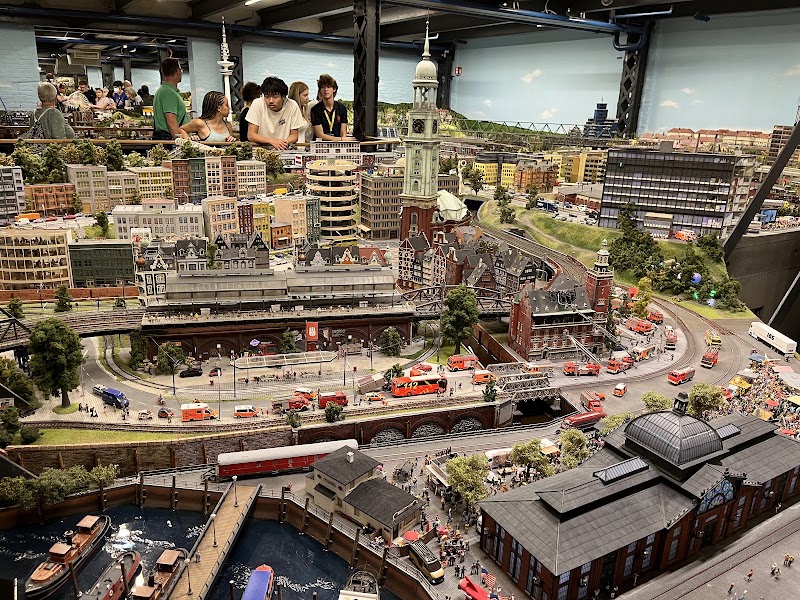
Germany · Hamburg
Miniatur Wunderland: Hamburg’s Small-Scale World in Remarkable Detail
Miniatur Wunderland turns trains, cities and landscapes into a richly detailed attraction that keeps adults and children searching for surprises.

Germany · Rüdesheim am Rhein
Niederwald Monument: Rhine Views and German History
The Niederwald Monument combines a major historic statue, landscaped grounds and wide Rhine views above Rüdesheim am Rhein.
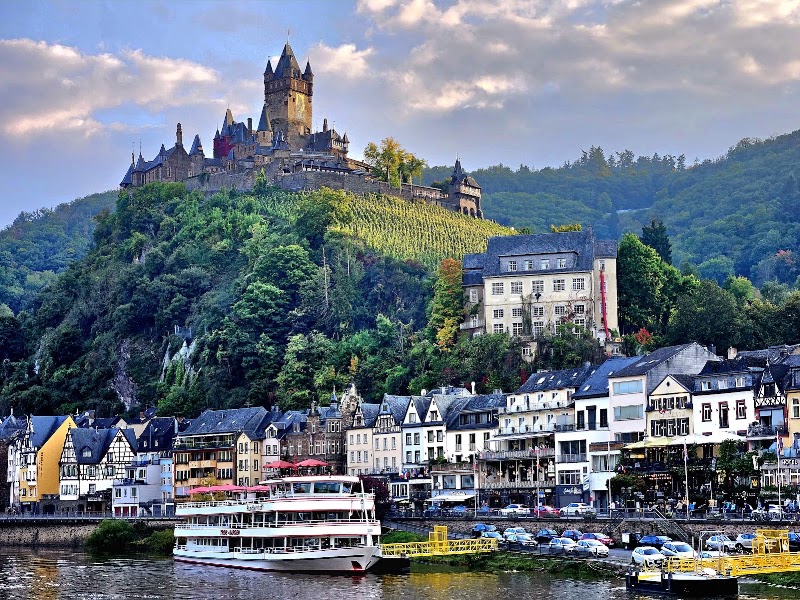
Germany · Cochem
Cochem Castle Rewards the Climb with Moselle Valley Views
Reichsburg Cochem combines a steep approach, guided interiors and broad views over the town and Moselle Valley.

Germany · Vogtei
Centre of Germany: A Quiet Stop in Vogtei
Public reviews describe a clean, peaceful place near a lake, with one important caveat: visitors disagree about which point marks Germany’s true centre.