Porta Maggiore: Rome’s Monumental Aqueduct Gate
A powerful ancient gateway for visitors interested in Roman engineering, with impressive ruins and a rough-edged urban setting.

More photos
Photos published by travelers on Google, not AI generated.
What stands out
- Monumental two-span travertine arch
- Ancient aqueduct engineering
- Later incorporation into the Aurelian Walls
- Substantial surviving Roman ruins
- Useful stop near Pigneto
Worth knowing
- The surrounding area is described as neglected
- Traffic, rubbish and homelessness may affect the visit
Don't miss
What comes up most in public reviews
- Study the aqueduct arches
- Look at the Aurelian Wall additions
- Combine the stop with a walk near Pigneto
Worth the trip?
Why visit
Porta Maggiore is one of Roma’s most imposing surviving gateways. Public reviews give it a Google rating of 4.3 from 5533 reviews, with the strongest praise focused on its scale, age and engineering. The monument is widely described as a two-span travertine arch built under Emperor Claudius in the 1st century AD, later incorporated into the Aurelian Walls during the 3rd century.
That history gives the site unusual depth. It was not only a city entrance. Its original role was tied to Rome’s aqueduct system, making the structure a useful place to understand how water infrastructure shaped the ancient city. The walls and arches remain substantial, and reviewers regularly describe the ruins as impressive, grandiose and well preserved.
What the visit feels like
Porta Maggiore works best as a focused stop rather than a full-day attraction. The monument can be appreciated visually in a short visit, especially by travellers already exploring the eastern side of Roma or staying around Pigneto. One reviewer made the journey after staying about 15 minutes away, specifically because of an interest in Rome’s ancient aqueducts.
There is a strong sense of engineering here. The overlapping arches, heavy stonework and defensive additions show how one structure could serve different purposes across centuries. Visitors interested in ancient infrastructure will find more to examine than someone simply looking for a photogenic ruin.
The site is also part of the city’s modern streetscape. Traffic and the surrounding urban environment shape the experience, so this is not presented in reviews as a polished archaeological park. The monument’s power comes from its survival in place.
What reviews warn about
The surrounding area draws consistent criticism. Several reviewers call it neglected, and one says that rubbish and visible homelessness detract from the setting. Those comments concern the immediate urban environment rather than the condition or historical importance of the gate itself. Another reviewer describes the ruins as being in fairly good condition and appearing preserved and maintained.
That contrast matters. Porta Maggiore can deliver a memorable look at Roman construction, but expectations should stay realistic. Visitors may find the approach less comfortable or attractive than the monument suggests. A daytime visit is the most sensible choice based on the setting described in public reviews, though the available feedback does not identify a specific season as best.
The verdict
Porta Maggiore suits travellers who enjoy ancient engineering, Roman walls and lesser-known archaeological stops woven into the city. It is particularly worthwhile for anyone already in eastern Roma, near Pigneto, or following the remains of the aqueducts. Those seeking a calm, landscaped attraction may be disappointed by the surroundings.
The gate itself earns the attention. Its surviving arches make Roman infrastructure tangible, while its later role in the Aurelian Walls adds another layer to the visit. Plan a short stop, study the stonework, and treat the setting as part of the reality of an urban monument.
Plan the rest of the trip
Ask anything
Looking for somewhere else?
Keep exploring around Roma
More from Italy
Italy · Firenze
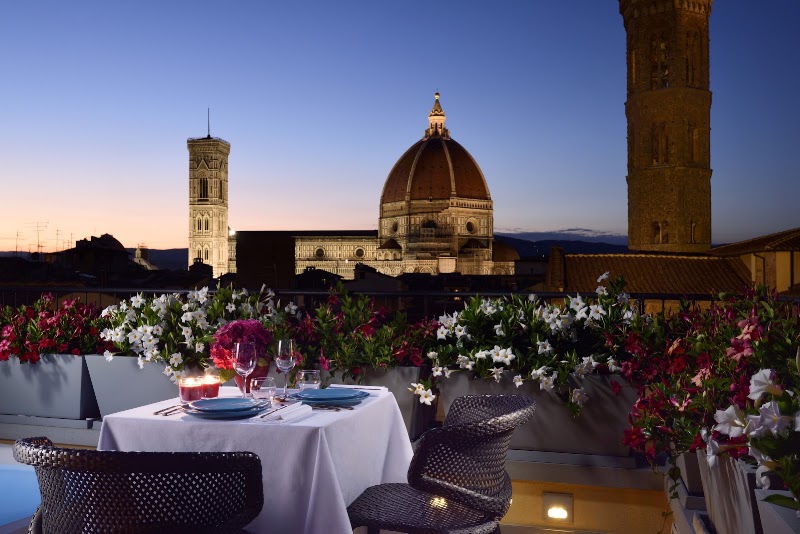
San Firenze Suites & Spa: A Quiet Base in Florence
Public reviews point to an intimate boutique stay with excellent service, spacious rooms and a central Florence location.

Italy · Matera
L’Hotel In Pietra: Atmospheric Stay in Matera’s Sassi
Public reviews praise this characterful Sassi hotel for its dramatic setting, thoughtful rooms, generous breakfast and helpful reception team.
Italy · Città della Pieve
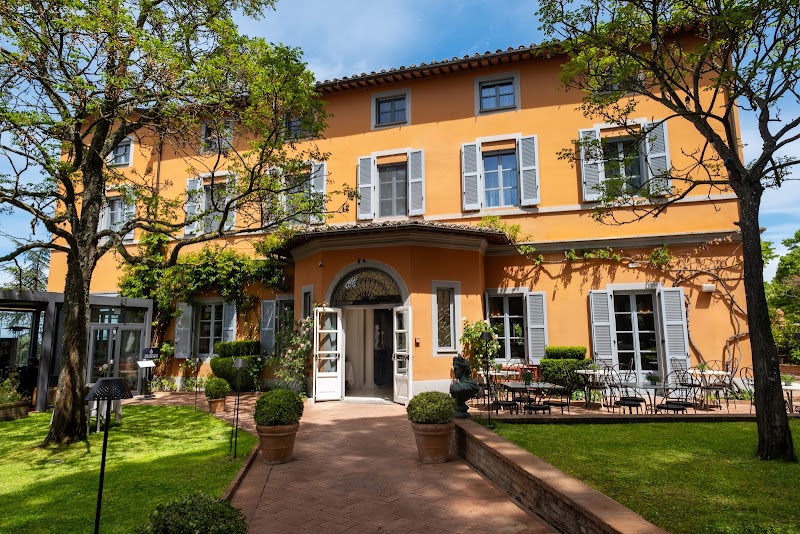
Hotel Vannucci, a polished stay in Città della Pieve
Public reviews point to a welcoming hotel with attentive service, memorable sunsets and a peaceful feel in Città della Pieve.
Italy · Venezia
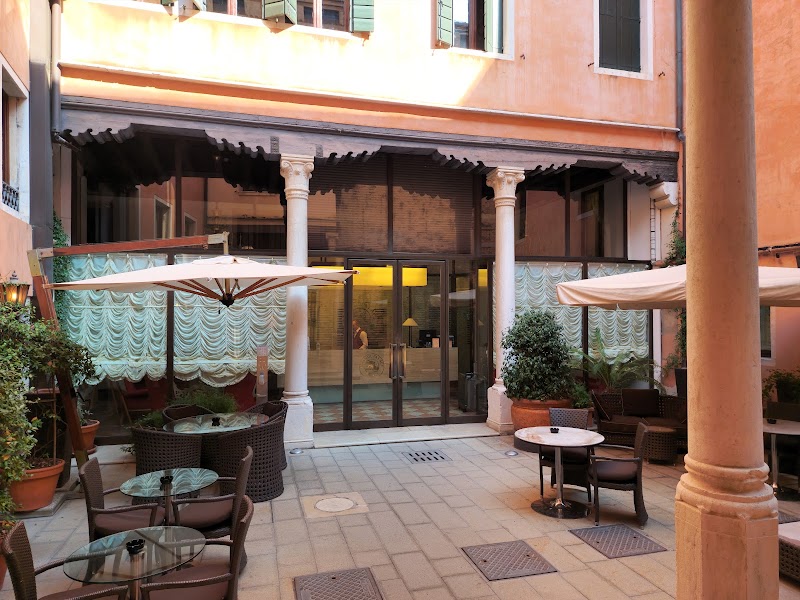
Liassidi Palace Hotel: Traditional Venice Near San Marco
Public reviews praise this atmospheric hotel’s central location, attentive staff and Venetian character, while noise and a few room details divide opinion.