Pompey Museum: Bahamian History in a Compact Setting
This small Nassau museum traces slavery, resistance and trade through clear displays and engaging interactive screens.
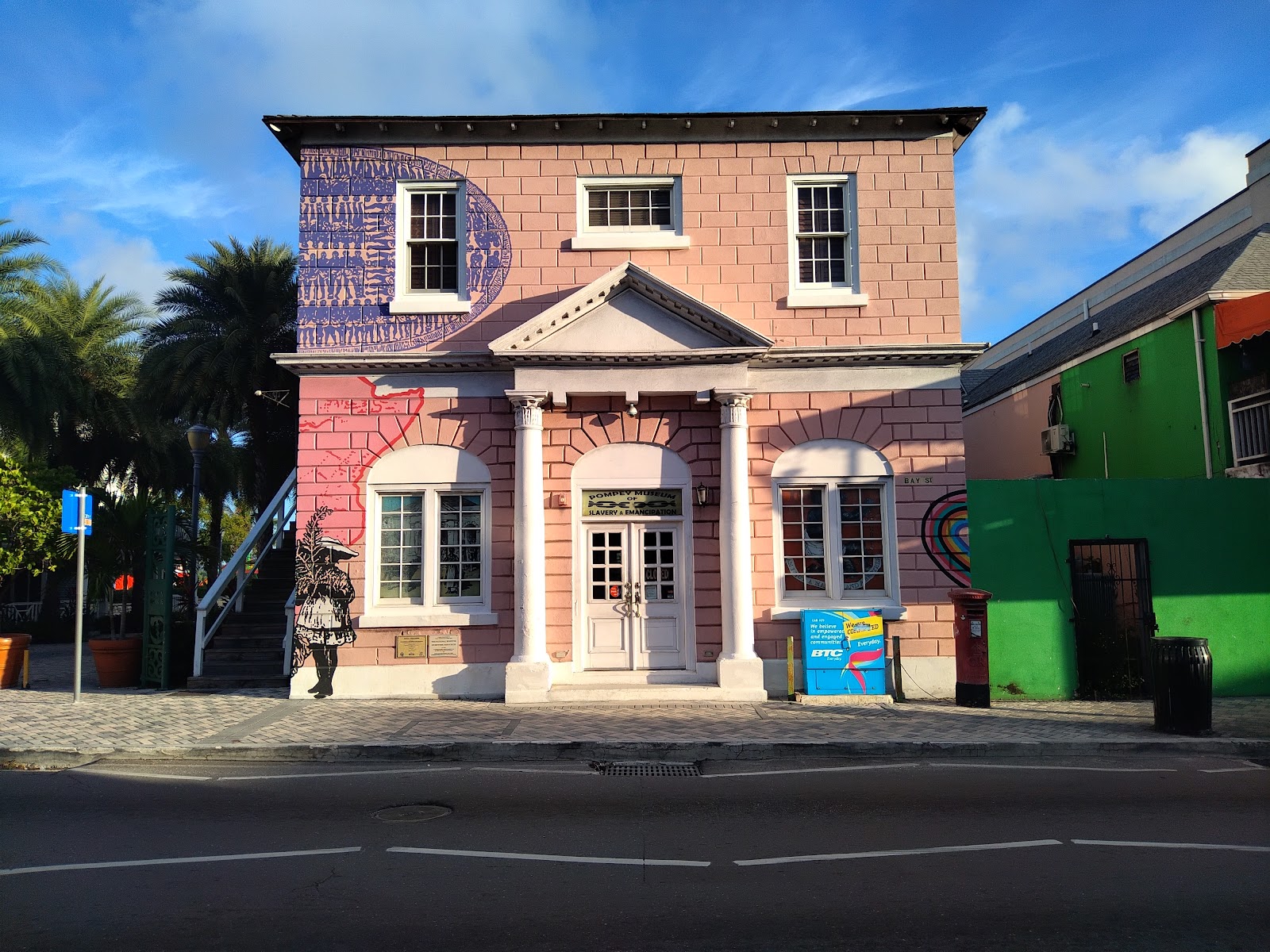
More photos
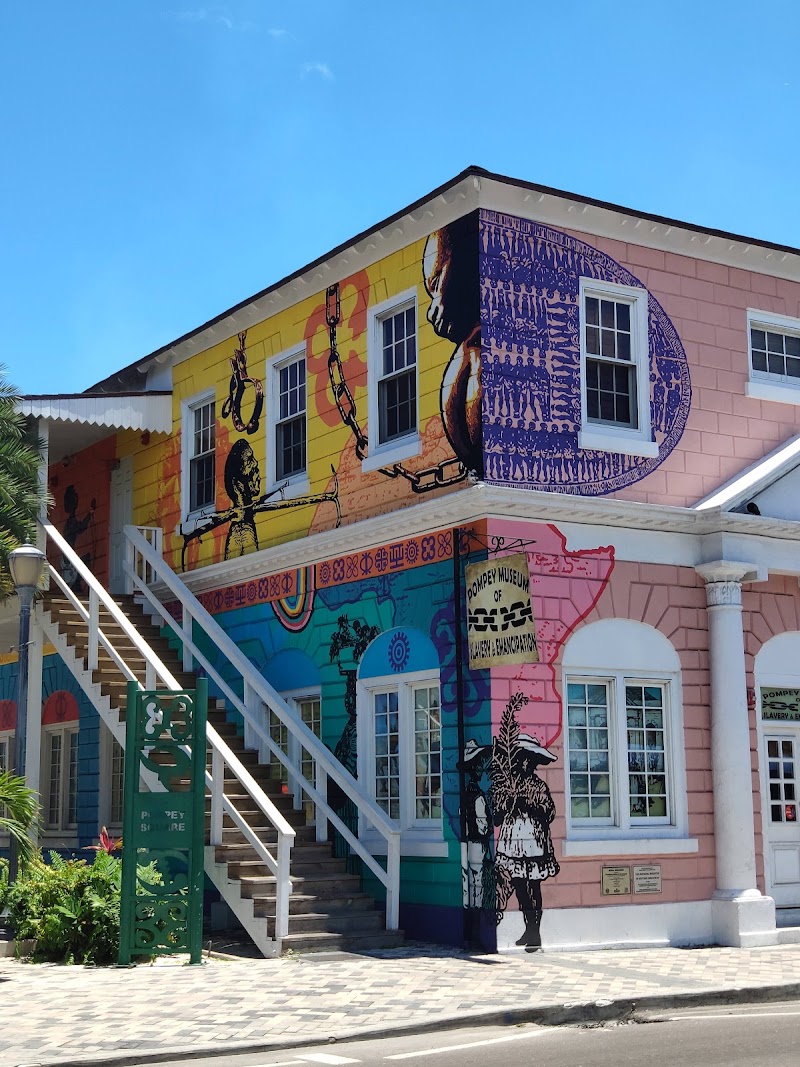

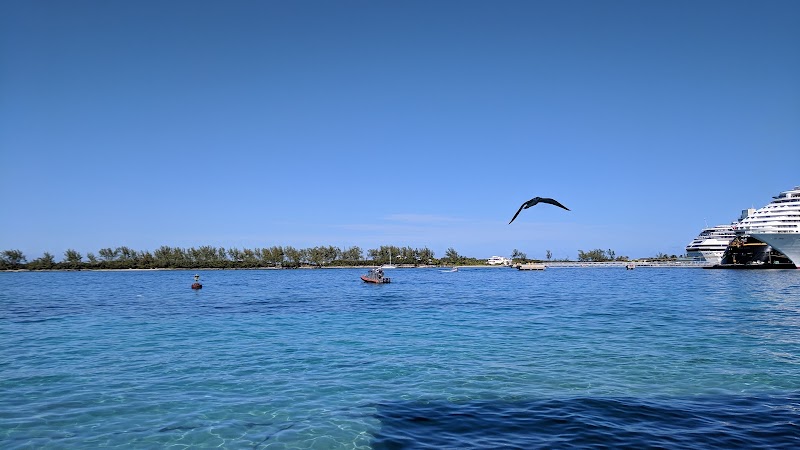
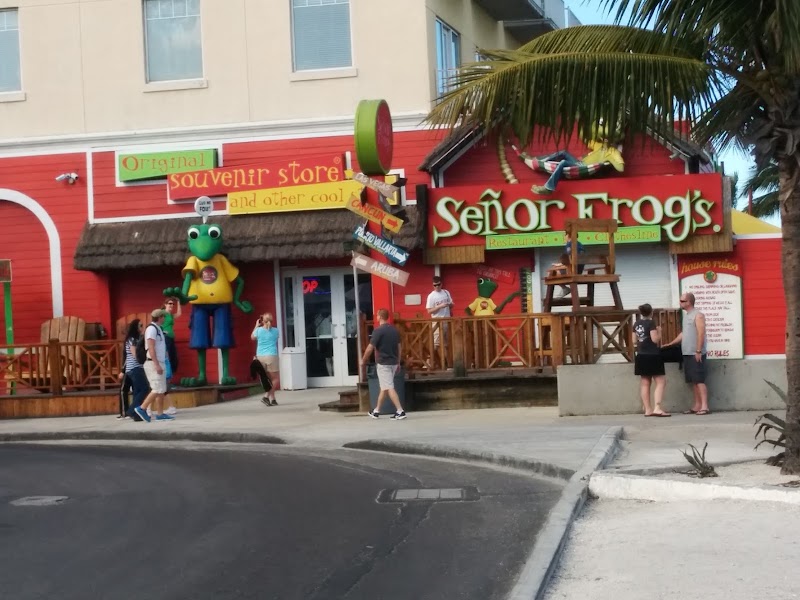

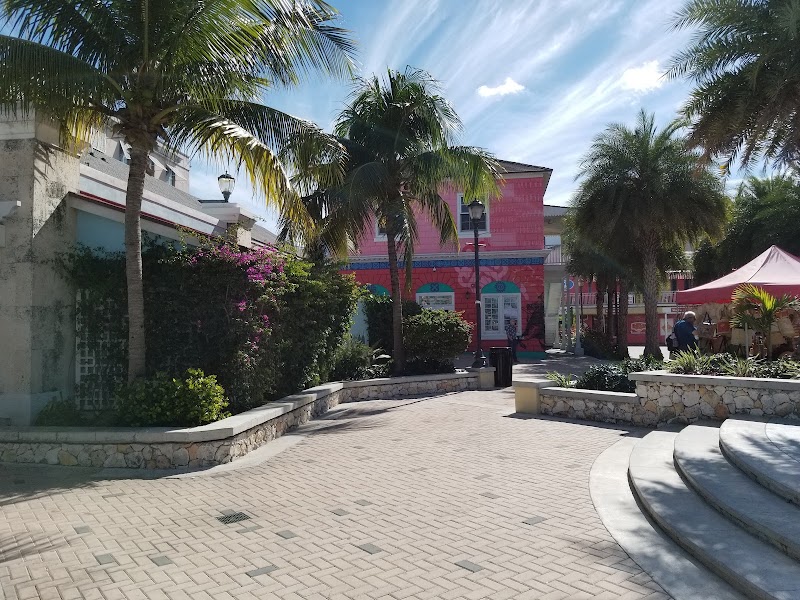
Photos published by travelers on Google, not AI generated.
What stands out
- Pompey’s 1830 revolt story
- Transatlantic slave trade exhibits
- Interactive screens
- Clear, well-organised displays
- Former slave market setting
Worth knowing
- The museum is compact
- The visit is self-guided
Don't miss
What comes up most in public reviews
- Follow the story of Pompey
- Explore the slavery history exhibits
- Use the interactive screens
- Examine the role of trade in Bahamian history
Worth the trip?
Why it stands out
Pompey Museum earns a Google rating of 4.4 from 434 reviews, with public feedback repeatedly praising its clear, concise presentation of Bahamian history. The museum is particularly valued for confronting the history of slavery and the transatlantic slave trade, rather than treating them as a brief prelude to more familiar island narratives.
Reviewers describe a compact attraction that can be explored in about an hour. That modest scale appears to work in its favour. Exhibits are frequently called well organised, instructive and easy to follow, making the museum a practical addition to a day of sightseeing in Nassau rather than an all-day commitment.
The story and setting
The museum occupies a building identified by reviewers as Nassau’s former slave market. That setting gives additional weight to displays examining the origins and experiences of enslaved people, the development of the Bahamas and the role of trade in shaping the islands.
A central figure is Pompey, remembered for leading a revolt by enslaved people in 1830. Several reviews single out his story as the emotional and historical highlight of the visit. It moves the museum beyond a general chronology by focusing attention on resistance, courage and the actions of an individual whose name the institution carries.
The wider narrative reportedly extends beyond slavery, following Bahamian history toward the present day. Visitors interested in social history and local culture may therefore find more breadth than the museum’s small footprint initially suggests.
What the visit is like
The experience is self-guided, according to public reviews. Displays are described as succinct and logically arranged, while interactive screens receive particular praise for making the subject matter more engaging. This combination should suit independent visitors who prefer to move at their own pace and spend longer with the topics that interest them most.
Feedback suggests that the content is substantial without becoming overwhelming. Most reviewers indicate that roughly an hour is enough to see the exhibits, though history-focused visitors may wish to read more slowly. A small gift shop is also mentioned.
Editorial verdict
Pompey Museum appears best suited to travellers seeking historical context alongside Nassau’s beaches and more entertainment-led attractions. Reviewers often frame it as a worthwhile cultural stop and, in some cases, as a more serious alternative to the city’s pirate-themed museum.
Its compact size and self-guided format may not appeal to those expecting an expansive collection or a guided experience. For visitors interested in the Bahamas’ connections to slavery, the transatlantic slave trade, commerce and resistance, however, the museum offers a focused and accessible introduction. Public feedback also characterises admission as budget friendly, though current entry details should be checked directly before visiting.
Ask anything
Looking for somewhere else?
Keep exploring around Nassau
More from Bahamas
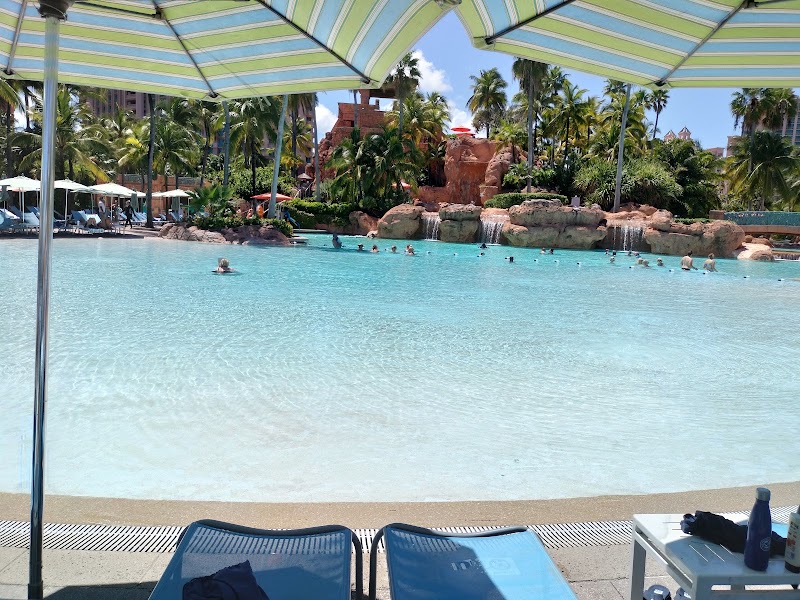
Bahamas · Nassau
Paradise Island: Family Fun Beyond the Beach
Paradise Island pairs white-sand beaches with the sprawling aquarium, water park, pools and entertainment at Atlantis.
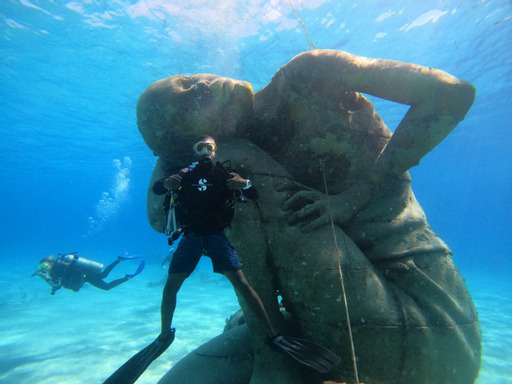
Bahamas · Nassau
Snorkelling among sculptures at Ocean Atlas
Nassau’s underwater sculpture garden pairs monumental art with coral restoration, though access arrangements can be unpredictable.
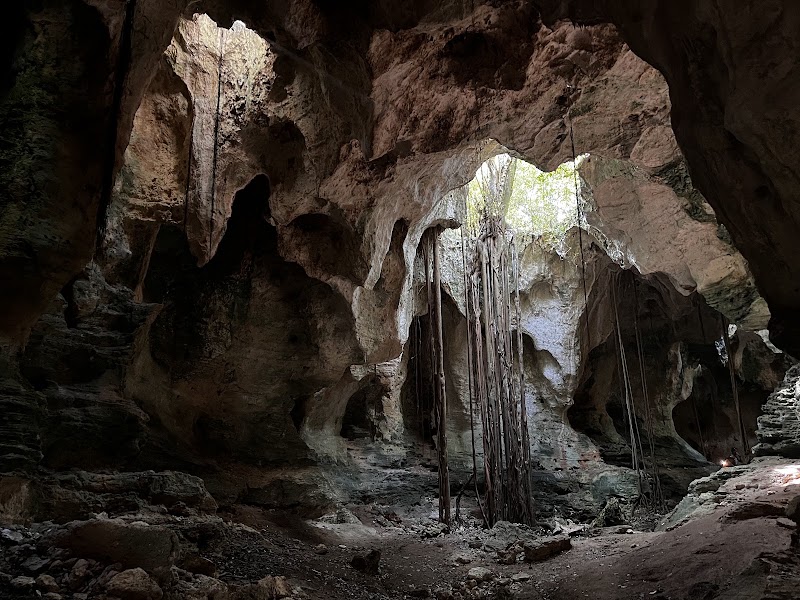
Bahamas · Rock Sound
Cathedral Cave: A Striking Detour Near Rock Sound
Sunlit ceiling openings, tree roots and fruit bats make this atmospheric cave a rewarding break from Eleuthera’s beaches and water sports.
Bahamas · Nassau
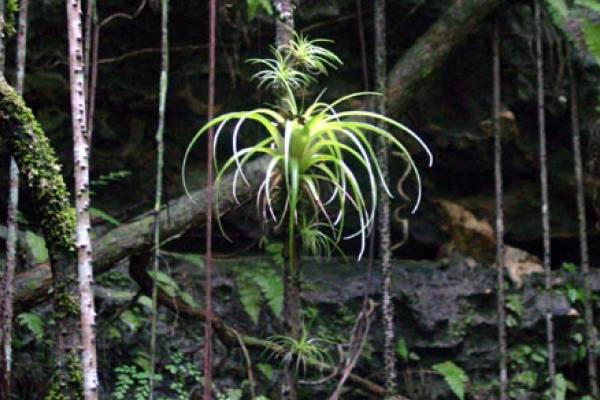
Primeval Forest National Park: Nassau’s Ancient Landscape
This compact forest preserve reveals native plants, wildlife and dramatic limestone sinkholes within a seven-acre sanctuary.