Polonnaruwa Ancient City: Temples, stupas and vast ruins
Polonnaruwa rewards a full day of exploration, though ticketing confusion, long distances and one serious harassment report warrant preparation.
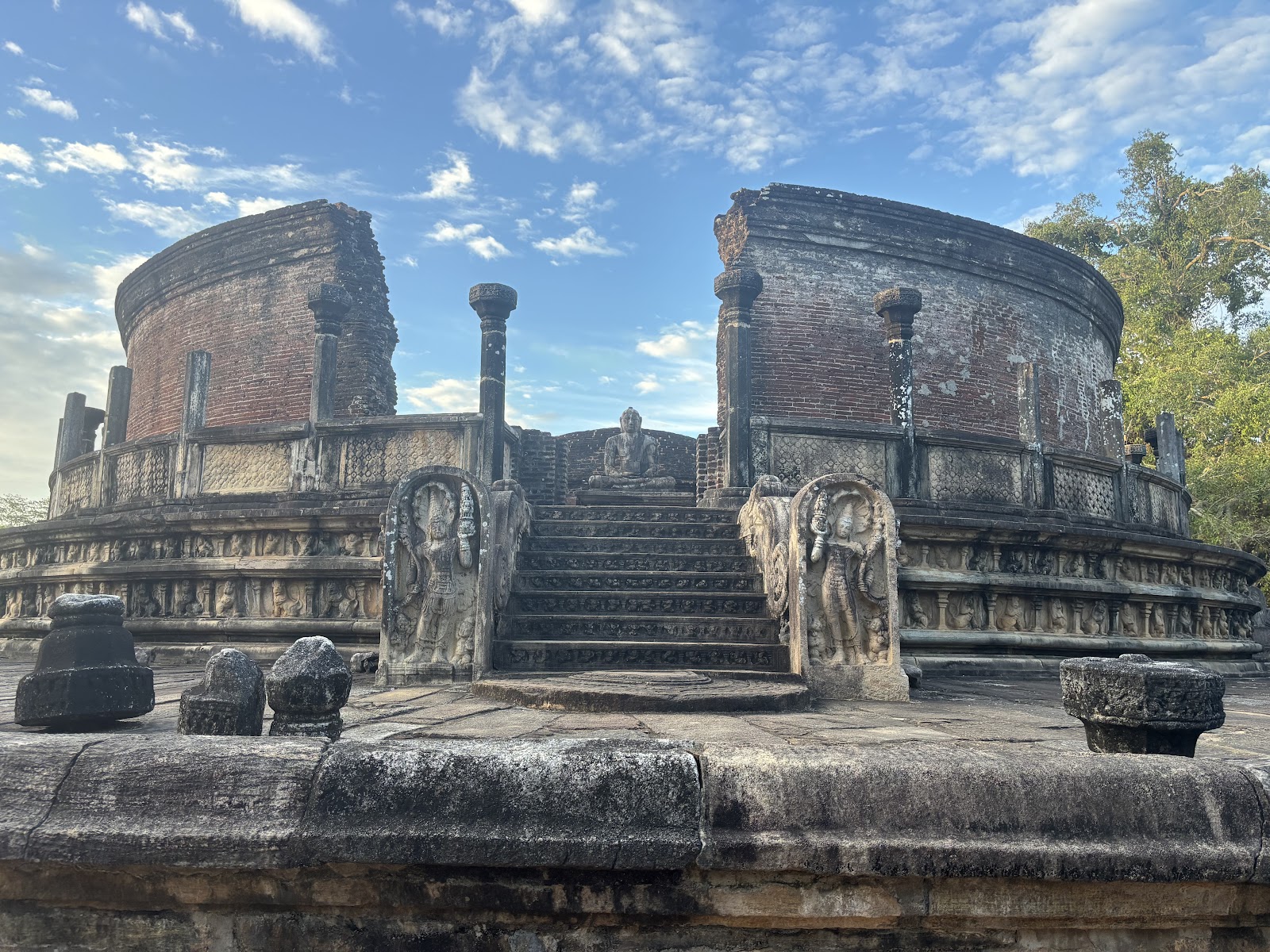
More photos
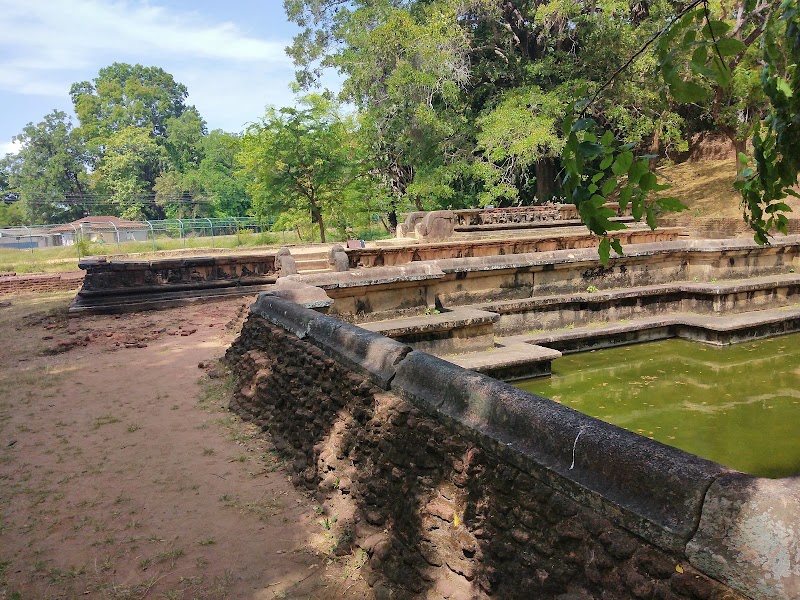

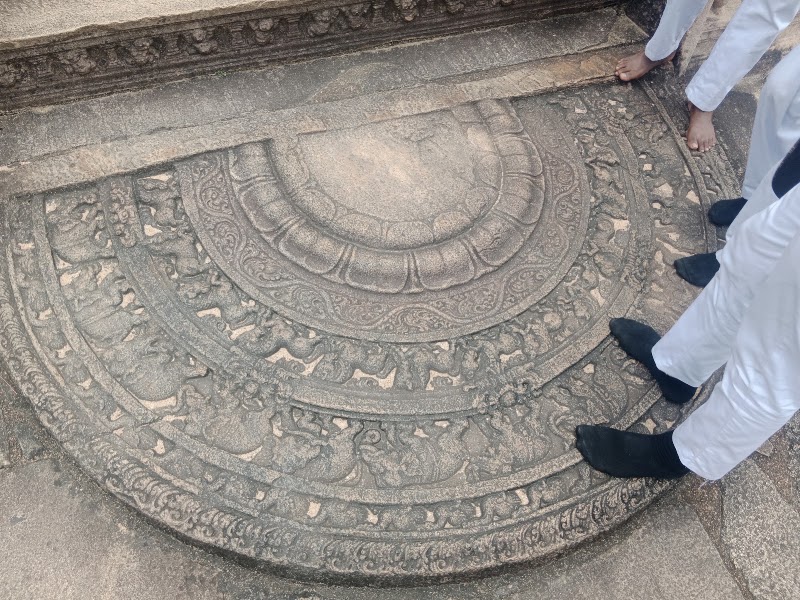
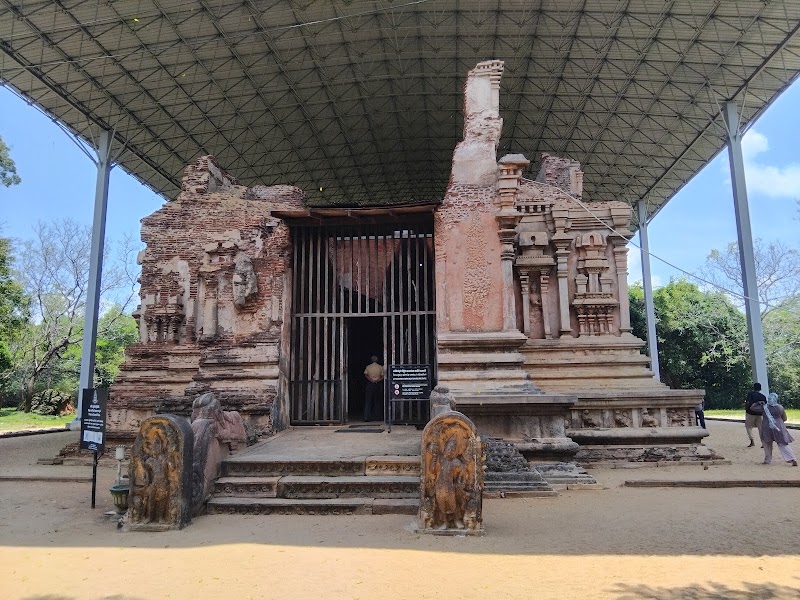
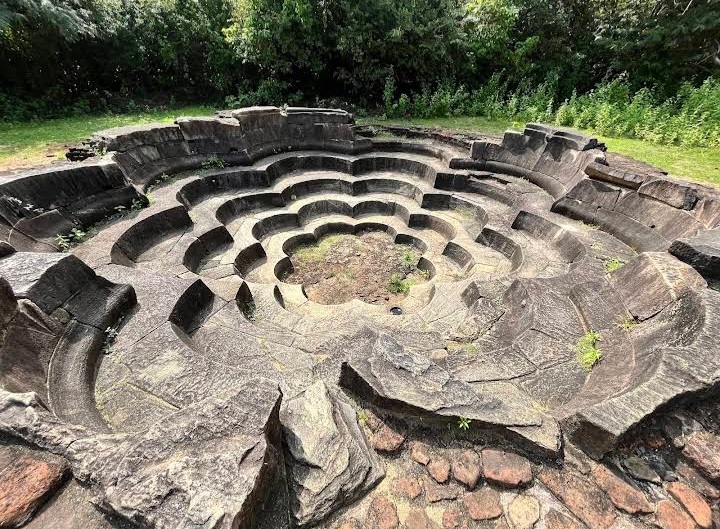

Photos published by travelers on Google, not AI generated.
What stands out
- Kiri Vihara stupa
- Extensive temples and ruins
- Cycling between historic sites
- Large UNESCO-listed archaeological landscape
Worth knowing
- Tickets may need to be bought at the museum
- Temples are widely spaced
- Serious harassment reported by one solo woman
Don't miss
What comes up most in public reviews
- Kiri Vihara
- The ancient temples and ruins
- Cycling between the main areas
- Confirming the entrance route at the museum
Worth the trip?
The overall verdict
Polonnaruwa Ancient City earns a Google rating of 4.5 from 1371 reviews, with public feedback repeatedly praising the scale of its ruins, temples and historic architecture. Travellers commonly describe it as a highlight of a wider Sri Lanka itinerary and stress that the site deserves substantially more than a quick stop.
The ancient city’s UNESCO World Heritage status adds context, but its appeal is more immediate than a label. Visitors encounter an extensive archaeological landscape rather than a single monument. Reviews convey a strong sense of discovery as the route moves between religious structures and scattered ruins. Kiri Vihara receives particular praise as an impressive, well-preserved stupa.
How long to allow
Most visitors should reserve at least half a day. One reviewer spent four to five hours exploring at a leisurely pace, while another felt that a whole day was needed to see everything properly. The temples are spread out, and even travellers using bicycles must park and continue to individual structures on foot.
A hired push bike is a popular way to cover the grounds, especially for those comfortable cycling in warm conditions and walking between stops. A car with a driver can make the visit easier, particularly when Polonnaruwa forms part of a day trip from elsewhere. One reviewer reported a smooth experience being driven between different areas before continuing back to Dambulla.
The site’s size appears easy to underestimate. Travellers planning a short visit risk spending too much time sorting out tickets or moving between widely separated monuments, leaving less time for the temples themselves.
Practical details
Ticket collection can be confusing. One cycling visitor reported that admission had to be purchased at the museum before returning to the main road and riding roughly 500 metres to reach the main park entrance on the opposite side. Clear directions should be confirmed at the museum before setting off.
Footwear also matters. Shoes must be removed at temples, and rain can leave the ground wet or muddy. Reviews recommend trainers for cycling and walking, plus spare socks when conditions have been damp. Visitors should expect repeated transitions between cycling, parking and exploring on foot.
There is also a significant safety concern in the available feedback. One young European woman travelling alone described persistent harassment, emotionally distressing treatment and unhelpful staff responses when requesting directions. It is a single account among otherwise enthusiastic reviews, but the severity makes it important. Solo travellers, particularly women, may prefer to arrange a reputable driver or guide and avoid isolated sections alone.
Who will enjoy it
Polonnaruwa is best suited to travellers interested in archaeology, sacred architecture and active sightseeing. It works particularly well for those willing to give the landscape time rather than treating it as a checklist stop. The combination of cycling and walking adds flexibility, while a driver reduces logistical effort.
The strongest reviews focus on the quantity and quality of the temples and ruins. Against that, inconsistent wayfinding, the spread-out layout and the reported harassment incident prevent an unqualified recommendation. With advance planning, Polonnaruwa remains one of the most substantial historic visits described by travellers in Sri Lanka.
Ask anything
Looking for somewhere else?
Keep exploring around Polonnaruwa
More from Sri Lanka

Sri Lanka · Dambulla
Dambulla Rock Inscription and the Wider Cave Complex
Strong reviews praise Dambulla’s caves, paintings and Buddha statues, though they offer little detail about the rock inscription itself.
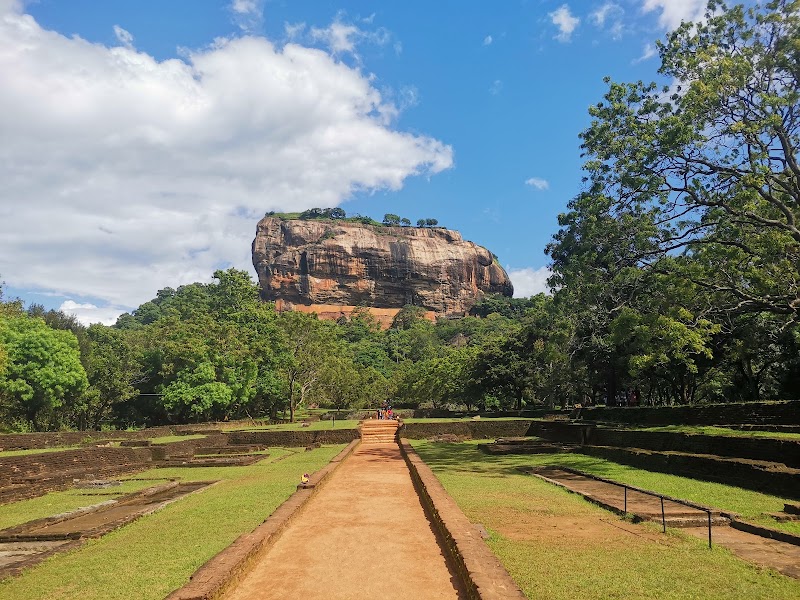
Sri Lanka · Sigiriya
Preaching Rock: Elevated Views Across Sigiriya
Travellers praise the rewarding climb and broad views, while warning that heat, crowds and bottlenecks can complicate the experience.
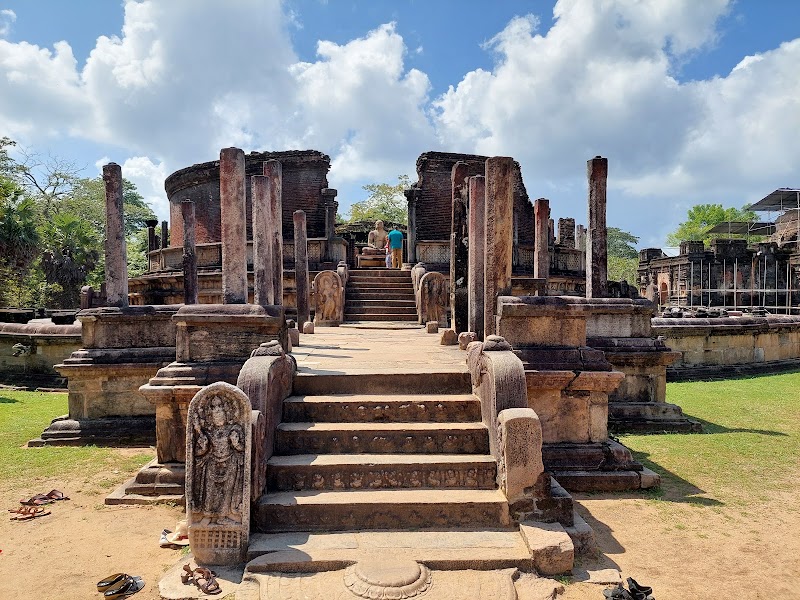
Sri Lanka · Polonnaruwa
Vatadage: Polonnaruwa’s Refined Circular Relic House
Intricate carvings, balanced architecture and serene Buddha statues make the Vatadage a standout within Polonnaruwa’s ancient city.
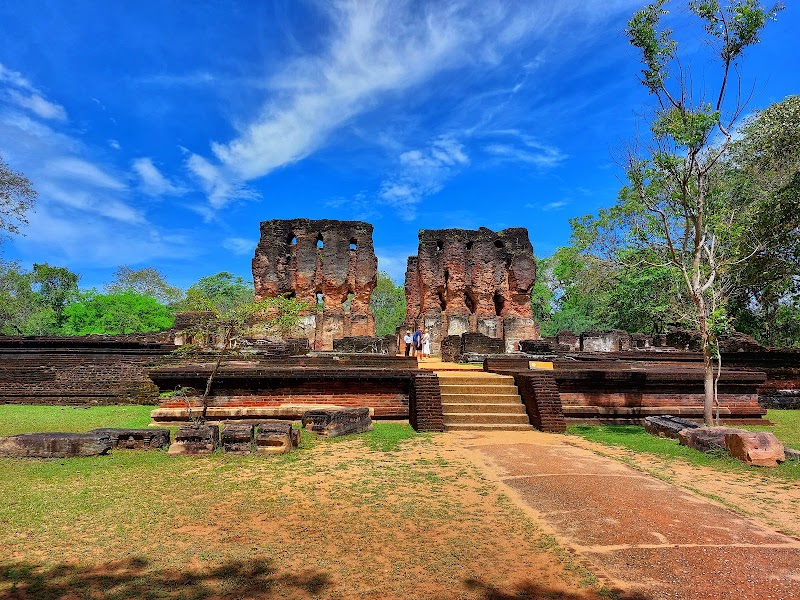
Sri Lanka · Polonnaruwa
Royal Palace of King Parakramabahu: Monumental Ruins
Massive brick walls and traces of timber construction reveal the scale of this ancient royal complex in Polonnaruwa.