Plečnik’s Trnovo Bridge: Architecture on the Gradaščica
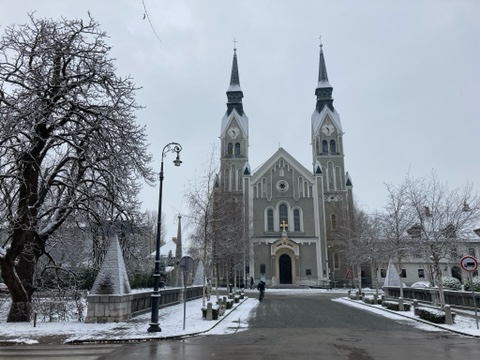
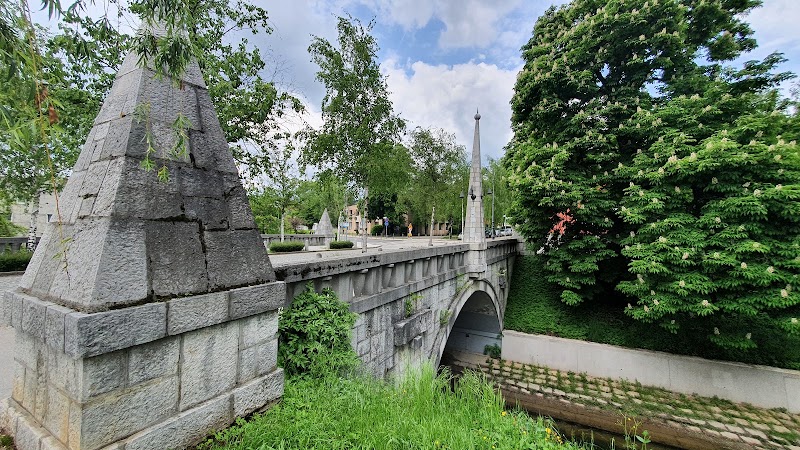
This tree-planted crossing extends Trnovo Church’s square across the river, combining everyday infrastructure with Plečnik’s distinctive civic design.
More photos


Photos published by travelers on Google, not AI generated.
What stands out
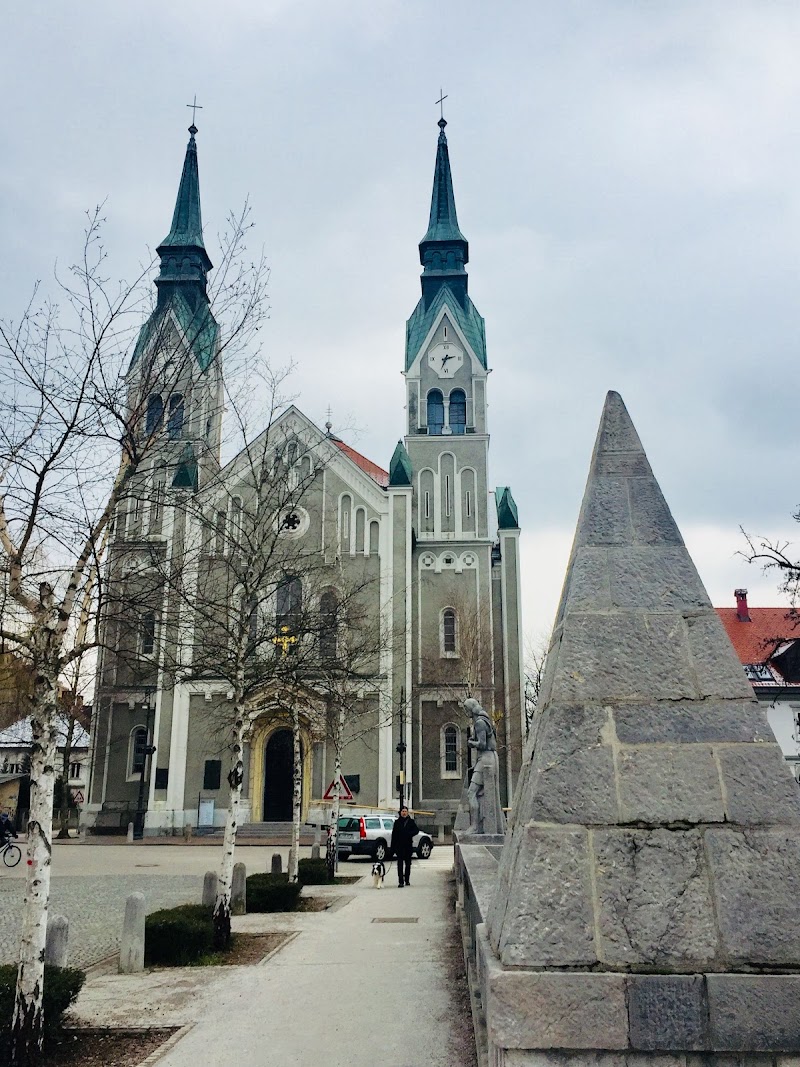
- Birch trees planted on the bridge
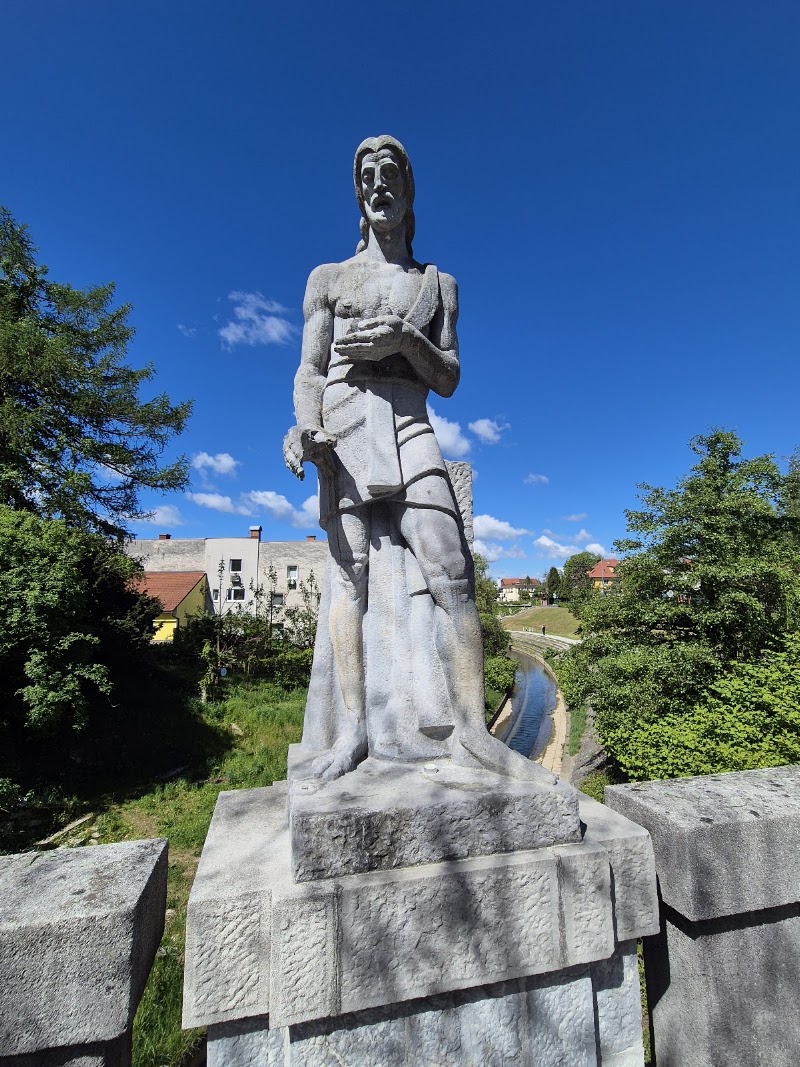
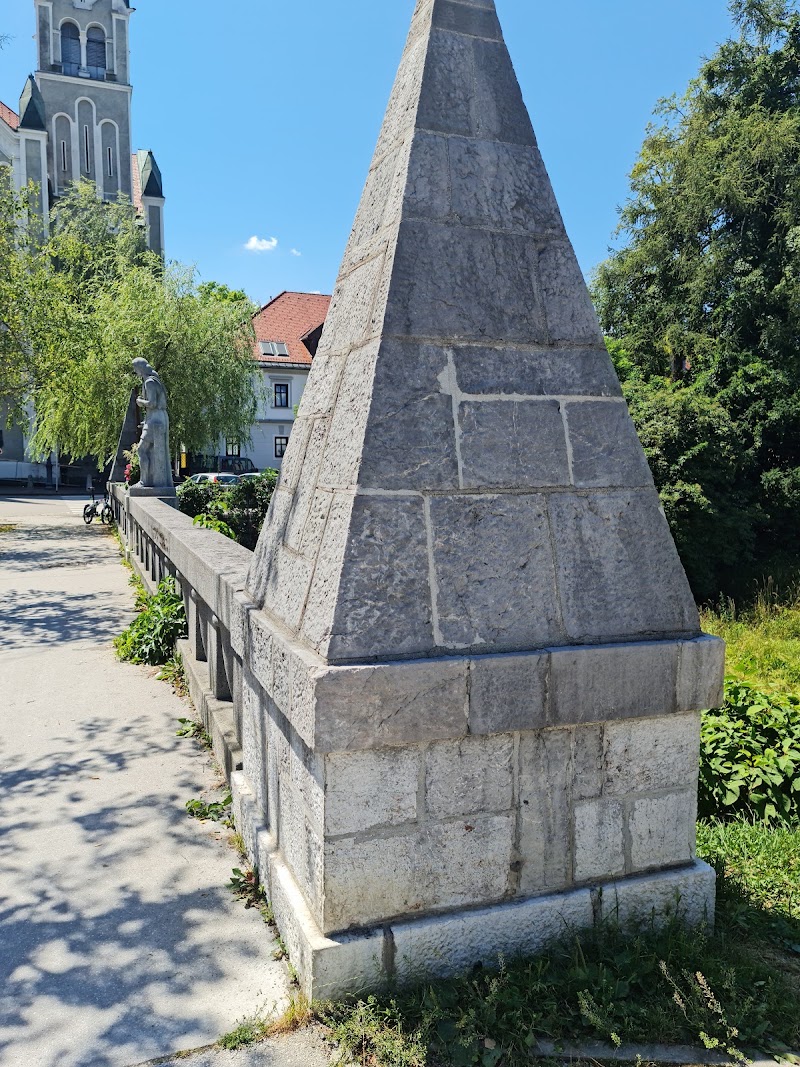
- Columns, sculptures and flower pots
- View towards Trnovo Church
- Setting beside the Gradaščica River
Worth knowing
- Shared by vehicles and pedestrians
- Best treated as part of a wider walk
- About a 20-minute walk from the city
Don't miss
What comes up most in public reviews
- View of Trnovo Church
- Walk along the Gradaščica River
- Combine the stop with the Roman Wall
- Inspect the bridge’s birch trees and sculptures
Worth the trip?
Why it stands out
Plečnik’s Trnovo Bridge is an everyday river crossing treated as a piece of urban architecture. Public reviews repeatedly frame it as part of architect Jože Plečnik’s wider reshaping of Ljubljana during the first half of the 20th century. Rather than functioning only as transport infrastructure, the bridge was conceived as an extension of the square outside Trnovo Church.
That unusual purpose explains much of its appeal. The broad concrete-and-stone structure carries pedestrians and vehicles across the Gradaščica River, but its columns, sculptures, flower pots and planted birch trees make it feel closer to a small public garden. Reviewers particularly notice how these details soften the crossing and give it a more ceremonial role as an approach to the church.
With a Google rating of 4.7 from 227 reviews, it is well regarded by visitors, although the comments suggest that appreciation depends on looking beyond the bridge’s practical function. Its interest lies in Plečnik’s approach to public space, not in grand scale or dramatic river views.
What the visit is like
The bridge is in Ljubljana’s Trnovo district, away from the busiest central sights but still reachable on foot. One reviewer estimates the walk from the city at about 20 minutes. Others describe the surrounding part of town as rewarding for a stroll, particularly when the bridge is combined with nearby architecture and historic sites.
The view towards Trnovo Church is one of the recurring positives. The bridge effectively forms a gateway to the church, so the relationship between crossing, square and facade is more important than any single decorative element. Visitors interested in Plečnik should pause to take in the complete composition rather than simply walking across.
The Gradaščica itself is small, and a review recommends continuing along the water. This makes the bridge best approached as part of a neighbourhood walk rather than as a substantial standalone attraction. It is an easy, low-key stop with enough visual detail to reward a closer look.
How to fit it into Ljubljana
Public feedback commonly recommends seeing the bridge while exploring other sites in and around Trnovo. The Roman Wall is specifically mentioned as a nearby place to combine with the visit. A route linking the wall, the river and the bridge gives the outing more substance and places Plečnik’s work within a broader urban setting.
The crossing remains in practical use by both pedestrians and vehicles, so it does not have the feel of a closed monument. That active role is part of the design’s significance, but visitors should expect a functioning street rather than a purely pedestrian viewpoint.
Overall, Plečnik’s Trnovo Bridge suits architecture enthusiasts, walkers and travellers already exploring beyond central Ljubljana. The planted birches and sculptural details are memorable, but the strongest reason to visit is the way Plečnik turned a modest crossing into an extension of a church square. It is worth the detour when paired with Trnovo Church, the Gradaščica and the Roman Wall.
Ask anything
Looking for somewhere else?
Keep exploring around Ljubljana
More from Slovenia
Slovenia · Miren
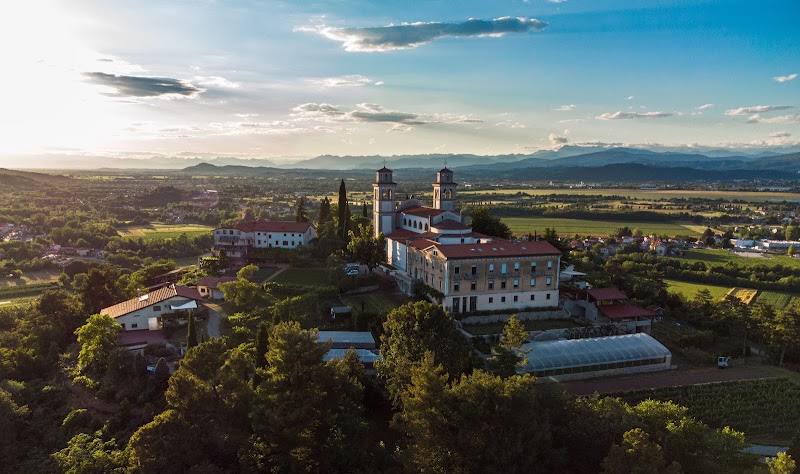
Miren Castle: A Peaceful Church and Valley Viewpoint
Public reviews frame Miren Castle as a tranquil church site valued more for its natural setting and broad views than for castle architecture.
Slovenia · Velike Lašče
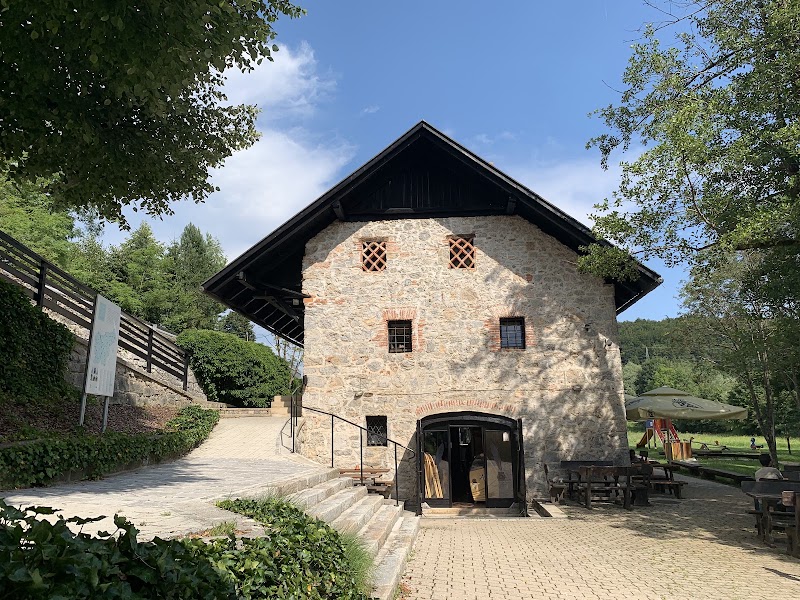
Trubar: Slovenian history beside a working mill
This small museum and riverside homestead combines the story of Primož Trubar with shaded grounds, a cafe-bar and an educational trail.
Slovenia · Šmarješke Toplice
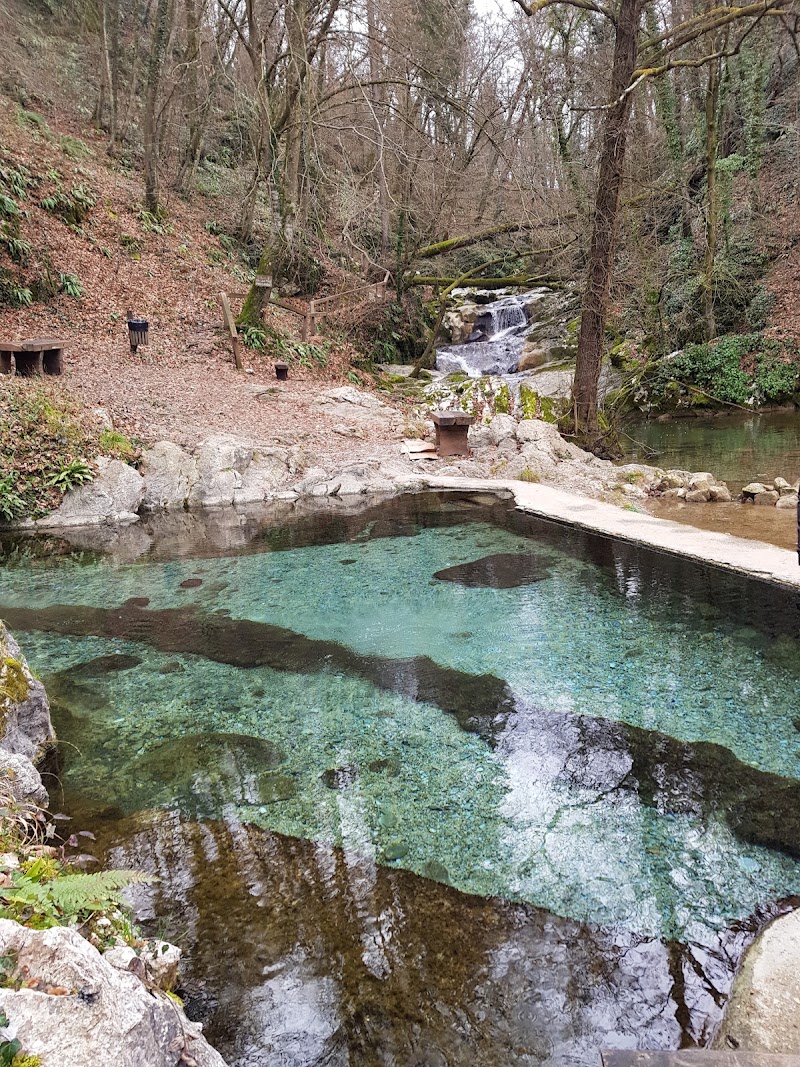
Klevevž Castle: nature and bathing, not castle ruins
Public reviews favor Klevevž for its scenery and natural bathing pool, while warning that little remains of the castle itself.
Slovenia · Ptuj
Regional Museum Ptuj Ormož: collections with a castle view
Ptuj Castle pairs wide town views with historic furniture, musical instruments, armour and distinctive Slovenian carnival displays.