Place de la Concorde: Paris on a Grand Scale
A monumental Paris square where the Luxor Obelisk, ornate fountains and sweeping views connect the Tuileries Garden with the Champs-Élysées.
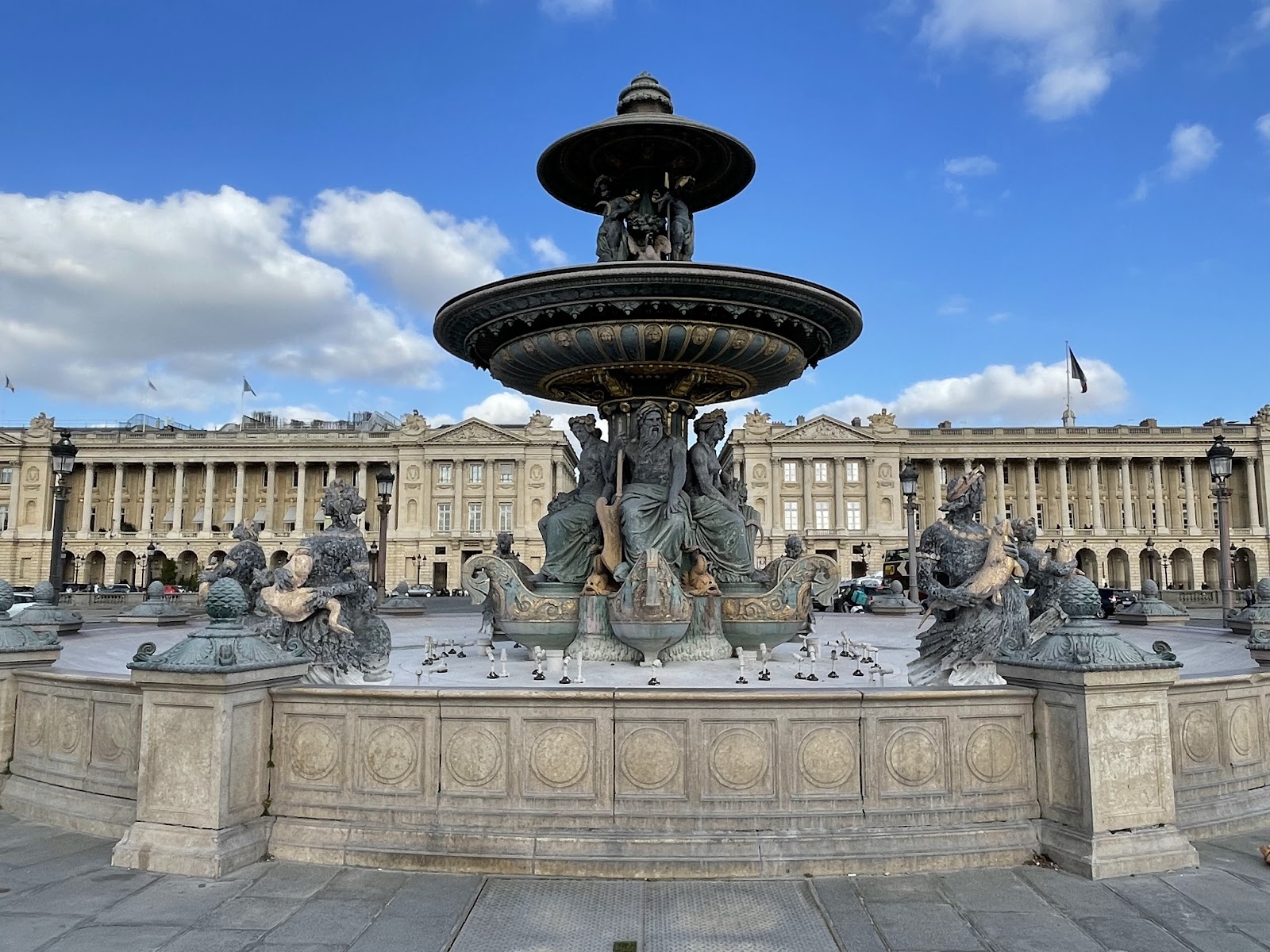
More photos
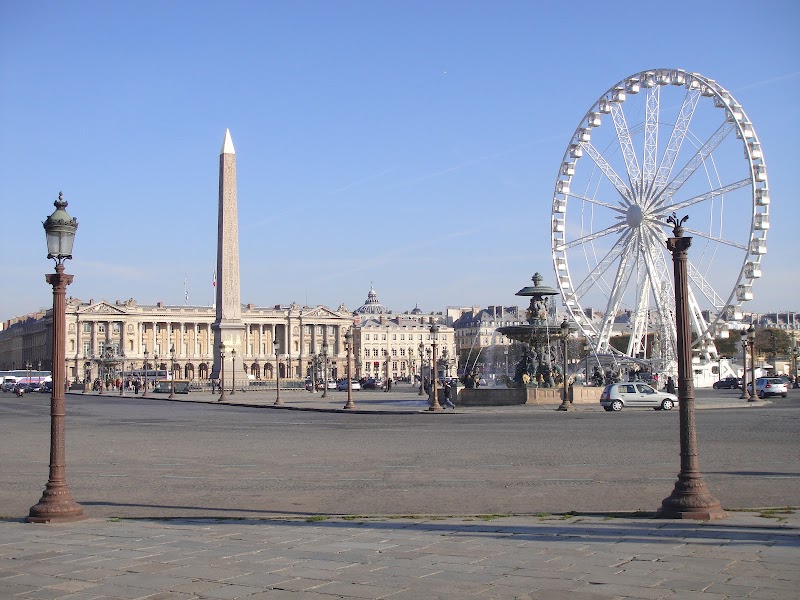

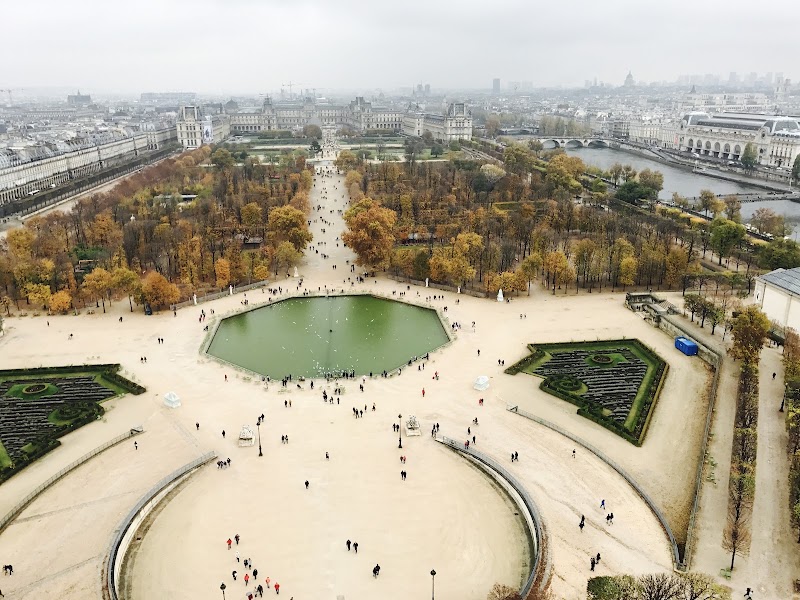
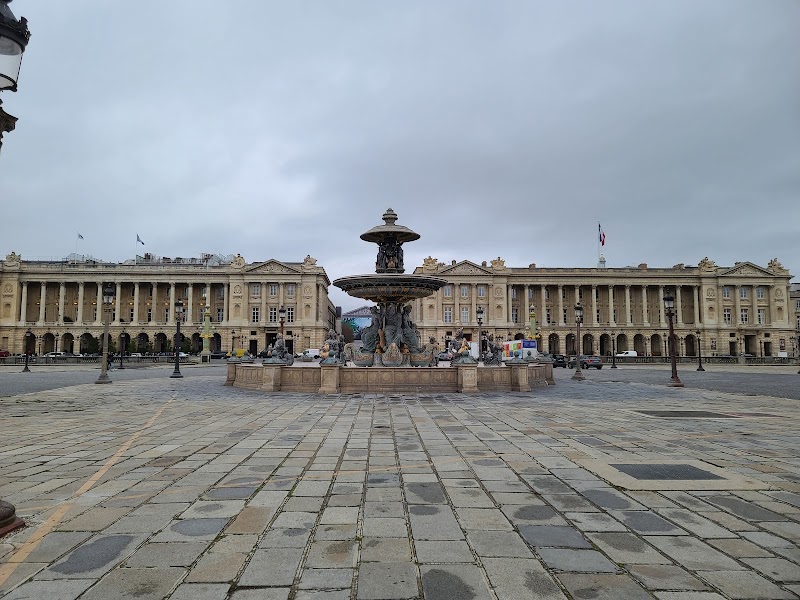


Photos published by travelers on Google, not AI generated.
What stands out
- Luxor Obelisk at the square’s center
- Two monumental fountains
- Sweeping views across central Paris
- Link between the Tuileries and Champs-Élysées
- Grand architecture and historic atmosphere
Don't miss
What comes up most in public reviews
- See the Luxor Obelisk
- View the monumental fountains
- Walk toward the Tuileries Garden
- Look along the Champs-Élysées
- Take in views toward the Seine and Eiffel Tower
Worth the trip?
The public verdict
Place de la Concorde holds a Google rating of 4.6 from 70837 reviews, a striking level of approval for a landmark encountered almost entirely outdoors. Across those public reviews, the square is frequently described as beautiful, impressive, spacious and historically significant. No single activity explains the enthusiasm. The draw is the setting itself: monumental design, commanding sightlines and a central position on a classic Paris walk.
Its scale hits first. Broad open space, surrounding architecture, fountains and the central obelisk make the square feel ceremonial rather than intimate. Reviewers recommend it for history, architecture and photography. Many also treat it simply as an essential pause between neighboring sights.
What stands out
The Luxor Obelisk commands the square. Reviews repeatedly single it out as the feature that gives Place de la Concorde its unmistakable character. The two monumental fountains receive plenty of notice as well, adding detail and movement to the wide paved setting.
The history is hard to separate from the atmosphere. Public reviews often refer to the square’s importance in French history, especially its role during the French Revolution. Against the formal architecture and vast dimensions, those associations bring a gravity that goes beyond its everyday use as a public plaza.
Then come the views. Reviewers point to the Champs-Élysées, Tuileries Garden, Seine and Eiffel Tower, with the Louvre farther along the route beyond the gardens. Few Paris landmarks reveal so quickly, or so clearly, how the city’s major avenues, gardens, monuments and river fit together.
How it fits into a visit
Reviews consistently suggest seeing the square as part of a longer walk, not treating it as an isolated destination. It stands between the Champs-Élysées and the Tuileries Garden, in the direction of the Louvre. On that route, Place de la Concorde becomes a dramatic transition from a formal avenue to one of central Paris’s best-known gardens.
The open layout works well for photography, making it straightforward to frame the obelisk against the surrounding cityscape. Visitors interested in architecture can study the relationship between the fountains, central monument and enclosing buildings. For travellers focused on history, even a short stop gains weight with some knowledge of the site’s revolutionary past.
Editorial assessment
The rating and repeated themes across public reviews show Place de la Concorde operating in two ways: as a major landmark and as a connecting point in central Paris. The obelisk and fountains provide the immediate focus. The larger reward is spatial, in the long views, monumental proportions and direct links to several famous parts of the city.
It is especially well suited to first-time visitors, combining architecture, history and recognizable Paris scenery in one compact stop. Reviews rarely frame it as an attraction requiring a long standalone visit. Its impact is strongest during a walk through the historic center, with enough time to take in the obelisk, fountains and views before continuing toward the gardens, Louvre or Champs-Élysées.
Ask anything
Looking for somewhere else?
Keep exploring around Paris
More from France

France · Château-Thierry
Château-Thierry American Monument: History and Wide Views
A well-kept Great War memorial where a strong visitor centre, imposing architecture and expansive views reward the journey.

France · Saint-Savin
Abbey of Saint-Savin: Frescoes Worth Looking Up For
Impressive architecture and vivid church murals make this medieval abbey rewarding, though some exhibition spaces receive mixed reviews.
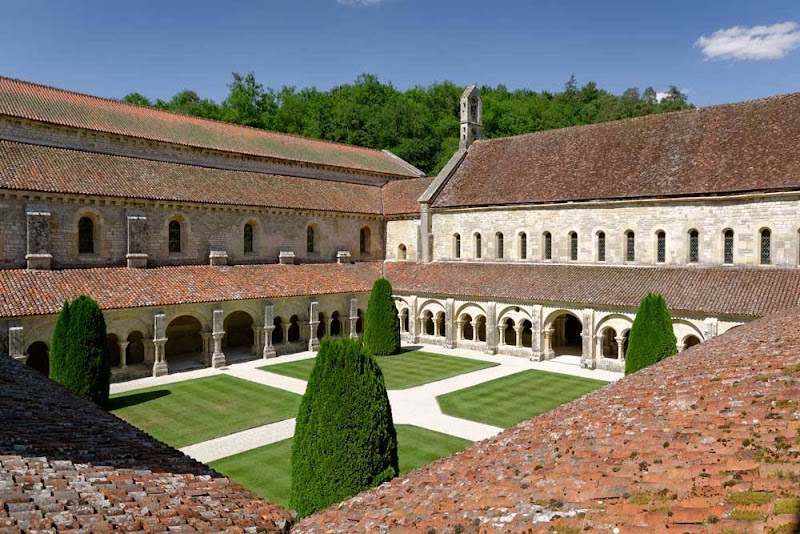
France · Montbard
Fontenay Abbey: Restrained Beauty and Monastic History
Serene gardens, austere interiors and a memorable forge make this restored abbey near Montbard a rewarding half-day visit.
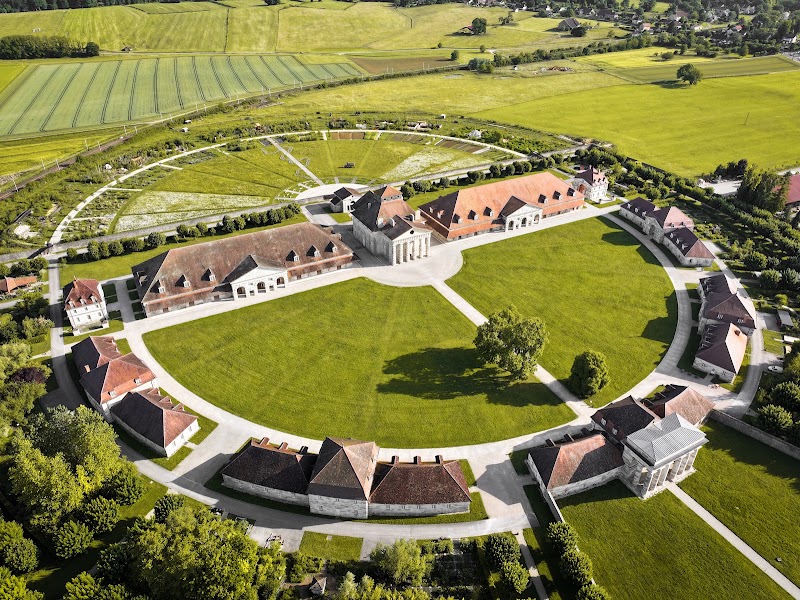
France · Arc-et-Senans
Saline Royale d'Arc-et-Senans: architecture and industry
Ledoux’s monumental saltworks combines industrial history, architectural theory, interactive interpretation and extensive gardens.