Pigeon Towers: Katara’s Distinctive Bird Shelters
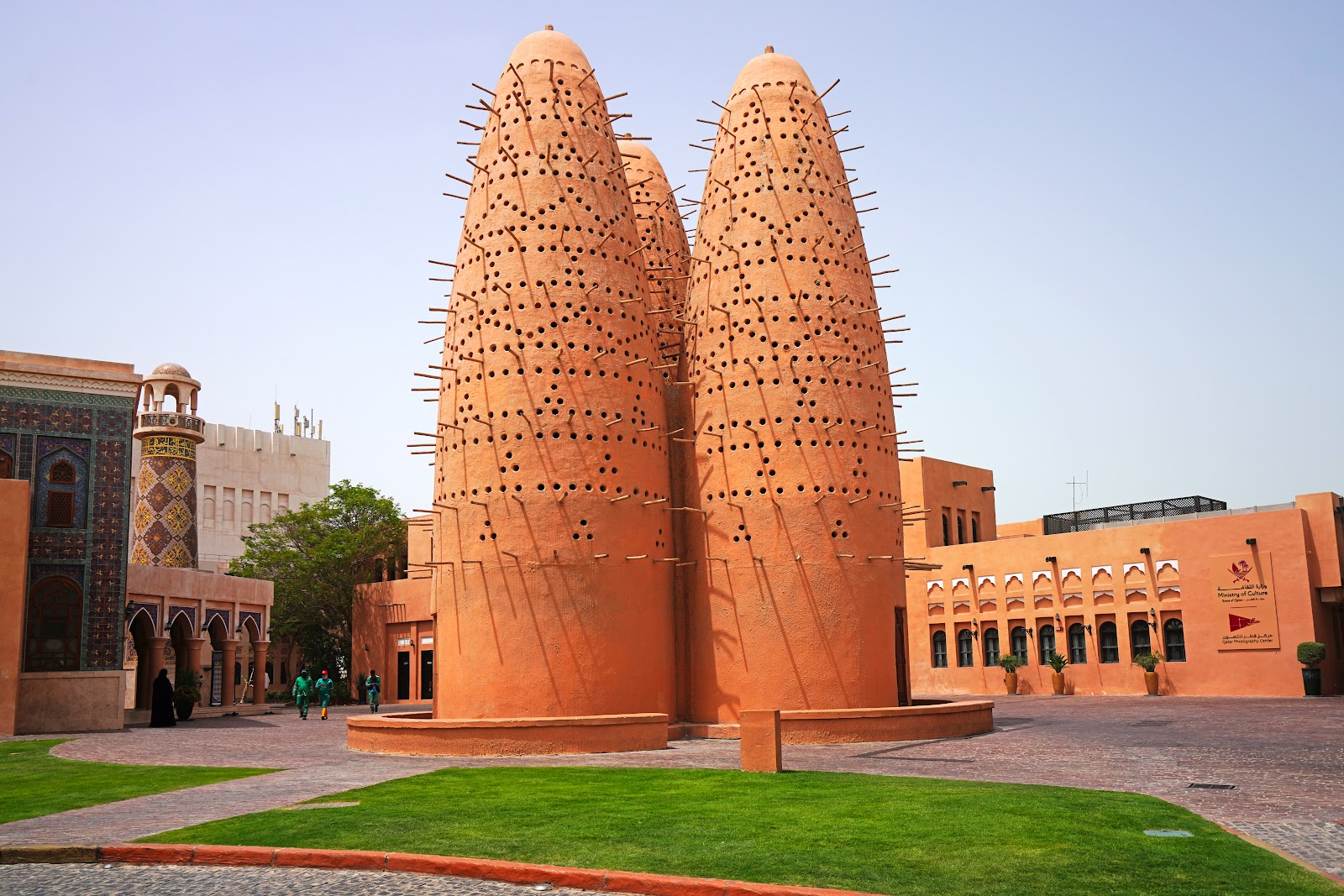
These mud-coloured towers pair traditional regional design with one of Katara Cultural Village’s most photographed silhouettes.
More photos

Photos published by travelers on Google, not AI generated.
What stands out
- Twin mud-coloured cylindrical towers
- Traditional pigeon-shelter design
- Numerous nesting holes and wooden perches
- Popular photography stop
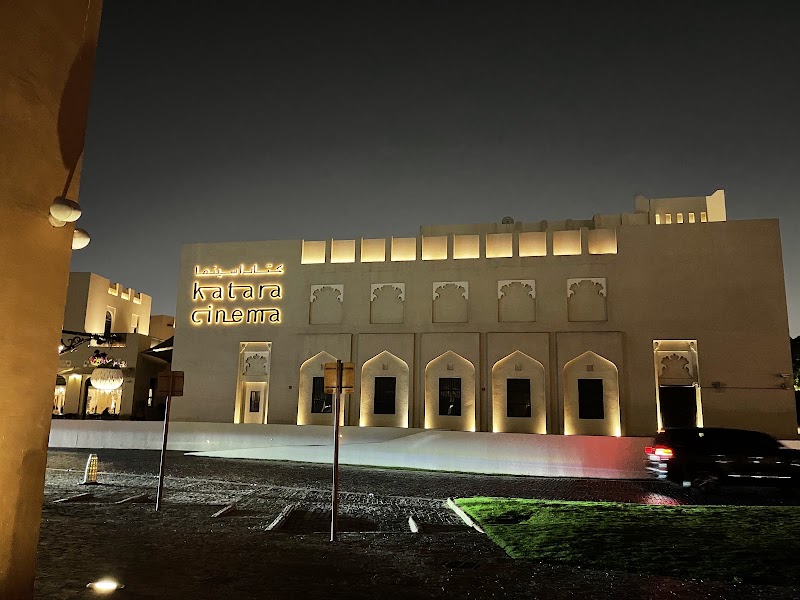
- Night-time illumination
Don't miss
What comes up most in public reviews
- Photograph the twin cylindrical towers
- Look closely at the holes and wooden perches
- Learn about their agricultural fertiliser purpose
Worth the trip?
A recognisable Katara landmark
Pigeon Towers stands among the most distinctive architectural sights in Katara Cultural Village. Public feedback gives the attraction a Google rating of 4.6 from 333 reviews, with visitors repeatedly praising its unusual form, cultural context and value as a photography stop.
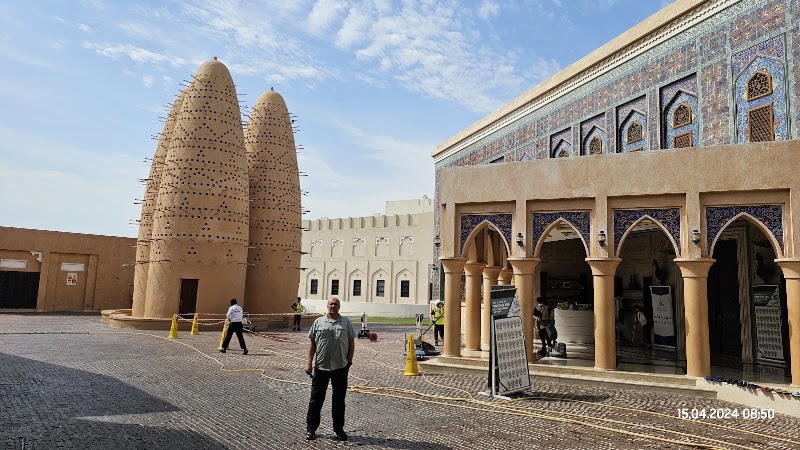
The installation consists of two tall, cylindrical structures finished in earthy, mud-like tones. Their surfaces are punctured by numerous small openings, while pointed wooden sticks provide places for pigeons to perch. Several reviewers describe the towers as one of the first prominent sights seen when approaching Katara, giving them a strong visual presence despite their straightforward original purpose.
This is not an attraction built around a long itinerary. Its appeal rests in close observation, photographs and an understanding of how practical regional architecture could also create a memorable landmark.
Architecture with an agricultural purpose
The design refers to pigeon shelters once found across parts of the Middle East. Such structures gave birds a place to roost while allowing communities to collect their droppings for use as agricultural fertiliser. Reviews often highlight this background because it changes how the towers are perceived: what initially looks decorative is rooted in a functional building tradition.
Travellers particularly notice the contrast between the towers’ simple clay-like forms and their highly textured surfaces. The many holes create a repeated geometric pattern, broken up by projecting wooden perches and the movement of birds. That combination makes the structures interesting from several angles and helps explain why so many visitors pause for photographs.
The towers are a modern interpretation rather than surviving historic agricultural buildings. Even so, reviewers commonly regard them as an accessible introduction to a traditional regional design and its connection with farming.
Setting and atmosphere
Location adds considerably to the experience. The towers sit within Katara Cultural Village, near Katara Mosque, so they can be viewed as part of a broader look at the area’s architecture. Reviews describe the surroundings as pleasant and suitable for lingering briefly rather than rushing away after a single photograph.
Daylight makes the earthy colour, openings and wooden elements easy to study. After dark, lighting gives the towers a warmer and more atmospheric appearance. Night-time viewing receives specific praise from visitors who enjoy the glow against the cylindrical walls, although the intricate construction details may be clearest earlier in the day.
Who should stop here
Pigeon Towers is best suited to architecture enthusiasts, photographers and visitors already exploring Katara. Families may also find the bird-focused purpose easy to explain, while travellers interested in regional design can connect the form with its original agricultural function.
It works best as a short stop within a Katara itinerary rather than a standalone half-day attraction. The consistently positive public response suggests that its strength lies in being visually immediate, culturally informative and easy to combine with nearby sights. Visitors expecting a large conventional attraction may find the experience brief, but those who appreciate distinctive architecture should find plenty to examine.
Ask anything
Looking for somewhere else?
Keep exploring around Doha
More from Qatar
Qatar · Doha
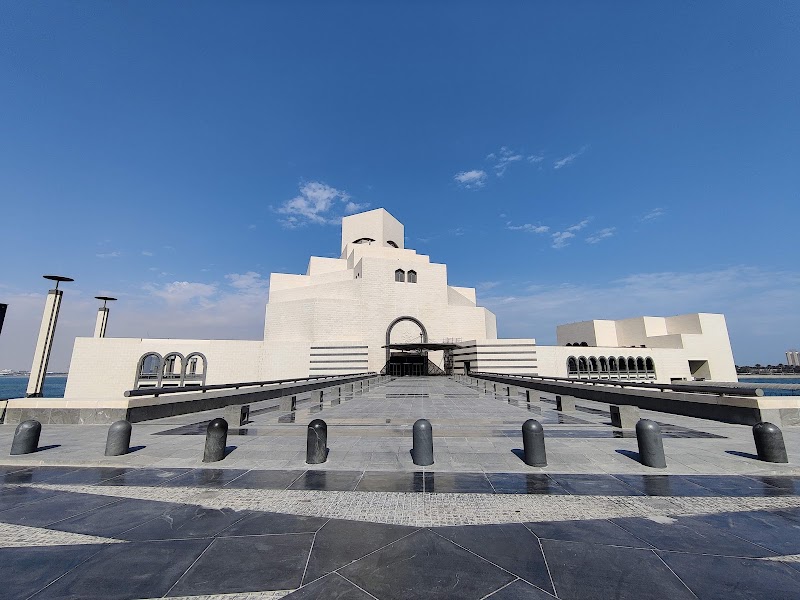
MIA Park: Waterfront Lawns and Skyline Views in Doha
Beside the Museum of Islamic Art, this spacious waterfront park combines lawns, play areas and paths with broad views across Doha.
Qatar · Doha
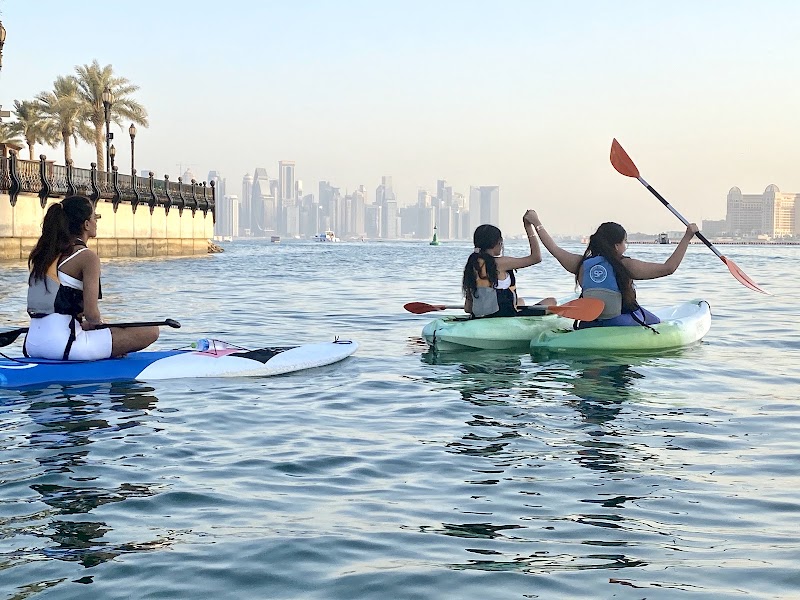
Blue Pearl Experience: SUP and kayaking in Doha
Beginner-friendly instruction and Pearl views make this Doha watersports operator a strong choice for relaxed group paddling.

Qatar · Al Khawr
Mangrove kayaking and outdoor learning at Purple Island
Calm-water paddling, mangrove scenery and group activities make this Al Khawr eco camp a well-reviewed escape from the city.
Qatar · الخور،
Al Khor Historical Towers: A Quiet Heritage Stop
Al Khor Historical Towers pairs preserved defensive architecture with old-town views and a notably calm atmosphere away from Qatar’s busier sights.