Phnom Kulen National Park: Waterfalls and Sacred History
Traveller reviews praise Phnom Kulen for its waterfalls, forest scenery and sacred sites linked to the origins of the Khmer Empire.
More photos



Photos published by travelers on Google, not AI generated.
What stands out
- Thousand Lingas riverbed carvings
- Reclining Buddha at Wat Preah Ang Thom
- Waterfalls and lush scenery
- Sacred Hindu and Buddhist landscape
- Cliffs, streams and picnic areas
Worth knowing
- Rain can muddy the river and strengthen currents
- The main sights reward a longer visit
- Visible poverty may be confronting
Don't miss
What comes up most in public reviews
- See the Thousand Lingas beneath the river
- Visit Wat Preah Ang Thom
- View the reclining Buddha
- Spend time at the waterfalls
- Pause for a picnic near the streams
Worth the trip?
Why travellers go
Phnom Kulen National Park brings natural scenery together with sites of deep religious and historical significance. Its Google rating is 4.4 from 1325 reviews, and the public feedback sampled suggests that most visitors see the park as far more than a waterfall trip. Forest, flowing water, ancient carvings and active spiritual sites all shape the experience.
Several reviewers describe the mountain as central to Cambodian identity and the early Khmer period. Hindu and Buddhist traditions meet across the landscape. One account also mentions the area’s more recent links with warfare and the Khmer Rouge. There is a lot to take in, and visitors may need some background reading or a knowledgeable guide to understand it properly.
The main sights
The riverbed carvings called the Thousand Lingas are the cultural feature that stands out most clearly in reviews. Cut into stone beneath the water, they lend the river its sacred character and tie the surrounding landscape to Hindu beliefs. Reviewers repeatedly connect this river with the spiritual and historical foundations of the Khmer Empire.
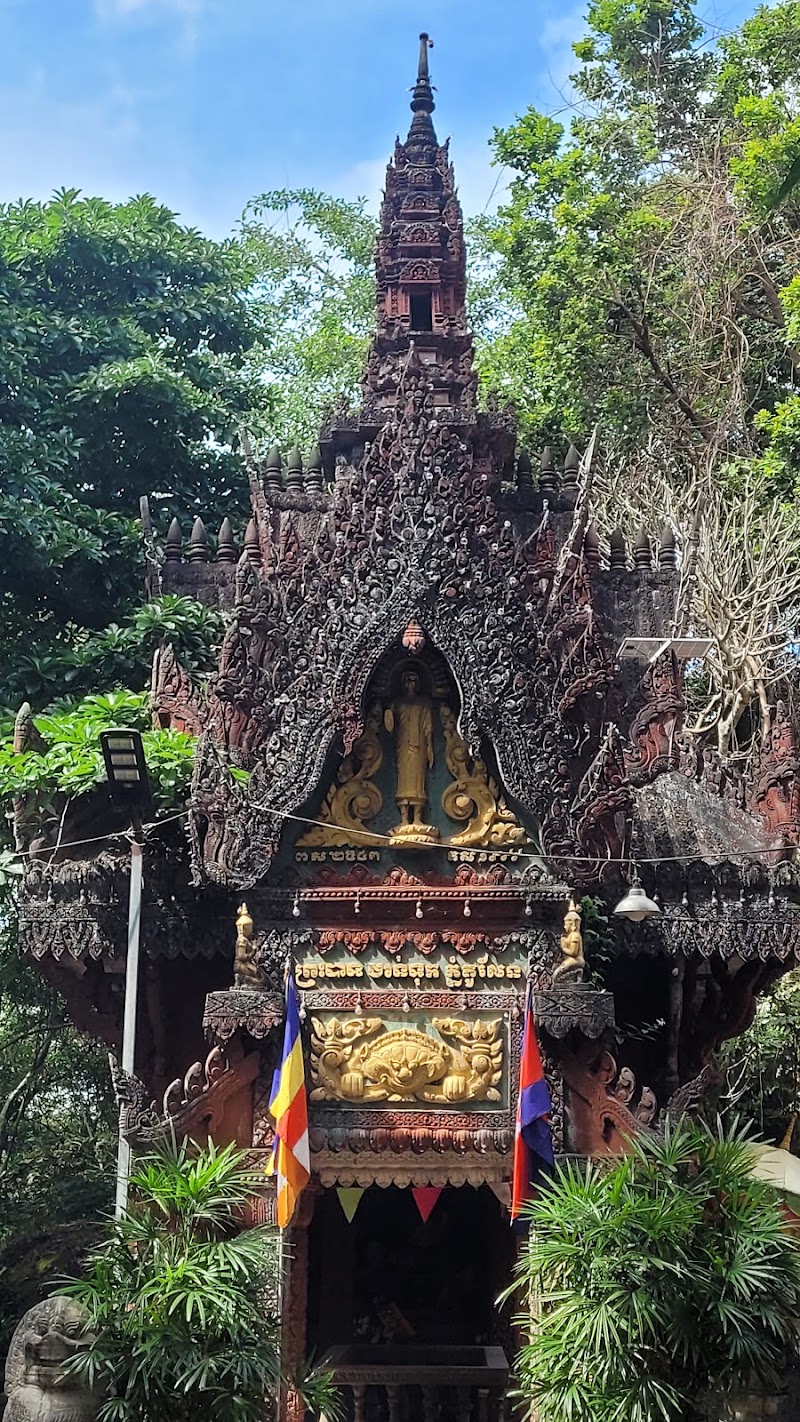
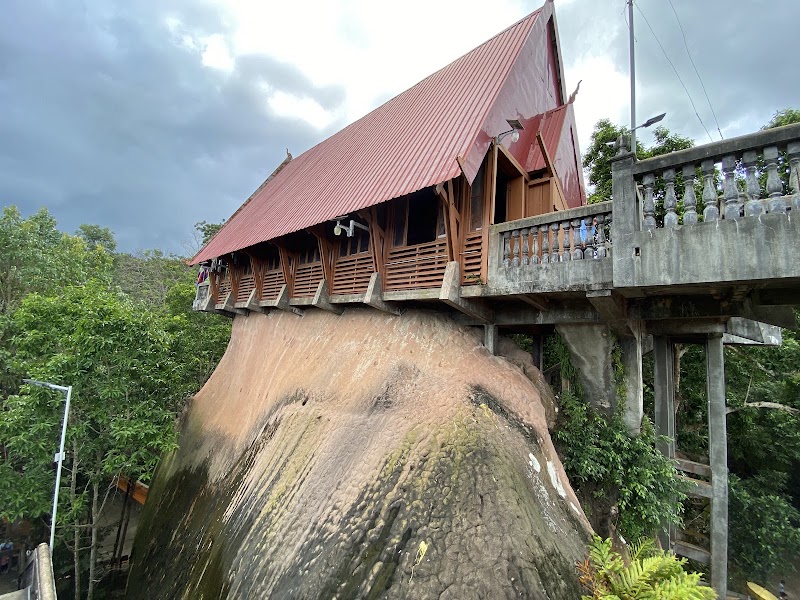
Wat Preah Ang Thom brings a Buddhist dimension through its large reclining Buddha. One reviewer describes the Buddha as eight metres long and located at a hilltop temple. It remains a place of worship as well as a cultural stop, so respectful clothing and conduct are appropriate around the temple and other sacred areas.
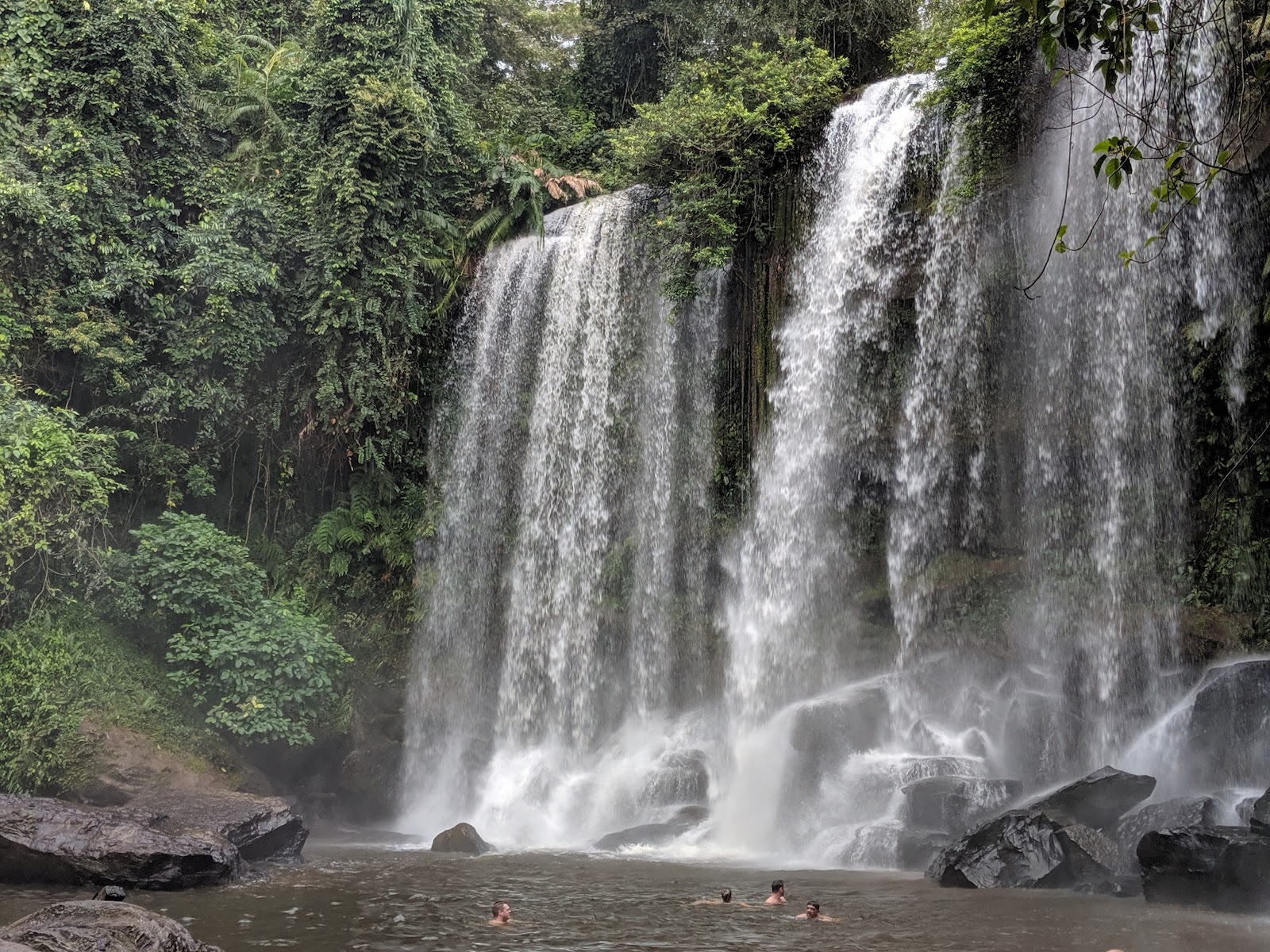
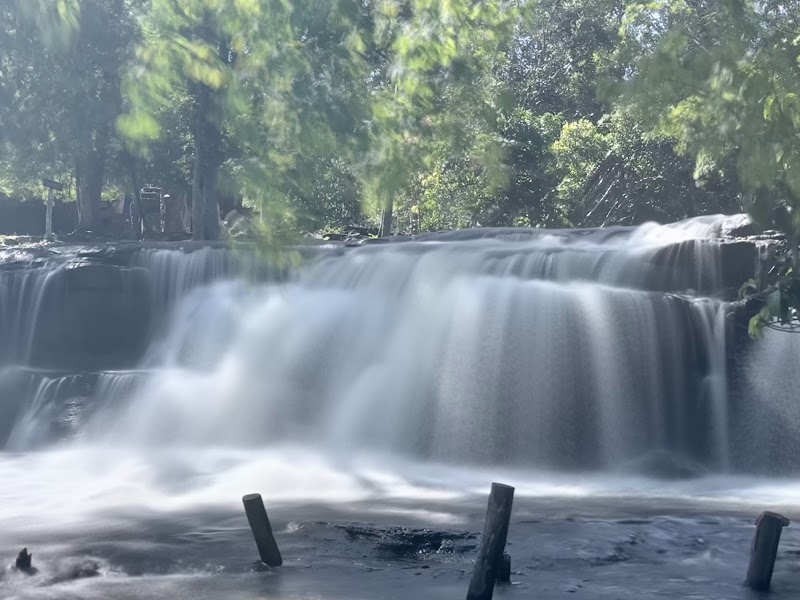
Then there are the waterfalls, another major reason people come. Public feedback mentions lush surroundings, cliffs, streams and places to picnic. Food is reportedly available in the area, though some visitors bring their own. With sacred landmarks to visit and waterside places to stop, Phnom Kulen works better as a full, unhurried outing than a quick photo call.
What the experience is like
Peaceful, beautiful and spiritual are words that recur in reviews. Travellers who give the park more time appear to get more from its range of attractions, and one reviewer reports spending eight hours there. A full day leaves room for the river carvings, temple, reclining Buddha and waterfalls, with breaks in the surrounding landscape.
Weather matters. On a rainy day, the river can turn yellow and currents can become stronger, which may make the water less appealing and some areas less comfortable to explore. Extra care is sensible around waterfalls, streams and paths after rain.
Editorial verdict
Phnom Kulen stands out for travellers who want Cambodian history and living religious culture alongside nature. Across the reviews, the strongest moments appear to be seeing the Thousand Lingas in their river setting, visiting the reclining Buddha and spending time near the waterfalls.
This is not an easy fit for a tightly scheduled visit. The distance between sights and the possibility of changing weather favour a flexible full-day plan. Some feedback also points to visible poverty in local communities, bringing a sobering dimension to an excursion otherwise defined by scenery and cultural richness.
Ask anything
Looking for somewhere else?
Keep exploring around រាជធានីភ្នំពេញ
More from Cambodia
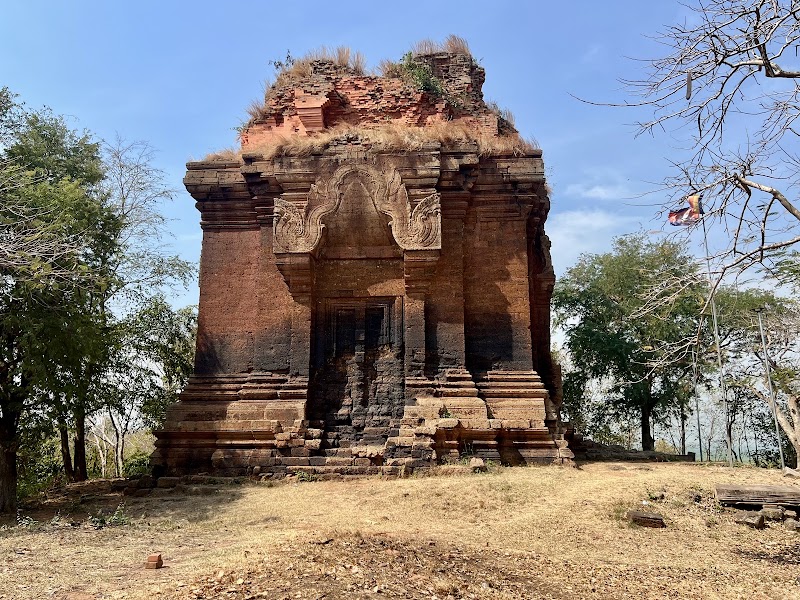
Cambodia · Angkor Borei
Phnom Da Temple: Hilltop History in Angkor Borei
An atmospheric hilltop temple where a short stair climb leads to ancient Khmer architecture, broad landscapes and a notably quiet setting.
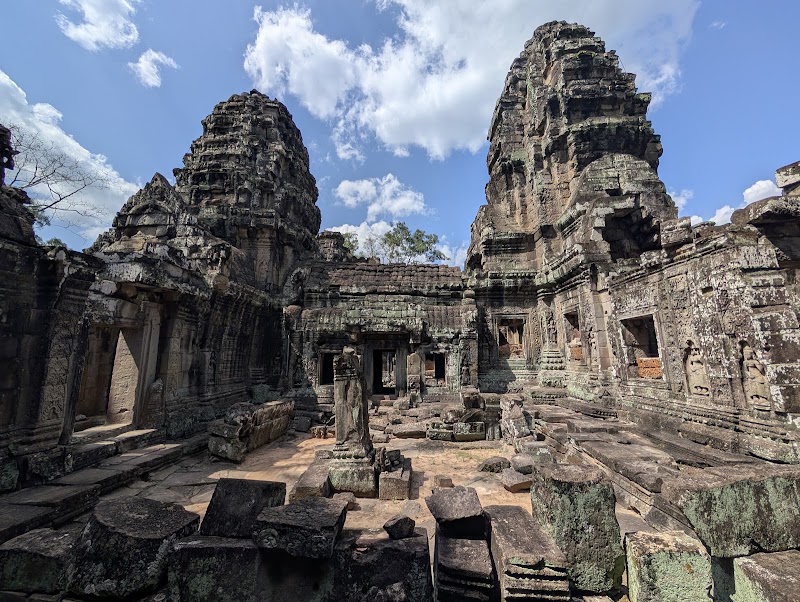
Cambodia · Krong Siem Reap
Banteay Kdei offers a calmer walk through Angkor’s ruins
Long corridors, apsara carvings and tree-framed stonework make this an appealing, easily accessed stop opposite Srah Srang.
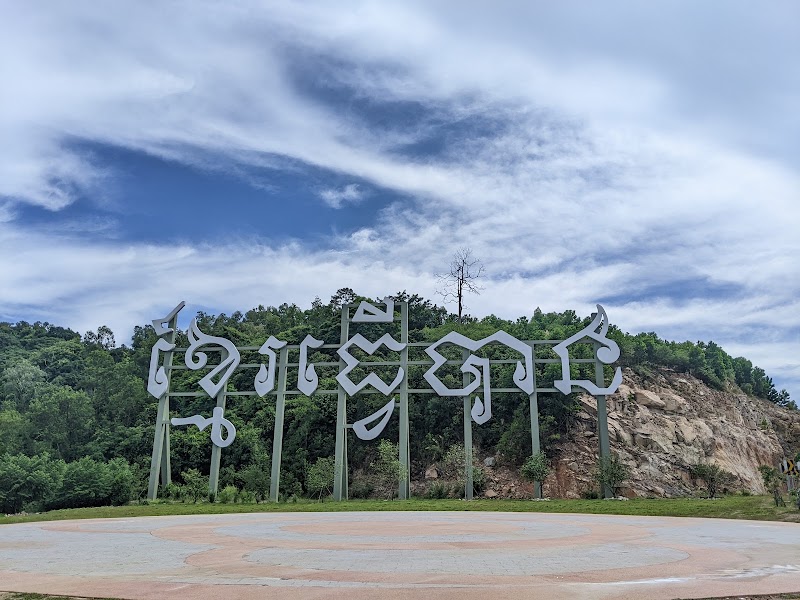
Cambodia
Cambodian Can Do It: A Scenic Sihanoukville Viewpoint
Public reviews highlight a photogenic hilltop panorama where the sea, mountains and Sihanoukville surroundings come together.
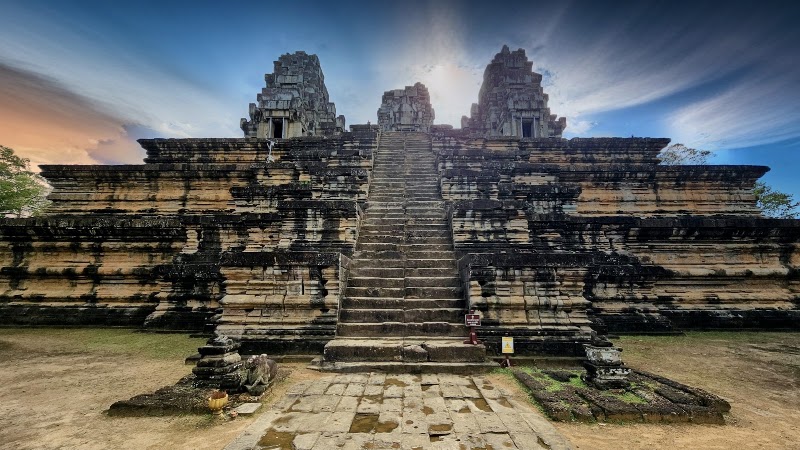
Cambodia · Krong Siem Reap
Ta Keo Temple: A Steep Sandstone Pyramid at Angkor
Ta Keo rewards a short stop with imposing tiered architecture, an unfinished character and broad views after a demanding climb.