Phnom Da Temple: Hilltop History in Angkor Borei
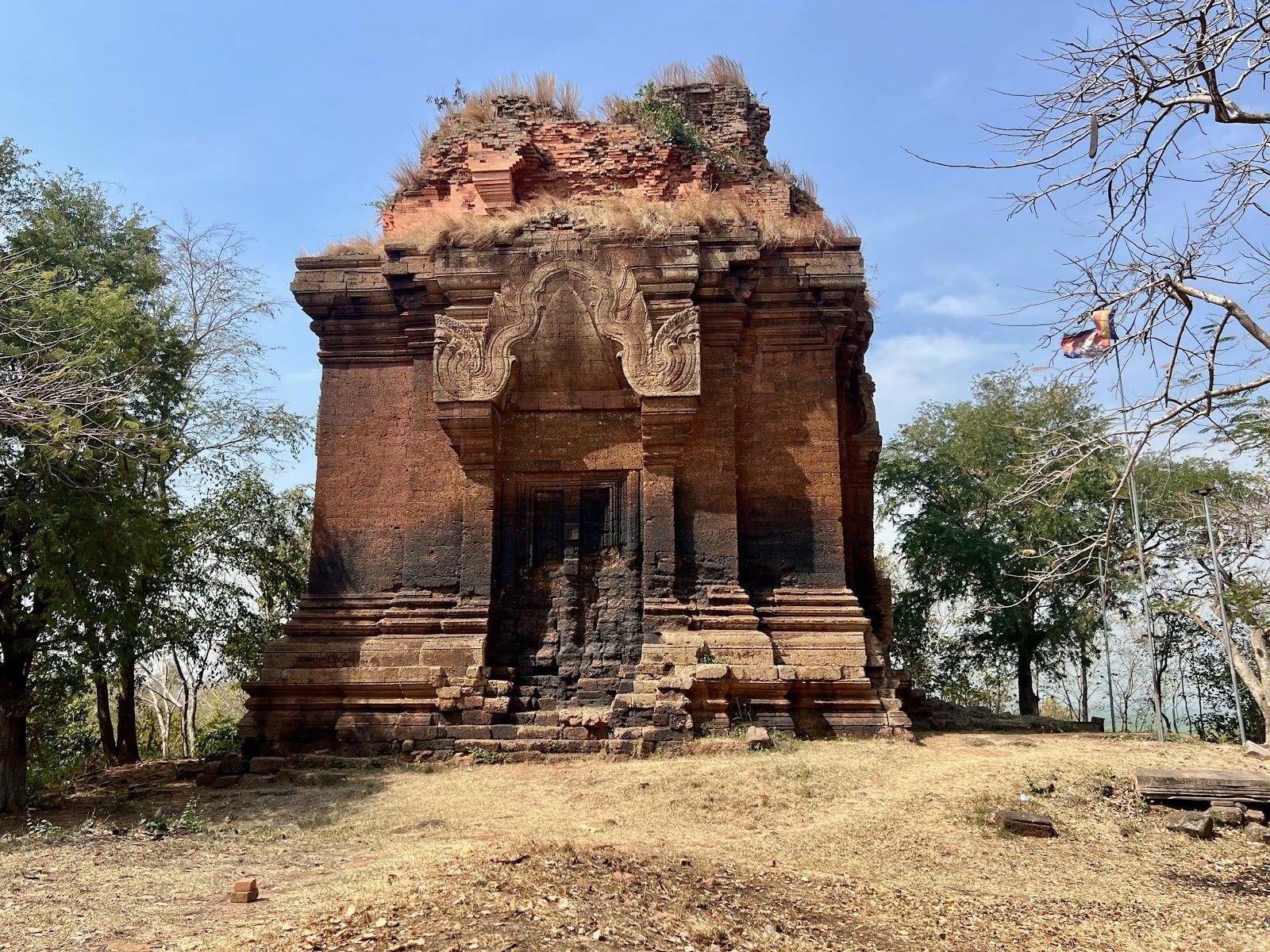
An atmospheric hilltop temple where a short stair climb leads to ancient Khmer architecture, broad landscapes and a notably quiet setting.
More photos
Photos published by travelers on Google, not AI generated.
What stands out
- Hilltop temple setting
- Roughly 100-step climb
- Ancient Khmer architecture
- Quiet atmosphere
- Rainy-season landscape
Worth knowing
- Limited tourist infrastructure
- Stair climb to reach the temple
Don't miss
What comes up most in public reviews
- Climb the steps to the hilltop
- Examine the temple architecture
- Take in the surrounding landscape
- Learn about the site’s early Khmer history
Worth the trip?
The verdict
Phnom Da Temple has a Google rating of 4.4 from 238 reviews. Public feedback regularly points to the same strengths: its historical importance, peaceful atmosphere and position on a hill. Travellers generally treat it as a rewarding stop, not a highly developed attraction. The draw is straightforward. There is old Khmer architecture, a manageable climb and wide views over the surrounding landscape.
Several reviewers place Phnom Da in the early history of Khmer civilization, linking the wider Angkor Borei area to the Funan period. That association adds weight to the visit, especially for travellers curious about Cambodia before the Angkor era. Cambodian reviewers also express a strong sense of cultural pride, recommending the temple as somewhere to learn about ancestral architecture.
The climb and setting
The temple sits by itself on a small hill. Reviews often refer to a staircase of roughly 100 steps. Most describe the climb as short and not especially strenuous, though it still amounts to some exercise in warm or humid conditions. For most visitors, it does not appear to be a serious obstacle.
The reward comes at the top. Reviewers repeatedly praise the landscape around the temple, and one singles out the rainy season as a particularly beautiful time for the scenery. A substantial stone structure on such a modest hill creates a distinctive setting, without the need for a long trek.
Then there is the quiet. Phnom Da seems to receive fewer visitors than Cambodia’s best-known temple complexes, and public reviews value the calm this brings. Photographers and video creators also find plenty to work with. The strongest compositions bring together the hill, the temple and the surrounding trees.
History over facilities
The architecture makes most sense as a surviving piece of Cambodia’s deep past, rather than part of a polished visitor experience. Reviewers describe it as an impressive historical structure and one of the more worthwhile temple stops in Takeo province. It is likely to hold the greatest interest for travellers drawn to archaeology, early Khmer history and standalone monuments.
Expectations need to be realistic. Limited tourist infrastructure is a clear theme across the reviews. Visitors should not expect the extensive interpretation, facilities or visitor services available at major archaeological parks. Instead, the feedback describes a simple visit centred on the climb, the temple and the landscape.
Who should go
Phnom Da is well suited to history-focused travellers, photographers and visitors already exploring Angkor Borei or Takeo province. It also works for those looking for a quieter place of worship and heritage, away from heavily visited sites. The brief climb fits comfortably into a half-day outing, with enough time left to pause at the summit and look closely at the architecture instead of treating the temple as a quick photo stop.
Travellers who need extensive facilities or a highly curated attraction may consider the experience sparse. Those comfortable with basic infrastructure are more likely to appreciate what public reviews consistently highlight: cultural significance, manageable stairs and open views. Together, they make Phnom Da a compelling regional visit.
Plan the rest of the trip
Ask anything
Looking for somewhere else?
Keep exploring around Angkor Borei
More from Cambodia
Cambodia · Krong Siem Reap
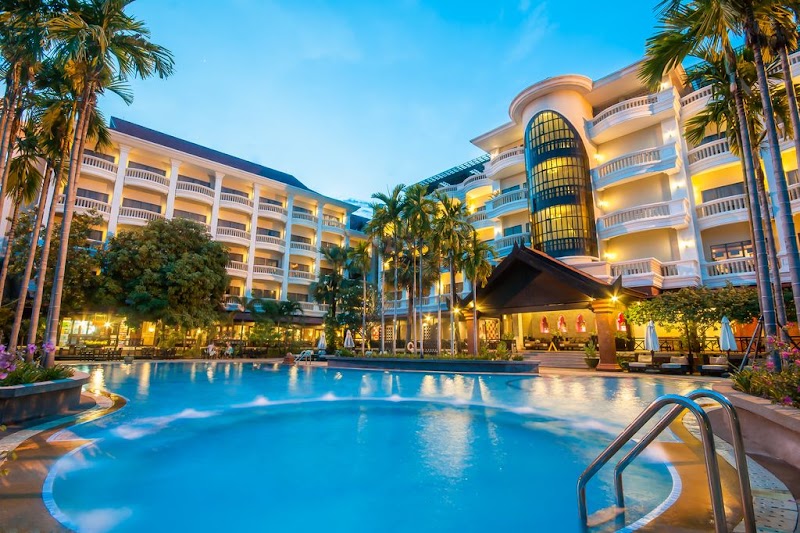
Borei Angkor Resort & Spa: A Welcoming Siem Reap Base
Public reviews praise Borei Angkor Resort & Spa for its attentive staff, comfortable rooms, generous breakfast and relaxing pool.
Cambodia · Krong Siem Reap
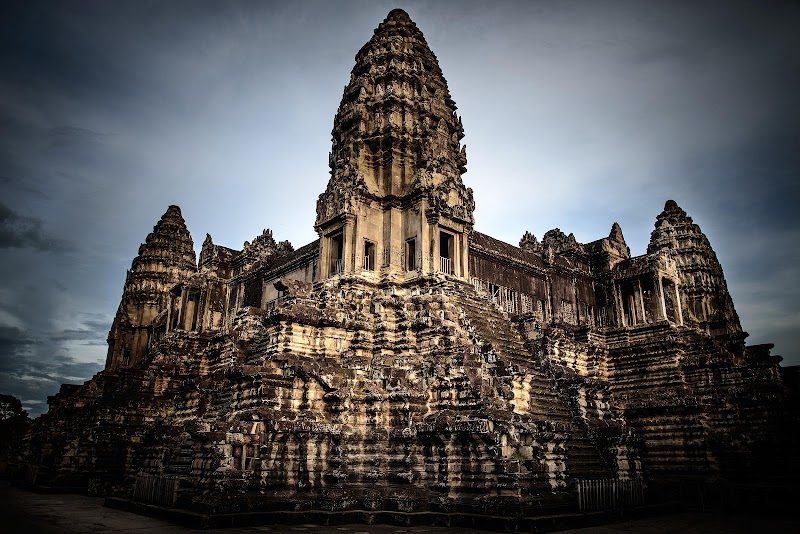
Jaya House River Park Hotel Review: Personal Service in Siem Reap
Public reviews give Jaya House River Park Hotel a 4.9 rating from 1,109 Google reviews, with warm service and a central location drawing the strongest praise.
Cambodia
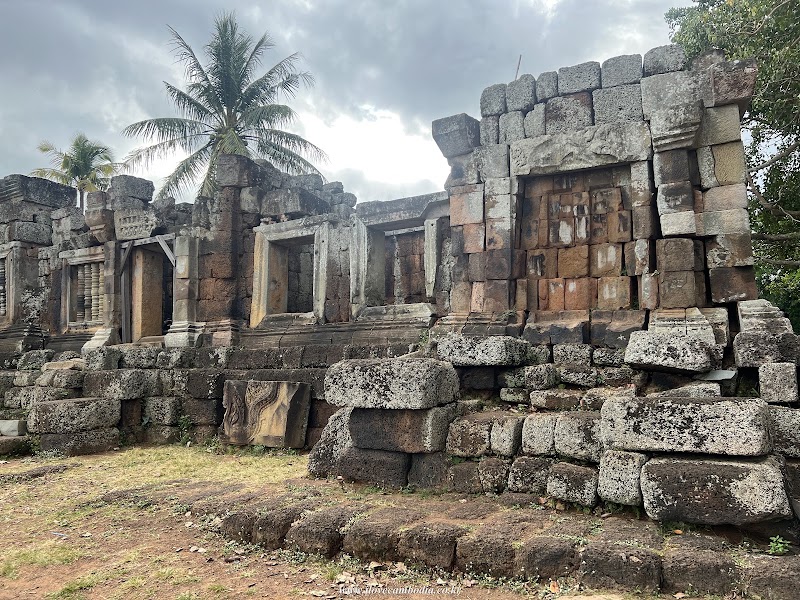
Chisor Mountain Temple: A Steep Climb to Wide Views
Chisor Mountain Temple makes a rewarding half-day outing from Phnom Penh, with ancient ruins, countryside views and a 412-step approach.
Cambodia · Koh Rong Archipelago, Near Sihanoukville
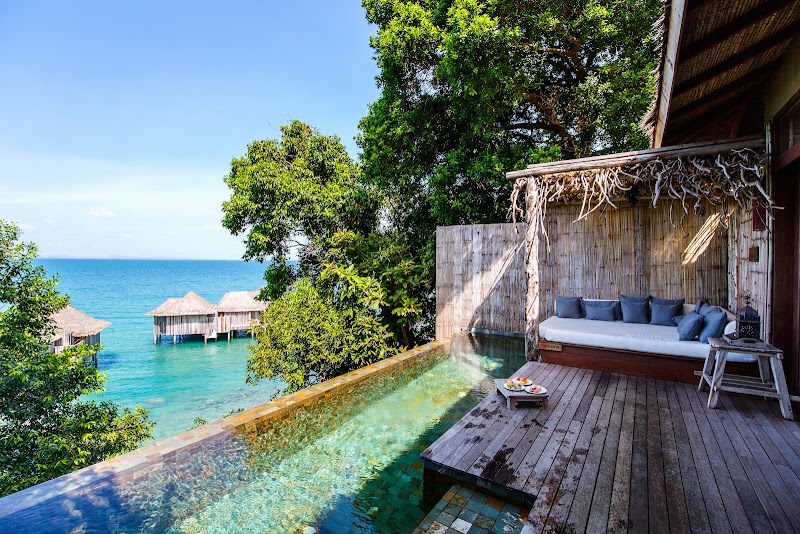
Song Saa Private Island: A High-Touch Island Retreat
Public reviews praise the villas, service, food and conservation work, while one critical account flags signs of age in parts of the resort.