Philae Temple: Island Setting and Monumental History
A short boat approach, atmospheric ruins and detailed reliefs make Philae Temple one of Aswan’s most memorable historical sites.
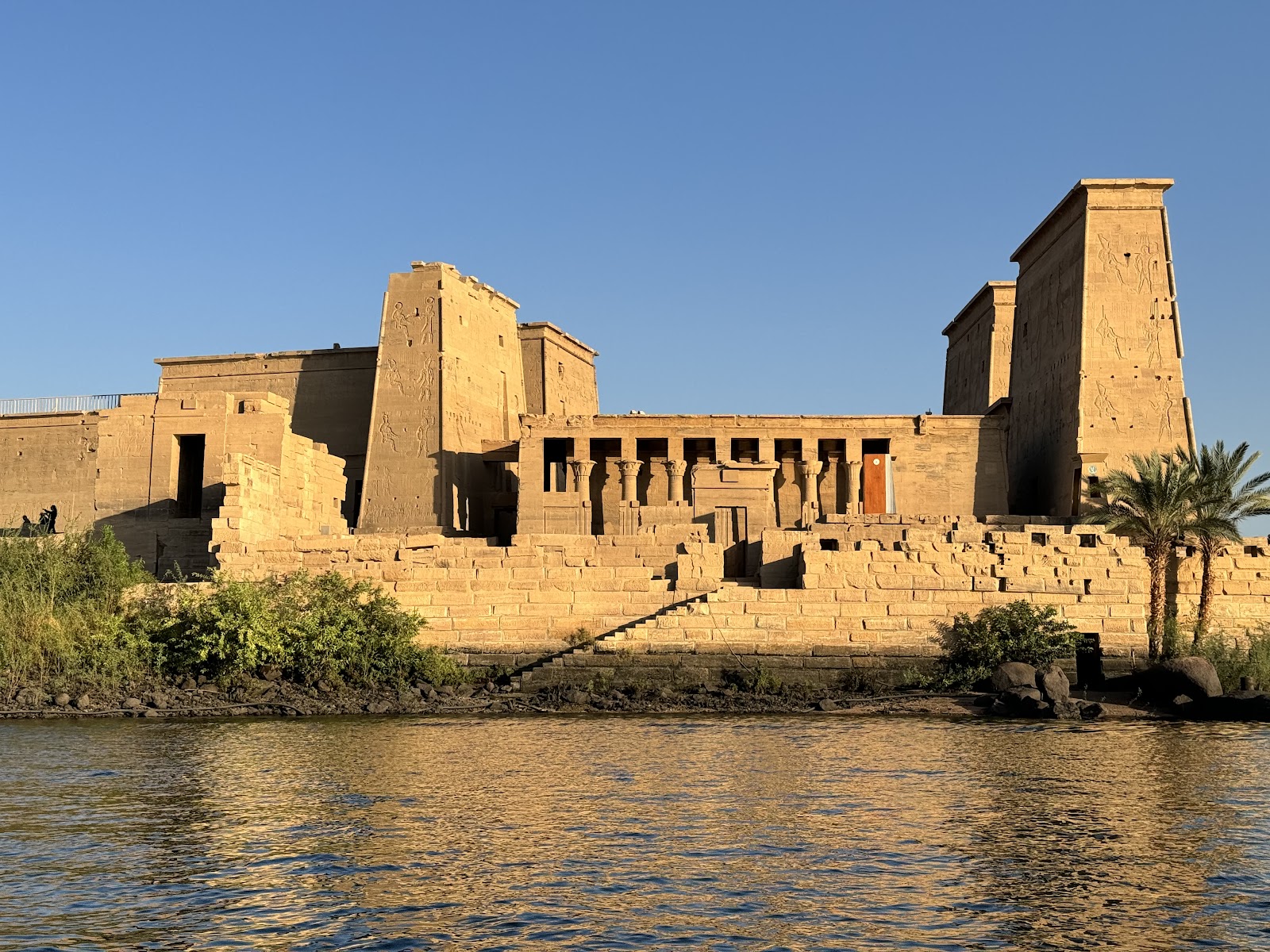
More photos
Photos published by travelers on Google, not AI generated.
What stands out
- Short boat approach to the island
- Atmospheric temple setting
- Detailed carvings and reliefs
- Story of the temple’s rescue
- Shaded cafe and rest area
Worth knowing
- Boat transfer costs extra and may require negotiation
- Dock congestion when tour buses arrive
- Strong heat with limited airflow
Don't miss
What comes up most in public reviews
- The boat view as the temple comes into sight
- Carvings and reliefs inside the complex
- The story of its rescue from rising water
- A shaded break at the island cafe
- The evening light show for nighttime views
Worth the trip?
The overall verdict
Philae Temple earns a 4.8 rating from 14760 Google reviews, and the public feedback repeatedly places it among travellers’ favourite temples in Egypt. Its appeal comes from more than the surviving architecture. The island setting, brief boat journey and gradual view of the complex create an arrival that feels distinct from road-accessed historical sites.
Reviewers regularly describe the temple as beautiful, peaceful and atmospheric. Many also value the chance to spend time exploring both the structures and the island rather than treating the visit as a quick photo stop. Detailed carvings and reliefs receive particular praise, while the story of the complex being saved from rising water caused by the dam adds another layer to the experience.
Arriving by boat
Every visit involves a boat transfer. Some reviewers describe the crossing as taking roughly three to five minutes, with calm views and an easy ride. Seeing the temple appear from the water is frequently cited as a defining part of the visit.
The transfer can also be the most frustrating stage. Public reviews warn that the boat ride is not included with the admission ticket and may require a separate payment negotiated with local boat operators. Travellers without a guide sometimes report uncertainty around the process, so confirming the return arrangement before departure is sensible.
The dock can become chaotic when tour buses arrive together. One review suggests that guide-assisted access made a substantial difference during a busy period, though experiences will vary with timing. Independent visitors may benefit from allowing extra time rather than planning a tightly scheduled stop.
Exploring the temple and island
Once ashore, the mood changes. Reviews commonly contrast the busy dock with the more peaceful island setting. Visitors praise the stone reliefs, carvings and overall atmosphere, while the waterside location gives the complex a character that larger, busier attractions may lack.
The relocation story is another recurring highlight. Reviewers are impressed that the monuments were rescued from rising water and reconstructed without losing their visual impact. That history makes a guide or some advance reading worthwhile, particularly for visitors who want more than a walk through the ruins.
There is also a cafe and vendor area. Feedback indicates that it provides welcome shade and a place to rest after exploring. It should not be treated as incidental in hot conditions, as several reviews mention intense heat and limited airflow around the exposed parts of the site.
Timing the experience
An earlier visit is the most practical choice based on reports of heat, minimal breeze and congestion at the dock. Visitors should carry water, use sun protection and leave enough time to enjoy the island without rushing back to the boat.
The evening light show receives mixed but broadly affectionate feedback. One reviewer found it slightly corny yet still appreciated the rare chance to see the temple illuminated at night. For travellers already interested in an evening return, the nighttime setting may matter more than the presentation itself. Overall, Philae combines a memorable approach, strong historical context and an unusually serene setting once the transport logistics are behind it.
Plan the rest of the trip
Ask anything
Looking for somewhere else?
Keep exploring
More from Egypt
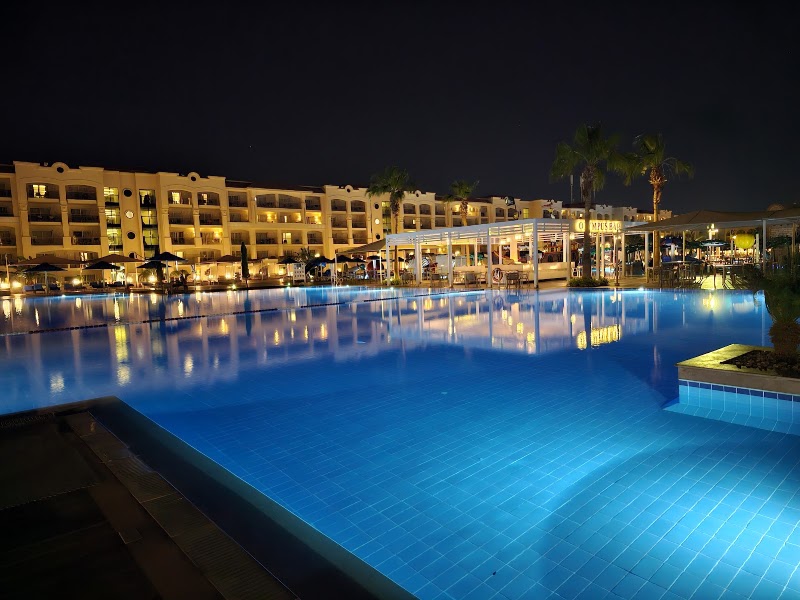
Egypt · St
Pickalbatros White Beach Resort, a Family-Focused Hurghada Stay
Public reviews praise the resort’s staff, cleanliness, food and children’s pool, while the Kids Club and fitness centre draw more mixed feedback.
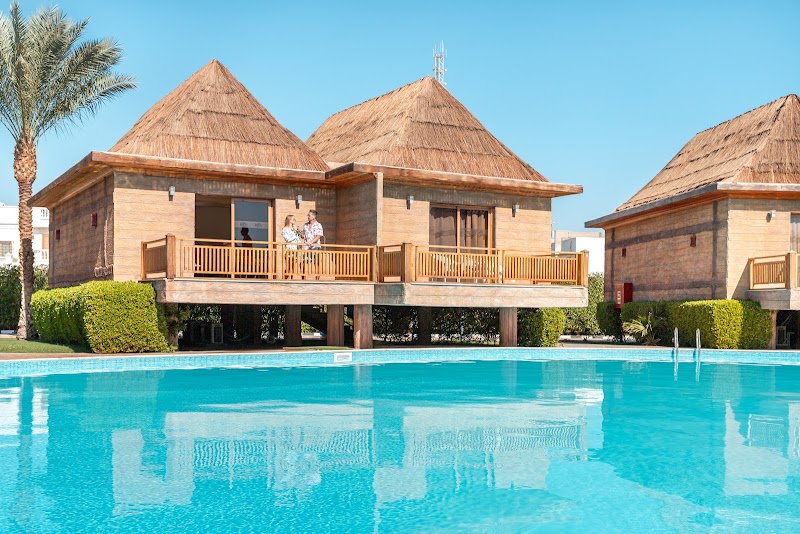
Egypt
Pickalbatros Aqua Blu Resort, Sharm El Sheikh: Review
Public reviews point to a family-focused resort with standout water slides, tidy rooms, enjoyable food and consistently praised staff.
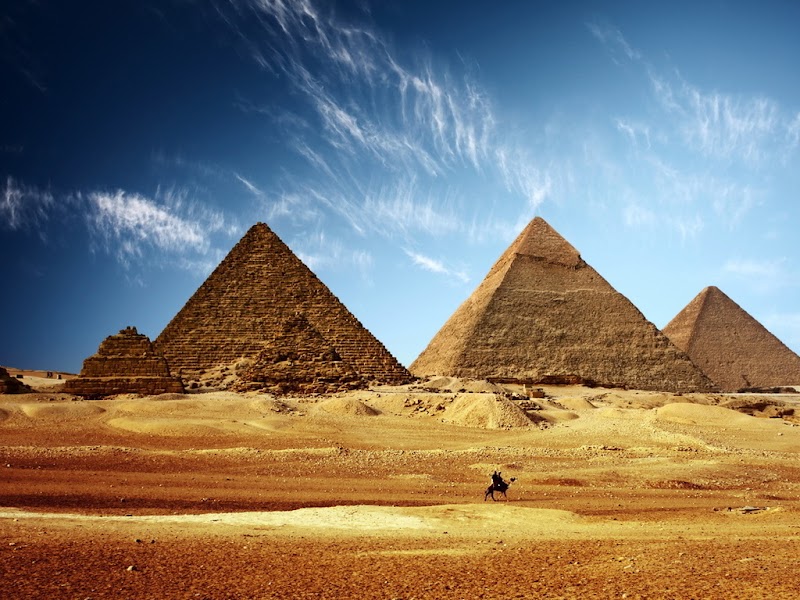
Egypt
Pyramids of Queens: A Quieter Corner of the Giza Plateau
Smaller royal pyramids near the Great Pyramid offer a quieter stop, wider desert views and a closer look at Old Kingdom burial traditions.
Egypt
Valley Temple of Khafre: The Sphinx Approach in Stone
Public reviews rate this ancient Giza landmark highly for its funerary history, massive masonry and direct connection with the Great Sphinx.