Petra review: Jordan’s vast rock-cut ancient city
Public reviews praise Petra’s dramatic Siq, monumental façades and extraordinary scale, while warning that a thorough visit takes time and stamina.

More photos
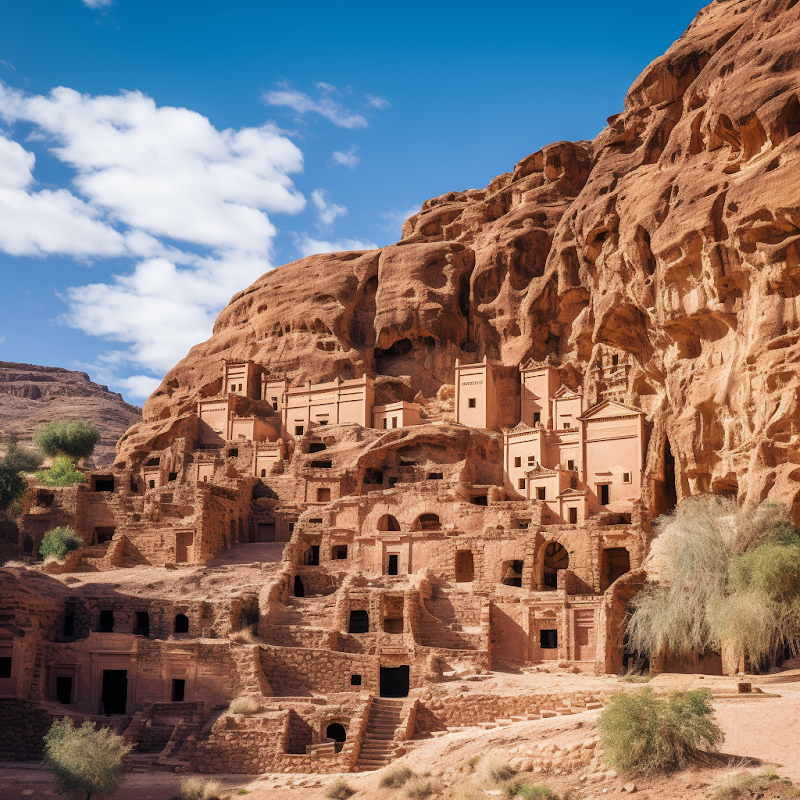
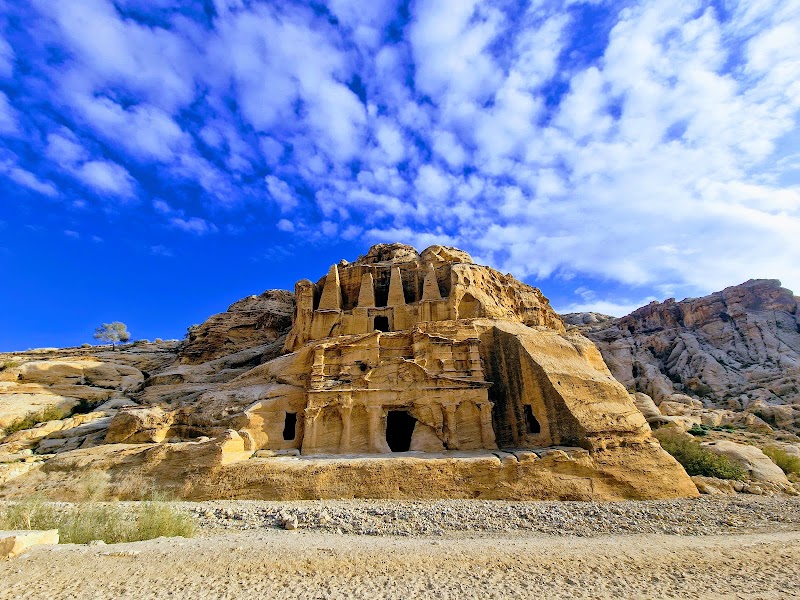
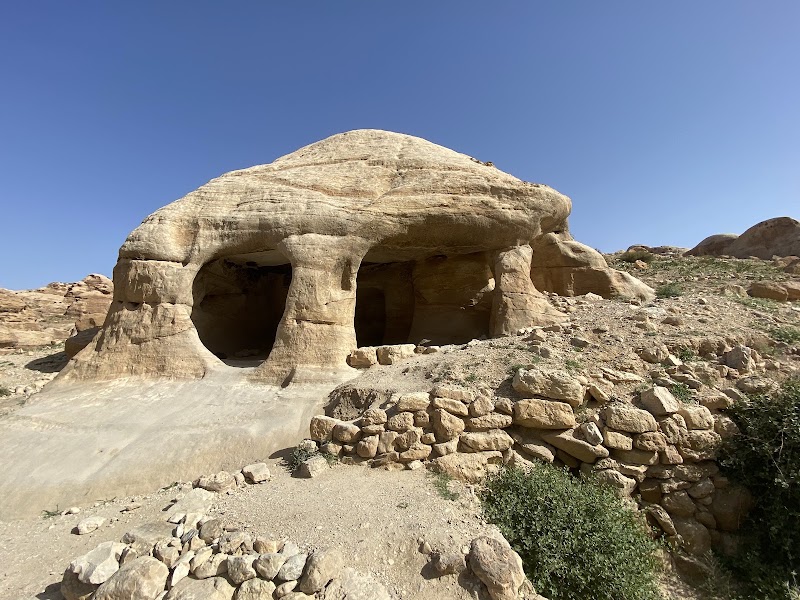
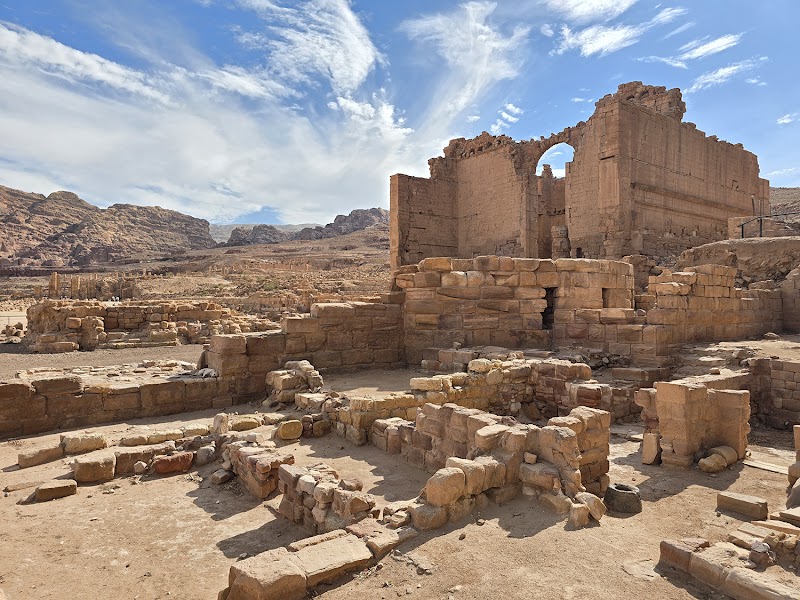
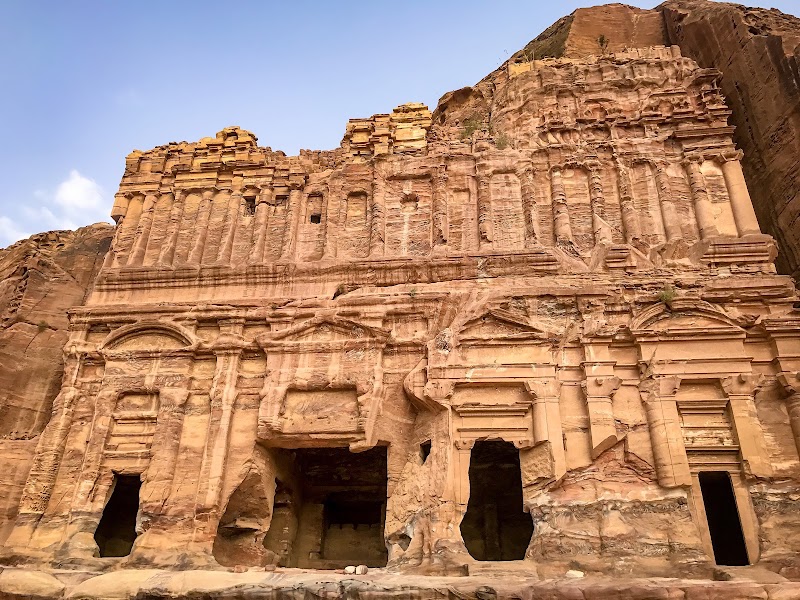
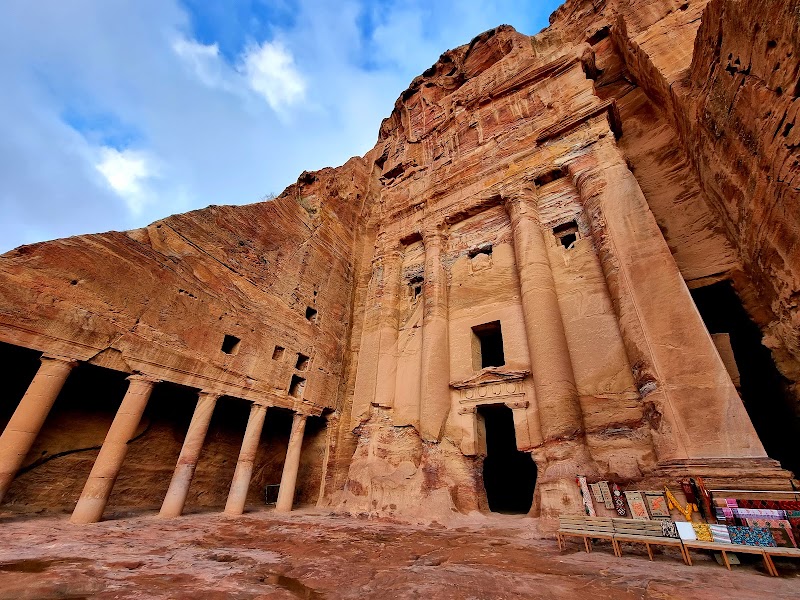
Photos published by travelers on Google, not AI generated.
What stands out
- The reveal of the Treasury after the Siq
- Vast rock-cut archaeological landscape
- Natural sandstone colours
- Nabataean hydraulic engineering
- Trails beyond the main façade
Worth knowing
- Extensive walking across a very large site
- Admission is described as luxury priced
- Some viewpoints and Petra by Night cost extra
Don't miss
What comes up most in public reviews
- Walk through the Siq
- See the Treasury reveal
- Explore the Monastery
- Visit the Royal Tombs
- Look for Nabataean hydraulic features
Worth the trip?
The verdict from public reviews
Petra earns a Google rating of 4.8 from 45839 reviews, and the supplied feedback strongly supports that enthusiasm. Travellers repeatedly describe a place that exceeds the expectations created by photographs. Its appeal comes from more than a single famous façade: reviewers highlight the scale of the wider archaeological landscape, the colours of the stone and the way Nabataean structures merge with the surrounding rock.
The approach is central to the experience. Walking through the narrow canyon builds anticipation before the Treasury comes into view, a sequence reviewers find especially memorable. Even visitors who have long wanted to see Petra report being struck by the reality of the site. The recurring message is clear: Petra largely lives up to its reputation.
Far more than the Treasury
Reviews caution against treating Petra as a quick stop. The Treasury may provide the defining first impression, but the Monastery, Royal Tombs and numerous trails give the site much greater depth. One reviewer recommends allowing at least three full days, while others simply stress that Petra is far larger than expected.
The rock-cut tombs are a particular strength. Reviewers compare Petra favourably with other major ancient sites because its monuments are integrated so closely with the natural sandstone. The changing colours and textures of that rock add visual interest well beyond the principal façades.
There is also admiration for Nabataean engineering, especially the hydraulic systems. For historically curious visitors, these details help shift Petra from a beautiful collection of ruins to evidence of a sophisticated city shaped around a demanding landscape.
Planning for distance and access
A visit involves substantial walking, especially for travellers hoping to move beyond the Treasury and explore the trails, Royal Tombs and Monastery. Public feedback suggests that anyone arriving with only a short window risks underestimating both the distances and the amount there is to see.
Some transport assistance is available within the site, with reviews mentioning horses and cars as alternatives to covering every section on foot. The supplied comments do not give enough detail to assess how consistently these options operate, so visitors with mobility concerns should confirm current arrangements before arrival.
Quieter conditions receive positive comments because they allow more time to study the monuments and enjoy the canyon without heavy crowds. However, those observations relate to the reviewers’ particular visits rather than a dependable season or time of day.
Cost and overall value
Price is the main criticism in the supplied reviews. Some visitors consider admission to be at the luxury end for a tourist attraction, particularly when optional viewpoints or Petra by Night involve additional charges. That frustration is notable even among reviewers who otherwise describe Petra as exceptional.
The overall consensus remains highly positive. Petra best rewards travellers who allow enough time, arrive prepared for extensive walking and look beyond the Treasury. Its combination of sandstone scenery, rock-cut architecture, engineering history and sheer archaeological scale makes it one of Jordan’s most compelling landmarks.
Ask anything
Looking for somewhere else?
Keep exploring
More from Jordan
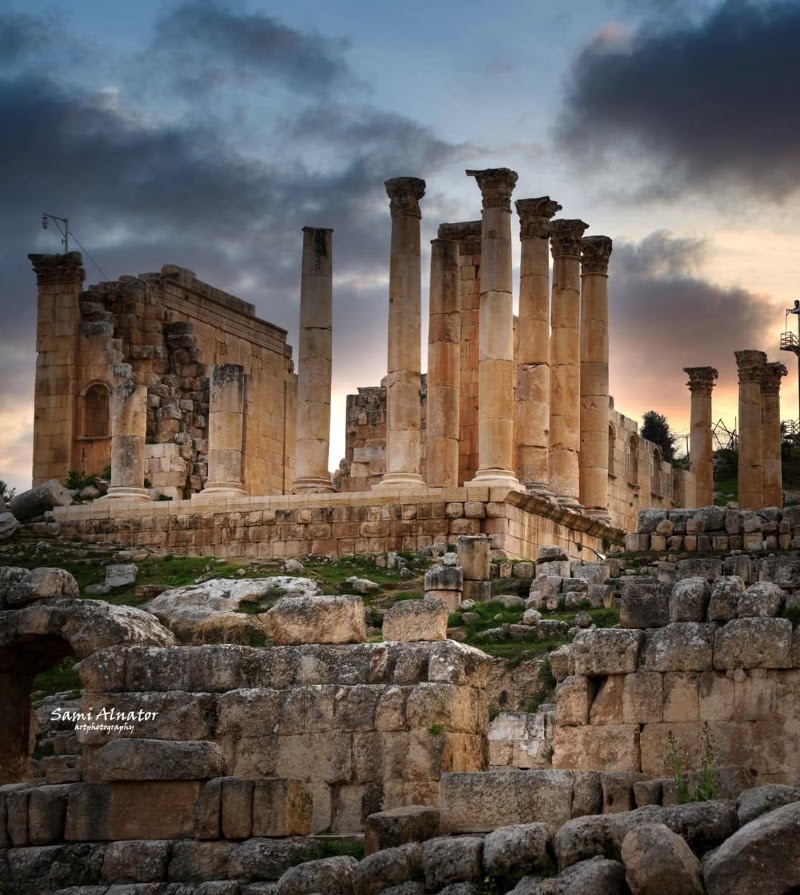
Jordan · Jarash
Temple of Zeus: Monumental Ruins Above Ancient Jerash
Massive Roman columns, layered history and broad views over Jerash make this ruined temple one of the ancient city’s most striking landmarks.

Jordan · Amman
Umayyad Palace: Amman Citadel’s Standout Landmark
A well-preserved, partly restored palace complex combining Islamic architecture, layered history and wide views across Amman.
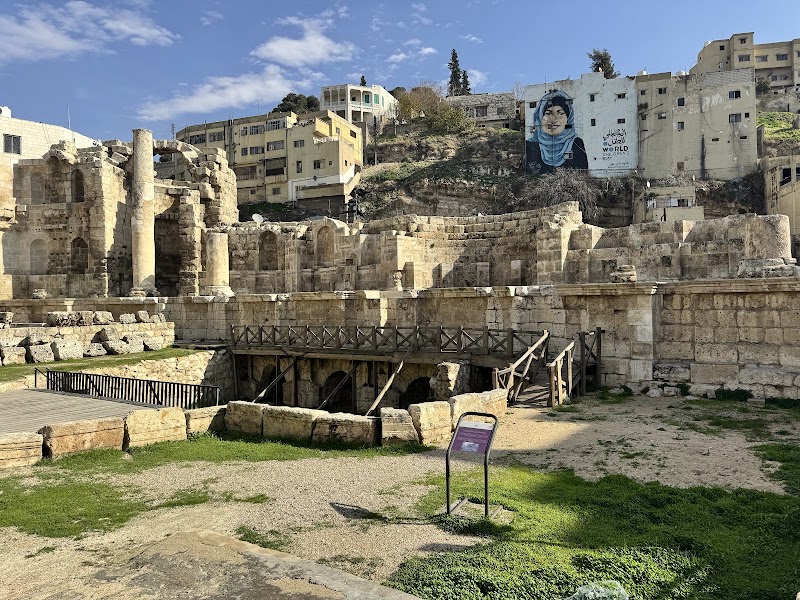
Jordan · Amman
Roman Nymphaeum: a compact stop in downtown Amman
Ancient remains and a central setting make this a worthwhile short stop, although uncertain access and the busy surroundings can affect the visit.
Jordan · Amman
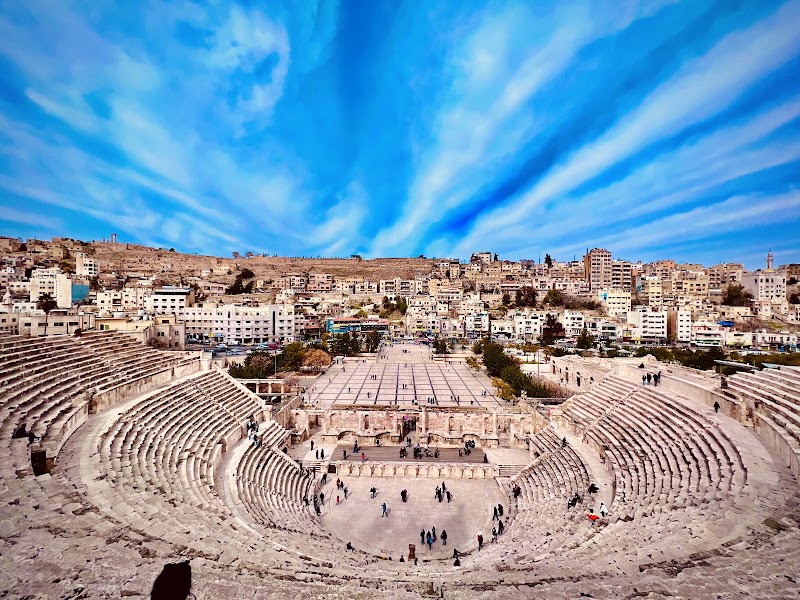
The Hashemite Plaza: Amman’s Roman Theater Forecourt
A broad downtown gathering space offering gardens, casual refreshments and memorable views of Amman’s Roman Theater.