Petra: A Vast Rock-Cut City Beyond the Treasury
Public reviews praise Petra’s dramatic Siq, monumental façades and Nabataean engineering, while warning that exploring properly takes time and stamina.

More photos
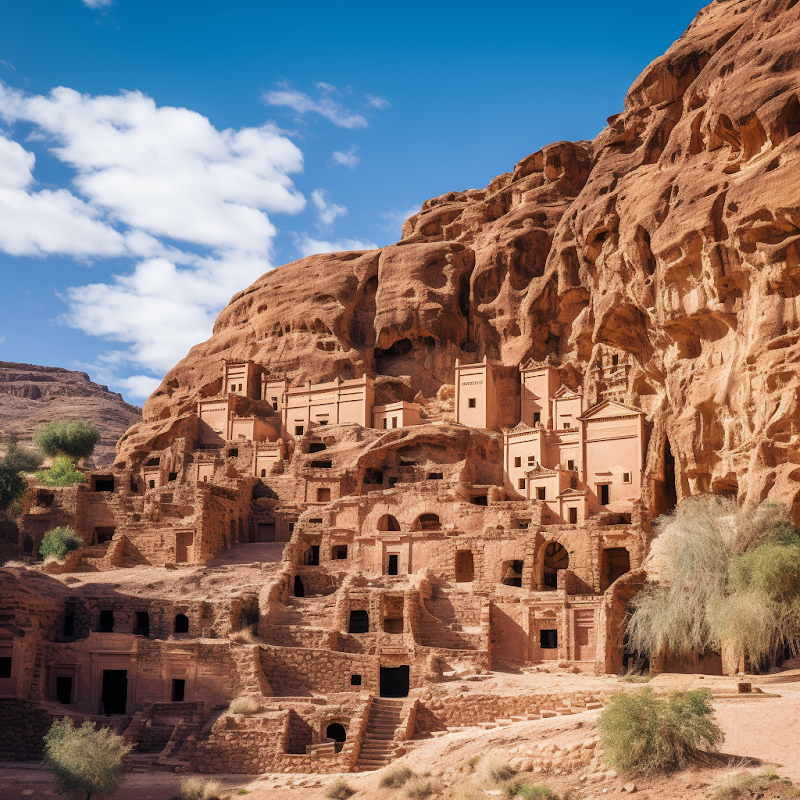
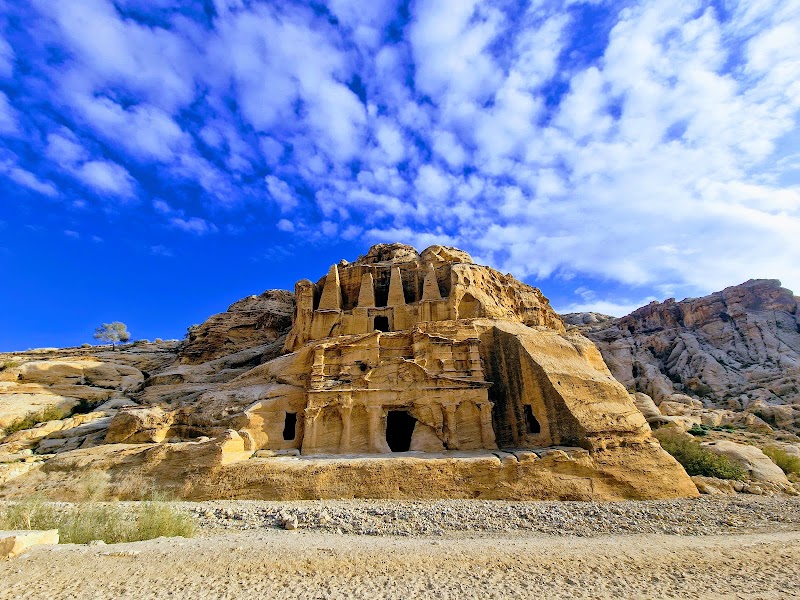
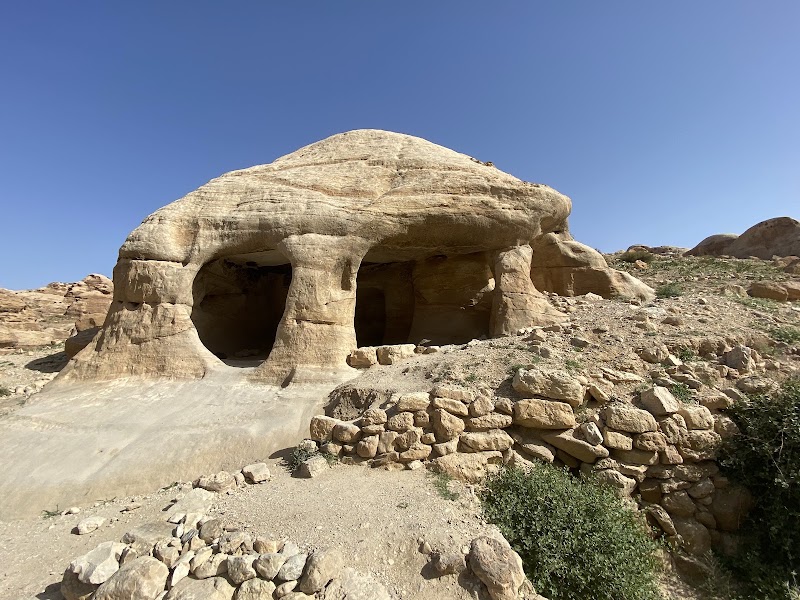
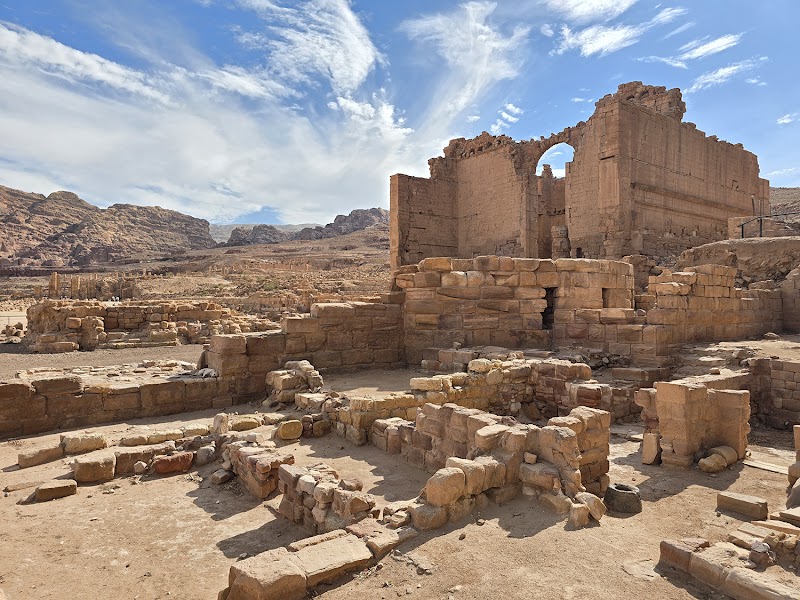
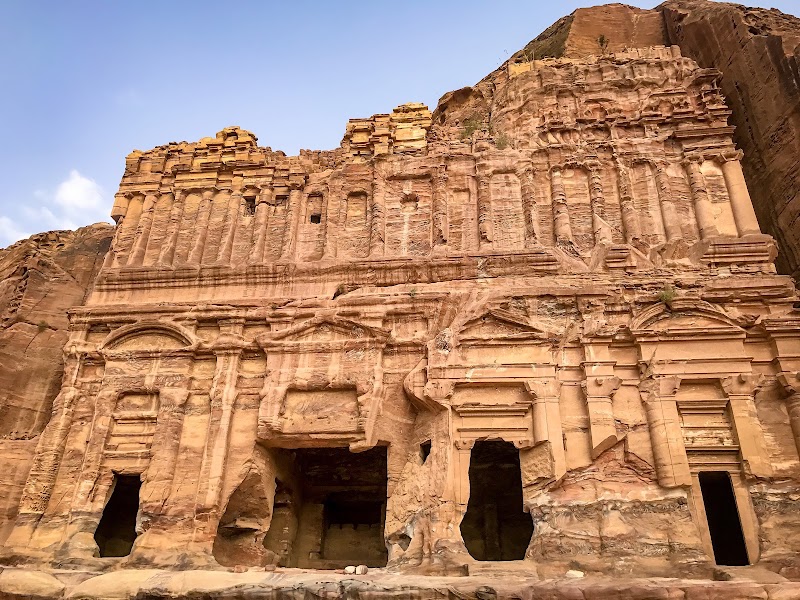
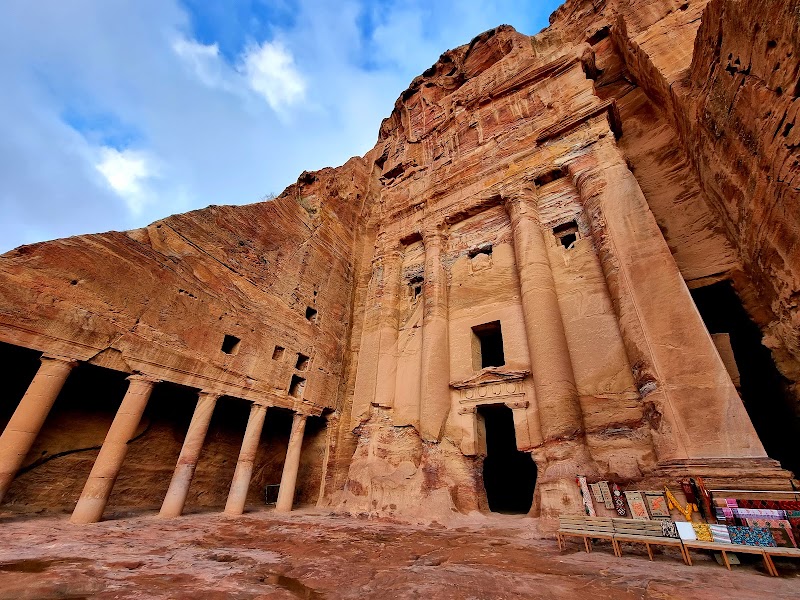
Photos published by travelers on Google, not AI generated.
What stands out
- The Treasury reveal from the Siq
- Vast rock-cut archaeological landscape
- Natural sandstone colours
- Nabataean hydraulic engineering
- Trails beyond the main façade
Worth knowing
- Admission is described as expensive
- Extra charges may apply for viewpoints or night access
- The site requires substantial walking
Don't miss
What comes up most in public reviews
- Walk through the Siq
- See the Treasury
- Explore the Royal Tombs
- Continue to the Monastery
Worth the trip?
The verdict from public reviews
Petra holds a Google rating of 4.8 from 45,839 reviews, and the supplied comments largely support that exceptional reception. Travellers repeatedly describe a place whose scale, natural colour and rock-cut architecture exceed expectations. The approach through the narrow canyon is a defining part of the experience: anticipation builds along the Siq before the Treasury appears at its end.
The location supplied with this listing says Israel, but Petra is in southern Jordan. That distinction matters when planning border crossings, transport and accommodation.
Much more than one façade
The Treasury may be Petra’s most recognisable monument, but reviewers stress that it represents only a fraction of the archaeological site. The Royal Tombs, the Monastery and numerous trails extend the experience far beyond the initial reveal. Several comments focus on the way tombs and monuments are integrated into bands of naturally coloured sandstone rather than standing apart from the landscape.
Nabataean engineering also leaves a strong impression. One reviewer singles out the ancient hydraulic systems, adding another layer to a visit that can otherwise be dominated by photographs of monumental façades. Taken together, the reviews present Petra as both an archaeological city and a dramatic natural setting.
Its size is easy to underestimate. A quick visit may cover the Siq and Treasury, but it would leave little room for the farther monuments or trails. One reviewer recommends allowing at least three full days. That will be more than many itineraries permit, yet it reflects how physically and historically extensive the site is.
Walking, access and atmosphere
Exploring Petra involves substantial walking, particularly for visitors continuing beyond the Treasury. A public review mentions horses or cars as ways to reduce some of the walking, though availability, routes and conditions should be checked locally rather than assumed. Reaching viewpoints may also involve separate charges, according to one account.
Crowd levels can change the mood considerably. Two reviewers describe visiting during a period with relatively few people, which made it easier to move slowly, appreciate the canyon and spend time around the monuments. Those reports reflect particular circumstances rather than a dependable seasonal pattern, so quieter conditions cannot be guaranteed.
Cost and planning cautions
Cost is the clearest recurring criticism. Reviewers describe admission as expensive, while Petra by Night and some viewpoints may require additional payment. Visitors should check current inclusions before arrival, especially if planning evening access or elevated viewpoints.
The strongest overall pattern remains highly positive. Petra is praised for delivering the drama promised by its photographs while revealing much more on the ground: long walking routes, immense scale, layered colours and sophisticated ancient engineering. It suits travellers prepared to dedicate meaningful time to the site rather than treating the Treasury as a brief photo stop.
Ask anything
Looking for somewhere else?
Keep exploring
More from Israel
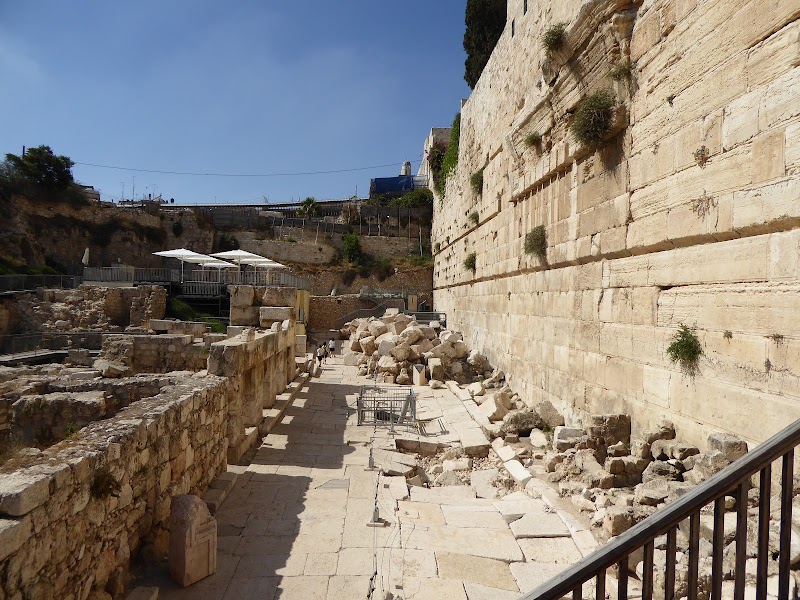
Israel · Jerusalem
Ancient Jerusalem in Stone at the Western Wall Excavations
Ruins, ritual spaces and a compact coin display add archaeological depth to a visit around Jerusalem’s Western Wall.
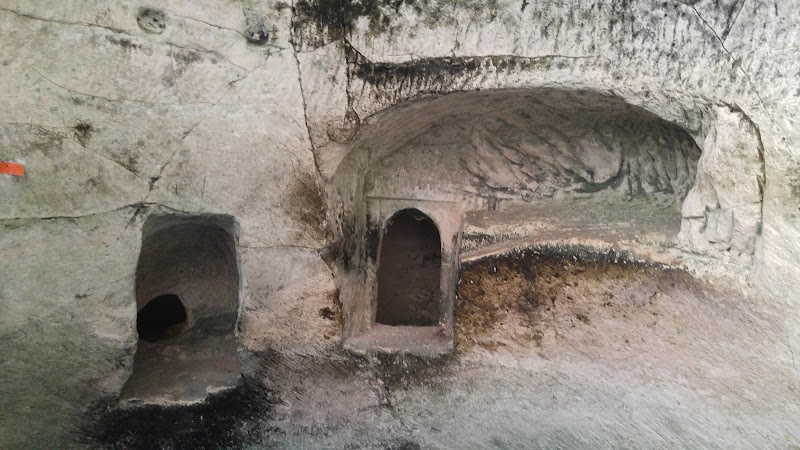
Israel
Maresha: Hilltop Views and a Varied Underground World
Maresha combines flower-covered hilltop scenery with labyrinth, bell and painted burial caves shaped by a complex Hellenistic past.
Israel · Ein Al Sultan
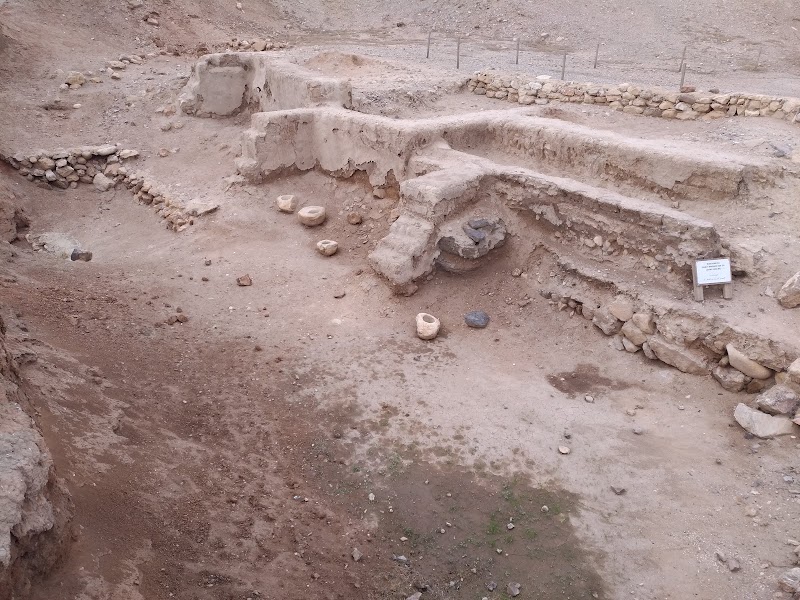
Ancient Jericho at Tell es-Sultan: History in Layers
Public reviews praise Tell es-Sultan’s immense archaeological significance, while cautioning that its excavated remains can appear modest at first glance.
Israel · Jerusalem
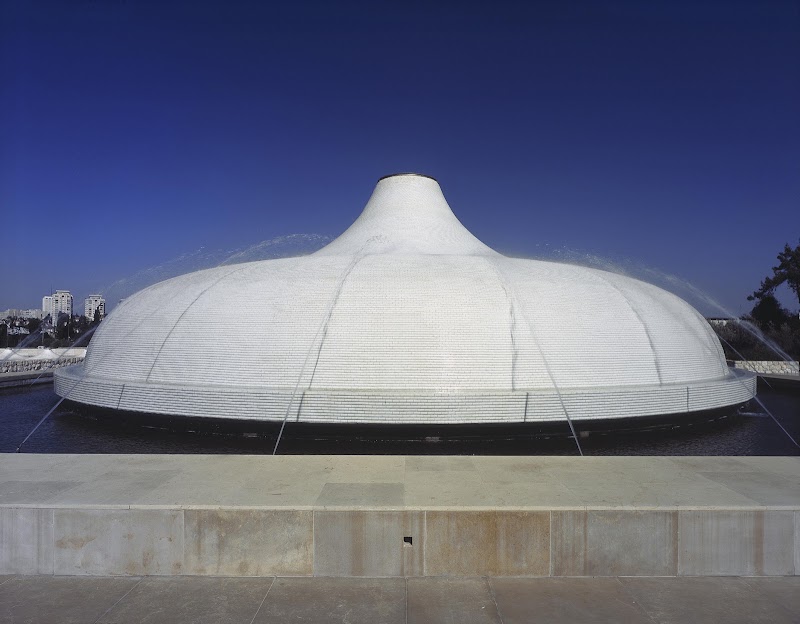
Shrine of the Book: Jerusalem’s Scrolls and Sacred Texts
Public reviews praise this Israel Museum attraction for its Dead Sea Scrolls, Isaiah exhibit, historic codex and nearby model of ancient Jerusalem.