Chiribiquete: Rock Art and Vast Amazonian Wilderness
Public reviews portray Chiribiquete as a sublime Colombian rainforest landscape shaped by ancient rock art and enduring Indigenous traditions.
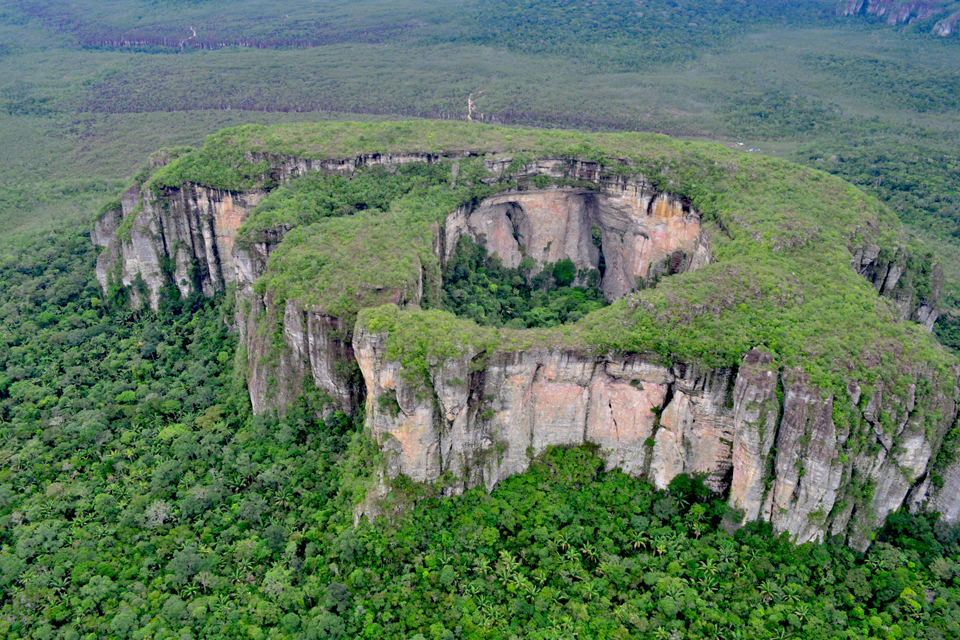
More photos
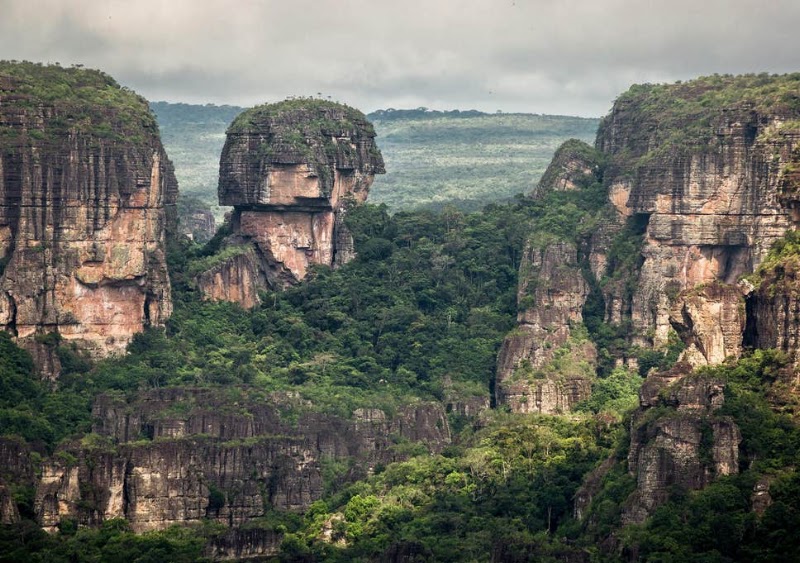
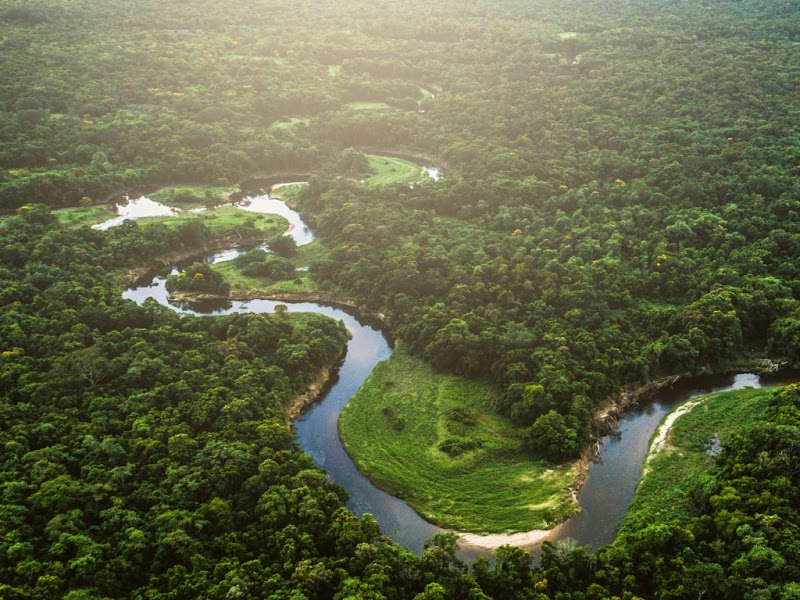
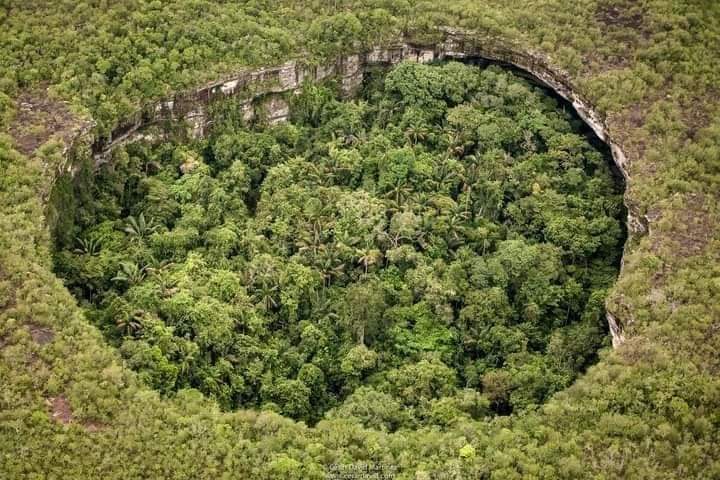
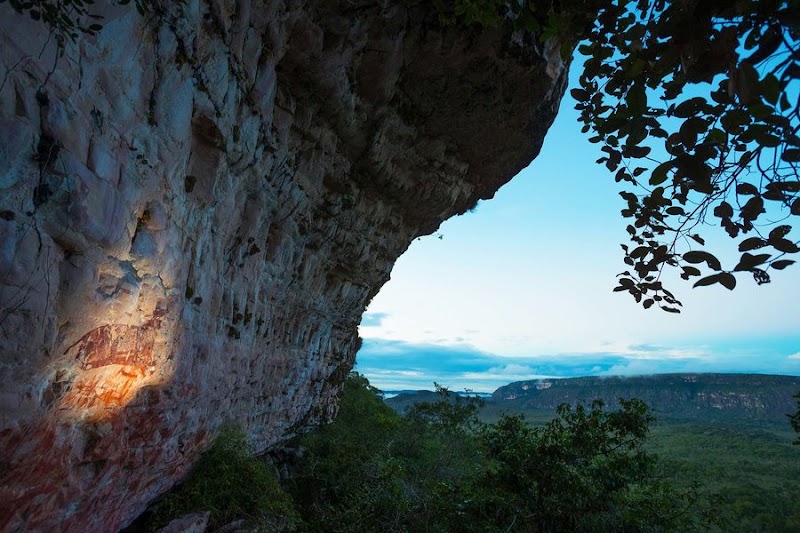
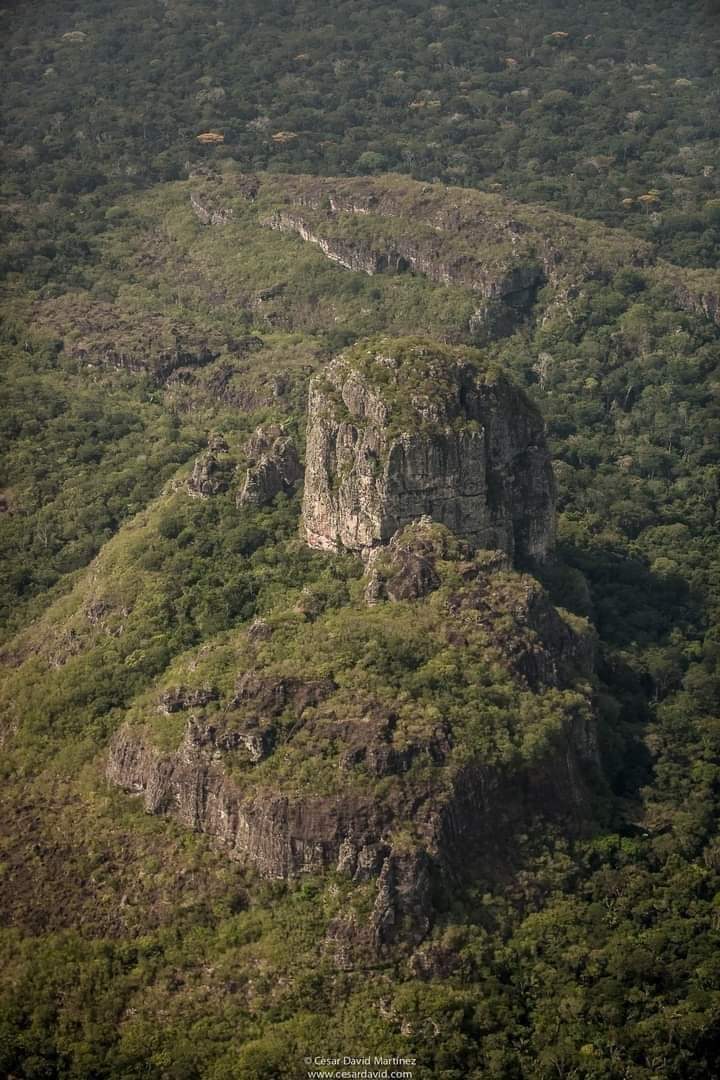
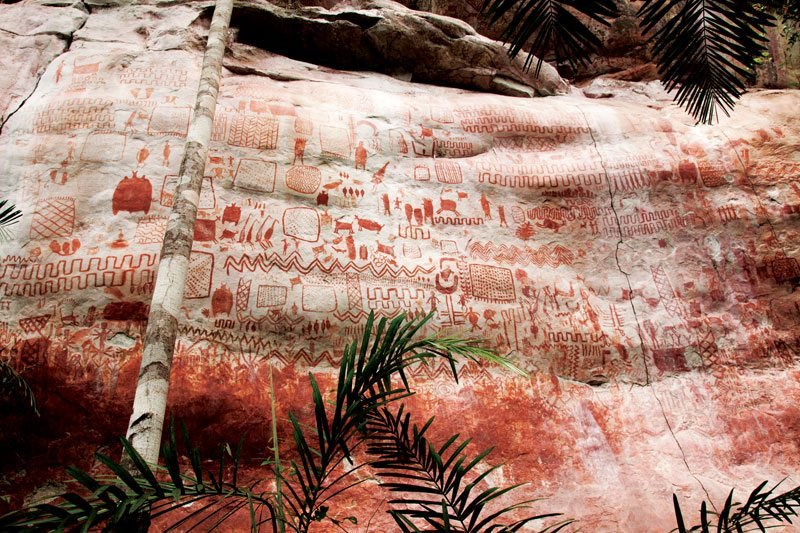
Photos published by travelers on Google, not AI generated.
What stands out
- Ancient rock-art heritage
- Immense tropical rainforest
- Sacred Amazonian traditions
- Sublime aerial scenery
Worth knowing
- Access details are not established by reviews
- Little practical information on ground visits
- Possible heat and physical exertion
Don't miss
What comes up most in public reviews
- The archaeological rock-art landscape
- The Colombian Amazon rainforest setting
Worth the trip?
A landscape that inspires superlatives
Parque Nacional Natural Serranía de Chiribiquete receives a Google rating of 4.7 from 144 reviews. The available comments are brief but emphatic, repeatedly presenting the park as an extraordinary combination of tropical rainforest, archaeology and sacred cultural landscape. Words such as “wonderful,” “sublime” and “stunning” capture the prevailing mood.
This is not reviewed like a conventional attraction with a checklist of facilities or easy sightseeing stops. Instead, contributors focus on its scale, remoteness and symbolic importance. One describes it as an archaeological treasure in the Colombian jungle, while another frames it as part of the origins of human traditions in the Amazon and the wider Americas. Taken together, the reviews suggest that Chiribiquete’s appeal rests as much in its meaning as in its scenery.
Rock art and cultural significance
Rock paintings are the clearest specific attraction mentioned in the reviews. One contributor cites more than 70,000 paintings and uses the phrase “Sistine Chapel of the Amazon” to convey their perceived importance. Another refers more broadly to the park’s archaeological value. These comments consistently position the art as central to understanding Chiribiquete rather than as a minor feature within a large national park.
The reviews also connect the landscape with Jaguar Men and Women, Amazonian cosmology and sacred traditions. Such references should be approached as expressions of cultural significance rather than ordinary tourist interpretation. They reinforce the sense that this is a living cultural landscape, not simply a remote place containing old images.
Prospective travellers should note that the sampled reviews do not explain how closely visitors can approach the paintings, whether they can be viewed from the ground, or what interpretation is available. The archaeological importance is clear from the sentiment, but the practical viewing experience is not.
The view from above
A scenic flyover is the only clearly described way of experiencing the park in the sample. One reviewer reports flying over Chiribiquete 14 times and describes the experience as wonderful. That perspective appears well suited to grasping the immense rainforest setting and the park’s overall scale.
However, the reviews do not establish regular schedules, departure points, booking procedures or seasonal conditions. They also provide no dependable account of trails, visitor centres, accommodation or other on-the-ground services. Chiribiquete therefore calls for considerably more advance research than a typical national park visit.
Overall verdict
The public response is overwhelmingly admiring. Chiribiquete is portrayed as sublime, culturally profound and visually immense, with its archaeological rock-art landscape at the heart of its identity. It best suits travellers motivated by Amazonian landscapes, archaeology and Indigenous cultural history rather than those seeking a straightforward recreational park day.
The main limitation is practical uncertainty. The sampled reviews offer powerful impressions but little logistical guidance. Anyone considering an experience connected with the park should verify current access rules and authorised options before making plans. Even with those caveats, the rating and language of the reviews indicate an attraction of exceptional emotional and cultural impact.
Ask anything
Looking for somewhere else?
Keep exploring
More from Colombia
Colombia
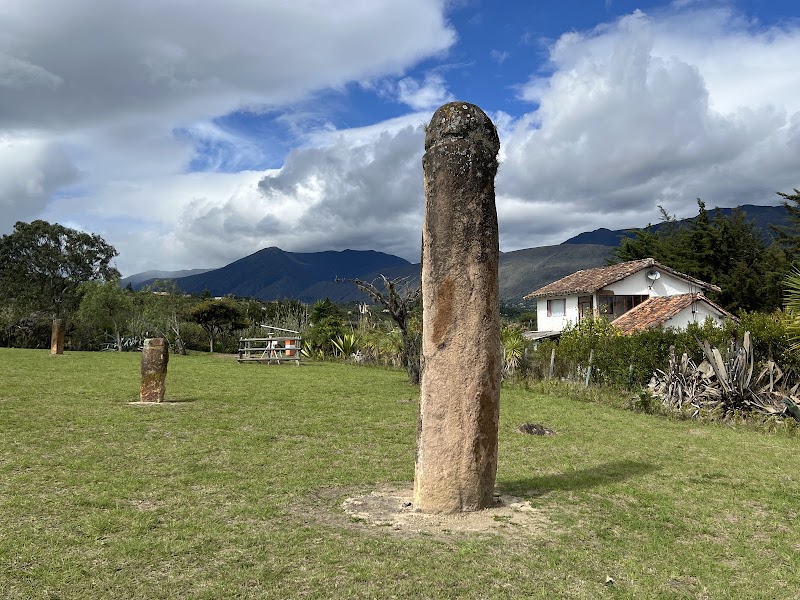
Muisca astronomy and stone alignments at Zaquenzipa
Near Villa de Leyva, this archaeological attraction draws interest for its Muisca solar calendar, aligned stone rows and guided interpretation.
Colombia · San Agustín
Alto de Lavapatas: Carved Pools and Calming Views
A scenic archaeological park stop where carved pools, intriguing figures and a relaxing uphill walk reward close inspection.
Colombia · Montería
Paramillo National Park: Strong Praise, Few Details
Public feedback is highly positive, but sparse reviews offer little practical guidance on what to see or how long to spend in the park.
Colombia · Cartagena de Indias
Centro Histórico de Cartagena: Colour, Walls and Colonial Charm
Cartagena’s walled historic centre pairs vivid colonial architecture, cobbled lanes and flower-filled balconies with a lively street scene.