Nahuel Huapi: Lake Roads, Snowy Peaks and Wild Forest
Argentina’s oldest national park earns praise for vast blue lakes, mountain scenery, seasonal colour and memorable drives beyond Bariloche.
More photos

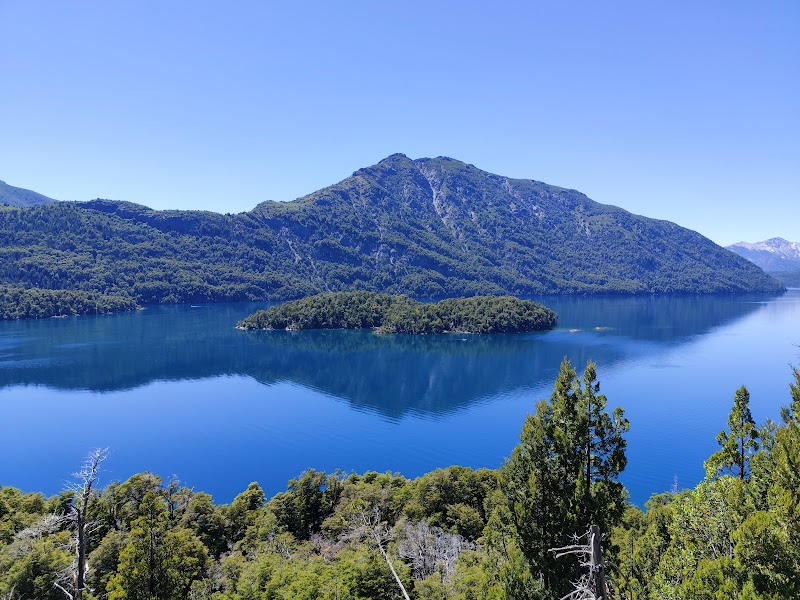

Photos published by travelers on Google, not AI generated.
What stands out
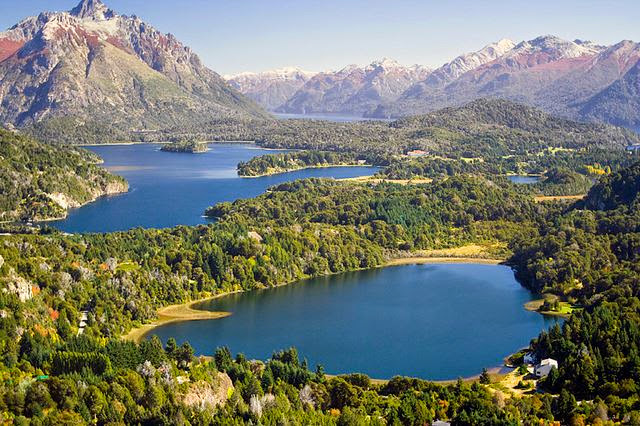
- Blue lakes beneath snow-capped mountains
- Roadside viewpoints with broad lake views
- Seasonal flowers, snow and autumn colour
- Clear waterfalls and forest scenery
- Occasional wildlife sightings
Worth knowing
- Traffic and noise on main roads
- Wind, rain and winter road conditions
Don't miss
What comes up most in public reviews
- The Seven Lakes route
- Roadside lake viewpoints
- Cerro Tronador and its glacier
- Isla Corazón
- Clear-water waterfalls
Worth the trip?
The overall impression
Parque Nacional Nahuel Huapi has a Google rating of 4.8 from 39652 reviews. Across that public feedback, the same qualities keep coming up: blue water, snow-capped mountains, forest and sheer scale. Natural beauty is the main event, whether travellers arrive for spring flowers, winter snowfall, summer waterfalls or autumn foliage.
The park is closely associated with Bariloche, yet reviewers are clear that there is far more to it than a single lakeside stop. Much of the pleasure lies in moving through the landscape, taking roads beside rivers and lakes, stopping at viewpoints, then watching forest give way to open water and mountain slopes.
Scenic drives and viewpoints
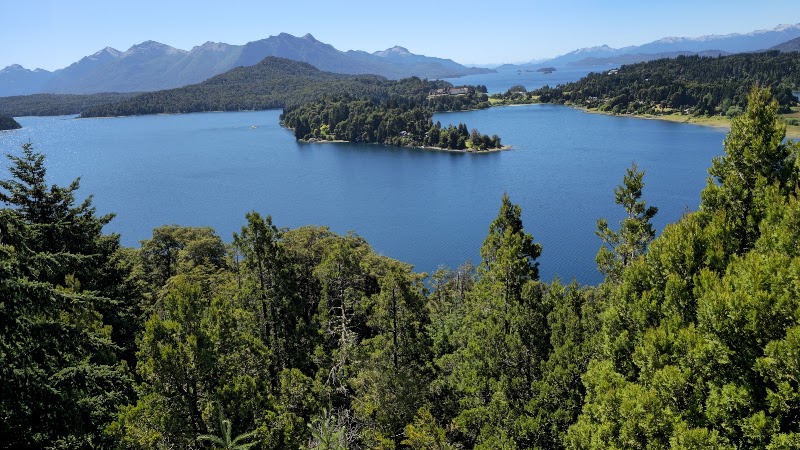
Road travel ranks among the most praised ways to see the park. Reviewers point to numerous viewpoints along roads that hug the lakes, including larger platforms with broad, near-panoramic outlooks. From these stops, the defining contrast of Nahuel Huapi comes sharply into view: intensely blue lakes beneath rugged peaks, sometimes covered in snow.
The route from Bariloche towards San Martín de los Andes, commonly associated with the Seven Lakes, draws particular enthusiasm. Visitors travelling in winter report snowy conditions and recommend stopping at each lake instead of treating the drive as a simple transfer. Take time. The views unfold across the route and are not concentrated at one landmark.
Traffic and road noise are the principal drawbacks raised in reviews. At their busiest, the roads can clash with the park’s otherwise peaceful character. Travellers who leave those corridors behind generally describe a quieter, much more rewarding atmosphere.
Landscapes through the seasons
The seasons change the park’s appearance, not its underlying appeal. October visitors mention snow-capped mountains and clear blue water, while reviews more broadly connect spring with flowers and birds. Winter means falling snow, plus occasional sightings of hares and foxes. Summer comments turn to small waterfalls and long nights beneath the stars. Autumn is remembered for red foliage spreading across the forest.
Weather comes with the territory. Wind and rain can restrict plans, while winter road conditions may determine how much ground visitors can cover. Even then, reviewers often treat unsettled weather as part of the park’s wild character, not a reason to dismiss it.
What deserves extra time
Cerro Tronador and its glacier stand out as the more adventurous objective. One reviewer recalls a journey alongside rivers, clear waterfalls and fields filled with flowers, ending with the mountain as a dramatic destination. The heart-shaped Isla Corazón is another distinctive sight mentioned on the way.
For a first visit, a full day works for a drive centred on viewpoints, although the park’s scale rewards a slower itinerary. The clearest pattern in public reviews favours travellers who enjoy scenic roads, frequent photo stops and changeable mountain weather. Anyone looking for quiet should move beyond the main traffic routes whenever access and conditions allow.
Ask anything
Looking for somewhere else?
Keep exploring
More from Argentina
Argentina
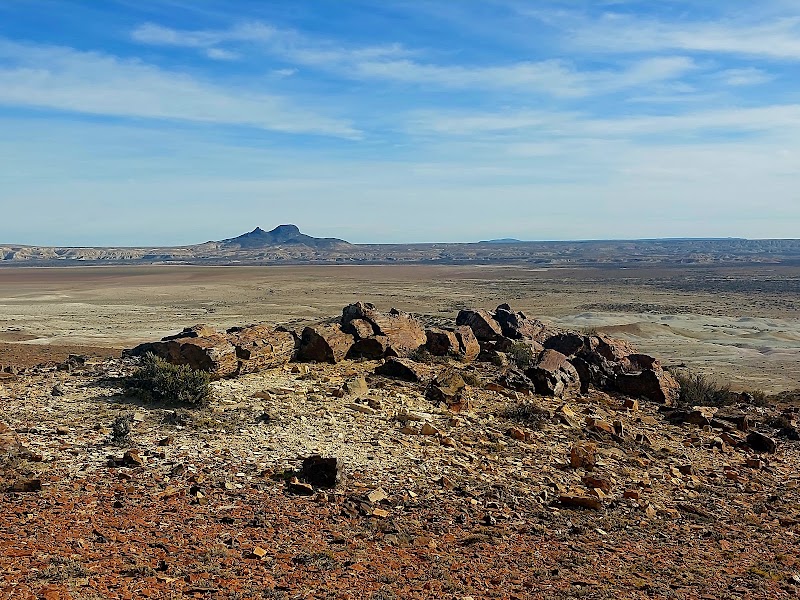
Petrified forests and big scenery off Argentina’s Route 3
A remote national park where vast landscapes, petrified trees and knowledgeable rangers reward the long gravel-road diversion.
Argentina
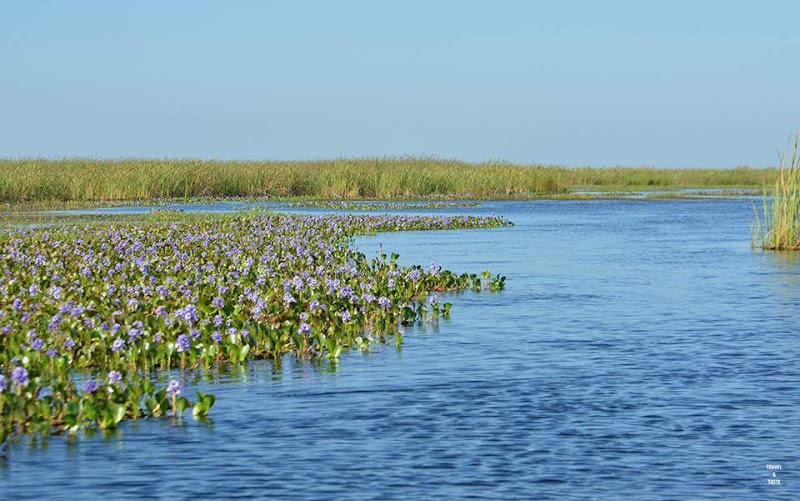
Iberá Wetlands: Peaceful Wildlife Encounters in Argentina
Travellers praise Iberá Wetlands for abundant birdlife, capybaras and other wildlife in an unusually calm natural setting.
Argentina
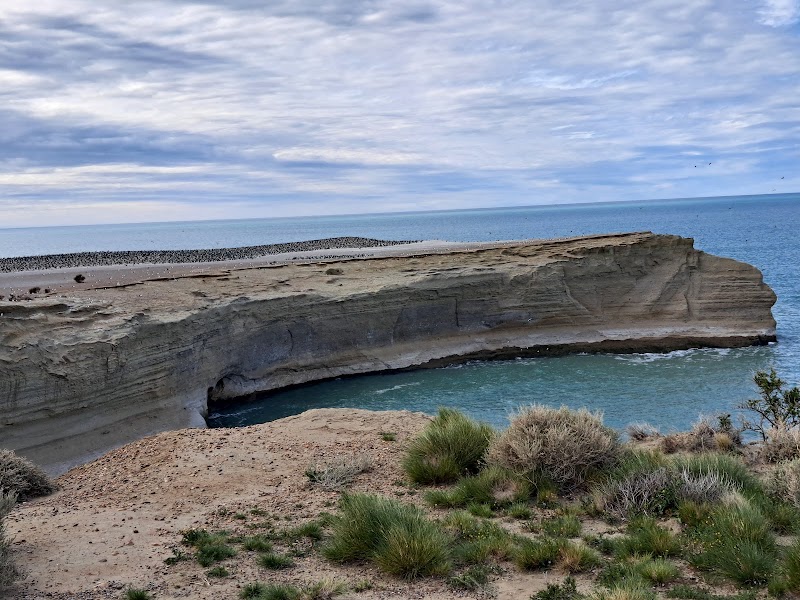
Parque Nacional Monte León: Wild Patagonian Coast
A remote Santa Cruz park where gravel-road access leads to windswept coastline, open steppe and possible guanaco and penguin sightings.
Argentina · Jesus María
Jesuit history and striking chapel acoustics in Jesús María
This national museum pairs Córdoba’s Jesuit history with sacred objects, archaeological finds and a chapel praised for its remarkable acoustics.