Parque Nacional Cotopaxi: High-Altitude Volcano Scenery
Public reviews praise Cotopaxi National Park for its stark volcanic landscapes, wildlife and demanding high-altitude walks near one of Ecuador’s most recognisable peaks.

More photos
Photos published by travelers on Google, not AI generated.
What stands out
- Views of Cotopaxi volcano
- Open highland plains and wild horses
- Rugged volcanic landscapes
- José Rivas Refuge hike
- Walk around the water
Worth knowing
- High altitude makes the refuge walk challenging
- Cloud can obscure the volcano
- Some roads are dented and uncomfortable
Don't miss
What comes up most in public reviews
- Hike toward the José Rivas Refuge
- Walk around the water
- Ask about a guided park tour
- Look for wild horses on the highland plains
Worth the trip?
Parque Nacional Cotopaxi is an attraction for travellers who want dramatic Andean scenery with a serious altitude component. Public reviews give it a 4.8 rating from 3,070 reviews, with repeated praise for the volcano, open highland landscapes and changing scenery inside the park. The setting is expansive and exposed. On clear days, Cotopaxi dominates the view. Cloud can change that quickly.
What visitors come for
The park’s appeal lies in its range of landscapes. Reviews describe open plains, rugged volcanic ground and areas where wild horses may be seen. One visitor compared some viewpoints to a computer screensaver, a useful indication of how scenic the drive and overlooks can feel. The volcano itself is the central draw, though several reviews note that visibility depends heavily on the weather.
Wildlife sightings are not guaranteed. One review mentions seeing a little wildlife around the water, while another highlights wild horses across the highland plains. The landscape remains the main event, even when animals stay out of sight.
Walking near Cotopaxi
The best-known outing in the reviews is the climb toward the José Rivas Refuge. The refuge sits at approximately 4,864 metres, and reviewers describe the walk as challenging because of the altitude. A commonly mentioned route follows the zigzag path uphill and returns by the straighter path. Acclimatisation is strongly recommended.
The refuge is not the summit. Reaching Cotopaxi’s summit, at approximately 5,897 metres, requires specialised equipment, acclimatisation and a guide. Public reviews specifically recommend guided support for that objective. The refuge walk is therefore a demanding high-altitude excursion, not a casual stroll.
A gentler park option
Visitors who do not want the refuge hike can walk around the water on a man-made path. This option appears more accessible and offers a different way to experience the park, although it does not bring visitors especially close to the volcano. Clear weather makes the walk more rewarding, particularly when Cotopaxi is visible behind the landscape.
Tours are also mentioned in the reviews. A guided or organised visit can help with the park’s large scale and rougher roads. One reviewer found the drive upward uncomfortable because of dents in the road. That is worth considering when choosing transport and planning the day.
Planning the visit
Parque Nacional Cotopaxi suits travellers who value scenery, photography and mountain walking more than a relaxed sightseeing stop. The reviews support allowing at least half a day, with extra time if the refuge is included. Acclimatisation matters. So does flexibility, since cloud can obscure the volcano.
The strongest plan is to check conditions before setting out, carry suitable clothing for exposed highland weather and decide in advance whether the goal is a lakeside walk, a tour through the park or the José Rivas Refuge. The summit demands a different level of preparation entirely.
Plan the rest of the trip
Ask anything
Looking for somewhere else?
Keep exploring
More from Ecuador

Ecuador · Cuenca
Pumapungo Museum Brings Cuenca’s History Into Focus
Public reviews praise Pumapungo Museum for its Indigenous culture displays, archaeological ruins, garden and rescued birds, with free admission adding to its appeal.
Ecuador
Podocarpus National Park: Cloud Forest Trails Near Loja
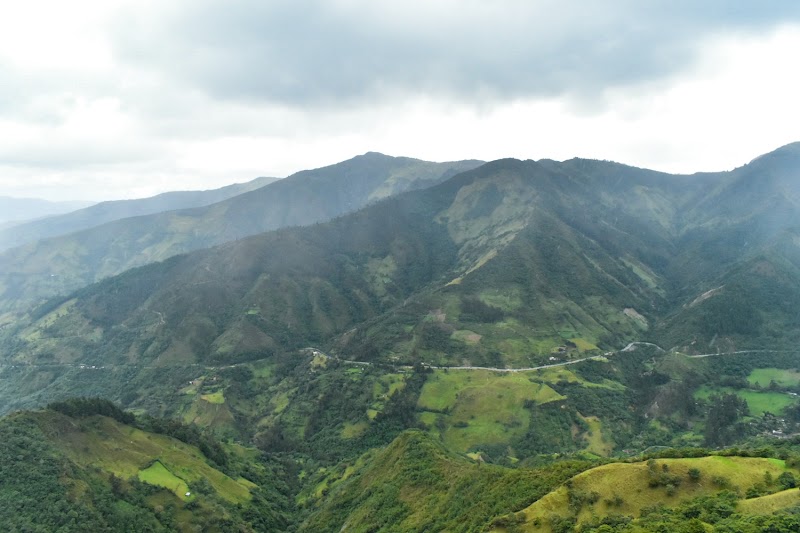
Podocarpus National Park rewards hikers and birders with striking mountain scenery, diverse forest and trails that range from short walks to demanding routes.
Ecuador · Aguarico
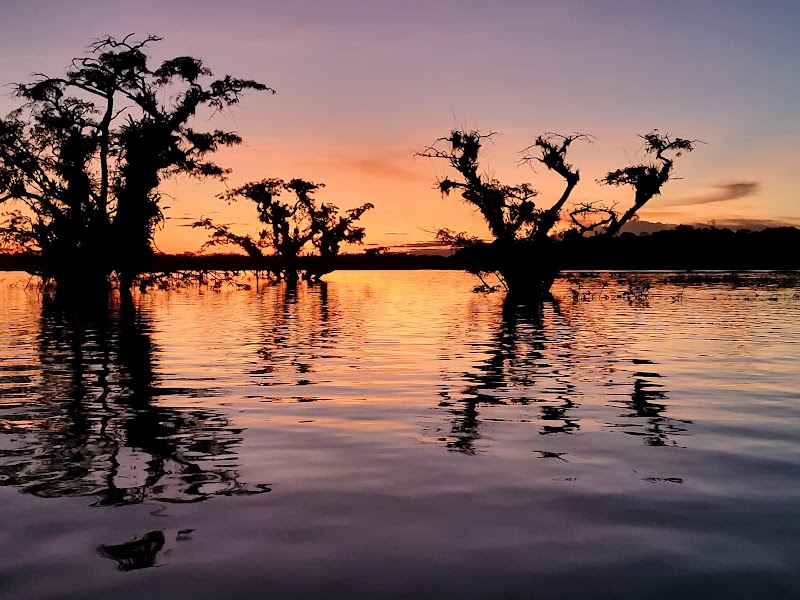
Cuyabeno Reserve: Deep-Jungle Wildlife and Lagoon Excursions
Public reviews praise Cuyabeno’s preserved lagoon, skilled guides and strong chances of seeing wildlife on day and night excursions.
Ecuador
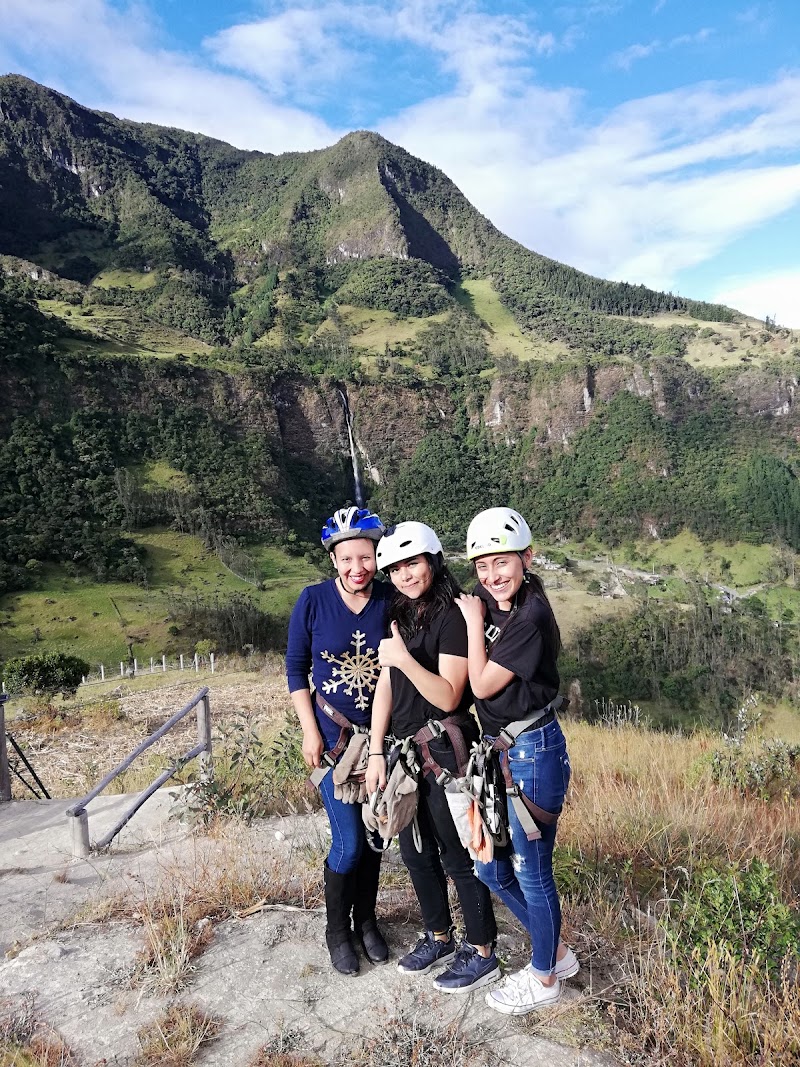
Giron Waterfalls: A Short Hike to Wide Mountain Views
Public reviews rate Giron Waterfalls highly for its scenery, manageable trail and photo stops, with a steep climb that rewards visitors who continue above the base.