Art, faith and history at Assisi’s great basilica
Reviews praise this landmark for its Franciscan history, remarkable frescoes, layered architecture and calm spiritual atmosphere.
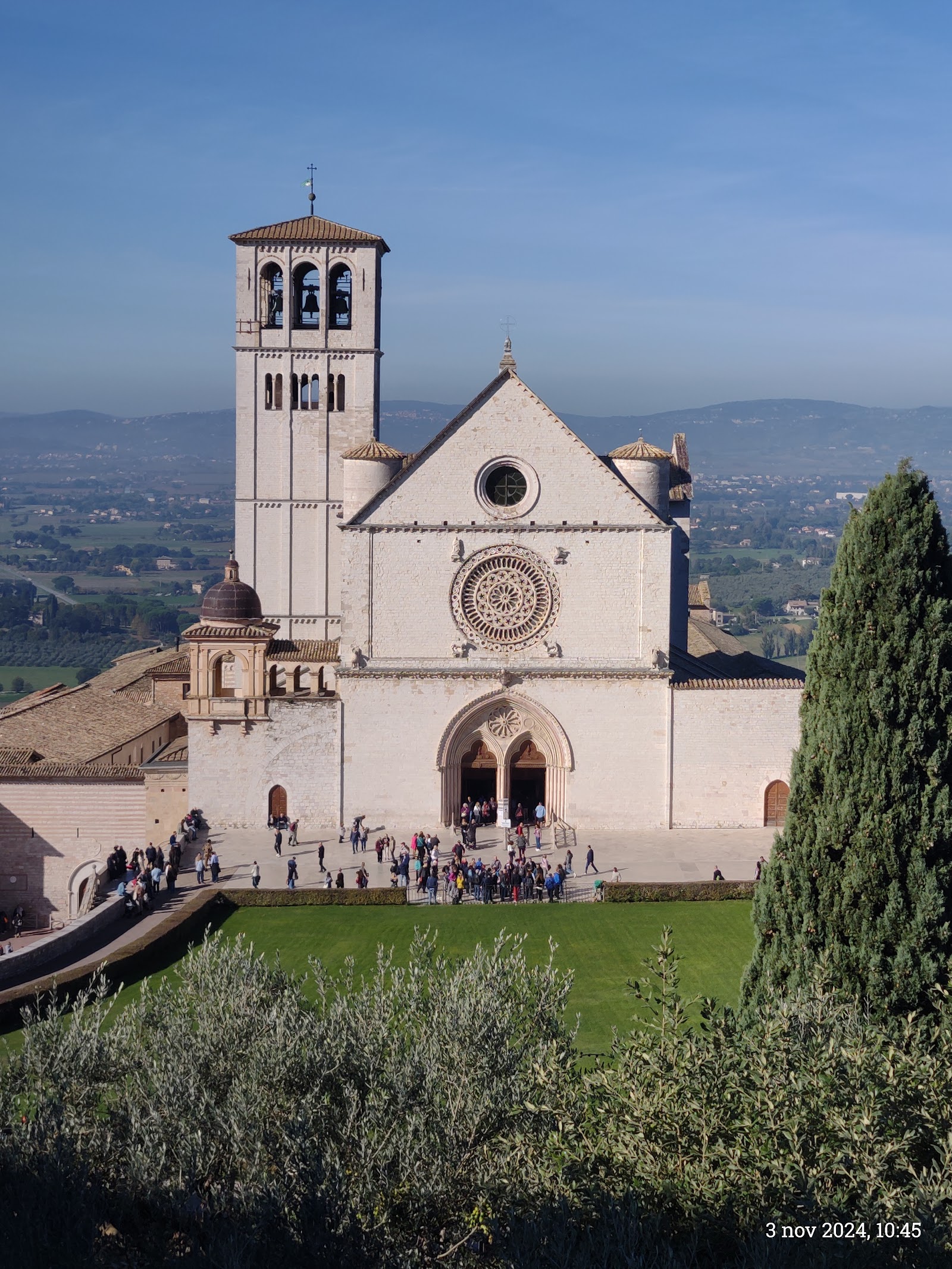
More photos
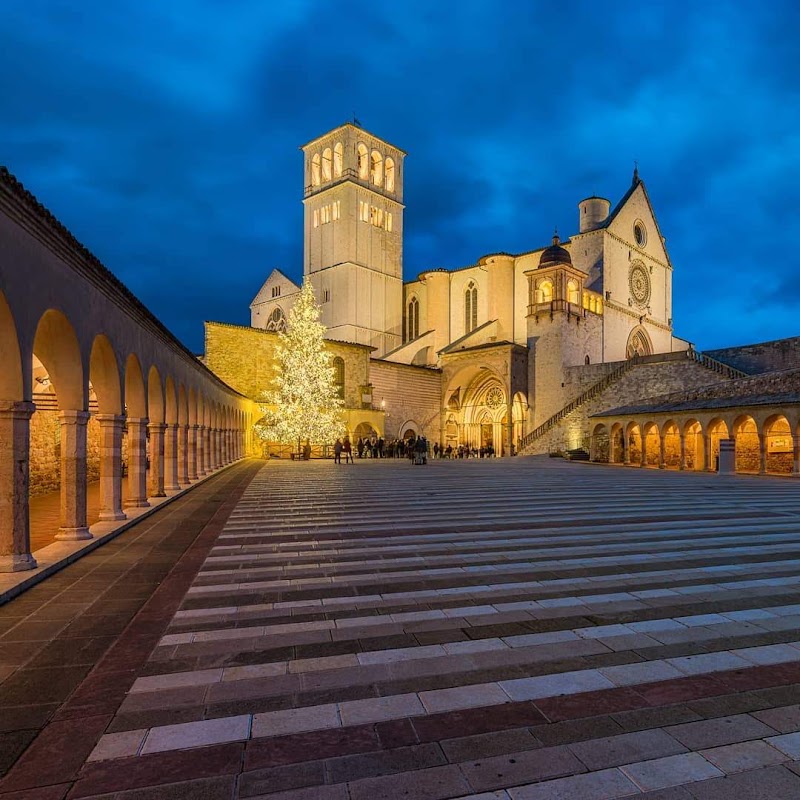
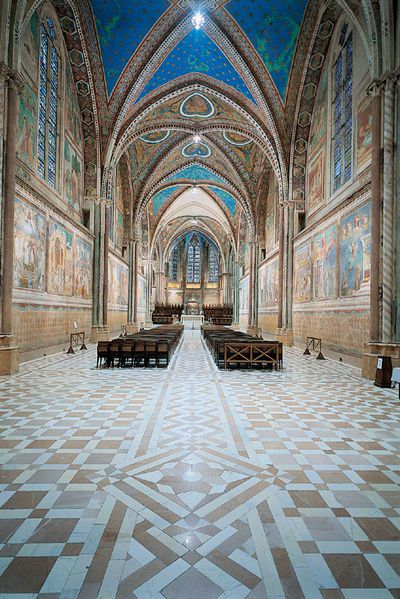

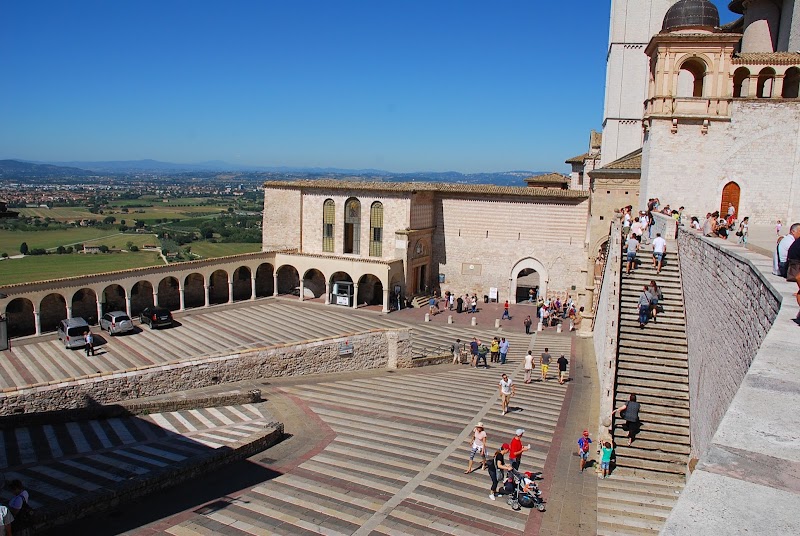

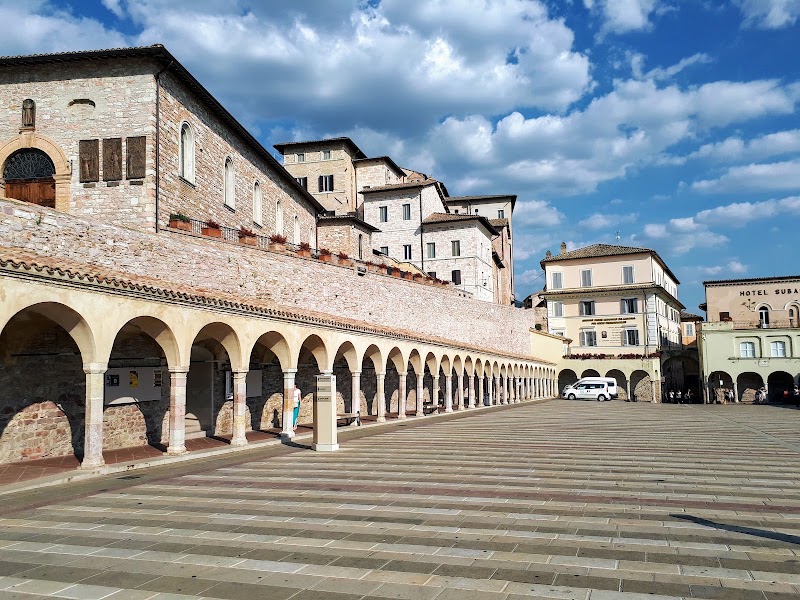
Photos published by travelers on Google, not AI generated.
What stands out
- Frescoes depicting the life of Saint Francis
- Contrasting Upper and Lower Basilicas
- Calm, spiritual atmosphere
- Arched approach and expansive landscape
- Intricate historic architecture
Worth knowing
- Photography is reported as prohibited
- Tourist crowds build later in the day
- The basilica lies within Assisi’s ZTL area
Don't miss
What comes up most in public reviews
- The fresco cycle on the life of Saint Francis
- The Lower Basilica
- The crypt and tomb of Saint Francis
Worth the trip?
Why it stands out
With a 4.9 Google rating from 50,012 reviews, the Papal Basilica and Sacred Convent of Saint Francis ranks among Assisi’s most strongly endorsed attractions. Public feedback presents it as far more than a quick sightseeing stop. Travellers repeatedly describe a place where art, architecture and faith reinforce one another, creating an experience that remains powerful even for visitors without specialist religious or art-historical knowledge.
The approach is part of that impression. One review highlights the slow climb, the arched entrance and the broad landscape drawing the eye toward the basilica. Once inside, attention shifts to the scale and intricacy of the church complex. Reviewers frequently use language such as beautiful, breathtaking and harmonious, but calmness is just as important to the overall verdict. Despite its popularity, the basilica is described as spiritual without being overwhelming.
Frescoes and architecture
The frescoes are the clearest recurring highlight. Visitors mention painted scenes telling the life of Saint Francis, with Giotto’s work providing a particular reason for art lovers to come. Reviews suggest that no specialist preparation is required. The images communicate history and meaning directly, while the surrounding arches, walls and painted surfaces make the whole interior feel cohesive rather than like a conventional gallery.
The complex is also valued for its contrasting spaces. Reviewers distinguish between the Lower Basilica, described as largely Romanesque, and the Upper Basilica, associated with an important Gothic interior. This two-level arrangement gives the visit a natural progression and rewards a measured pace. The lower church and crypt offer a more intimate, contemplative atmosphere, while the upper space places greater emphasis on height, light and narrative fresco cycles.
Spiritual and historic significance
The tomb of Saint Francis gives the site its emotional centre. Reviews identify the basilica as the spiritual mother church of the Franciscan Order, and the crypt is commonly treated as an essential part of the route. Even travellers primarily drawn by architecture or painting report being affected by the atmosphere.
That combination explains the attraction’s unusually broad appeal. Pilgrims can engage with its religious importance, art enthusiasts can focus on the frescoes, and general visitors can appreciate the building, landscape and sense of continuity across centuries. Public comments also note that the complex is well kept, supporting a visit that feels orderly despite the steady tourist traffic.
Planning the visit
Morning is the clearest practical recommendation in the supplied reviews, particularly for travellers hoping to get ahead of heavier crowds. One account advises entering through the lower church and beginning with the crypt, a sensible route for understanding the complex from its most contemplative space upward.
Photography is reported as prohibited, so visitors should be prepared to experience the interiors without relying on a camera. Drivers should also note Assisi’s restricted-traffic zone. A review mentions underground parking just outside the ZTL, after which the basilica is reached on foot. The climb and the expansive approach are part of the experience, but comfortable footwear and enough time for an unhurried visit will make it more rewarding.
Ask anything
Looking for somewhere else?
Keep exploring around Assisi
More from Italy
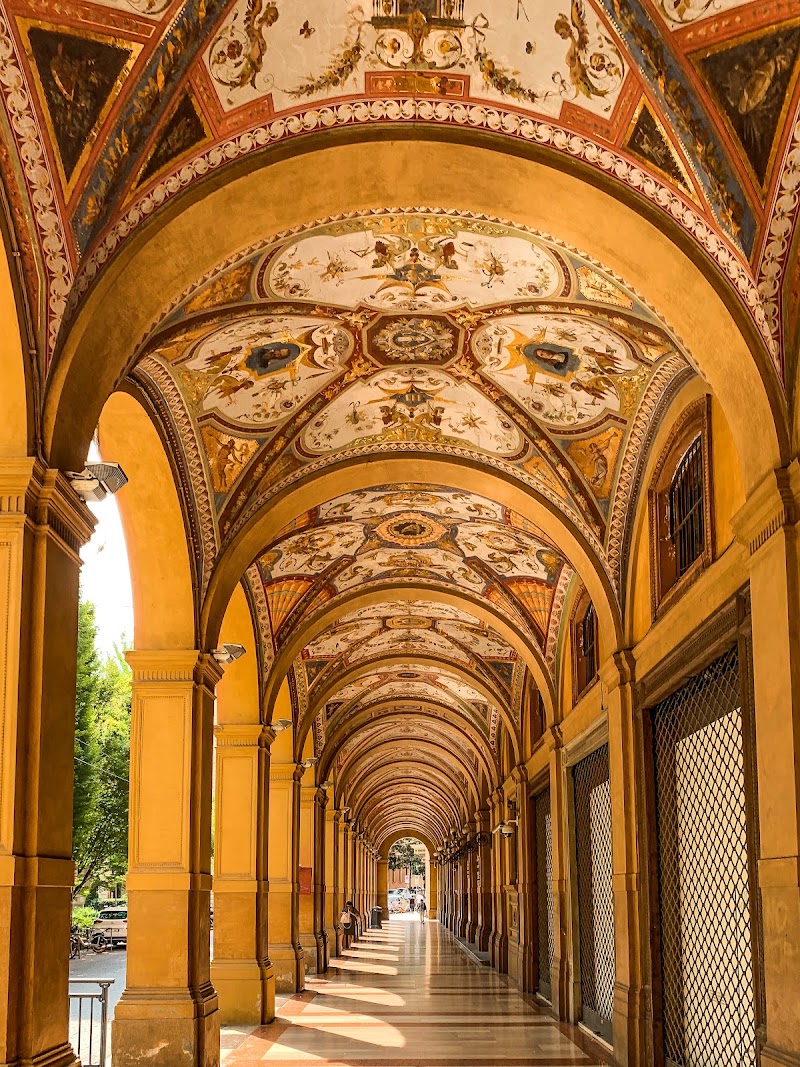
Italy · Bologna
Portici di Bologna: the walkways that define the city
Bologna’s extensive covered walkways turn an ordinary city stroll into a close look at its architecture, history and everyday life.
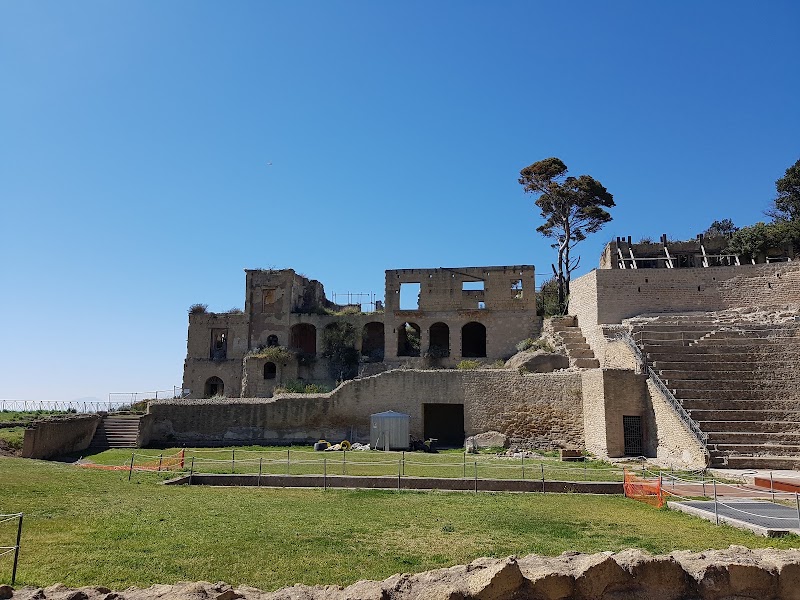
Italy · Napoli
Parco Archeologico del Pausilypon: ruins with a sea view
Roman ruins, two theatres and a remarkable ancient tunnel combine with sweeping coastal scenery at this reservation-led archaeological park.
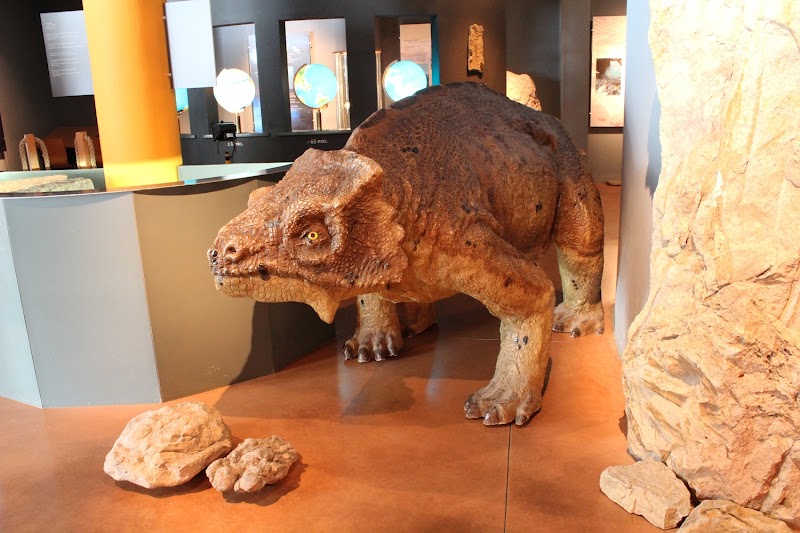
Italy · Aldino
Geology and family hiking at GEOPARC Bletterbach
A dramatic gorge walk near Aldino combines exposed rock formations, educational interest and a rewarding physical challenge for active families.

Italy · Padula
Charterhouse of Saint Lawrence: Monumental Calm in Padula
This vast former Carthusian monastery rewards visitors with monumental cloisters, richly decorated interiors and an unusually peaceful atmosphere.