Pantheon, Ancient Rome’s Remarkable Living Monument
Public reviews focus on the Pantheon’s immense dome, open oculus, preserved architecture and continuing role as a Catholic church.
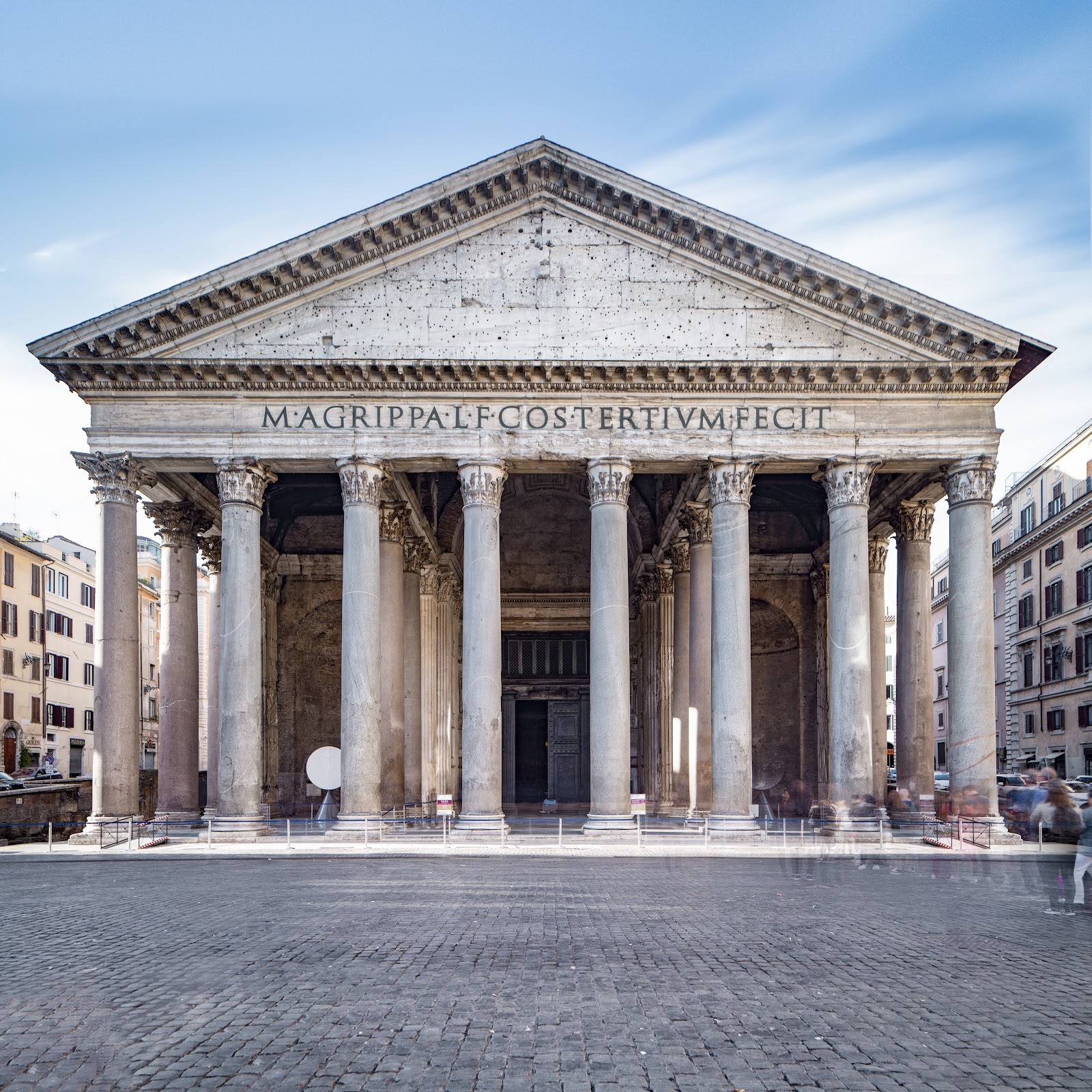
More photos
Photos published by travelers on Google, not AI generated.
What stands out
- Vast dome and open oculus
- Massive ancient entrance columns
- Well-preserved architecture
- Functioning Catholic church
- Piazza della Rotonda setting
Worth knowing
- Crowds can be heavy
- Appropriate clothing is required
- Check closing times and consider advance tickets
Don't miss
What comes up most in public reviews
- Look up through the oculus
- Sit on the church benches
- Study the dome from different angles
- See the Fontana del Pantheon
Worth the trip?
The Pantheon remains one of Roma’s most compelling landmarks because its scale is hard to grasp from photographs. Public reviews give it a 4.8 rating from 289682 reviews, with visitors repeatedly singling out the massive entrance columns, the vast dome and the oculus opening overhead. The building is also still in use as a Catholic church, which shapes how visitors should behave inside.
What visitors come to see
The dome is the main event. Reviewers describe looking straight up through the oculus, then changing position to see how the interior shifts with every angle. Sitting on the church benches is recommended in the reviews, since it offers time to absorb the space rather than making the visit a quick photograph stop.
The exterior makes a strong impression too. Its ancient columns and well-preserved facade stand in the busy Piazza della Rotonda, where the Fontana del Pantheon adds another focal point. One public review describes staying outside because the interior was closed, yet still finding the building impressive enough to justify the stop. That is useful context for visitors planning a short walk through central Roma.
A place with rules and history
The Pantheon is not simply an archaeological shell. Reviews describe it as a functioning Catholic church and a burial place for kings. Appropriate clothing matters, and visitors may be refused entry if they are not dressed suitably. Respectful conduct is expected inside.
Public descriptions also identify the building as one of the best-preserved monuments of the ancient world. They trace its origins to Marcus Agrippa during the reign of Augustus and its later rebuilding under Emperor Hadrian, around 126 AD. The dome is frequently highlighted for its unreinforced concrete construction and enduring structural integrity.
Planning the visit
Crowds are the main practical concern in the available reviews. The piazza is often busy, and the interior can become crowded. One reviewer recommends buying tickets in advance, particularly for a summer visit. Opening times also deserve attention: a visitor arriving after 7:00 PM found the building closed and saw only the exterior.
A visit works best when it is given more than a hurried glance. The main experience is compact, but the dome, oculus, columns and church interior reward a slower look. Visitors should check current opening arrangements before setting out, dress appropriately and allow time for the possibility of queues.
The Pantheon suits travellers interested in ancient architecture, religious heritage and major historic sites in the centre of Roma. Even a closed-door visit can still deliver a memorable exterior view, but entry is what reveals the monument’s full scale.
Plan the rest of the trip
Ask anything
Looking for somewhere else?
Keep exploring around Roma
More from Italy
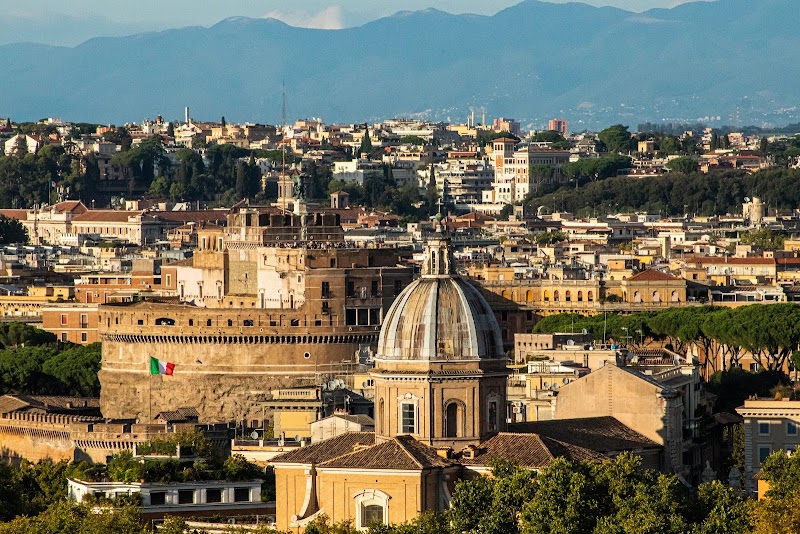
Italy · Roma
Janiculum Hill, Rome’s High Viewpoint Over the City
Janiculum Hill gives visitors broad views across Rome, with fountains, sculptures and a rewarding walk through green surroundings.
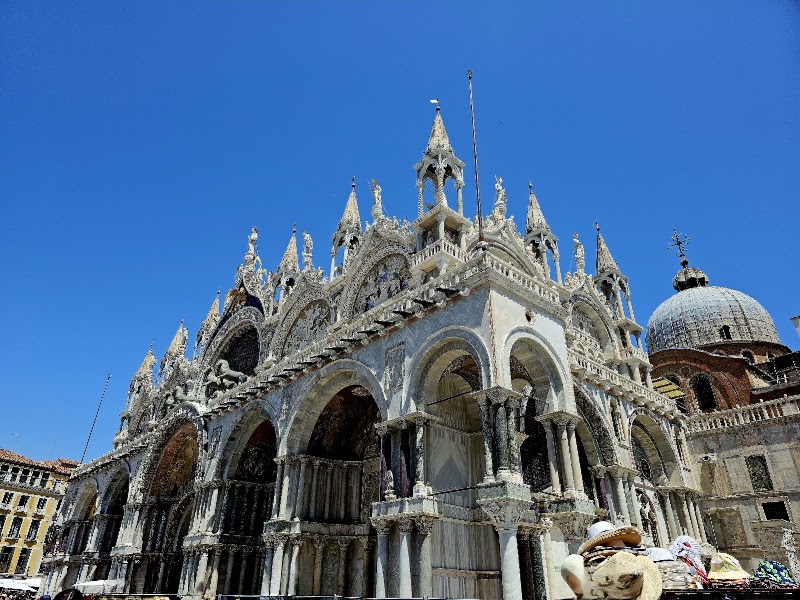
Italy · Venezia
Saint Mark's Basilica: Venice's Gilded Landmark
Saint Mark's Basilica earns its reputation through lavish mosaics, intricate stonework and a richly layered visit beside Piazza San Marco.
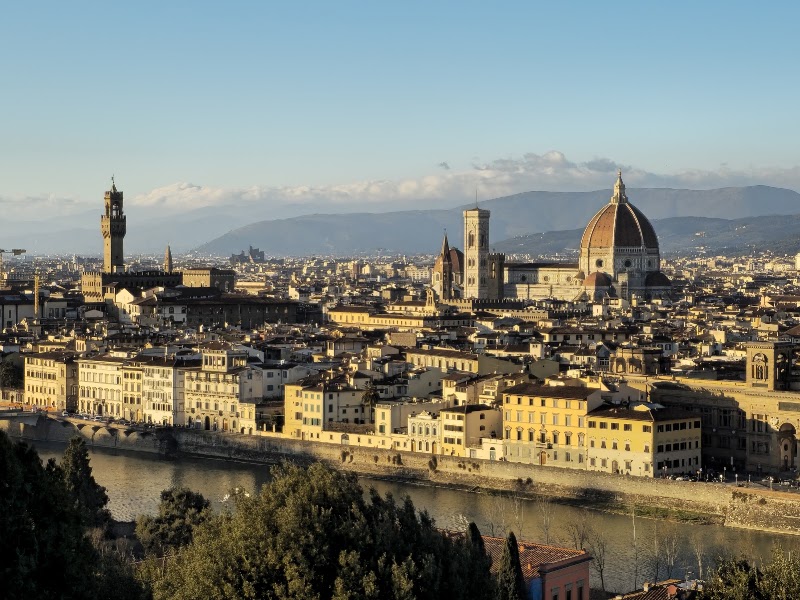
Italy · Firenze
Piazzale Michelangelo: Florence’s Great Viewpoint
This hilltop terrace delivers sweeping views of Florence, with the strongest atmosphere around sunset and the quietest experience outside peak hours.
Italy · Rome
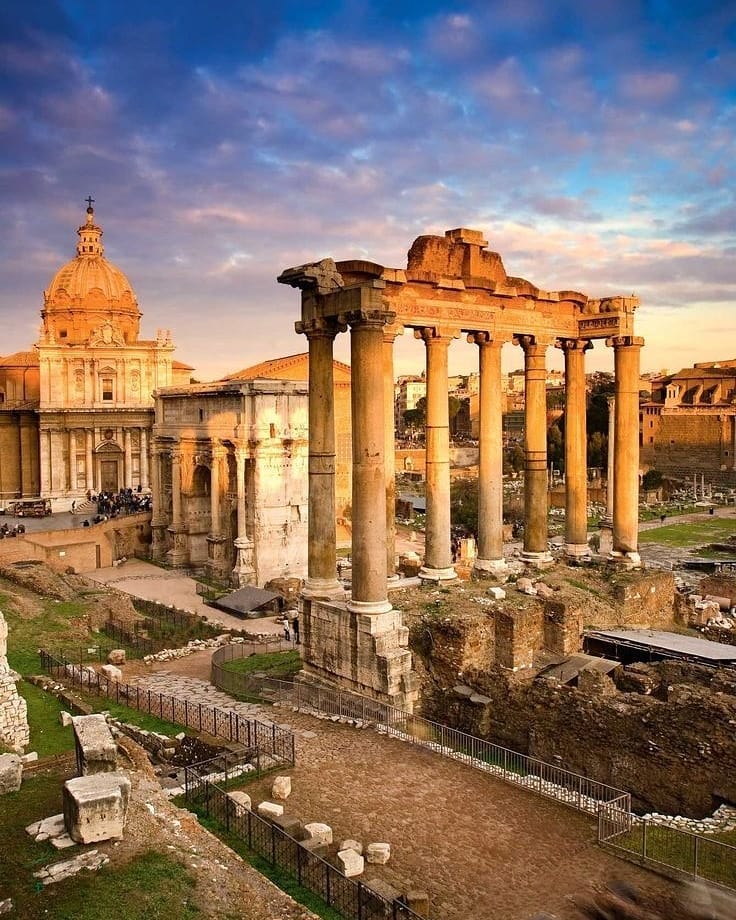
Roman Forum: Ancient Rome on Foot
Public reviews describe the Roman Forum as a vast, moving walk through ancient Rome, with ruins, steep paths and rewarding city views.