Pantheon of the Fatherland: A Solemn Dominican Memorial
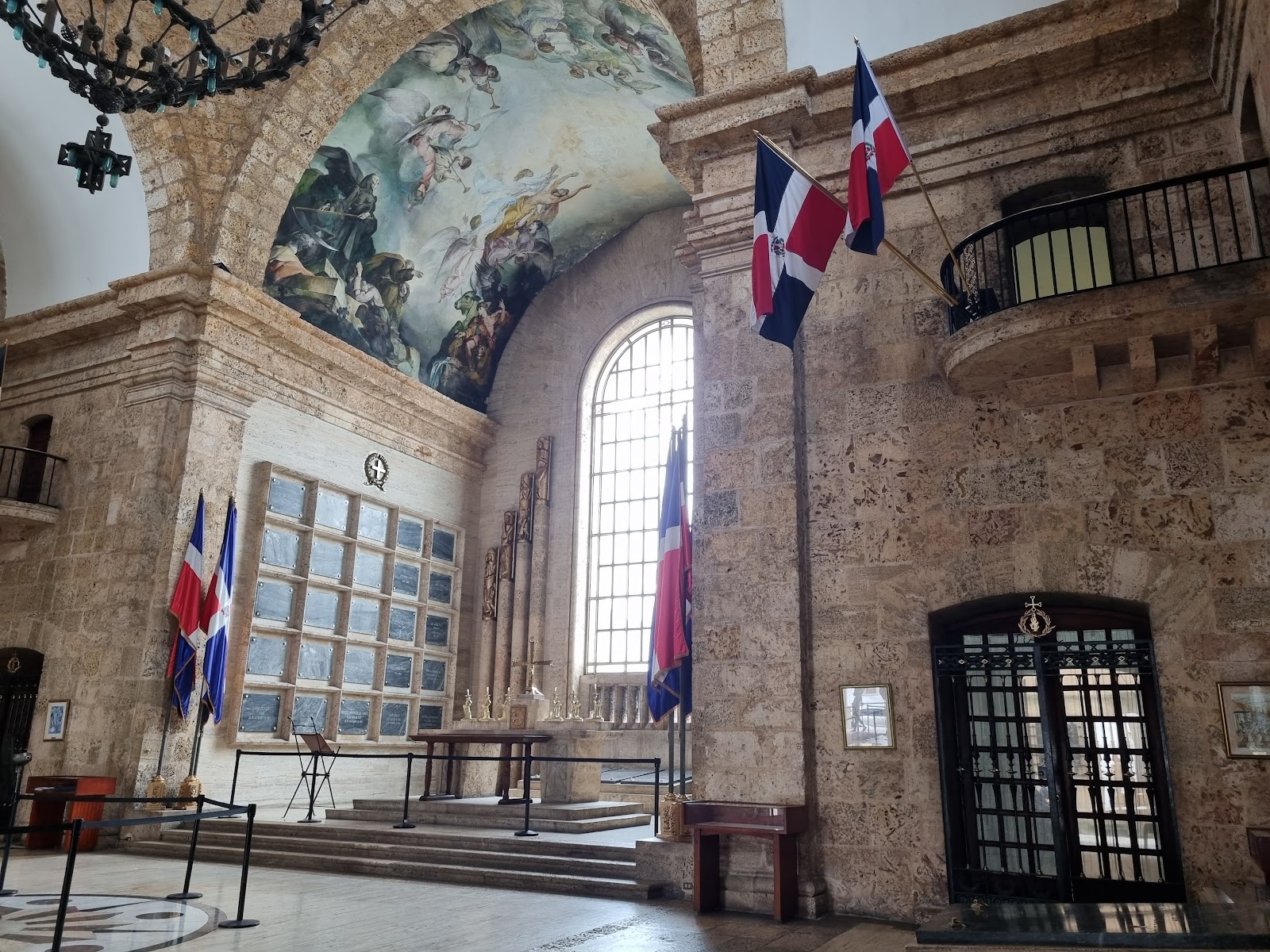
A former Jesuit church in Santo Domingo’s historic district, this dignified pantheon honours prominent figures from Dominican history.
More photos



Photos published by travelers on Google, not AI generated.
What stands out
- Former Jesuit church setting
- Tombs of Dominican national figures
- Solemn, quiet interior
- Eternal flame beneath the chandelier
- Historic architecture and wall sketches
Worth knowing
- Quiet voices and respectful conduct are expected
- Guides may offer services at the entrance
Don't miss
What comes up most in public reviews
- The eternal flame
- The sarcophagi of Dominican heroes
- The historic church architecture
- The sketches along the walls
Worth the trip?
A solemn national memorial
Based on its 4.7 Google rating from 976 reviews, the Pantheon of the Fatherland is regarded as one of the more affecting historical stops in Santo Domingo’s Zona Colonial. Public feedback consistently frames it as both a national monument and a place of remembrance rather than simply another ornate old building.
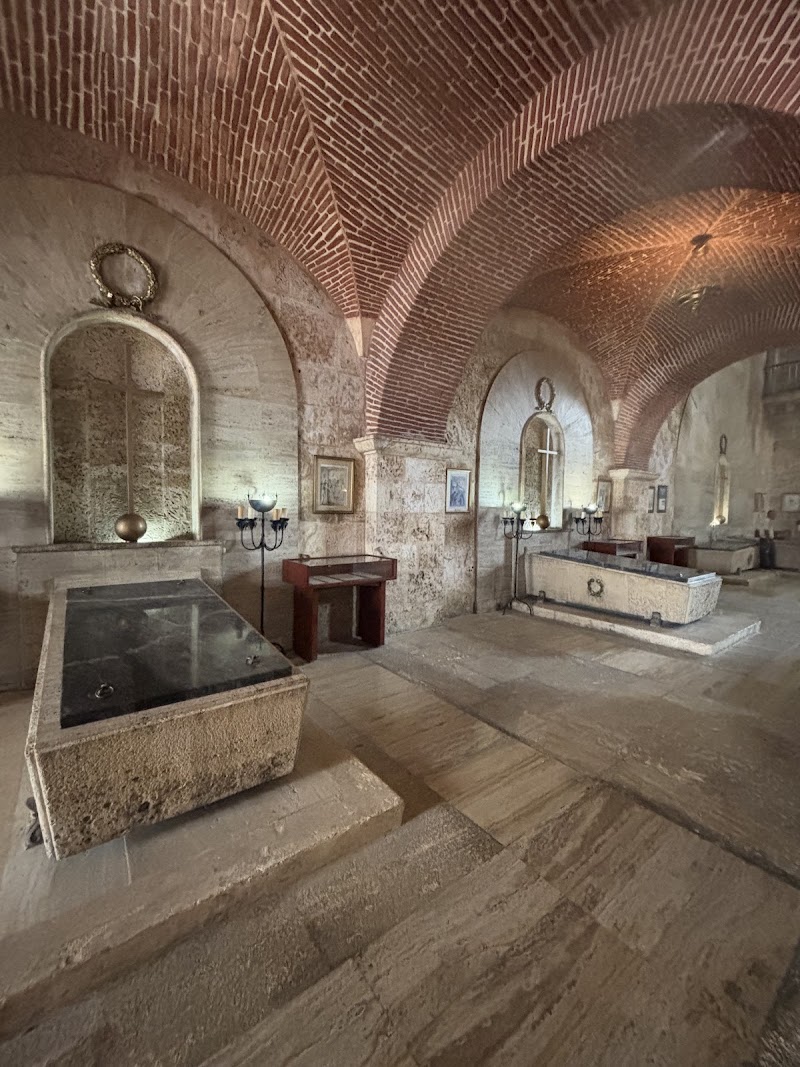
The pantheon occupies a former Jesuit church that was converted into the final resting place of prominent Dominicans. Reviewers refer to national heroes, influential figures and people who fought for the country. Sarcophagi line the interior, giving the space the character of both a church and a mausoleum. The result is visually impressive but deliberately sober.
Architecture, art and the eternal flame
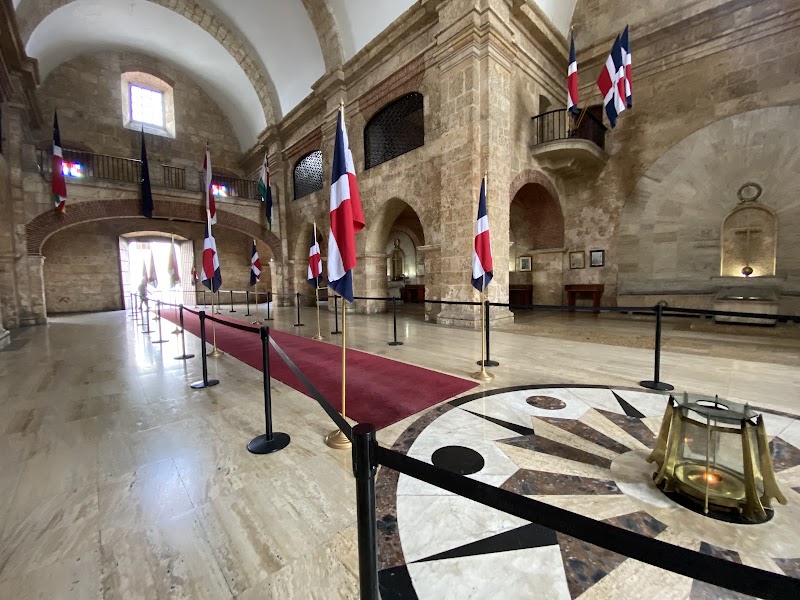
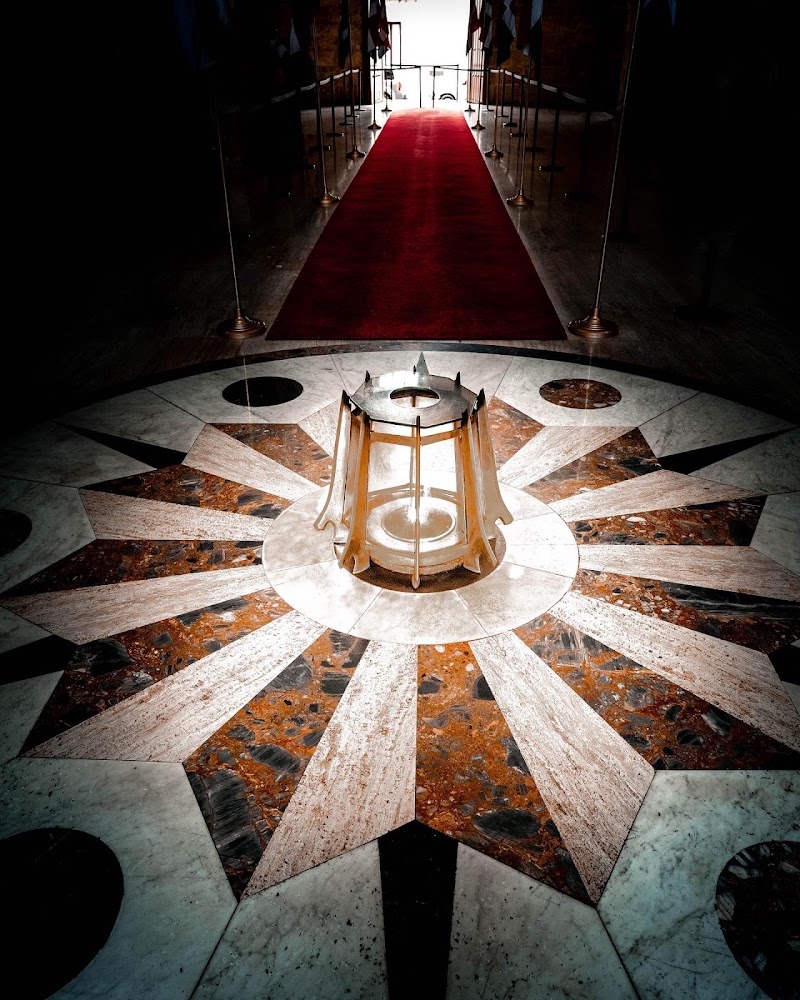
Architecture is one of the most frequently praised features. Visitors describe a beautiful historic setting, with the proportions and atmosphere of the former church still clearly evident. The central chandelier attracts attention, as does the flame burning near the altar in remembrance of those interred here. One reviewer notes that the flame is kept alight with coconut oil.
The wall art also deserves time. Public feedback highlights lively, carefully executed sketches running along the walls, adding visual detail to an interior otherwise defined by stone memorials and ceremonial symbolism. These elements help visitors engage with the building even when they arrive without much prior knowledge of Dominican history.
The eternal flame is the clearest focal point and the detail reviewers most often advise others not to miss. Together with the tombs, architecture and artwork, it gives the pantheon a stronger sense of purpose than a conventional museum display.
Visiting with respect
Reviews repeatedly stress that this is a quiet and solemn place. Low voices are appreciated, and the sarcophagi should be approached with the same respect expected in a mausoleum or active memorial. That atmosphere is part of the experience, particularly when the surrounding streets of the Zona Colonial are busy.
Travellers also mention the evening raising or lowering of the flag, when the national anthem may be played. Passersby are expected to stop and show respect during the ceremony. For those nearby at the right time, it provides an additional glimpse of the pantheon’s continuing ceremonial role.
Guides may offer their services near the entrance. At least one reviewer found a guide knowledgeable, but visitors who prefer to look around independently should be prepared for the approach. Reviews otherwise present the pantheon as an accessible, budget-friendly cultural stop in one of Santo Domingo’s most visited areas.
Editorial verdict
The Pantheon of the Fatherland suits travellers interested in Dominican history, memorial architecture and quieter cultural experiences. Its appeal comes less from scale than from the combination of national symbolism, evocative architecture and a strong sense of ceremony. The exceptionally positive public rating suggests it works especially well as a brief but meaningful stop during a wider walk through the Zona Colonial.
Ask anything
Looking for somewhere else?
Keep exploring around Santo Domingo
More from Dominican Republic
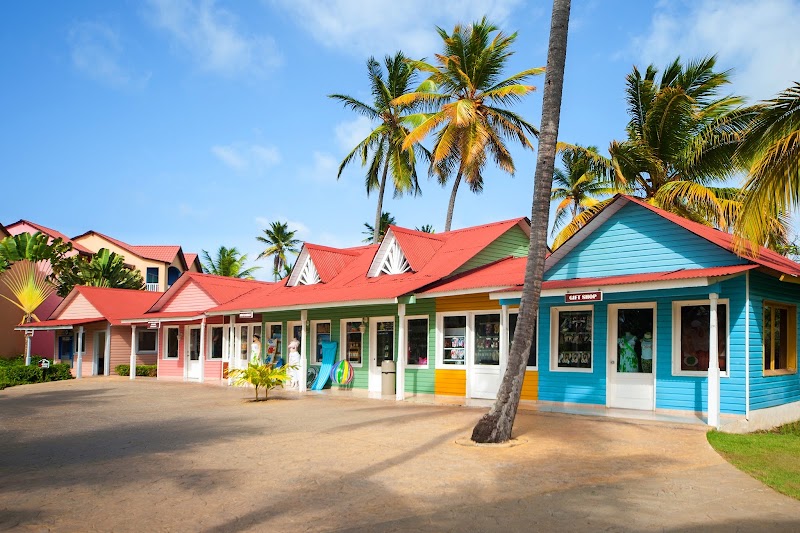
Dominican Republic · Higüey
Punta Cana Princess: lively resort with mixed room reviews
Strong entertainment and attractive grounds stand out, but public reviews raise recurring concerns about room cooling, upkeep and inconsistent food.

Dominican Republic · Punta Cana
Barceló Bávaro Beach: Strong Setting, Uneven Rooms
Public reviews praise the beach, grounds and resort facilities, while room condition, service and hygiene reports create notable reservations.
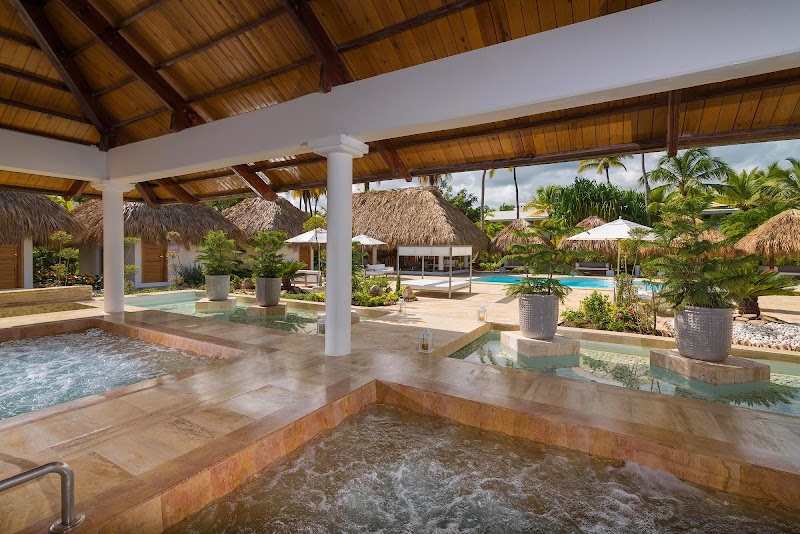
Dominican Republic · Punta Cana
Meliá Caribe Beach Resort: Lively All-Inclusive Comfort
A large Punta Cana resort praised for its beach, welcoming staff, family-friendly energy and broad mix of activities.
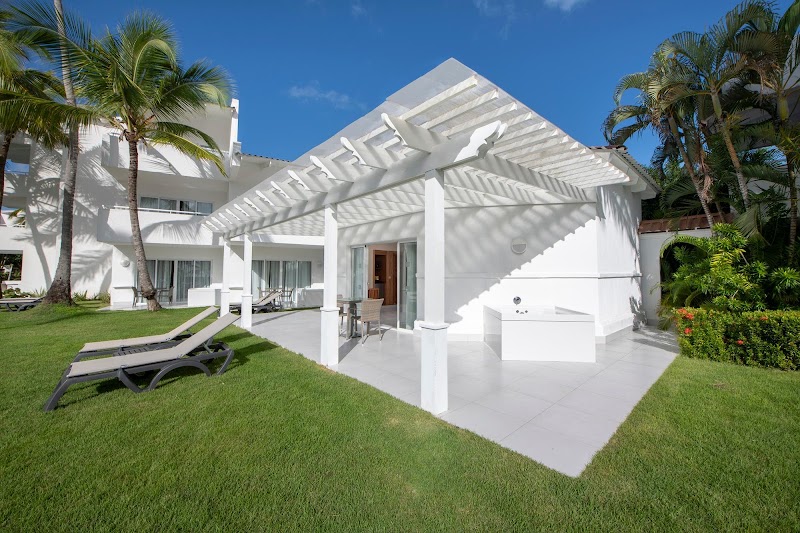
Dominican Republic · Punta Cana
Occidental Punta Cana: Lively Beach Resort for Families
A broad mix of dining, entertainment and beach time makes this Punta Cana resort appealing, though service consistency draws criticism.