Palacio Nacional de la Cultura: Guatemala City’s Green Icon
Guided tours reveal the monumental architecture and national history of Guatemala City’s distinctive Palacio Verde.
More photos
Photos published by travelers on Google, not AI generated.
What stands out
- Monumental green exterior
- Guided historical interpretation
- Grand interior architecture
- Kilómetro Cero location
- Plaza de la Constitución setting
Worth knowing
- Interior access is by guided tour only
- English tours may be infrequent
- Cash payment may be required
Don't miss
What comes up most in public reviews
- See the Palacio Verde exterior
- Join a guided palace tour
- Ask about an English-language departure
- Find the Kilómetro Cero marker
- Walk through Plaza de la Constitución
Worth the trip?
Why it stands out
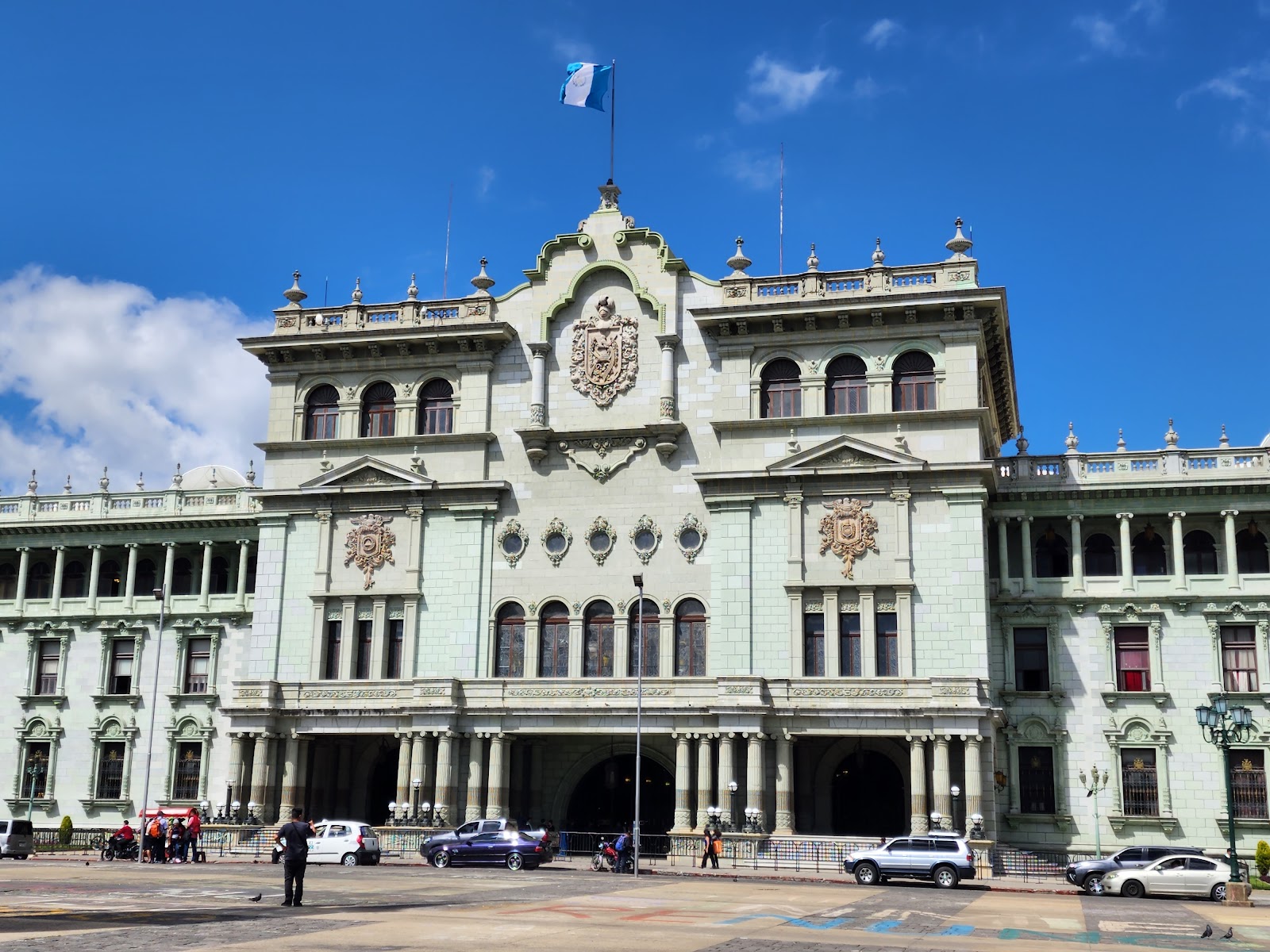
Palacio Nacional de la Cultura is one of the defining landmarks of Guatemala City’s Centro Histórico. Occupying the north side of Plaza de la Constitución in Zona 1, the monumental building is widely known as the Palacio Verde because of its striking green exterior. It also marks Kilómetro Cero, the reference point from which Guatemala’s highway distances are measured.
Public feedback is notably positive, with a Google rating of 4.6 from 4118 reviews. Travellers repeatedly describe the palace as beautiful, impressive and essential viewing for visitors interested in Guatemala’s history. Its position beside the city’s principal square also makes it a natural anchor for exploring the historic centre, rather than an isolated museum stop.
The guided-tour experience
Reviews indicate that the interior can only be visited as part of a guided tour. This structure appears to benefit the experience: visitors frequently praise the opportunity to learn about Guatemalan history while moving through the building’s grand interior. The architecture itself is a recurring highlight, with reviewers describing both the palace and its internal spaces as stunning.
Spanish-language tours are available, while English provision appears less predictable. Some travellers joined bilingual tours, but others found that only one English tour was scheduled during the day. Reviews suggest that tours generally depart on the hour, although English departures may be separated by several hours. Anyone requiring an English guide should confirm the day’s timetable before travelling to Zona 1 rather than assuming that every departure will be bilingual.
Planning the visit
Arriving at least 10 minutes before the confirmed tour time is sensible. Because entry is tied to scheduled departures, arriving just after the hour may create a significant wait, particularly when English tours are limited. The palace works best as a planned appointment within a Centro Histórico itinerary, with additional time left for Plaza de la Constitución outside.
Cash is important. Multiple reviewers report that cards were not accepted for admission, so foreign visitors should carry local currency. One review also states that admission is free for Guatemalans while foreign visitors pay an entry fee, though current access rules and payment arrangements should be checked before arrival.
Verdict
The Palacio Nacional de la Cultura is best suited to travellers who want context alongside architecture. The compulsory tour makes it less flexible than a museum that permits independent wandering, but reviews suggest that knowledgeable guidance adds substance to the visit. Its green exterior, imposing scale, historical interpretation and Kilómetro Cero status combine to make it one of the clearest introductions to Guatemala City’s civic identity.
The main limitation is logistical rather than experiential. Tour schedules, especially in English, can be sparse, and cash-only payment requires preparation. With the departure time confirmed in advance, the palace earns its strong public reputation as a worthwhile Centro Histórico attraction.
Plan the rest of the trip
Ask anything
Looking for somewhere else?
Keep exploring around Ciudad de Guatemala
More from Guatemala
Guatemala · Laguna Yaxjá
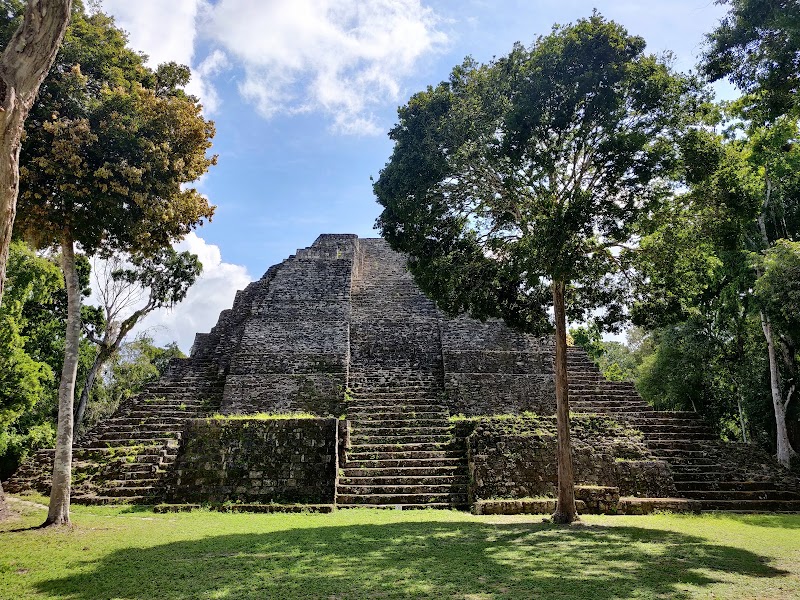
Acropolis Norte: Yaxha’s standout pyramid complex
Public reviews praise this restored Maya complex for climbable pyramids, broad views, jungle wildlife and a quieter atmosphere than Tikal.

Guatemala
Maya weaving traditions explained with care near Antigua
This family-run museum pairs detailed textile interpretation with weaving demonstrations and a well-regarded collection of handmade pieces.
Guatemala · Calabasco
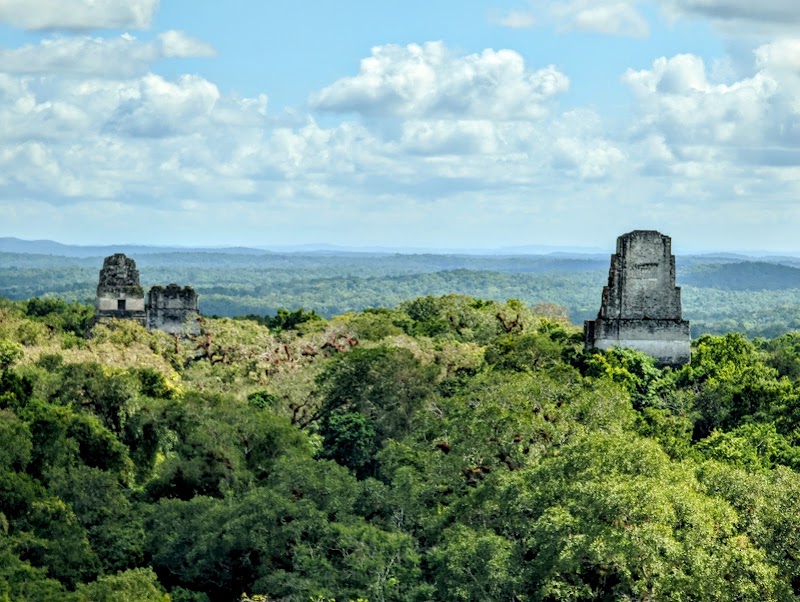
Reserva de Biosfera Maya: Tikal, wildlife and vast forest
Public reviews pair the reserve’s extraordinary biodiversity with Tikal’s monumental ruins, though crowds and substantial walking require preparation.
Guatemala · Ciudad de Guatemala
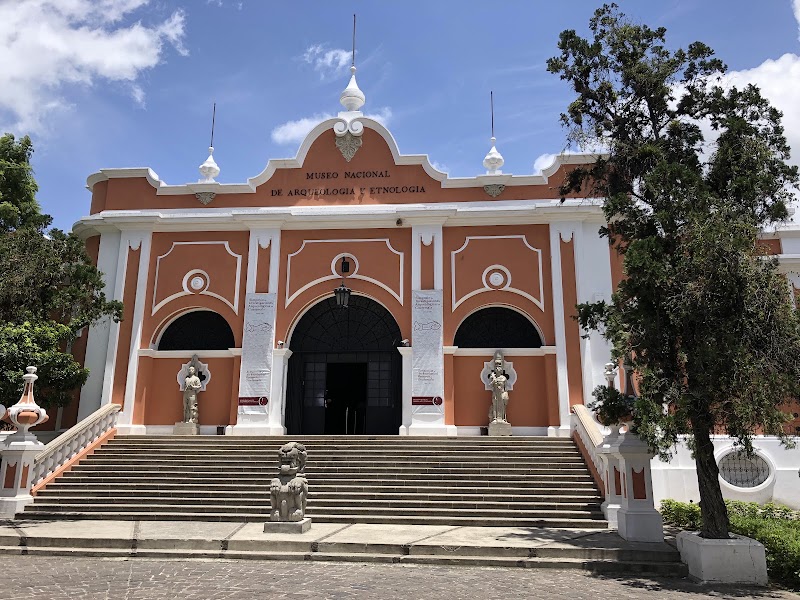
Maya art and archaeology in Guatemala City
A compact, well-curated museum with jade, ceramics, carved stelae and displays exploring Maya history, writing and living traditions.