Palacio Legislativo: Architecture and Democracy on Display
Montevideo’s working legislature pairs monumental architecture with guided tours that explain Uruguay’s history and democratic institutions.
More photos

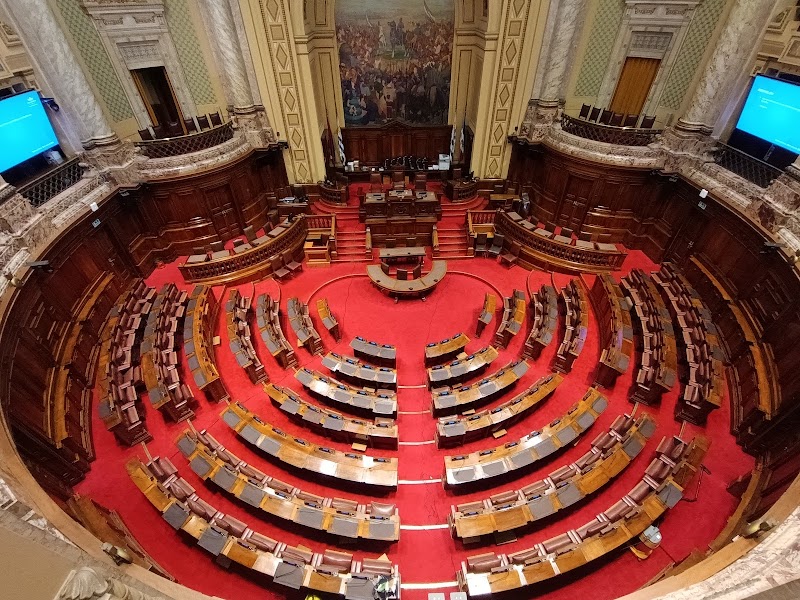

Photos published by travelers on Google, not AI generated.
What stands out
- Well-preserved monumental architecture
- Informative guided tours
- English- and Spanish-language tours
- Insight into Uruguay’s democratic system
- Chance to see legislative activity
Worth knowing
- Online tour information may be inaccurate
- Interior access is limited without a tour
- Tours may involve stairs and wooden seating
Don't miss
What comes up most in public reviews
- A guided tour of the interior
- An English-language tour, if available
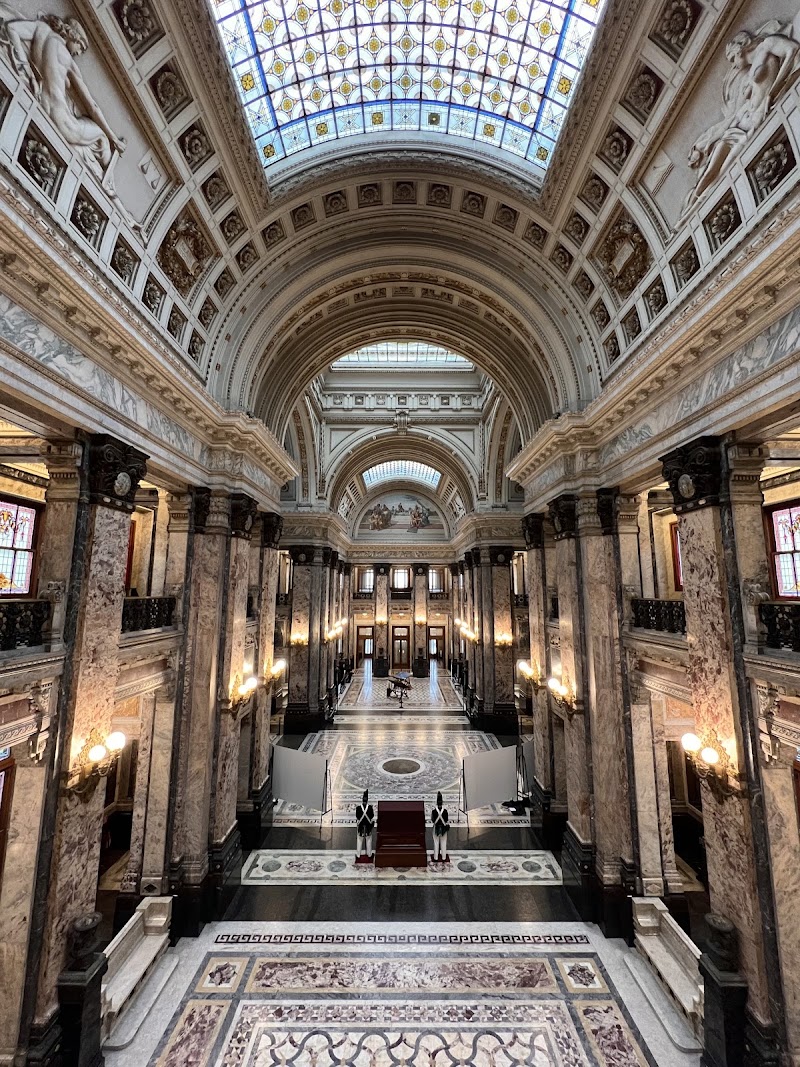
- The rectangular skylight well
- Explanations of Uruguay’s history and democracy
Worth the trip?
Why it stands out
Palacio Legislativo earns a strong 4.7 rating from 3080 Google reviews, with public feedback repeatedly praising its architecture, preservation and educational value. This is not simply a ceremonial monument. It remains a functioning seat of government, and some visitors have been able to observe legislative discussions during their visit.
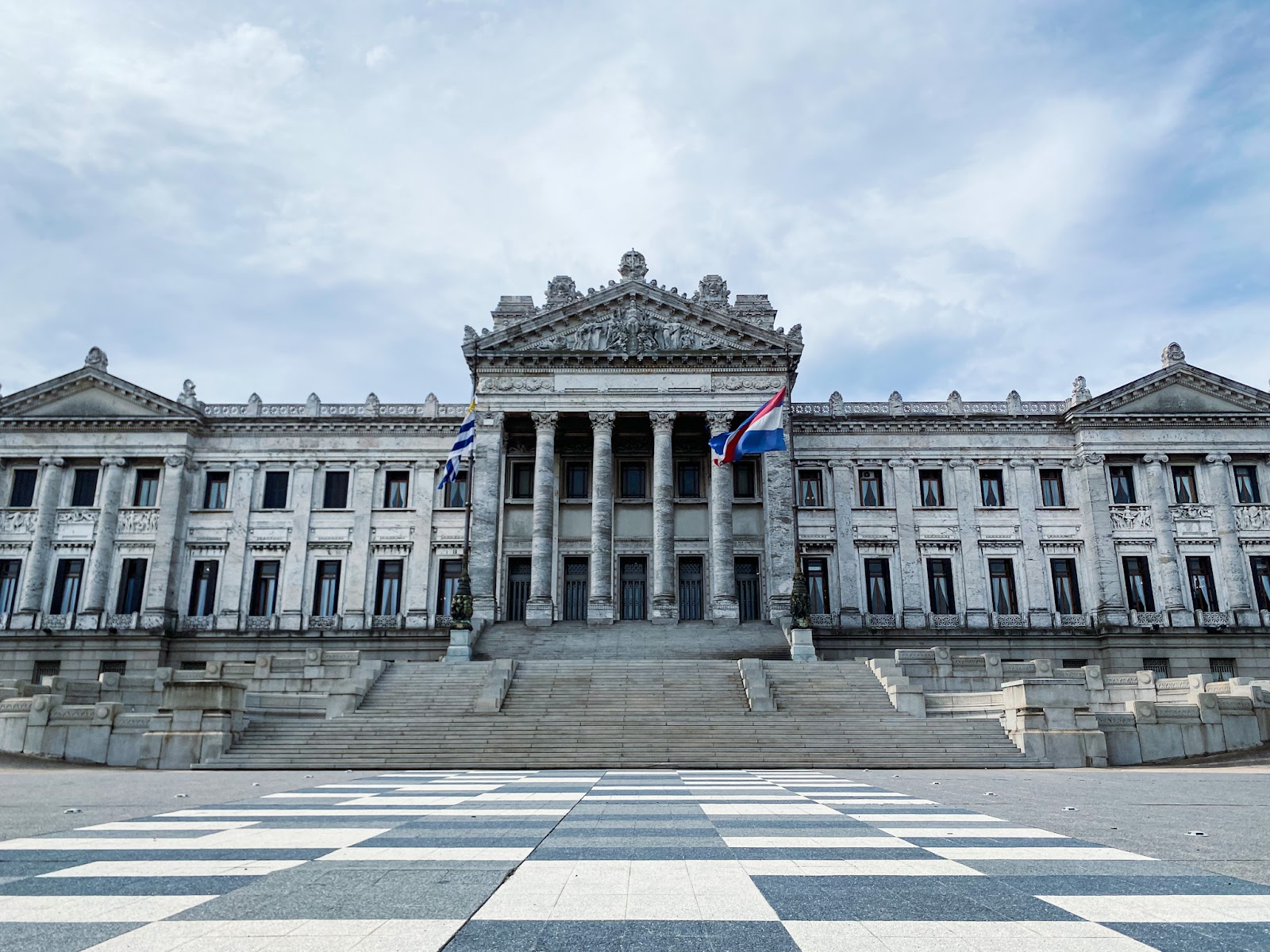
Reviewers describe the building as beautiful, imposing and remarkably well maintained. Its design is commonly framed as Greco-Roman eclectic architecture from the turn of the 20th century. One especially distinctive feature identified in public feedback is the rectangular skylight well, which differs from the large classical domes associated with some other national legislative buildings.
The guided-tour experience
The guided tour is the clearest recurring recommendation. Visitors report that it provides context on Uruguay’s history, democratic framework and legislative system, turning an impressive building into a more meaningful introduction to the country. English- and Spanish-language tours are mentioned, and English-speaking visitors have been particularly positive about the depth of information provided.
The tour also appears to be important for practical access. According to reviews, many interior areas cannot be entered independently, and little educational information is available without a guide. That makes the experience less suitable for an entirely spontaneous visit. Travellers primarily interested in the interior should confirm the current tour schedule before setting out.
Architecture and atmosphere
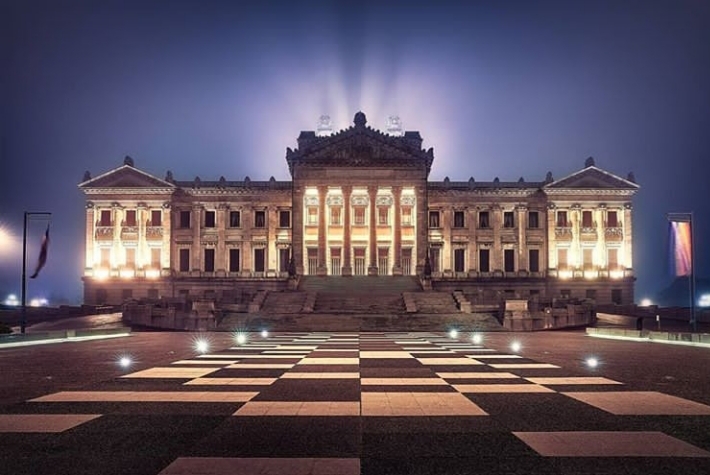
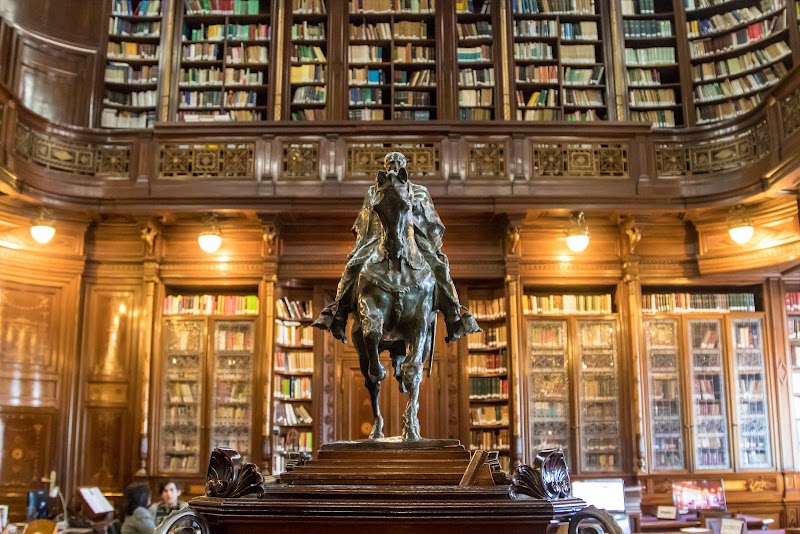
Even without a detailed interest in politics, the architecture is a major reason to visit. Reviews consistently highlight the building’s scale, condition and richly formal appearance. The preserved interiors add to the impression, while the possibility of seeing legislative activity gives the visit a sense of immediacy that a conventional historical monument may lack.
The strongest feedback comes from travellers who joined a guided tour rather than viewing the exterior alone. Their comments suggest that the historical explanation and access to interior spaces are central to the attraction’s appeal. For those trying to understand Montevideo or Uruguay beyond streetscapes and museums, Palacio Legislativo can provide useful political and historical context.
Planning the visit
Public feedback raises a few practical concerns. At least one visitor found that information published online did not match the tours available on arrival, with guided visits offered only at limited times. Since access can vary around government business, checking the latest arrangements directly is sensible.
Mobility is another consideration. A reviewer notes that the tour involves climbing stairs and sitting on wooden chairs. Travellers with accessibility requirements should ask about step-free options and seating before attending.
Overall, Palacio Legislativo is most rewarding as a planned guided visit. The combination of monumental architecture, a working democratic institution and an informative account of Uruguay’s history explains its consistently enthusiastic reception. The exterior alone is striking, but the tour supplies the substance behind the façade.
Ask anything
Looking for somewhere else?
Keep exploring around Montevideo
More from Uruguay
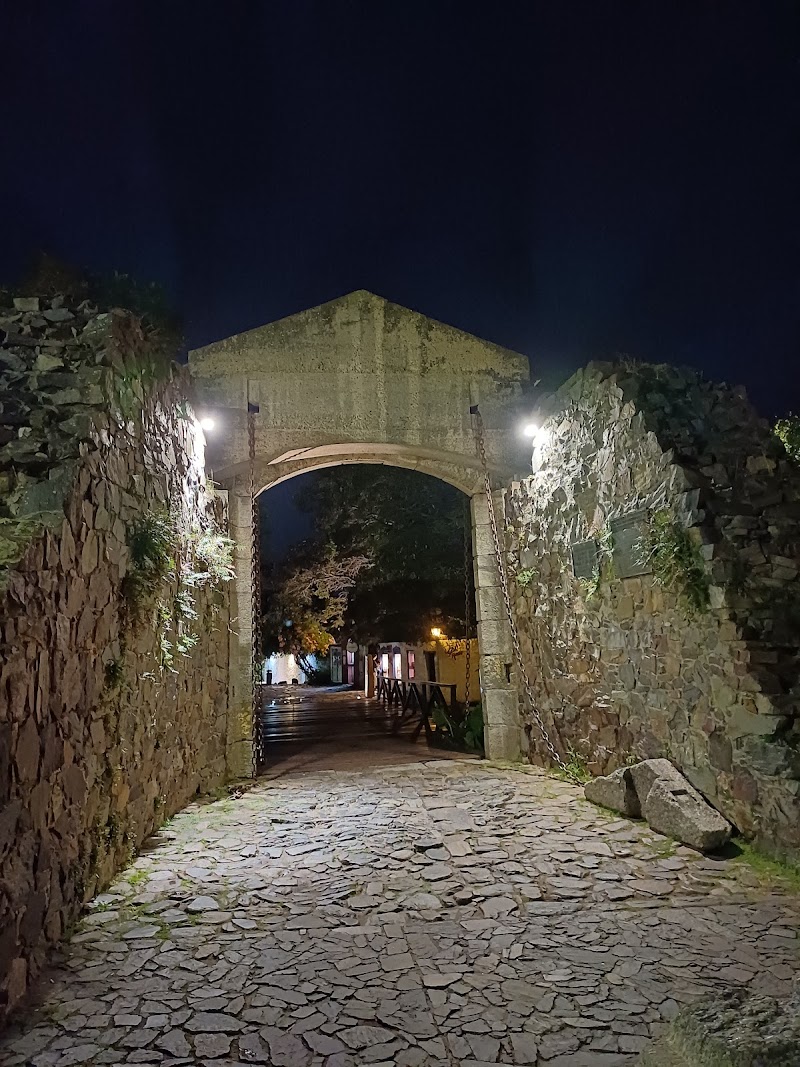
Uruguay · Colonia del Sacramento
Puerta de la Ciudadela: Colonia’s Historic Gateway
Colonia del Sacramento’s preserved city gate offers a striking passage into the old walled quarter and a tangible link to its Portuguese past.
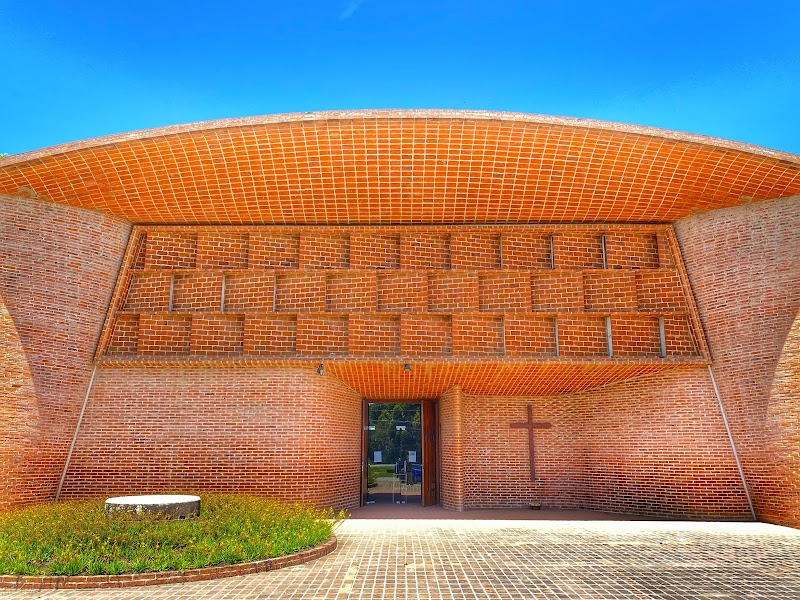
Uruguay · Estación Atlántida
Cristo Obrero Church: Dieste’s Brickwork in Motion
This UNESCO-listed church near Atlántida pairs Eladio Dieste’s structural ingenuity with rippling brick walls and jewel-like stained glass.
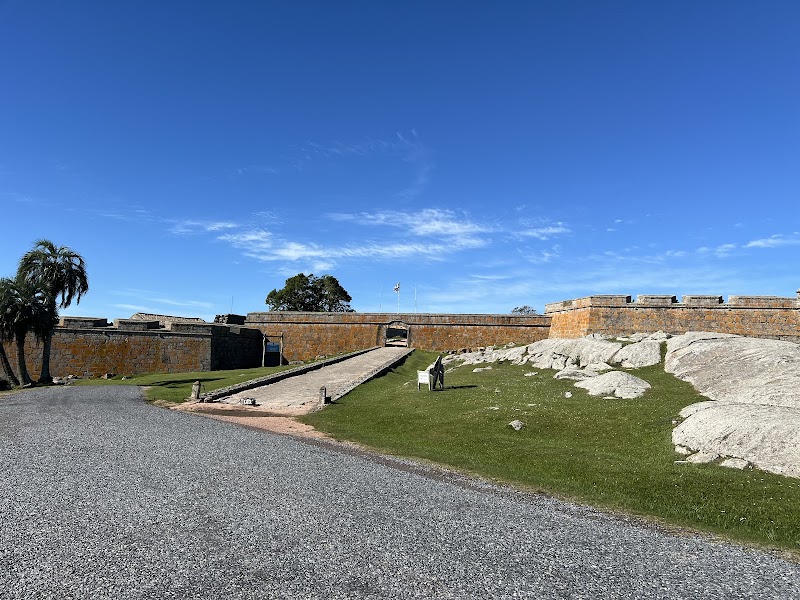
Uruguay
Fortress of Santa Teresa: History Inside a National Park
Strong reviews, preserved fortifications and a nature-rich park setting make this an easy historical stop on Uruguay’s Atlantic side.

Uruguay · Trinidad
Palace Cave: Geology and History Near Trinidad
An intimate archaeological park where unusual ferricrete formations, wildlife and knowledgeable guides turn a short visit into a memorable one.