Palace of Culture: Tirana’s Monumental Arts Landmark
A commanding presence on Skanderbeg Square, the Palace of Culture combines monumental architecture with opera, ballet and cultural events.

More photos

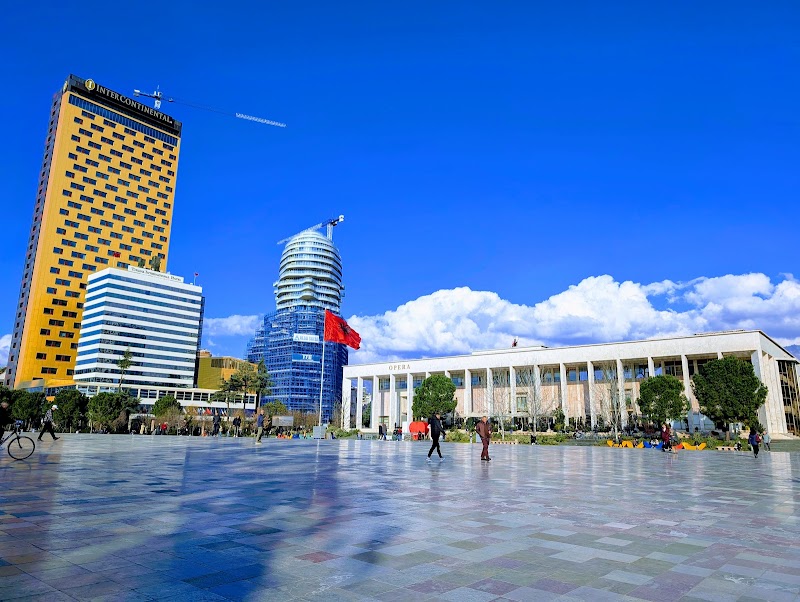


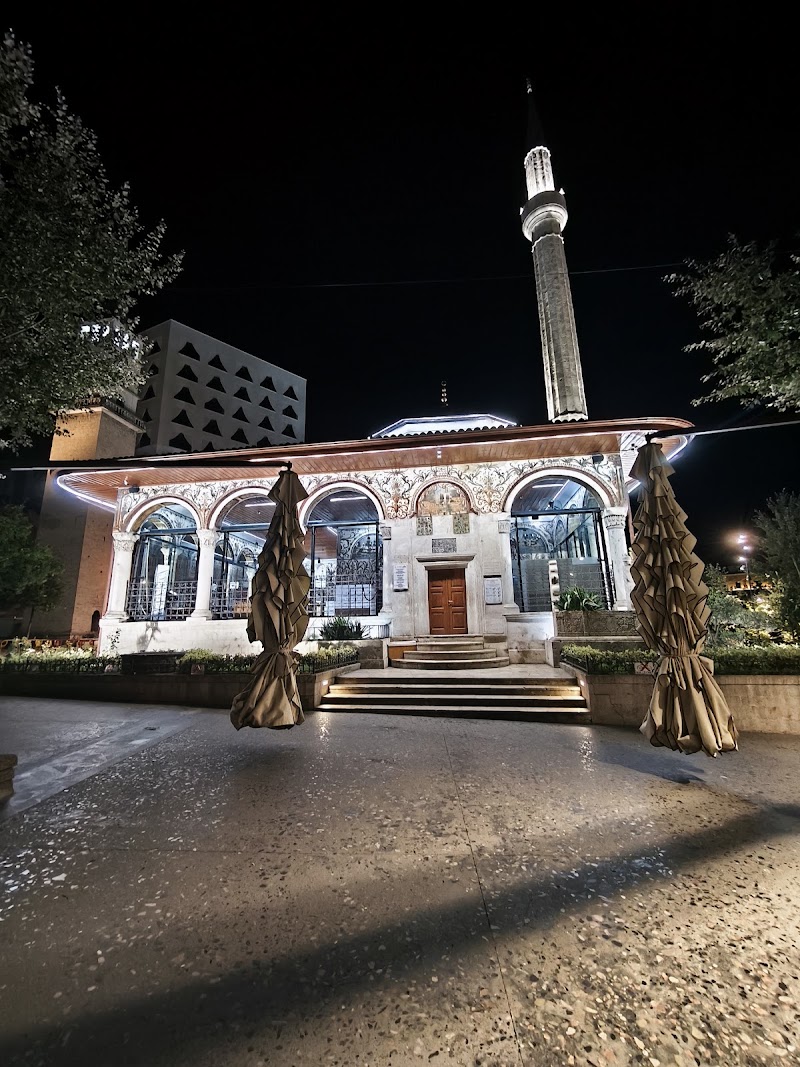
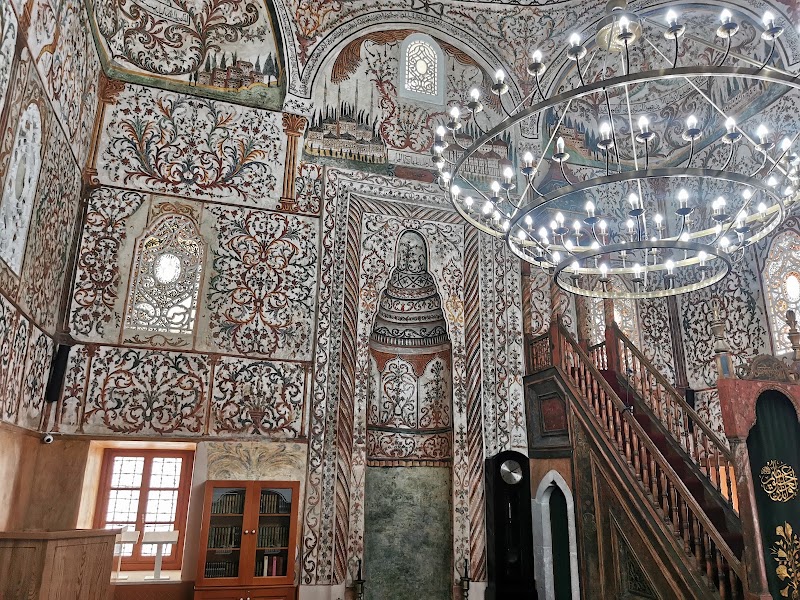
Photos published by travelers on Google, not AI generated.
What stands out
- Monumental pillared façade
- Prime Skanderbeg Square location
- Opera and ballet performances
- Strong connection to Albanian cultural life
Worth knowing
- Most auditorium announcements may be in Albanian
- Rear stalls may be affected by passage traffic
Don't miss
What comes up most in public reviews
- The massive colonnade facing Skanderbeg Square
- An opera or ballet performance
- The illuminated exterior after dark
Worth the trip?
A landmark on Skanderbeg Square
Public feedback consistently presents the Palace of Culture as one of the defining buildings around Skanderbeg Square. With a Google rating of 4.6 from 634 reviews, it is appreciated both as a functioning cultural venue and as part of Tirana’s central architectural ensemble. Travellers repeatedly mention its scale, prominent position and massive pillars, which give the building a formal, monumental character.
Even visitors who do not attend a performance find value in seeing the exterior. Reviews describe it as attractive during the day and after dark, while the deep colonnade provides shade and a useful visual frame for photographs of the square. Its central location also makes it an easy addition to a wider walk through the heart of Tirana rather than an attraction requiring a separate excursion.
More than an imposing façade
The Palace of Culture is a multi-use complex associated with performances, exhibitions and other cultural activity. Opera and ballet are the most frequently mentioned reasons to go inside, and reviewers connect the venue strongly with Albanian art, music and heritage. The building also contains a mixture of other functions, including cafés, restaurants, a bookshop and cultural organisations, according to public feedback.
The experience varies depending on what is scheduled. Someone passing through the square may mainly encounter the architecture, while a performance-goer receives a fuller sense of the building’s role in the city. This distinction matters: the Palace works well as a quick sightseeing stop, but its strongest appeal comes when the visit coincides with an opera, ballet, exhibition or event.
The performance experience
One detailed review of a ballet programme praised the dancers and costumes, suggesting that the venue can deliver a visually rewarding evening. That review also identified practical limitations. Most announcements were reportedly made in Albanian, with only a brief pre-performance message in English. International visitors should therefore expect limited English-language guidance inside the auditorium.
Seating position may also affect comfort. The same performance-goer advised against the last row of the stalls because a wide passage behind it created movement and distraction. This is not enough evidence to judge every production or seating layout, but it is a useful point to consider when selecting seats.
Editorial verdict
Synthesised reviews indicate that the Palace of Culture succeeds first as a central Tirana landmark and second as a gateway to the city’s performing arts. Its imposing columns and frontage contribute strongly to Skanderbeg Square, making it worthwhile even without an event ticket. Travellers interested in opera, ballet or Albania’s cultural identity have the clearest reason to venture inside.
A short daytime visit is sufficient for the architecture and square, while an evening performance adds considerably more substance. Limited English announcements and possible disturbance around the rear stalls are the main cautions raised in the available feedback.
Ask anything
Looking for somewhere else?
Keep exploring around Tiranë
More from Albania
Albania
Himara Old Town: Castle Ruins and Sweeping Coastal Views
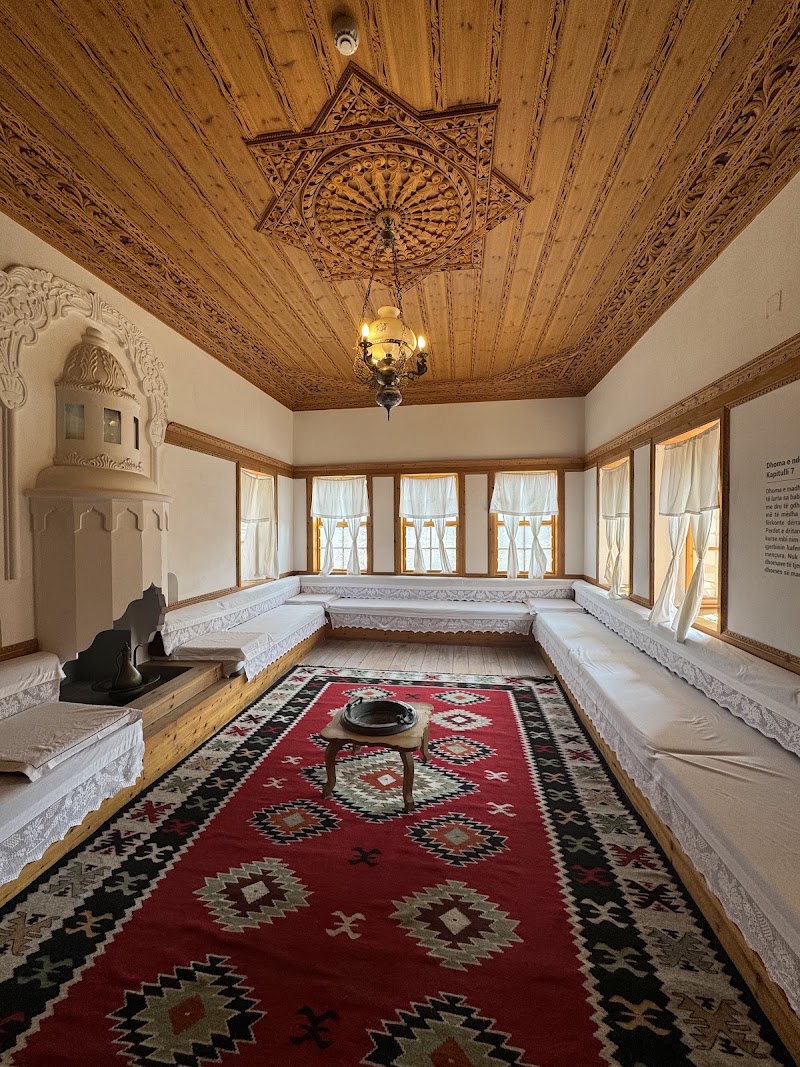
Above modern Himarë, this inhabited old village combines weathered fortifications, historic churches, mountain scenery and broad views of the coast.
Albania · Gjirokastër
Ismail Kadare’s House: Stylish, Sparse and Divisive
This reconstructed Gjirokastër house offers a reflective introduction to Kadare’s childhood, though reviews question its depth and modern restoration.
Albania · Vlora
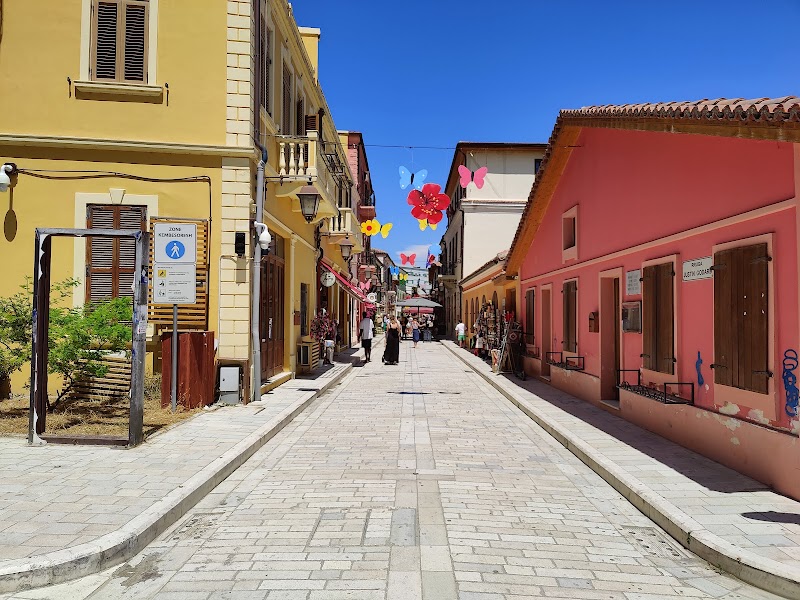
Vlora Old Town: A Compact Quarter for a Leisurely Stroll
Restored façades, pedestrian lanes, cafés and nearby monuments make this small historic quarter a pleasant, if brief, Vlora stop.

Albania · Pojan
Apollonia Archaeological Park: ruins, views and quiet
Ancient ruins, a well-regarded museum and a peaceful hilltop setting make Apollonia one of Albania’s most rewarding historical stops.