Palace Cave: Geology and History Near Trinidad
An intimate archaeological park where unusual ferricrete formations, wildlife and knowledgeable guides turn a short visit into a memorable one.

More photos
Photos published by travelers on Google, not AI generated.
What stands out
- Unusual ferricrete rock formations
- Friendly and informative guides
- Birds and wildlife
- Small, well-kept archaeological park
Worth knowing
- Roughly 1km of walking in the sun
- Limited sights beyond the main formations
Don't miss
What comes up most in public reviews
- Ask how the caves were formed
- Learn about the petrified termite or ant nests
- Discuss conservation with the guide
- Look for birds and wildlife
Worth the trip?
What public reviews reveal
Palace Cave holds a Google rating of 4.5 from 1696 reviews, with the available feedback consistently praising its unusual geology and enthusiastic guides. This assessment is synthesized from those public ratings and traveller comments rather than an in-person visit.
Visitors tend to describe the attraction as small, well kept and distinctive. The appeal is not based on a long list of sights. Instead, it comes from seeing a curious geological formation while learning how the caves developed and why the site matters. Several reviewers also frame the experience as a brief encounter with Uruguay’s history, giving the compact park more weight than its size might suggest.
The result appears particularly rewarding for travellers who enjoy interpretation alongside scenery. Those expecting an extensive cave complex or a full day of varied activities may find the scope limited.
Geology, wildlife and atmosphere
The principal feature is the ferricrete rock formation. One reviewer specifically describes structures associated with petrified termite or ant nests, suggesting that the site’s interest lies in unusual natural processes rather than conventional underground chambers alone. The formations are repeatedly treated as the reason to visit, especially when their development is explained by a guide.
Public comments also mention birds and other wildlife. These sightings add interest to the approach and the wider archaeological park, although reviews do not identify particular species. The overall setting is described as pleasant and carefully maintained rather than large or heavily developed.
Its compact scale divides opinion slightly. Admirers call Palace Cave unique and memorable, while a more reserved review notes that there is not much else to see beyond the rock formations. That is a useful expectation to set: this is a focused attraction, not a sprawling natural reserve with numerous separate landmarks.
The guided experience
Guides are the clearest recurring strength. Reviewers describe them as helpful, friendly, informative and passionate about the place. Their explanations reportedly cover how the caves formed, the history attached to them and the importance of keeping the environment safe. For visitors without a background in geology or archaeology, that interpretation appears central to making sense of what they are seeing.
The attraction is therefore best approached as a guided educational visit. The strongest reviews do not simply praise the appearance of the rocks; they emphasise how staff turn those formations into a coherent story. Asking about the ferricrete, the petrified nests and conservation should provide the most value from the experience.
Planning the visit
At least one public review warns of a roughly 1km walk in direct sun. A hat and drinking water are sensible, particularly during hotter or brighter conditions. Visiting during a cooler part of the day should make the approach more comfortable, though the supplied reviews do not establish a preferred season.
Cost is described by one reviewer as budget friendly, but no consistent price information is available. A half-day allocation should suit the attraction’s modest size while leaving room for the walk and guided interpretation. Palace Cave is most likely to satisfy curious travellers, geology enthusiasts, families with an interest in natural history and anyone who values an engaged guide over a long checklist of sights.
Plan the rest of the trip
Ask anything
Looking for somewhere else?
Keep exploring around Trinidad
More from Uruguay
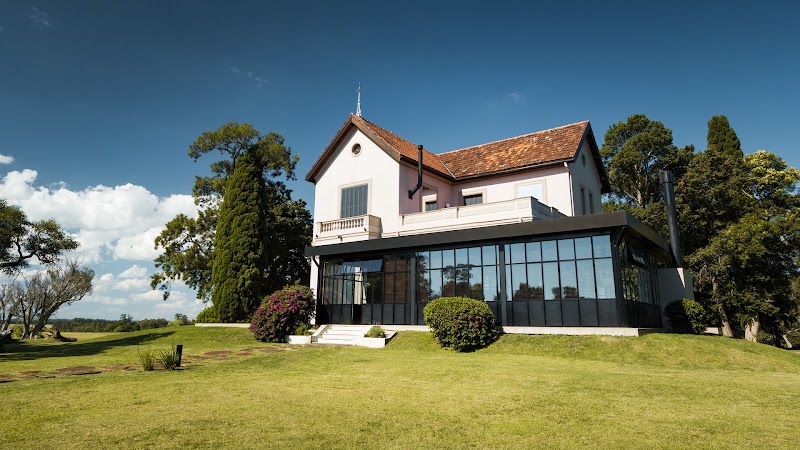
Uruguay · Colonia del Sacramento
Las Liebres: Vineyard Calm Near Colonia del Sacramento
This vineyard hotel and restaurant pairs peaceful grounds with well-reviewed food, attentive service and a convenient setting near Colonia’s historic quarter.

Uruguay · Montevideo
Hotel Costanero MGallery, Montevideo’s Waterfront Stay
Hotel Costanero MGallery earns strong public ratings for its ocean views, comfortable rooms and waterfront setting, with service issues worth noting.

Uruguay · Punta del Este
The Grand Hotel: Beachfront Calm in Punta del Este
Public reviews point to a polished beachfront stay with attentive service, generous breakfast and strong indoor and outdoor facilities.
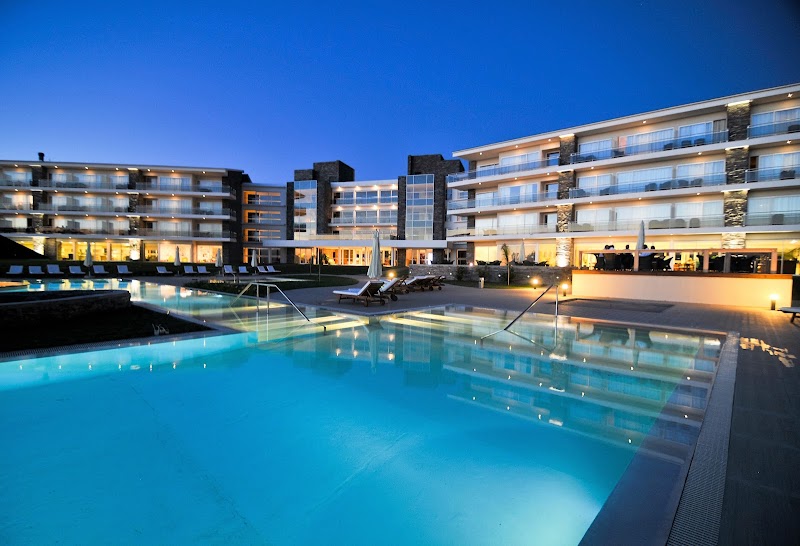
Uruguay · Termas del Arapey
Altos del Arapey: Thermal Pools, Golf and Quiet Rest
Public reviews favour this all-inclusive resort for its thermal waters, food and family facilities, with road access and amenities drawing criticism.