Owens-Thomas House & Slave Quarters, Savannah’s Layered Landmark
Public reviews praise the architecture and tours, while the site’s interpretation of enslavement gives a short Savannah visit more historical depth.
More photos
Photos published by travelers on Google, not AI generated.
What stands out
- Restored rooms with period furniture and paintings
- Early plumbing in Savannah
- Upper-level bridge
- Guided interpretation of enslaved residents’ lives
- Self-paced audio tour option
Worth knowing
- Buy tickets in advance if the schedule is tight
- Admission may be bundled with two other Telfair sites
- Some visitors find the historic significance less compelling
Don't miss
What comes up most in public reviews
- Ask about the lives of enslaved people on the property
- See the upper-level bridge
- Look for the early plumbing
- Consider the self-paced audio tour
Worth the trip?
What visitors find here
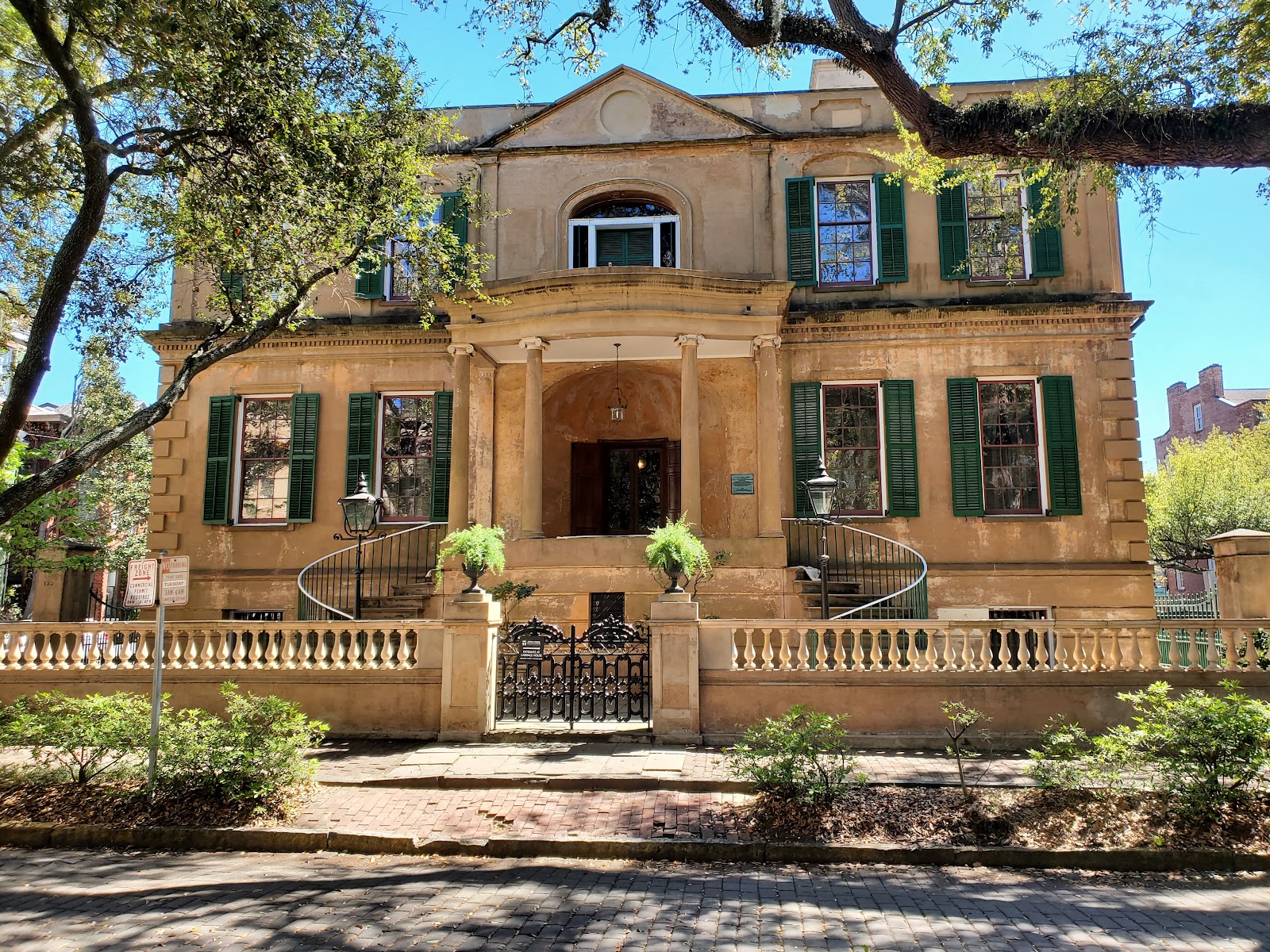
Owens-Thomas House & Slave Quarters is a historic house museum in Savannah, Georgia, known for its restored interiors, architectural details and guided interpretation. Public reviews give it a Google rating of 4.5 from 2,636 reviews. The strongest pattern is clear: visitors value the chance to see an elegant historic home while learning about the people who lived and worked on the property.
The house itself attracts plenty of attention. Reviewers mention beautiful rooms, furniture and paintings, along with the property’s early plumbing. The bridge on the upper level is another recurring detail, and it gives the building an unusual feature to look for during a visit. One reviewer found the restored home impressive but questioned how much historic importance it held beyond preservation and its association with the Marquis de Lafayette. That criticism is worth keeping in mind for visitors seeking a single, definitive landmark story.
The tour shapes the experience
Guide quality appears to make a major difference. Several reviews describe the tours as informative, detailed and engaging. One guide was praised for explaining both the architecture and the experiences of people who were enslaved on the property. Another reviewer said the tour held teenagers’ attention and helped them notice similar architectural features in other Savannah homes.
The interpretation of enslavement is central to the site’s value. Reviews specifically recommend visiting to learn about the lives of enslaved people as well as the property owners. That framing makes the house more than a decorative stop. It connects the rooms, systems and domestic spaces to the unequal society that produced them.
Visitors may encounter either a guided experience or a self-paced audio tour, based on the reviews. The audio format suits people who prefer to explore independently. Those who want more context should consider asking questions during a live tour, since one reviewer wished for more time with the guide.
Planning the visit
Advance planning matters. One reviewer strongly recommends buying tickets before arriving in Savannah when the schedule is tight. Another notes that admission is bundled with two other Telfair sites and can be used for a broader museum visit. Because the price level is not specified in the available listing information, visitors should check current ticket terms before committing.
The house works well during a short stay in Savannah. A few hours is a sensible allowance for the visit itself and for taking in the tour without rushing. Visitors interested in architecture may want to leave time afterward for other historic homes, especially since one review describes noticing shared design elements across the city.
Overall assessment
Owens-Thomas House & Slave Quarters suits visitors who want historic interiors with serious attention to the lives of enslaved residents. The public feedback is especially strong on knowledgeable guides, architectural detail and the site’s ability to engage younger travellers. The main limitation is that expectations vary. People looking chiefly for decoration or a famous association may find the interpretation less straightforward than expected.
The best reason to go is the combination of place and context. The restored rooms matter, but so do the stories attached to them. Visitors should take the tour, listen closely to the discussion of enslavement and look for the upper-level bridge and early plumbing details.
Plan the rest of the trip
Ask anything
Looking for somewhere else?
Keep exploring around Savannah
More from Georgia

Georgia · Millen
Magnolia Springs State Park for a Scenic, Easygoing Stop
Public reviews highlight wildlife, shaded picnic areas and accessible paths, while trail closures may limit what visitors can see.
Georgia · Pine Mountain
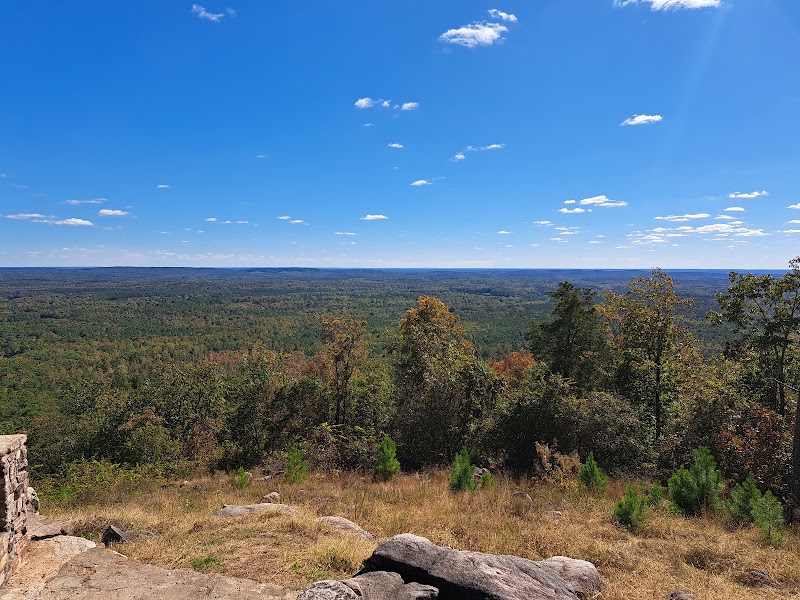
F.D. Roosevelt State Park: Trails, Lake Days and Lookouts
F.D. Roosevelt State Park suits visitors who want hiking, cycling, camping and small-town breaks near Pine Mountain, Georgia.

Georgia · Lumpkin
Providence Canyon State Park: Georgia’s Layered Canyon Hike
Providence Canyon State Park rewards prepared hikers with striking canyon walls, clear trail signage and a memorable walk near Lumpkin, Georgia.
Georgia · Tallulah Falls
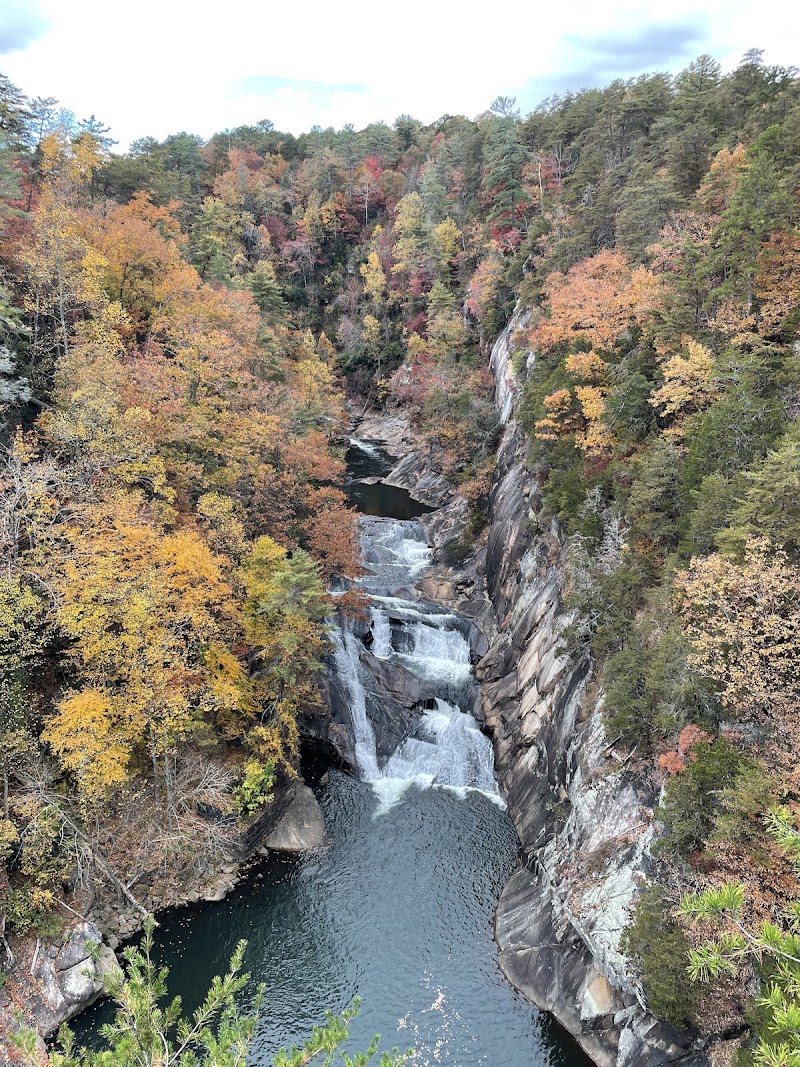
Tallulah Gorge State Park Delivers Big Views and Hard Hikes
Tallulah Gorge State Park suits visitors who want dramatic overlooks, waterfalls and a demanding North Georgia hike in one stop.