Otjikandero Himba Orphan Village: Read the Reviews First
Public reviews find an informative Himba cultural visit, but concerns about the experience, sales pressure and the village’s name are hard to ignore.
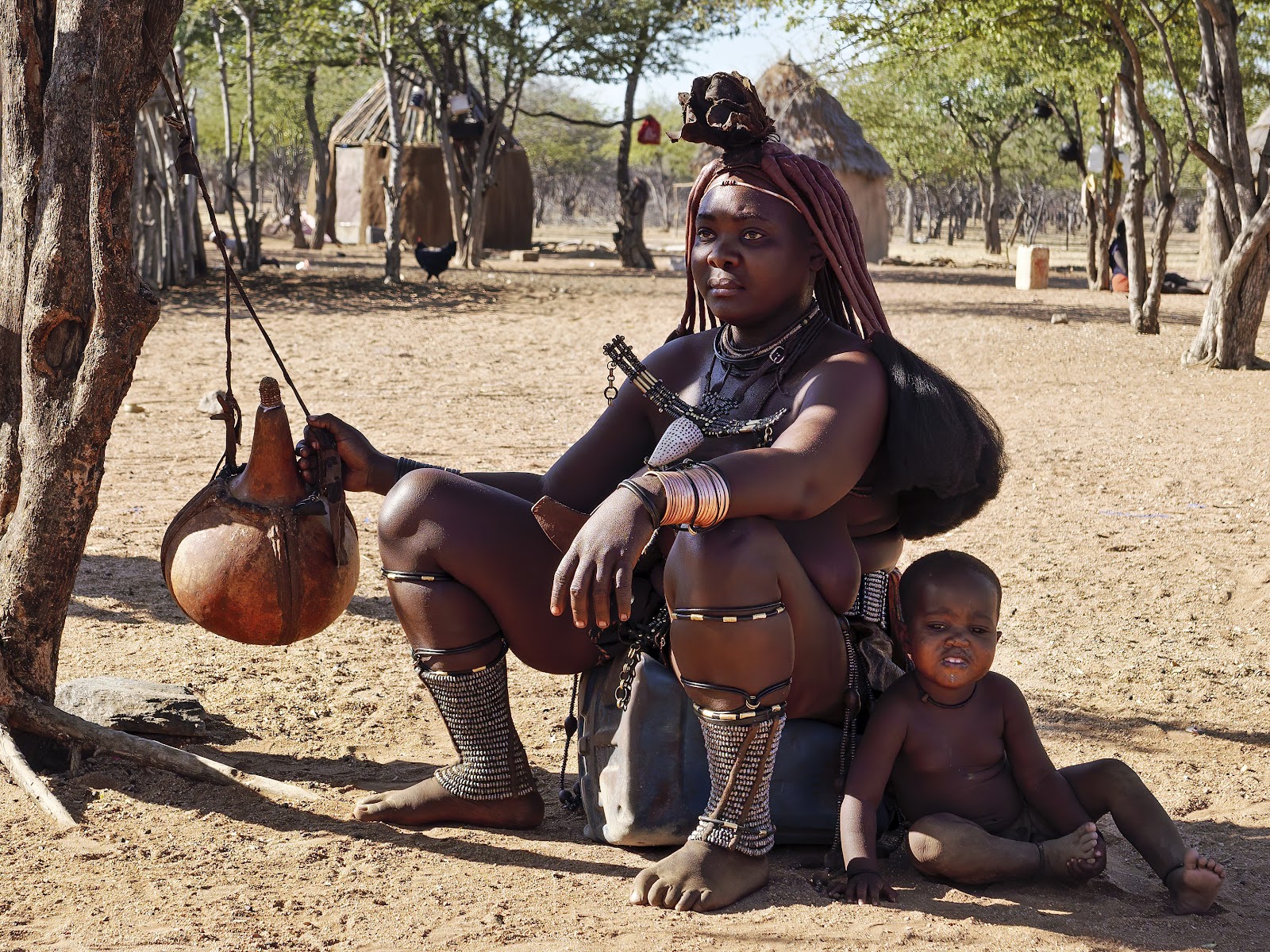
More photos
Photos published by travelers on Google, not AI generated.
What stands out
- Learning about Himba culture
- Seeing red clay used on hair
- Meeting Himba women and children
- Browsing wooden animals and bracelets
Worth knowing
- Mixed reports about guide conduct
- Possible pressure to tip or buy souvenirs
- The village name is disputed
Don't miss
What comes up most in public reviews
- Ask how the village name is used
- Ask about photography consent
- See the red clay used on hair
Worth the trip?
What the reviews show
Otjikandero Himba Orphan Village has a Google rating of 4.3 from 82 reviews, but the written feedback is sharply divided. Some visitors say the visit was interesting and helped them learn more about Himba culture. One reviewer wished they had come earlier. Other accounts describe an uncomfortable welcome, a very short interaction and pressure to tip or buy souvenirs.
That split matters. The overall score suggests that many visitors leave satisfied, yet the detailed comments reveal a less consistent experience than the headline rating implies. The attraction is in Kamanjab, a useful stop for travellers interested in meeting Himba residents and learning about daily cultural practices in a guided setting.
What a visit may include
Reviews mention seeing Himba women and children, learning about the red clay applied to hair, and browsing locally presented souvenirs. Wooden animals and bracelets are specifically mentioned. Visitors may also be able to ask questions about Himba customs and the way the village is presented to guests.
The available reviews suggest that the main interaction can be brief. One visitor described spending around ten minutes at the village before being shown souvenirs. That account should not be treated as a fixed itinerary, but it is a clear warning for anyone expecting a long, in-depth cultural programme.
Photography is part of the reported experience, though travellers should ask about consent and any photography rules before taking pictures. A respectful approach is essential, especially when children are present.
Points of concern
The name is contested in the public feedback. One reviewer says the place is a Himba village rather than an orphan village. That distinction deserves clarification before arrival. Travellers may want to ask who lives there, how the name is used, and how admission proceeds are handled.
Several reviews criticise the guiding. One visitor described the guide as rude and said the group felt expected to tip. Another felt the visit centred too heavily on selling souvenirs, with prices viewed as excessive. These are individual accounts, not verified operating policies, but they form a repeated pattern in the supplied feedback.
The reports also suggest that the quality of the visit may depend heavily on the guide and the group’s expectations. A traveller seeking a relaxed cultural exchange should confirm the format in advance and agree on any guide contribution before the visit begins.
Who should consider it
Otjikandero Himba Orphan Village may suit travellers who want a short introduction to Himba culture and are prepared to approach the visit carefully. It is less suitable for anyone expecting a guaranteed long tour, a polished visitor centre or a quiet experience without sales interaction.
The public evidence supports cautious planning rather than an automatic recommendation. Ask about the visit length, photography, tipping, souvenir sales and the meaning of the village’s name before committing. Travellers who prefer a more structured cultural experience may also wish to compare it with another cultural village in the area, since one reviewer reported a better experience elsewhere.
Plan the rest of the trip
Ask anything
Looking for somewhere else?
Keep exploring around Kamanjab
More from Namibia
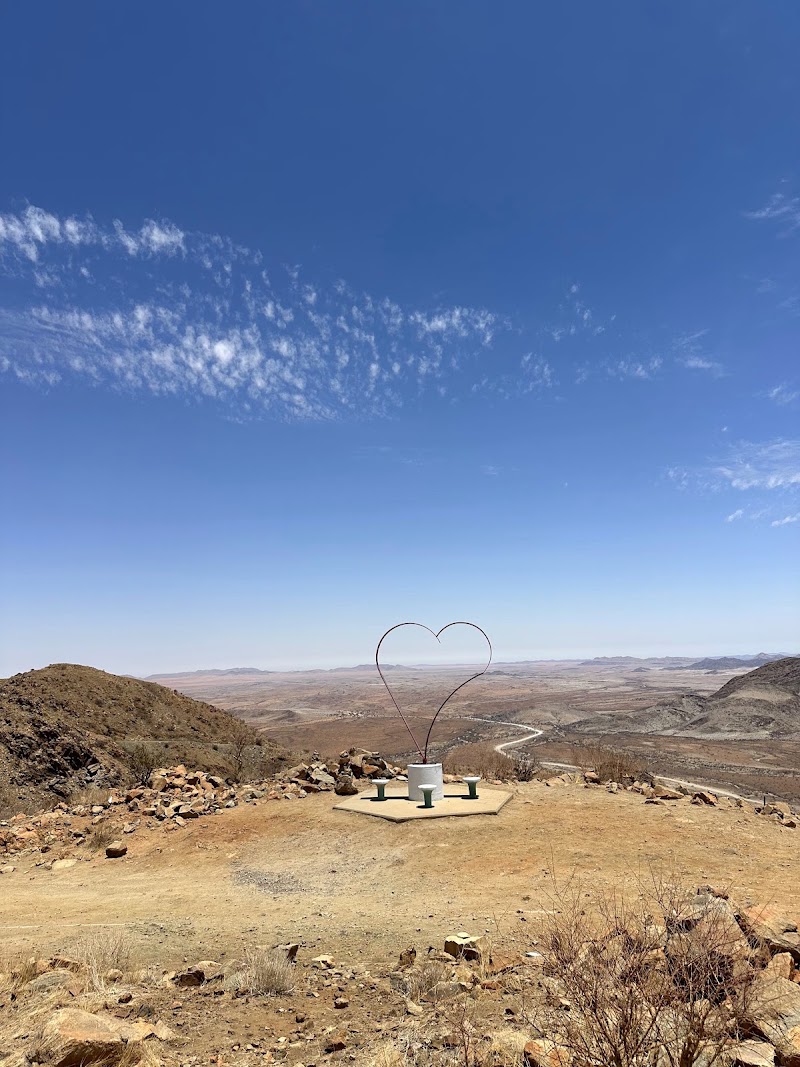
Namibia · Nauchas
Spreetshoogte Pass: Namibia’s Great Scenic Climb
A steep, twisting road near Nauchas delivers huge desert views and a memorable drive through the Namibian highlands.
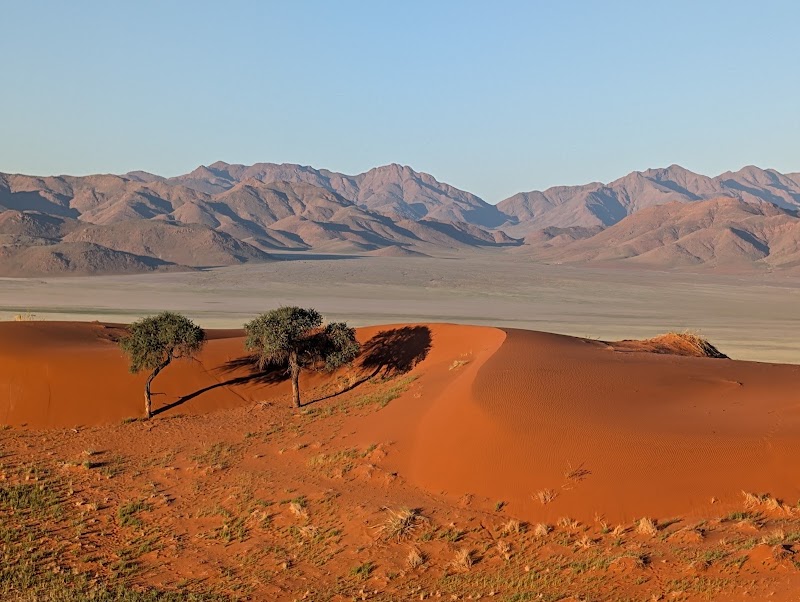
Namibia
NamibRand Nature Reserve: Desert Silence and Wide Horizons
Public reviews praise NamibRand for its wildlife, striking desert scenery and exceptional calm, especially around sunrise and sunset.
Namibia
Skeleton Coast National Park: Namibia’s Wild Atlantic Edge
Public reviews point to a remote park of stark desert scenery, long drives and strict preparation, with shipwrecks and wildlife adding to the drama.
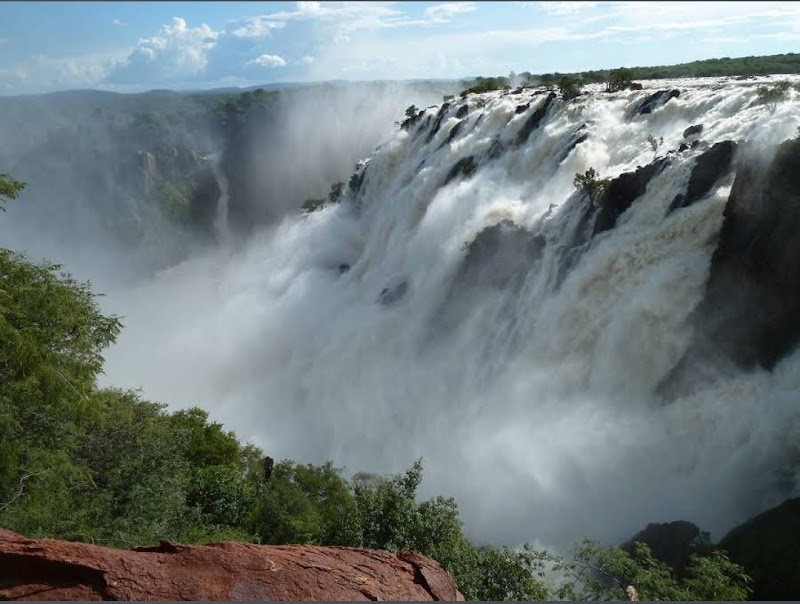
Namibia · Ruacaná
Ruacana Falls: A Seasonal Waterfall Worth Timing Carefully
Ruacana Falls can be spectacular when the Kunene River is high, but dry-season visitors may find a poorly maintained site and little else to do.