Orkhon Valley Reserve: Mongolia on a vast scale
Sweeping grasslands, river scenery and traces of empire make this remote reserve rewarding for travellers prepared for difficult access.
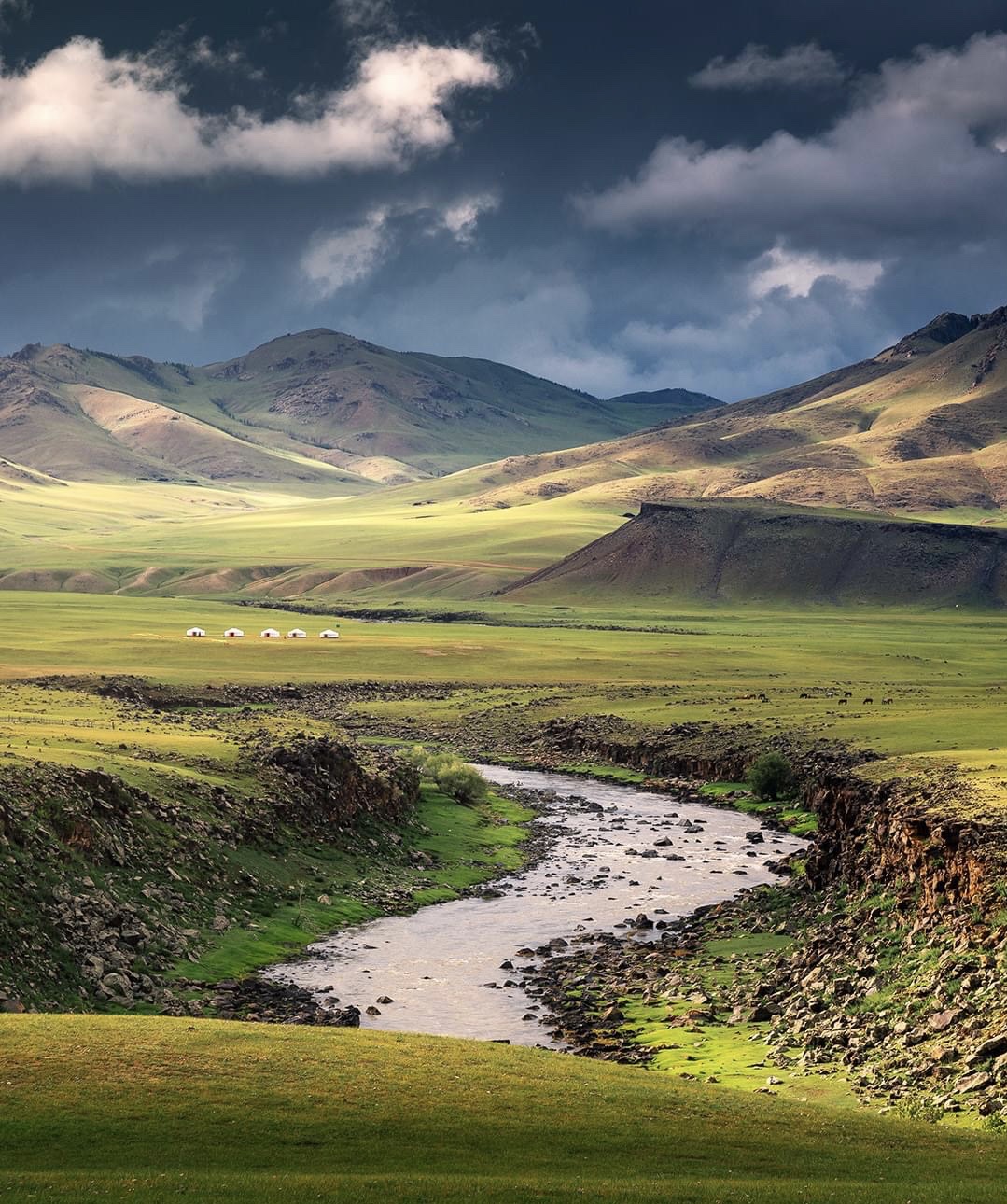
More photos
Photos published by travelers on Google, not AI generated.
What stands out
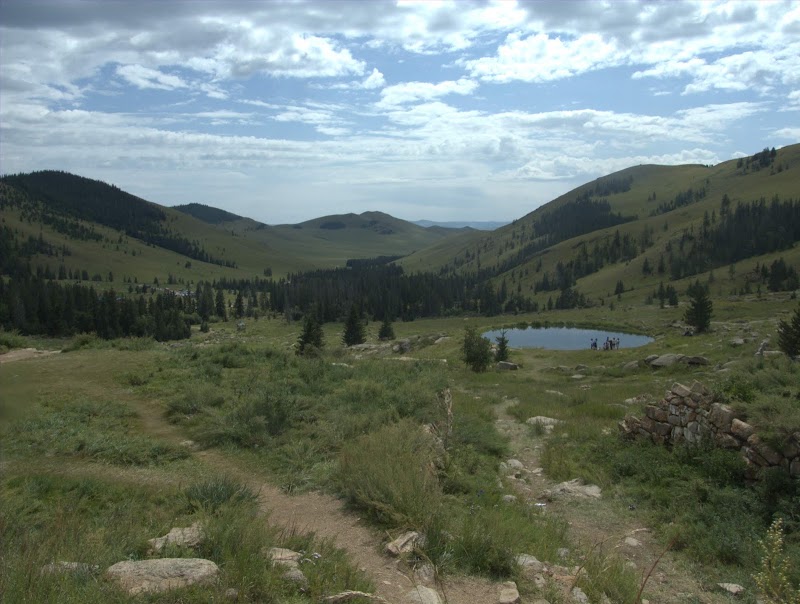
- Sweeping valley views
- The winding Orkhon River
- Karakorum’s historical remains
- Nomadic stays away from tourist camps
- Travel by horse, camel, 4x4 or on foot
Worth knowing
- Very few decent roads
- Snow can arrive in early September
- Long distances across sparse terrain
Don't miss
What comes up most in public reviews
- See the remains of Karakorum
- Spend time beside the Orkhon River
- Arrange a stay with nomads
- Explore the valleys on foot or horseback
Worth the trip?
The overall impression
Public ratings and traveller reviews present the Orkhon Valley Natural and Historical Reserve as a place defined by scale, solitude and open country. It holds a Google rating of 4.6 from 292 reviews, with the supplied feedback repeatedly praising the scenery and sense of being far removed from conventional tourist areas.
The landscape is described in contrasting terms. Some visitors recall green meadows and broad valley views, while others find much of the terrain barren, with grasses dominating and trees largely confined to rivers and lower ground. These accounts are not necessarily contradictory. They suggest an expansive landscape whose appearance varies across the valley and with local conditions.
The Orkhon River provides a strong visual thread, winding through plains, riverbeds and hills. Animals, immense horizons and the scarcity of development add to the feeling of wilderness. Reviewers who value quiet and undeveloped nature appear to respond most strongly to the reserve.
History and nomadic life
The attraction is not limited to scenery. Public reviews connect the valley with Mongolia’s nomadic empires and point to the remains of Karakorum, the former capital of the Mongol Empire, as a major historical focus. For travellers interested in ruins and the relationship between landscape and history, this combination gives the reserve more depth than a straightforward scenic stop.
A stay with nomads is another experience highlighted in the feedback. One reviewer particularly valued staying away from a tourist camp, surrounded by land and animals with few other visitors nearby. That account indicates the appeal of a more direct, low-key encounter with life in the valley, although standards and arrangements may differ from conventional accommodation.
Exploring the valley
The reserve is better approached as a journey than as a single viewpoint. One account describes spending two weeks crossing valleys, riverbeds and plains by 4x4, camel, horse and on foot. Most visitors may not devote that long, but the review illustrates how much ground there is to cover and how varied the experience can be.
Walking and horse travel offer a closer look at the terrain, while a 4x4 or private vehicle can help with the considerable distances. A reviewer specifically recommends arranging a private cab. That may suit visitors who want transport organised without joining a larger camp-based itinerary, though the limited road quality means expectations should remain realistic.
The most satisfying visits are likely to combine several elements: time beside the Orkhon River, broad valley views, historical remains and some form of nomadic stay. Rushing through would reduce the landscape to a brief scenic backdrop.
Practical verdict
Access is the main caution. Reviews describe very few decent roads, so travel can be slow and uncomfortable. Weather may also change sharply, with one traveller reporting snow as early as the beginning of September. Conditions should be checked locally, and itineraries need enough flexibility for delays.
The reserve best suits travellers comfortable with long distances, sparse facilities and simple arrangements. Those prepared for rough roads are rewarded with unusual spaciousness, powerful scenery and a close connection between Mongolia’s natural and historical landscapes. Based on the supplied ratings and reviews, it is an outstanding choice for wilderness and history, but not an effortless excursion.
Plan the rest of the trip
Ask anything
Looking for somewhere else?
Keep exploring
More from Mongolia
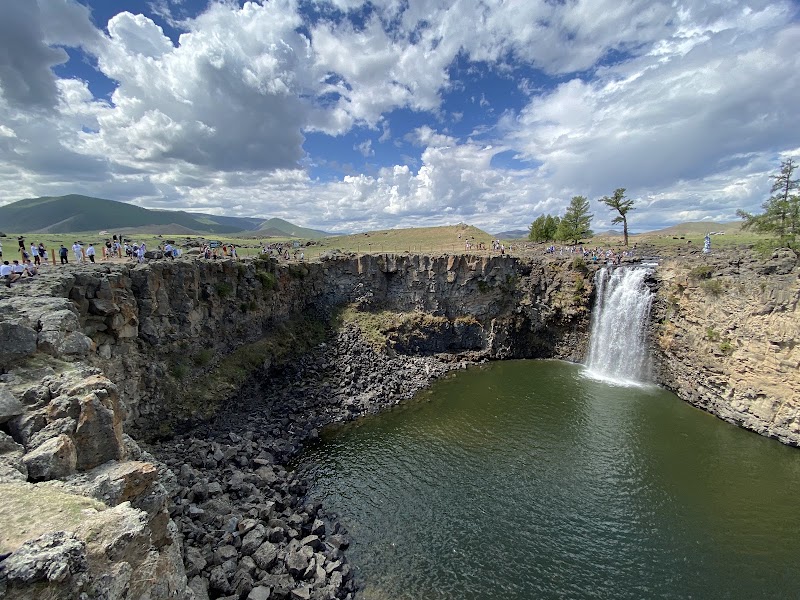
Mongolia · Burgaasatayn Hiid
Orkhon Waterfall: A Scenic Walk into Mongolia’s Cliffs
Public reviews rate Orkhon Waterfall highly for its mountain setting, stream walks and peaceful atmosphere, though reaching it still requires an off-road drive.
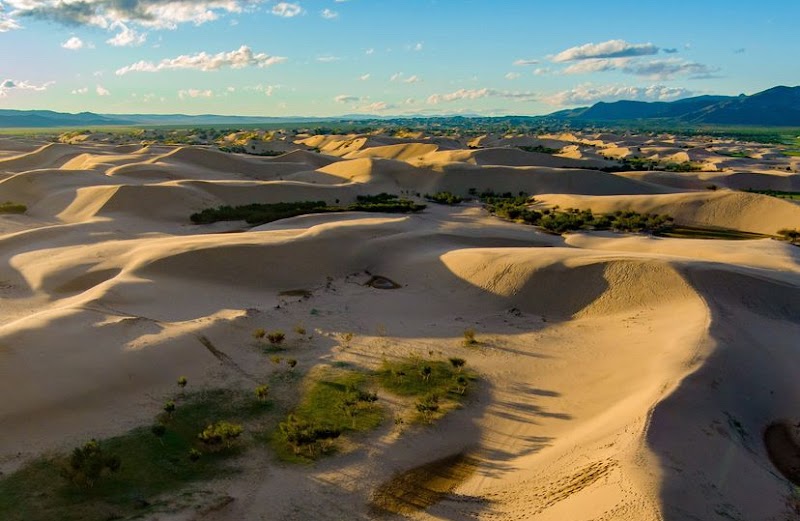
Mongolia · Högönö-Taranaiin-Hüree
Elsen Tasarkhai: Mongolia’s Accessible Sand-Dune Detour
Elsen Tasarkhai gives travellers a striking taste of desert landscape amid Mongolia’s green plains, with strong photo appeal and practical limits.
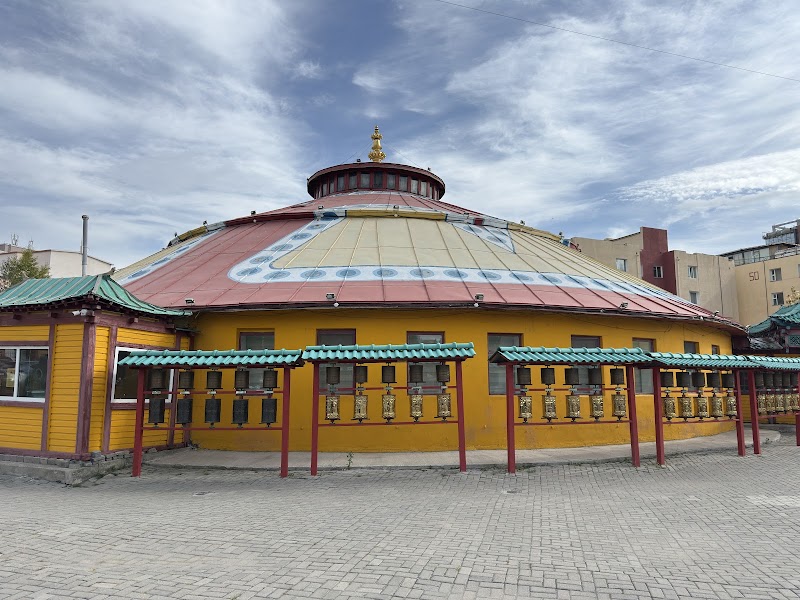
Mongolia · Ulaanbaatar
Dashchoilin Monastery: Quiet Buddhist History in Ulaanbaatar
Dashchoilin Monastery offers distinctive ger-shaped temples, a peaceful city setting and a direct look at Ulaanbaatar’s Buddhist history.
Mongolia · Ulaanbaatar
Bogd Khan Uul: Ulaanbaatar’s Closest Mountain Escape
Public reviews describe Bogd Khan Uul as an accessible hiking area with fresh air, varied trails and striking winter scenery close to Ulaanbaatar.