Ongi Monastery: Ruins, Memory and a Small Museum
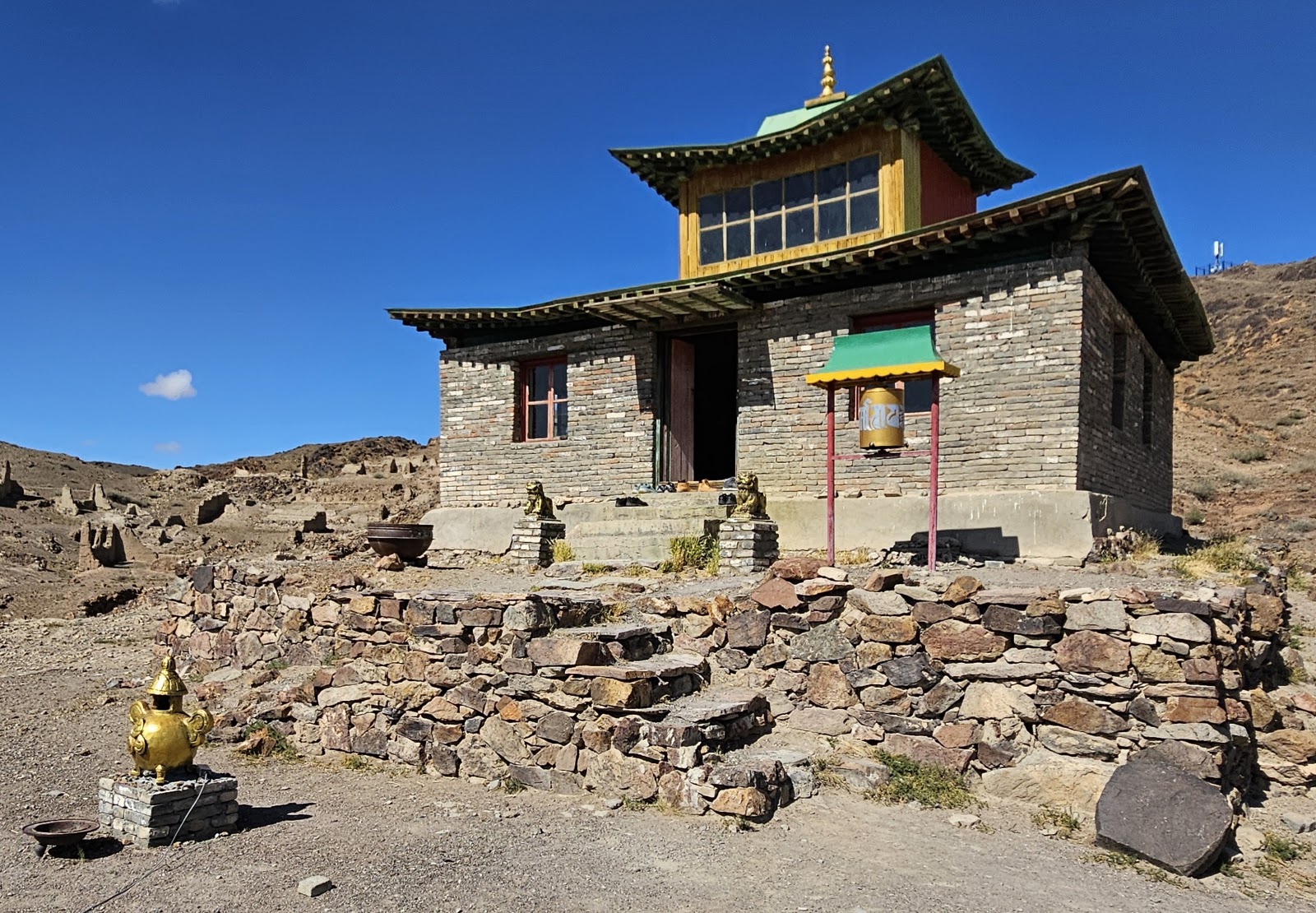
Ongi Monastery is a poignant historical stop in Mongolia, with atmospheric ruins, a rebuilt temple and a museum preserving surviving religious artifacts.
More photos
Photos published by travelers on Google, not AI generated.
What stands out
- Ruins of the destroyed monastery
- Ongi Monastery Museum
- Sacred artifacts rescued during the 1939 purges
- Rebuilt temple
- Quiet, reflective atmosphere
Worth knowing
- Few buildings remain
- No monks currently live at the site
- Photography arrangements may differ
Don't miss
What comes up most in public reviews
- Walk around the monastery ruins
- Visit the museum in its traditional yurt
- See the rebuilt temple
- Ask about the rescued sacred artifacts
Worth the trip?
Why visit
Ongi Monastery is a place for travellers interested in Mongolia’s religious history and the damage caused by the communist purges. Public reviews give it a Google rating of 4.2 from 115 reviews. The strongest theme is not grandeur. It is the sense of loss at a monastery complex that was largely destroyed, leaving ruins, a rebuilt temple and a museum beside it.
Reviewers describe the site as quiet and emotionally affecting. Several mention the monastery’s tragic history, while others say the remaining buildings are limited. That makes the visit more reflective than spectacular. It suits people already travelling through the area who want context, rather than visitors seeking a large, fully active religious complex.
What the visit includes
The Ongi Monastery Museum is a central part of the stop. It occupies a traditional yurt structure and is described in public reviews as a repository for sacred objects that monks rescued and concealed during the 1939 communist purges. The collection includes surviving religious artifacts, with one review specifically referring to 21 volumes of sacred texts.
Outside, visitors can walk among the ruins and examine the rebuilt temple. The site’s scale and surviving structures are modest, according to reviewers, but that sparseness is part of its character. The remains make the history tangible without pretending that the original monastery survived intact.
A family maintains the site, and one reviewer specifically praises their kindness. Visitors should treat the grounds, museum and religious setting with care. The reviews also indicate that monks are not currently living at the monastery, so this should not be approached as an active monastic community.
How to plan the stop
Ongi Monastery works best as a few-hour stop during a road journey through Mongolia. Reviewers describe it as worthwhile when driving nearby, though not everyone considers it essential. The experience depends heavily on personal interest in history, religious heritage and ruins.
The museum deserves time rather than a rushed glance. Visitors can walk around the remaining structures, look closely at the artifacts and ask about the site’s history. Photography conditions should be checked locally, since a review says photographing the monastery may involve separate arrangements. Public information does not establish a reliable best season or time of day, so planning should follow the wider route and road conditions.
The verdict
Ongi Monastery is a meaningful, compact historical attraction with a strong museum component. Its appeal lies in what remains and what the site explains, not in the number of buildings. The 4.2 rating from 115 Google reviews reflects a generally positive response, while the comments also show clear limits: some travellers find it only a pleasant roadside stop, and the ruins are not extensive.
For travellers who value Mongolia’s difficult history, the museum and surviving temple make the visit worthwhile. Those with little interest in religious history may find the stop brief. Respect is essential. The setting carries real cultural and historical weight.
Plan the rest of the trip
Ask anything
Looking for somewhere else?
Keep exploring
More from Mongolia
Mongolia · Daaga Yarimiil Hiid
Khustain Nuruu National Park: Mongolia’s Wild Horse Country
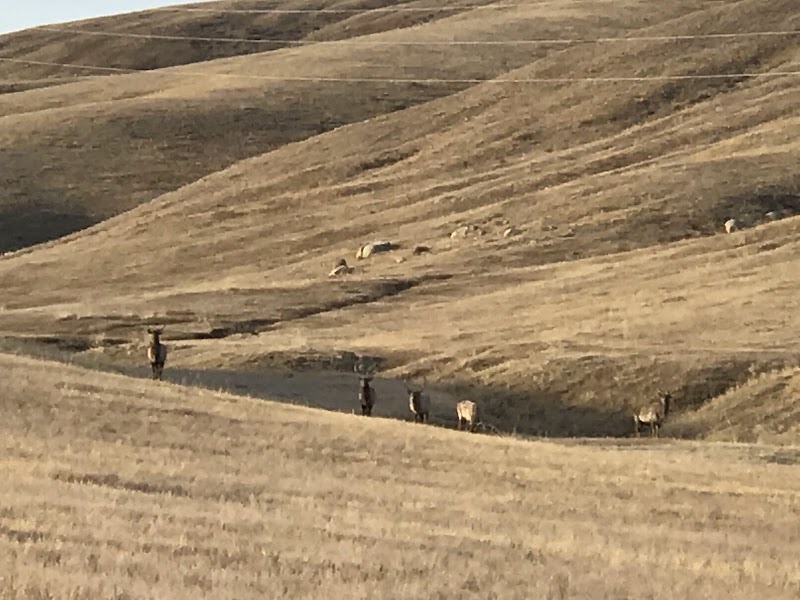
Public reviews make Khustain Nuruu a strong choice for wildlife watchers prepared to hike, wait and search the open landscape for Takhi horses.
Mongolia · Ulaanbaatar
International Intellectual Museum: Ulaanbaatar’s Hands-On Puzzle Stop
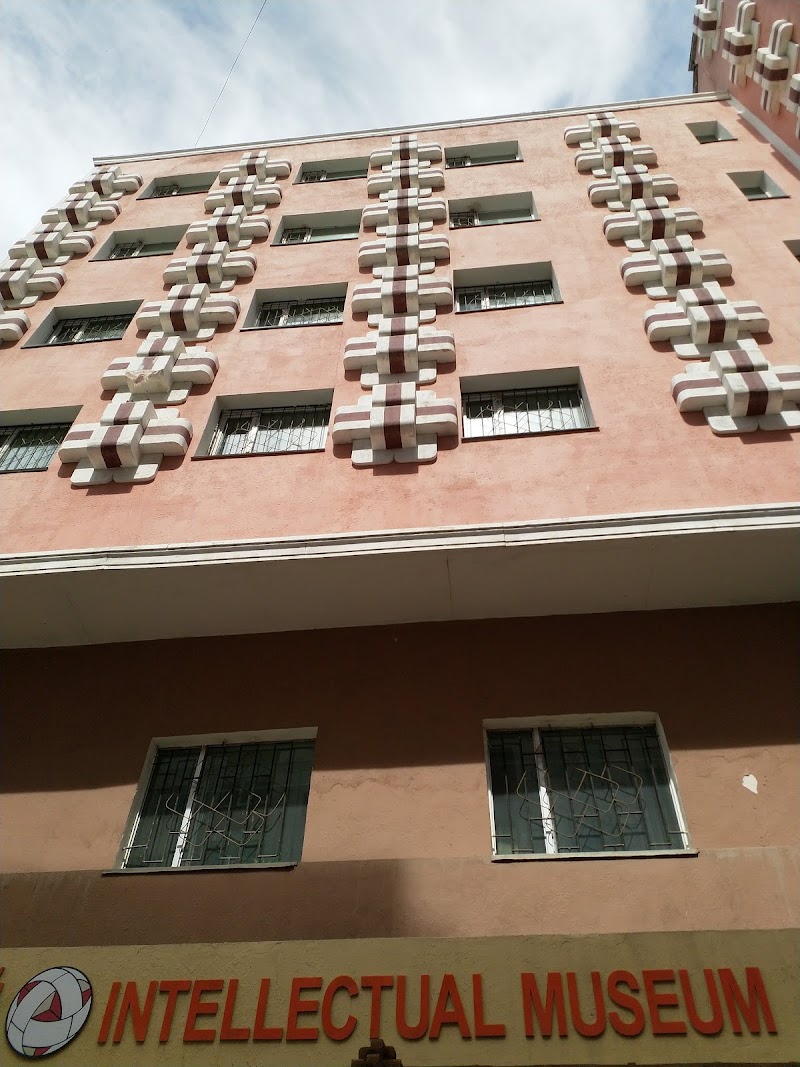
Public reviews highlight an English-guided tour, challenging puzzles and an extensive chess collection in a distinctive pink building.

Mongolia · Ulaanbaatar
Mongolian National Art Gallery: A Compact Ulaanbaatar Stop
This central gallery offers a short, focused look at Mongolian painting, sculpture and cultural imagery, with enough variety for an hour’s visit.
Mongolia
Tsagaan Suvarga: Mongolia’s Striking White Stupa Cliffs
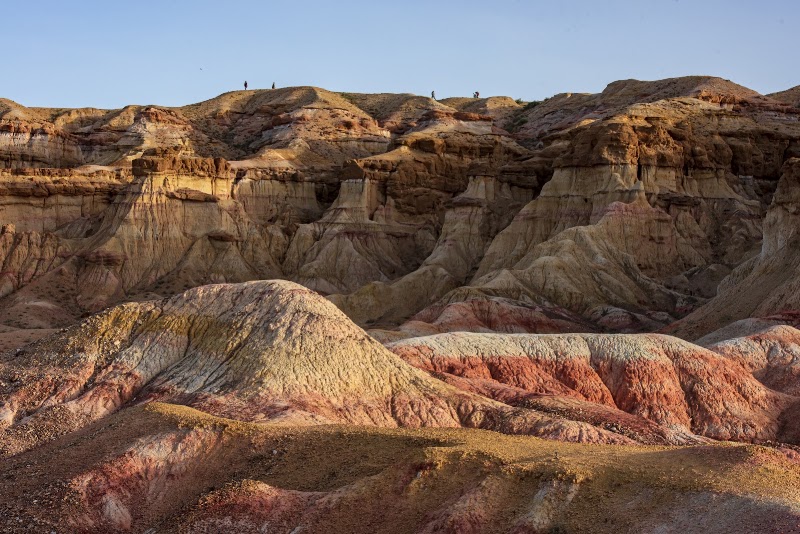
Public reviews praise Tsagaan Suvarga for its layered cliffs, open desert views and powerful sense of remoteness.