Olduvai Gorge Museum: Human Origins on the Safari Route
Strong exhibits, knowledgeable staff and an evocative setting make this a worthwhile cultural stop during a long drive across northern Tanzania.

More photos

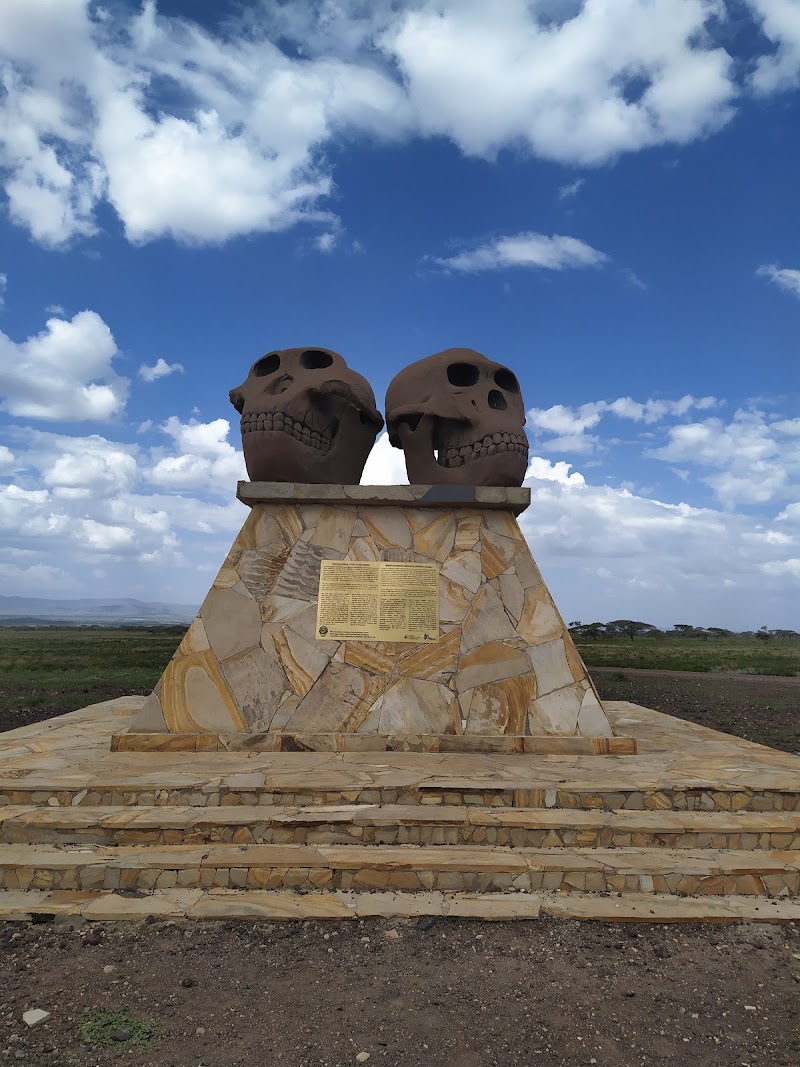


Photos published by travelers on Google, not AI generated.
What stands out
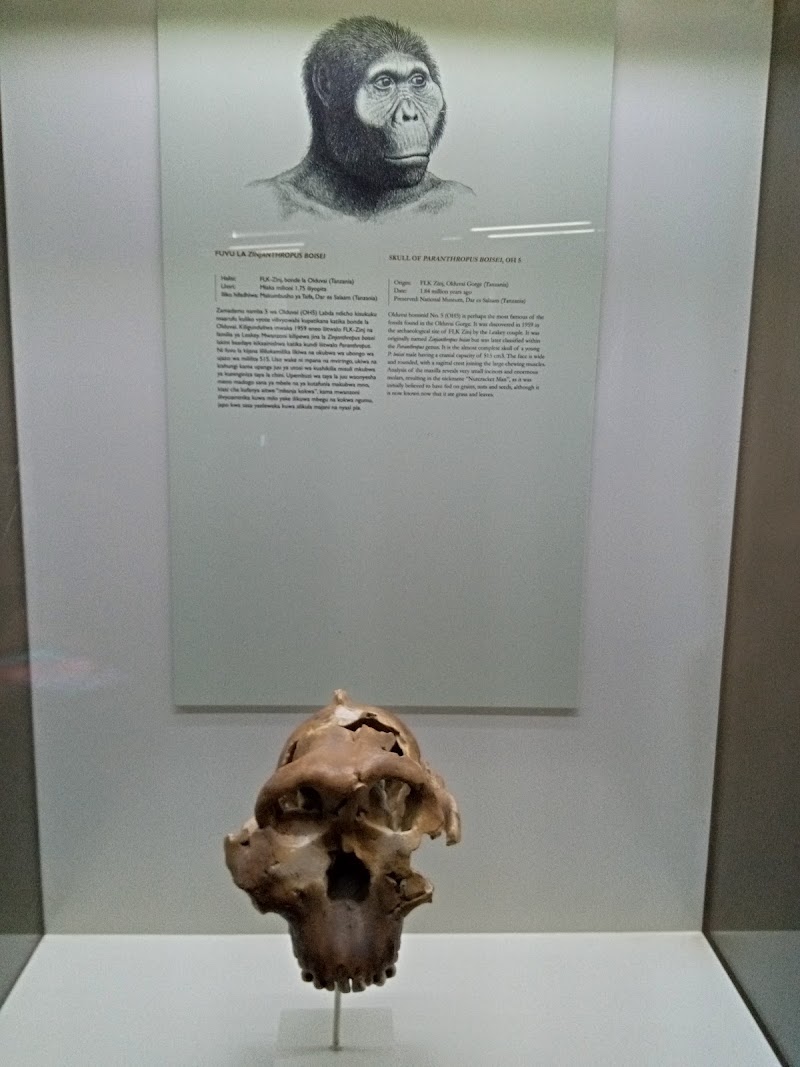
- Human evolution and early tool-use exhibits
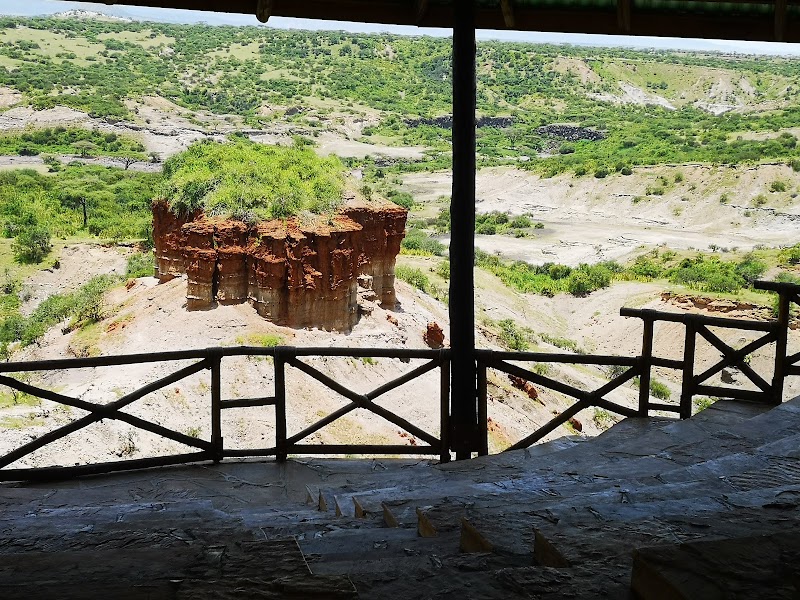
- Archaeological context beside the gorge
- Knowledgeable and friendly staff
- Shaded rest area and cafe
- Clean washrooms after a long drive
Worth knowing
- The gorge walk may offer little beyond a marker post
- The remote setting can involve a long drive
Don't miss
What comes up most in public reviews
- Human evolution exhibits
- Displays on early tool use
- Books available on site
- The shaded gathering area
- The optional walk into the gorge
Worth the trip?
Why it stands out
Olduvai Gorge Museum earns a Google rating of 4.5 from 696 reviews, with visitors repeatedly describing it as a valuable introduction to human evolution, archaeology and early tool use. Its greatest strength is context. Rather than presenting discoveries in a detached museum setting, the exhibits stand close to the landscape where archaeological and palaeontological work took place.
Public reviews suggest that the museum is especially effective at connecting individual finds to a broader account of human development. Several visitors say the displays bring together the archaeological work associated with the Leakeys and explain the progression of tool use clearly. Even travellers who arrive mainly because the museum fits naturally into a safari itinerary often report finding the experience more engaging or moving than expected.
Exhibits, staff and facilities
The collection is commonly described as compact but well prepared. Reviewers focus less on spectacle and more on the amount of history communicated within a relatively small stop. Archaeology and palaeontology enthusiasts appear particularly well served, while general visitors value having a clear explanation of why the gorge matters.
Staff receive positive mentions for being friendly and knowledgeable. Books are reportedly available on site, offering a way to continue reading after the visit. Practical facilities also score well in the available feedback. One reviewer singled out the clean washrooms, an important detail after hours on the road, while others appreciated the shaded gathering area and the chance to eat lunch there.
A small cafe or restaurant provides somewhere to pause before continuing across the conservation area. Reviews describe it as useful for relaxing after a long drive rather than as a destination in itself. The open structure also appears suited to the exposed setting, with one visitor noting that a cool breeze moved through it even during a hot afternoon.
The gorge experience
The surrounding landscape adds much of the atmosphere. Reviewers describe the museum as remote, beautiful and set amid the plains, giving the visit a sense of place that cannot be replicated by exhibits alone. Mongoose families have also been seen nearby, although wildlife sightings should be treated as a possibility rather than a guarantee.
Some visits include a walk down into the gorge to see an area associated with fossil and bone discoveries. Feedback here is more mixed. The walk provides exercise and a closer look at the terrain, but one reviewer found little to see beyond a marker post at the site. Travellers expecting exposed fossils or an elaborate excavation display may therefore be disappointed.
Editorial verdict
Synthesizing the public ratings and reviews, Olduvai Gorge Museum works best as an educational stop between longer safari drives. The displays, informed staff and direct connection to the landscape give it weight, while the cafe, shade and clean facilities make the break practical as well as interesting.
The museum is likely to resonate most with visitors interested in human origins, archaeology or palaeontology. The gorge walk is optional rather than essential, but the museum itself appears consistently worthwhile for anyone wanting historical depth alongside northern Tanzania’s wildlife and scenery.
Ask anything
Looking for somewhere else?
Keep exploring
More from Tanzania
Tanzania · Iringa
Ruaha National Park: Wild Safaris Without the Crowds
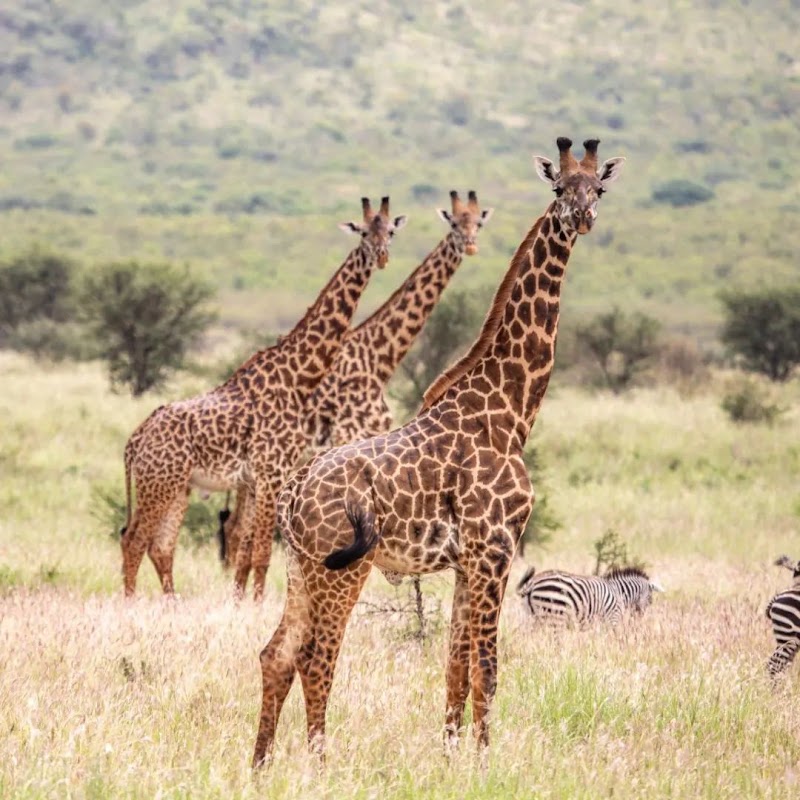
Reviews point to a vast, quiet safari destination known for predators, elephants, birdlife and memorable nights close to the wilderness.
Tanzania
Selous Game Reserve: Big Landscapes, Varied Safaris
Boat trips, game drives and guided walks give this vast southern Tanzania wilderness broad appeal, with wildlife and scenery earning consistent praise.
Tanzania
Amboni Caves: Limestone, bats and local history near Tanga
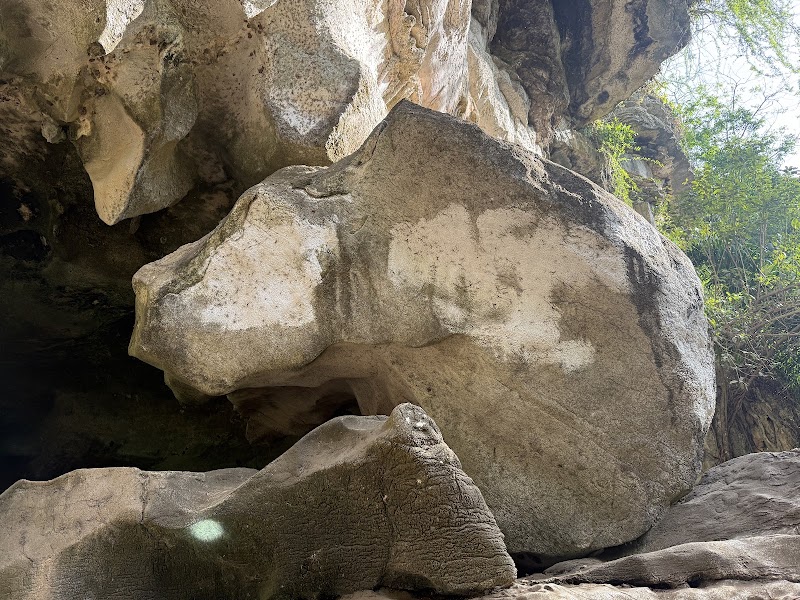
Amboni Caves combines dramatic limestone formations, wildlife and local history, though steep steps, heat and uncertain directions require preparation.
Tanzania · Mwanza
Saanane National Park: Lake Views Close to Mwanza
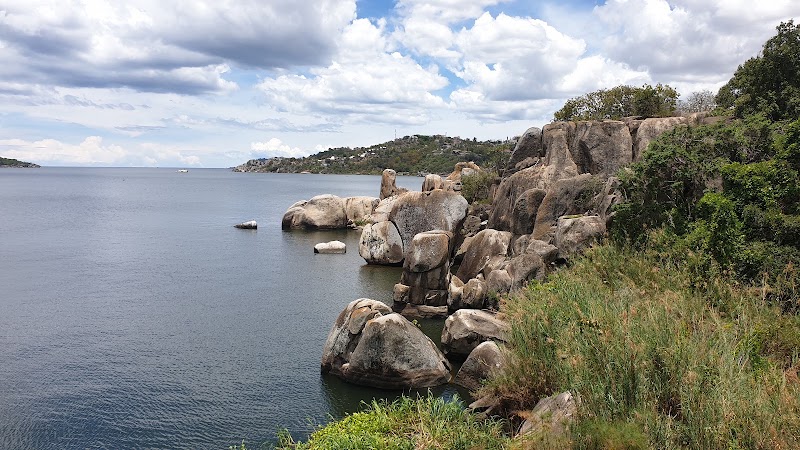
A compact island escape offering boat access, walking paths, birdlife and broad Lake Victoria views just outside central Mwanza.