Okomfo Anokye Sword Site: Kumasi’s Sacred Landmark
A compact cultural stop where the story of an immovable sword opens a window onto Ashanti history, unity and spiritual tradition.
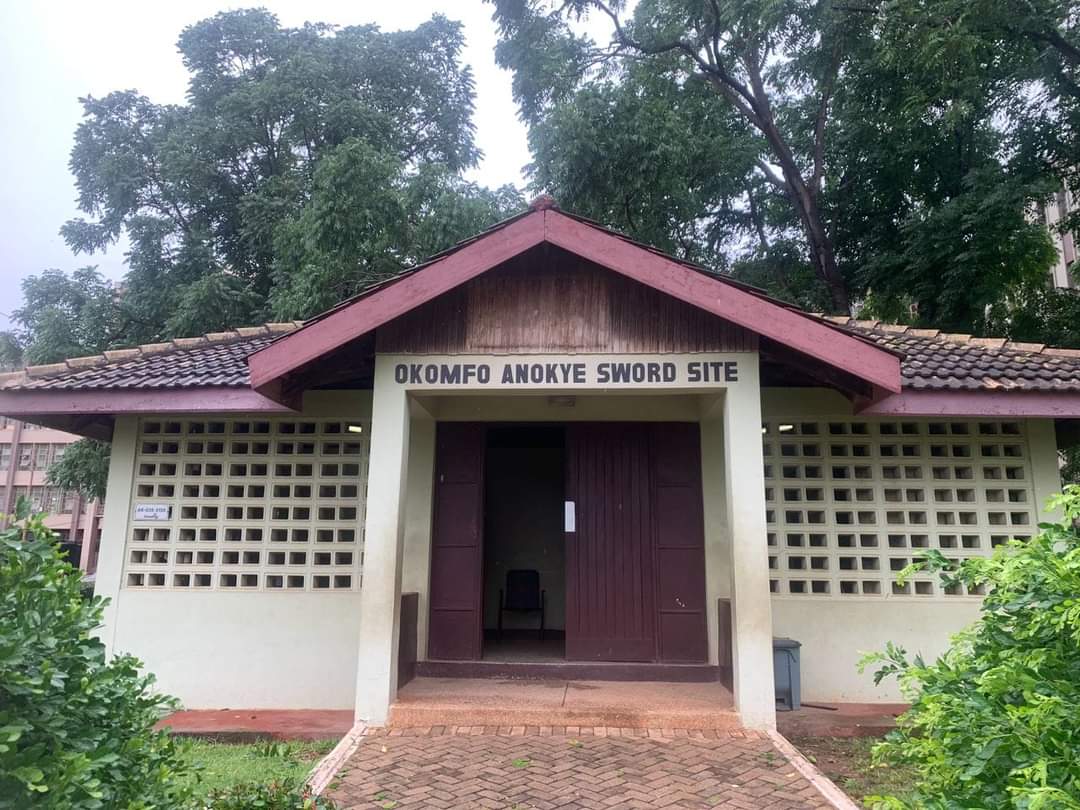
More photos
Photos published by travelers on Google, not AI generated.
What stands out
- The legendary immovable sword
- Ashanti history and cultural context
- Stories of unity and spiritual authority
- Informative guided explanation
Worth knowing
- Located within teaching hospital grounds
- Video recording may not be allowed
- Guide delivery may be hard for some to follow
Don't miss
What comes up most in public reviews
- See the sword planted in the ground
- Ask about Okomfo Anokye
- Hear how the sword represents Ashanti unity
- Learn the story of attempts to remove it
Worth the trip?
Why this landmark matters
The Okomfo Anokye Sword Site is a small but culturally significant landmark in Kumasi. Public feedback, reflected in a Google rating of 4.2 from 1363 reviews, focuses less on the physical scale of the attraction and more on the story attached to it.
The supplied reviews repeatedly describe the sword as a powerful symbol of Ashanti history, unity and spiritual authority. According to the tradition shared at the site, Okomfo Anokye planted the sword in the ground more than 300 years ago, and it has resisted every attempt to remove it. One reviewer also recounts the local claim that even Mohamed Ali was unable to dislodge it. These details are presented as part of the site’s oral history and legend rather than independently verified events.
What the visit is like
The landmark stands within the grounds of a large teaching hospital, an unusual setting that can make arrival feel different from visiting a conventional museum or heritage complex. Reviews nevertheless identify it as an important cultural site in the heart of Kumasi and the wider Ashanti Kingdom.
The experience appears compact and interpretation-led. Visitors are shown the sword and given an account of Okomfo Anokye, the Ashanti people and the meaning attached to the site. One reviewer reported that the guided portion lasted about 15 minutes. That makes it suitable as a short stop rather than a half-day attraction, although actual visit times may vary.
Several comments praise the experience for being informative. The strongest responses come from travellers already interested in Ghanaian history or those seeking context for Ashanti traditions. The physical landmark is straightforward, but the explanation gives it weight.
Sacred setting and practical points
Reviewers stress that this is a sacred place. A respectful manner is appropriate, particularly during the explanation of the sword’s spiritual and political significance. The hospital setting also means visitors should remain mindful of the surrounding working environment rather than treating the grounds like a purpose-built tourist precinct.
One review says photographs were permitted but video recording was not. As policies can change, visitors should confirm the rules before using a camera. Another reviewer found the guide’s accent difficult to understand, so anyone who misses part of the account may benefit from asking for clarification. This matters because the storytelling, rather than an extensive display, appears to form the core of the visit.
Editorial verdict
Synthesizing the available public feedback, the Okomfo Anokye Sword Site is best approached as a focused introduction to Ashanti heritage. It will not occupy much of a day, and travellers expecting a large museum may find it limited. For history-minded visitors, however, the combination of sacred tradition, the immovable sword and the explanation of Ashanti unity makes it a worthwhile Kumasi stop.
Its location inside hospital grounds and brief format require adjusted expectations. Paired with other historical places in Kumasi, it adds cultural context that a simple photograph of the sword would not provide.
Plan the rest of the trip
Ask anything
Looking for somewhere else?
Keep exploring around Kumasi
More from Ghana
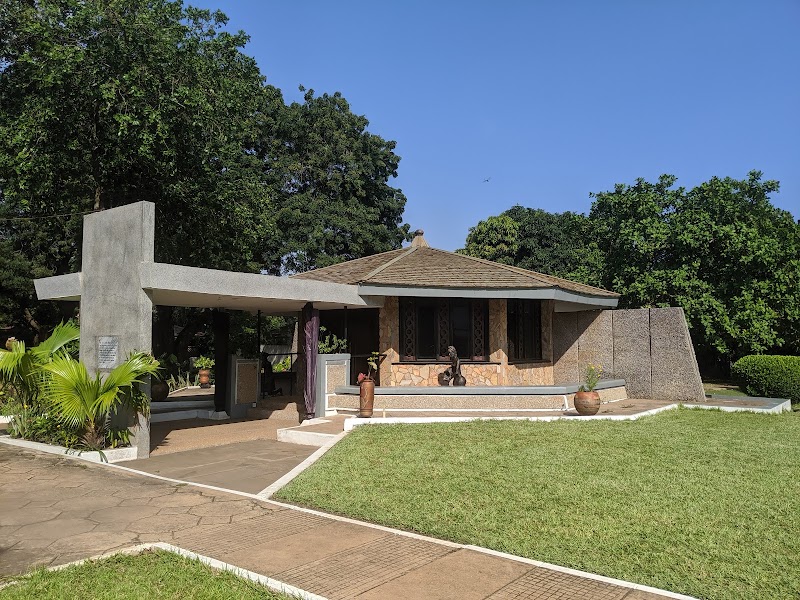
Ghana · Accra
W.E.B. Du Bois Memorial Centre in Accra
A reflective Accra landmark centred on W.E.B. Du Bois’s legacy, final home and resting place, with reviews praising its educational impact.

Ghana · Bompoi
Digya National Park: Ghana’s Rough-Edged Wilderness Escape
Digya National Park rewards travellers who accept difficult access, basic facilities and a genuine sense of wilderness beside Lake Volta.
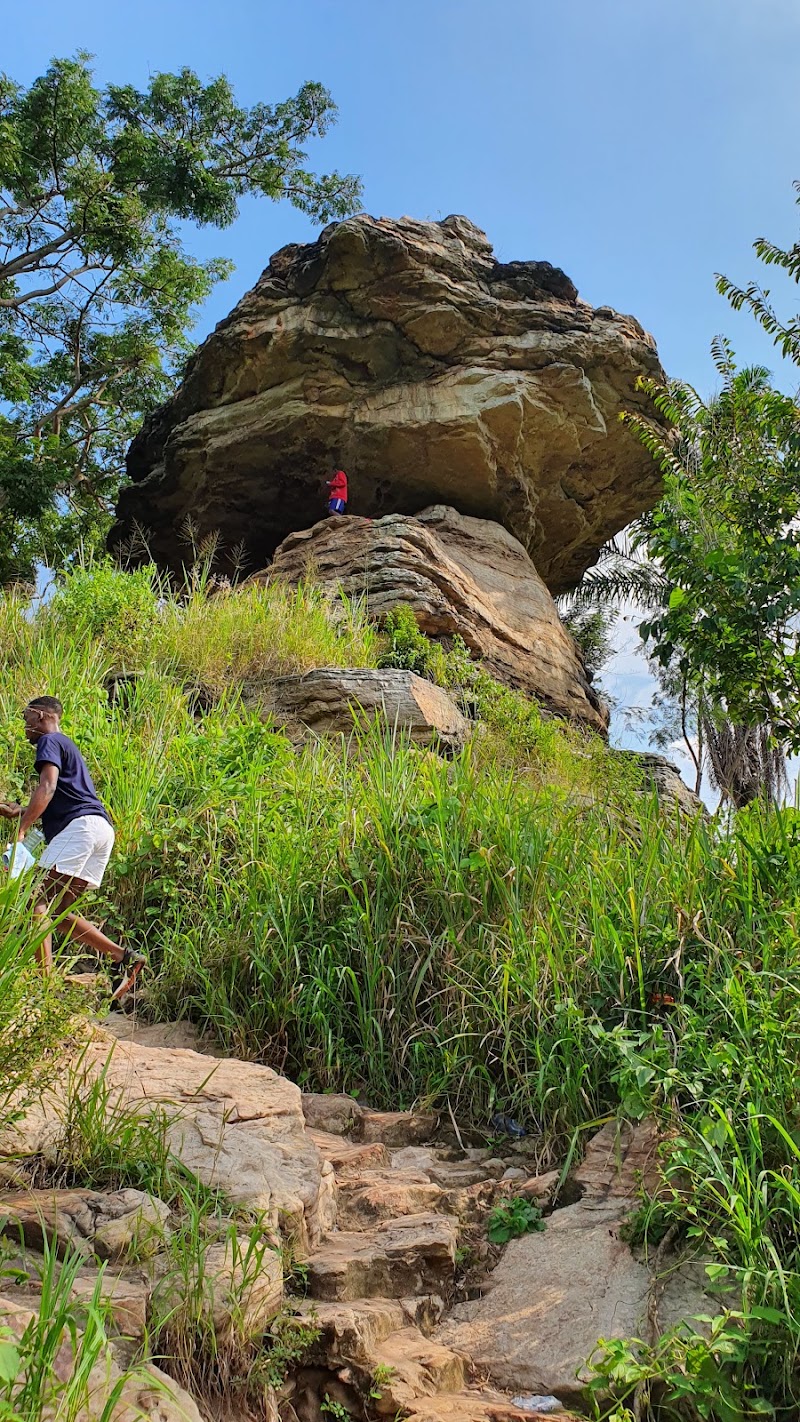
Ghana · Asiafo Amanfro
Umbrella Rock: A Scenic Hike Near Asiafo Amanfro
Umbrella Rock rewards a demanding trek with forest views, unusual rock formations, caves and the nearby three-headed palm tree.

Ghana · Nzulenzu
Nzulezo: A Canoe Journey to Life on Stilts
Public reviews describe Nzulezo as an insightful, waterborne visit where visitors see an active community and learn about daily life on the lake.