Ulugbek Observatory: Samarkand’s Scientific Landmark
A compact museum and surviving astronomical instrument reveal a scientific side of Samarkand beyond its celebrated tiled monuments.
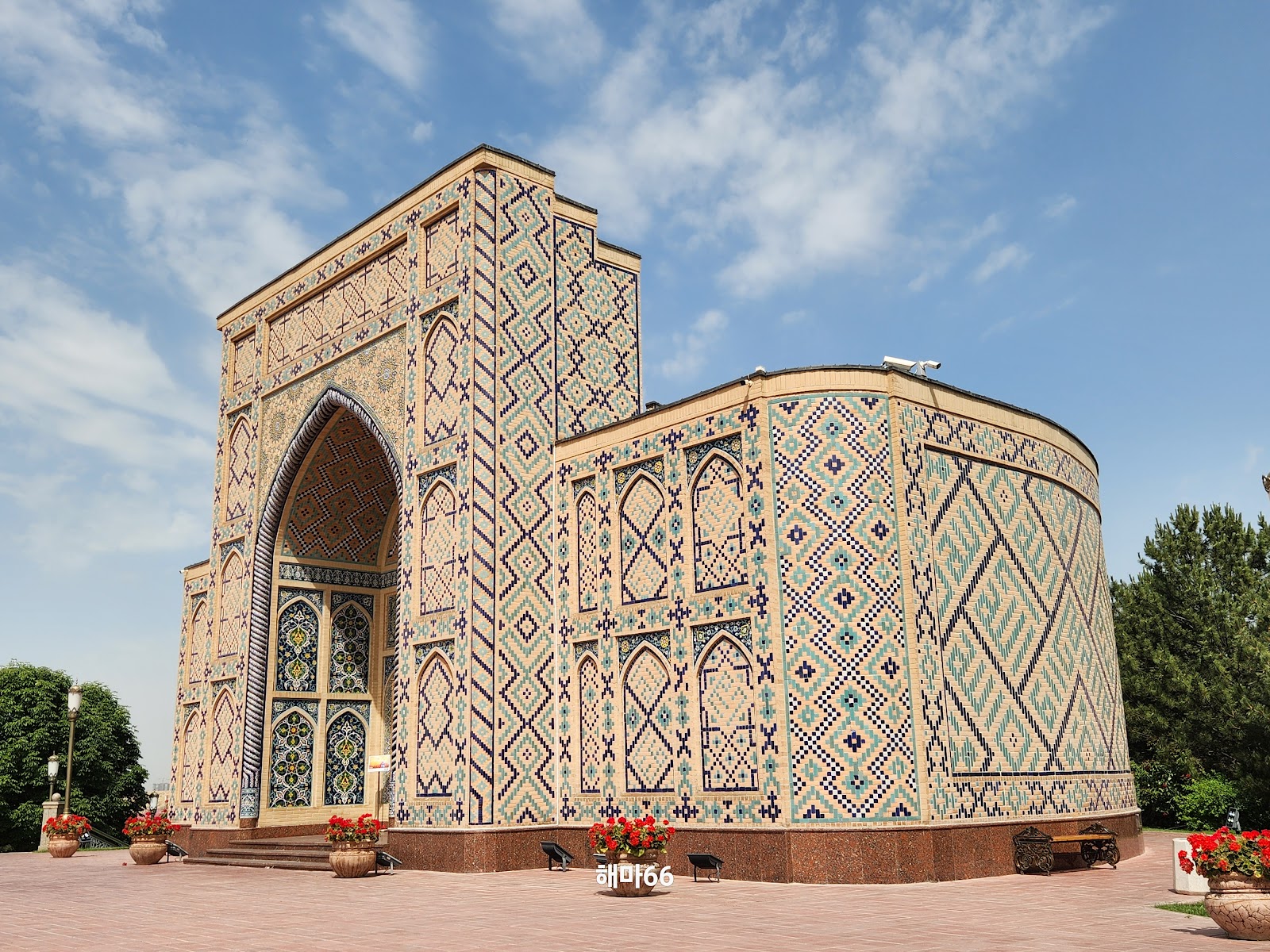
More photos
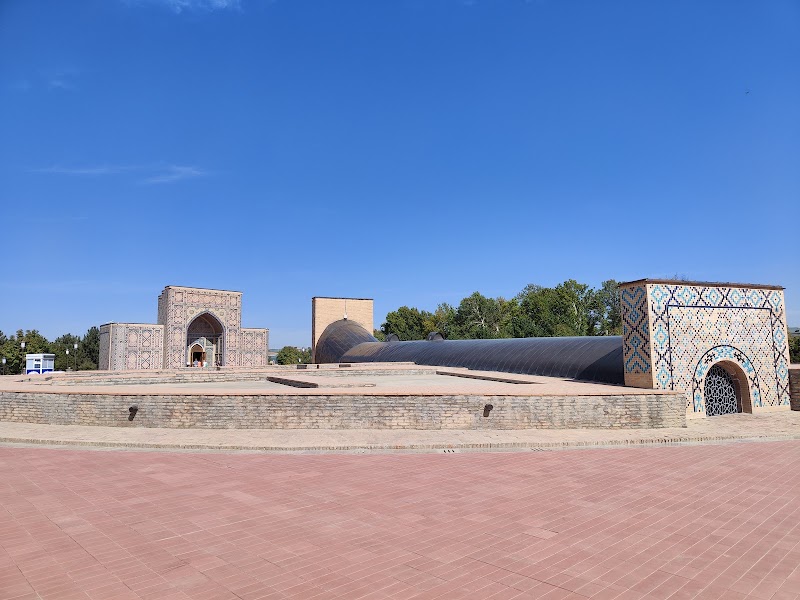

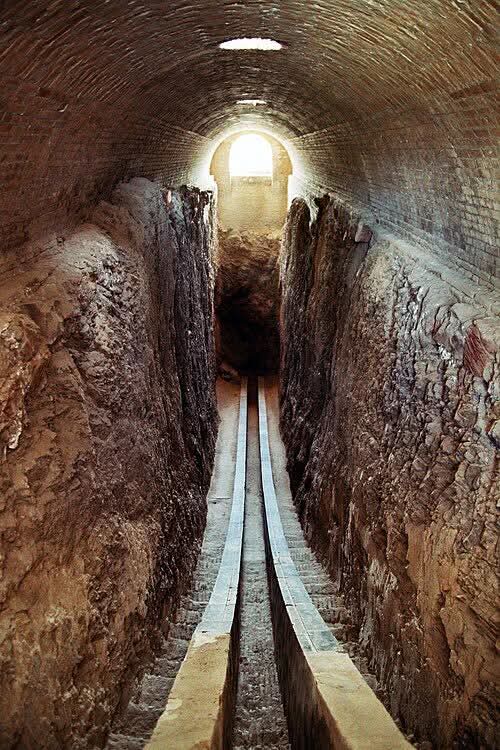

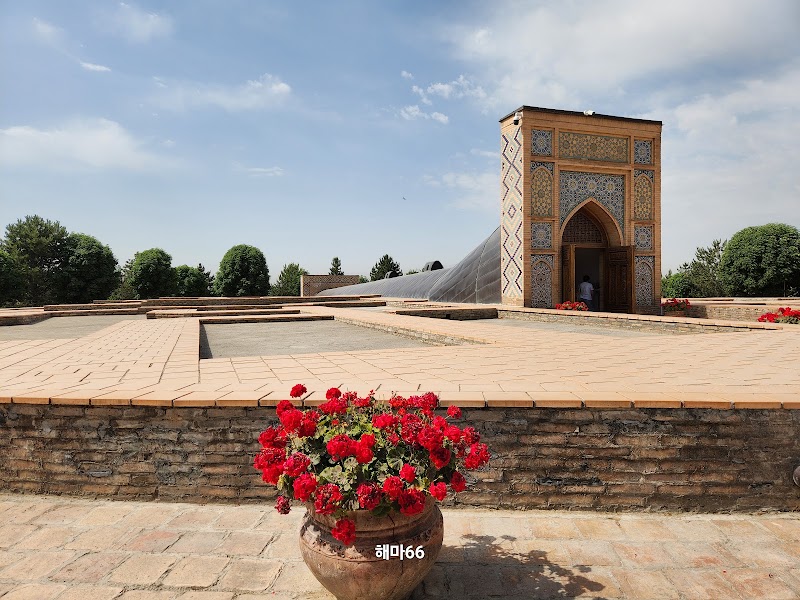

Photos published by travelers on Google, not AI generated.
What stands out
- Surviving underground sextant
- 15th-century astronomical history
- Small, focused museum
- A scientific contrast to Samarkand’s architecture
Worth knowing
- Museum is small and the visit is brief
- Admission may feel high for the site’s size
- A separate toilet charge was reported
Don't miss
What comes up most in public reviews
- See the underground sextant
- Visit the small museum
- Walk around the observatory structure
Worth the trip?
Why it stands out
Ulugbek Observatory offers a different perspective on Samarkand’s history. While the city is widely associated with Silk Road heritage and blue-tiled Islamic architecture, this compact landmark focuses on astronomy, measurement and intellectual achievement. Public feedback gives it a Google rating of 4.3 from 4,153 reviews, with visitors frequently describing the history as fascinating and the scientific significance as the main reason to go.
The site is not a sprawling complex. Reviews repeatedly characterize it as a quick visit, yet many still consider it worthwhile because its subject is unlike that of Samarkand’s larger architectural monuments. It works particularly well for travellers interested in science, scholarship or history beyond decorative buildings.
The underground instrument
The defining feature is the surviving underground sextant associated with 15th-century astronomical observations. Reviewers are struck by the precision with which stars could be measured long before modern equipment. Seeing part of the instrument in place helps turn an abstract account of early astronomy into something physical and understandable.
Several visitors suggest that simply walking around the structure adds to the experience. The remains are visually restrained compared with the Registan and Samarkand’s other monumental sights, but their importance lies in what happened here rather than in elaborate ornament. For many reviewers, that contrast is exactly what makes the observatory memorable.
Museum experience
A small museum provides historical context, although reviews make clear that it is limited in size. Visitors describe it as insightful, interesting and easy to cover without setting aside a large portion of the day. Those expecting extensive galleries may find the presentation brief, while travellers who arrive specifically for the astronomy are more likely to appreciate its focused scope.
The strongest public comments connect the museum and underground instrument as a single experience. The displays explain the ideas, while the surviving structure supplies the sense of place. Since the visit is short, it is better treated as one stop in a broader Samarkand itinerary rather than as a half-day museum outing.
Practical verdict
Value attracts mixed feedback. One reviewer felt admission was relatively high compared with other local attractions, particularly given the museum’s single small room. There was also a complaint about a separate toilet charge. These concerns do not outweigh the broadly positive response, but they are worth considering for visitors prioritizing larger sites.
Overall, synthesized public ratings and reviews point to a compact but distinctive landmark. Its appeal depends less on scale and more on the surviving astronomical instrument and the story of sophisticated scientific work. Visitors fascinated by how earlier scholars observed the sky are likely to find it one of Samarkand’s most thought-provoking stops.
Ask anything
Looking for somewhere else?
Keep exploring around Samarqand
More from Uzbekistan
Uzbekistan · Shahrisabz
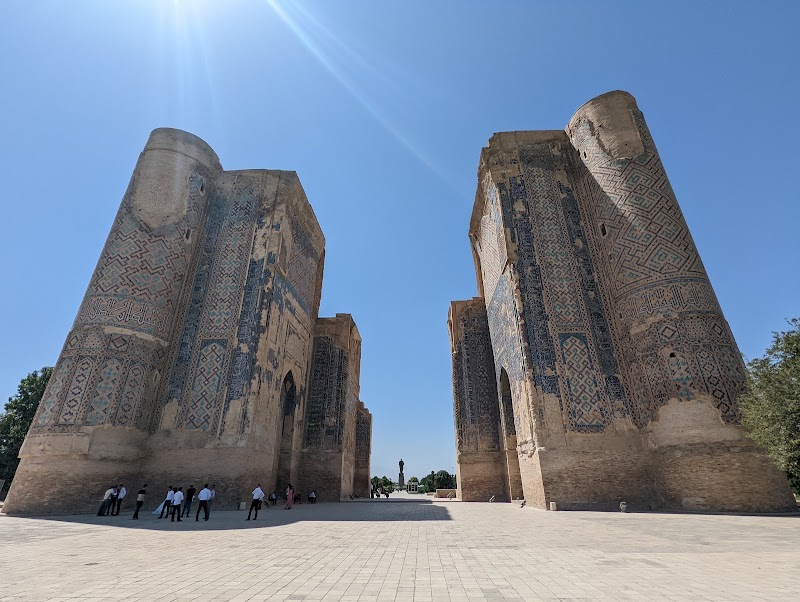
Ak-Saray Palace: Monumental Ruins in Shahrisabz
Timur’s ruined palace impresses with its towering portal and massive walls, though the journey from Samarkand divides opinion.
Uzbekistan · Samarqand
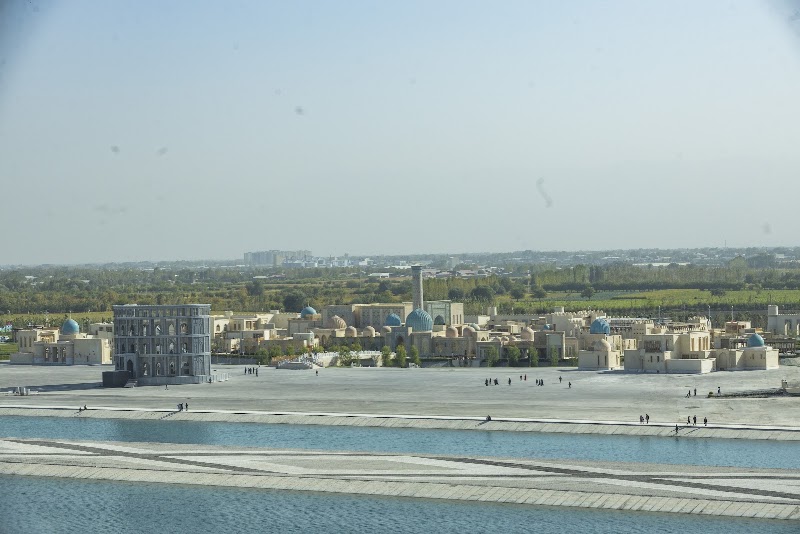
The Eternal City: a polished take on Silk Road Samarkand
The Eternal City is a polished Silk Road-themed ethnopark for photos, food and evening strolls, though reviews question its authenticity and convenience.
Uzbekistan · Khiva
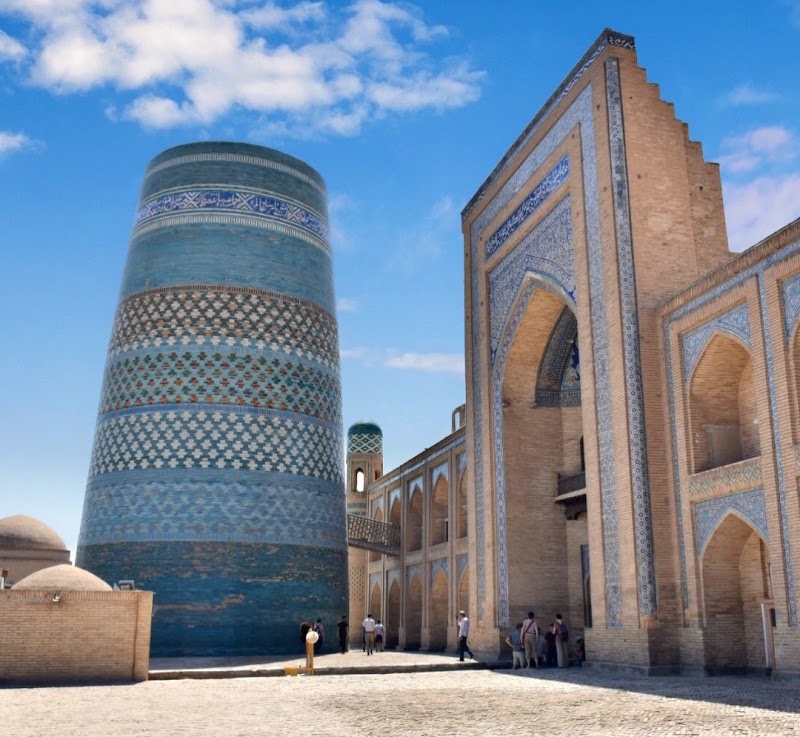
Kalta Minor Minaret: Khiva’s Unfinished Turquoise Icon
This broad, brilliantly tiled minaret near Ichan-Qala’s western gate is one of Khiva’s most recognisable landmarks and photo stops.
Uzbekistan · Buxoro
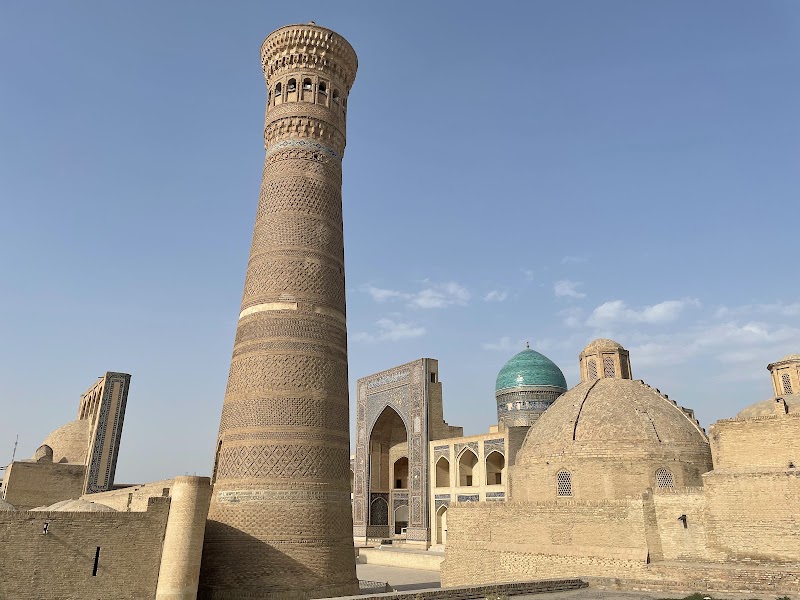
Kalan Minaret, Bukhara’s Defining Brick Landmark
Public reviews praise Kalan Minaret for its patterned brickwork, commanding presence and striking illumination after dark.