Muisca astronomy and stone alignments at Zaquenzipa
Near Villa de Leyva, this archaeological attraction draws interest for its Muisca solar calendar, aligned stone rows and guided interpretation.
More photos


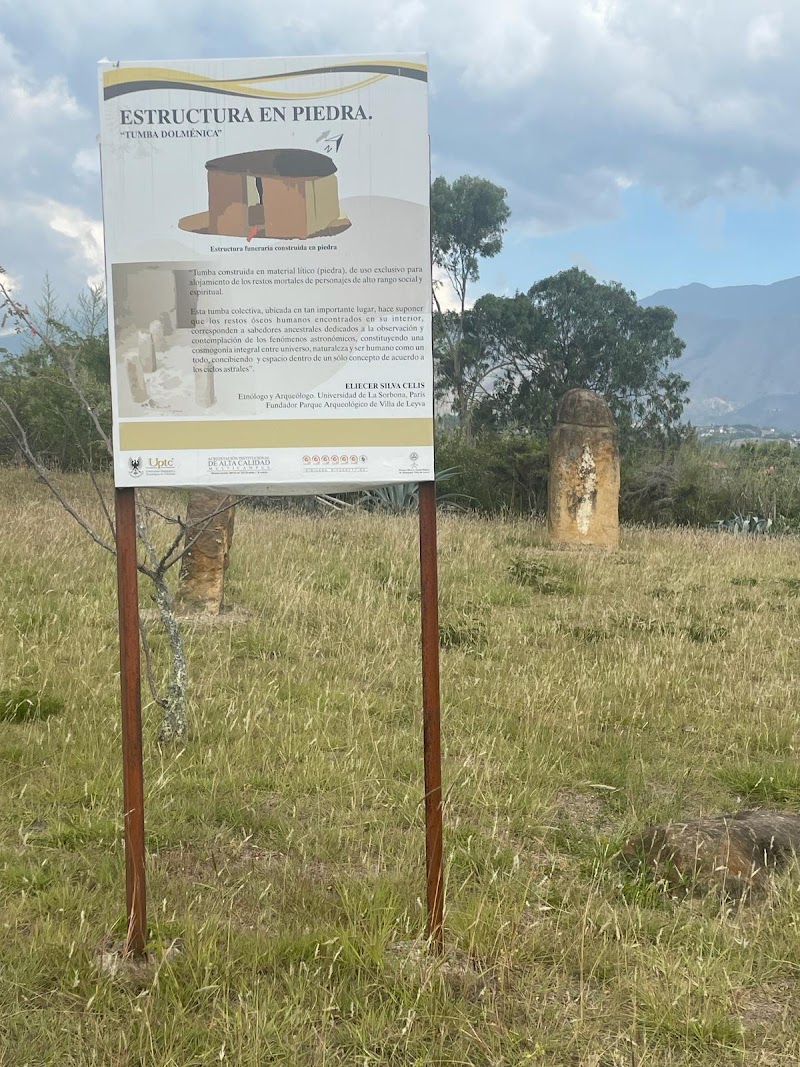
Photos published by travelers on Google, not AI generated.
What stands out
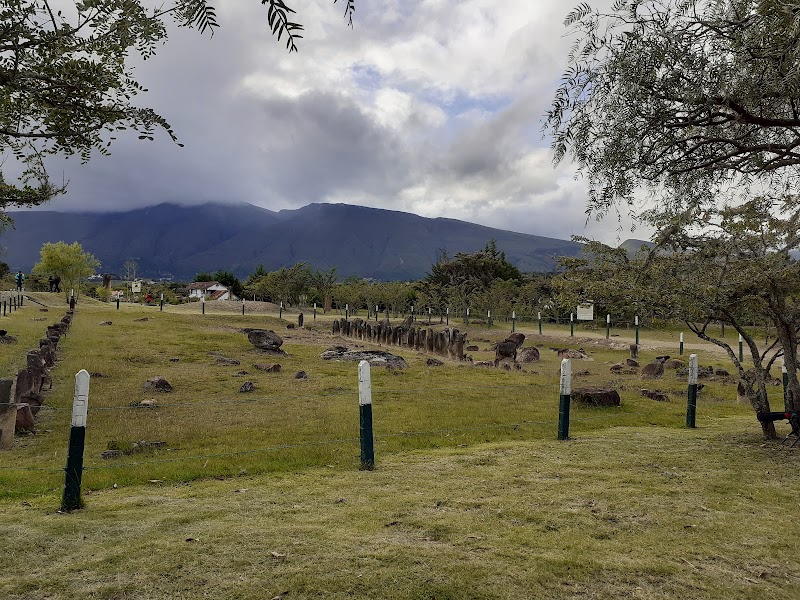
- Parallel rows of aligned stones
- Muisca solar-calendar interpretation
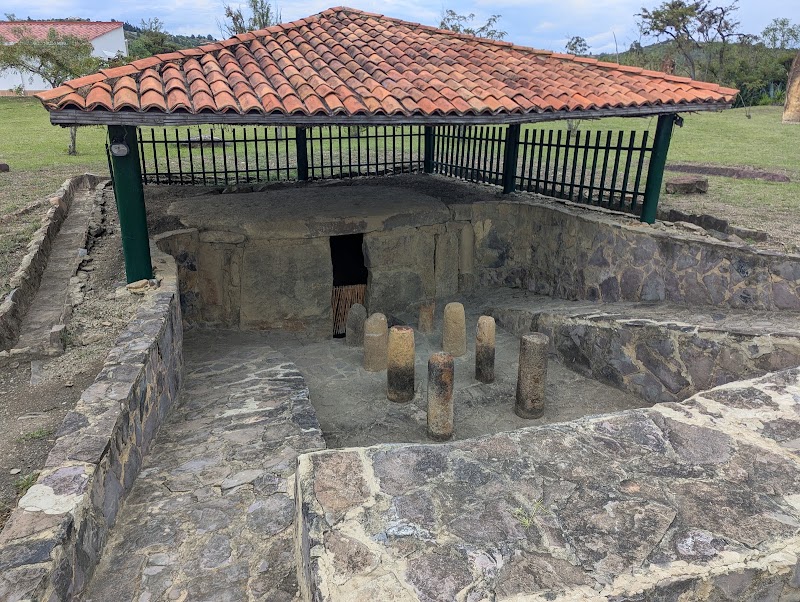
- Original and reconstructed stone rows
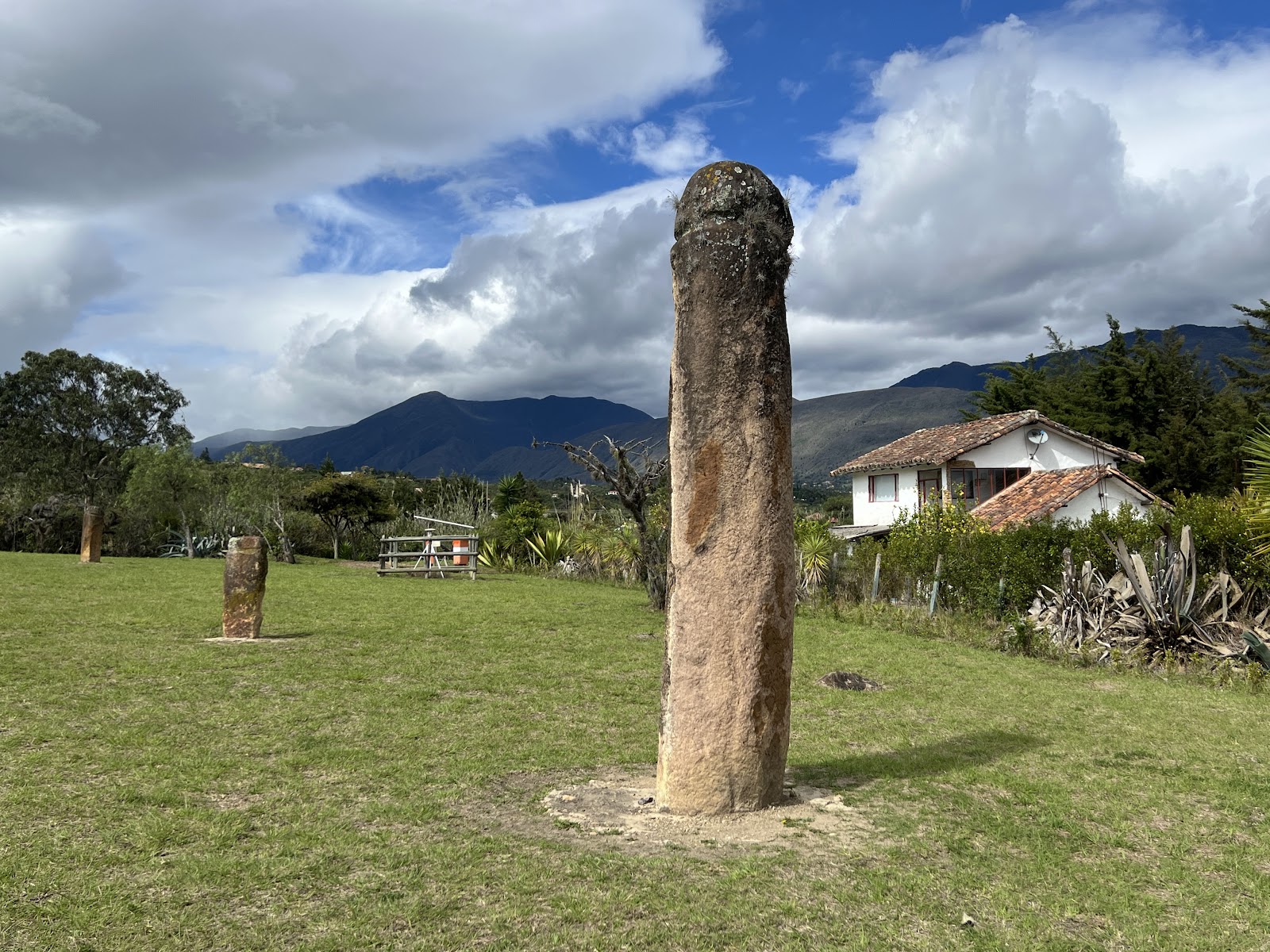
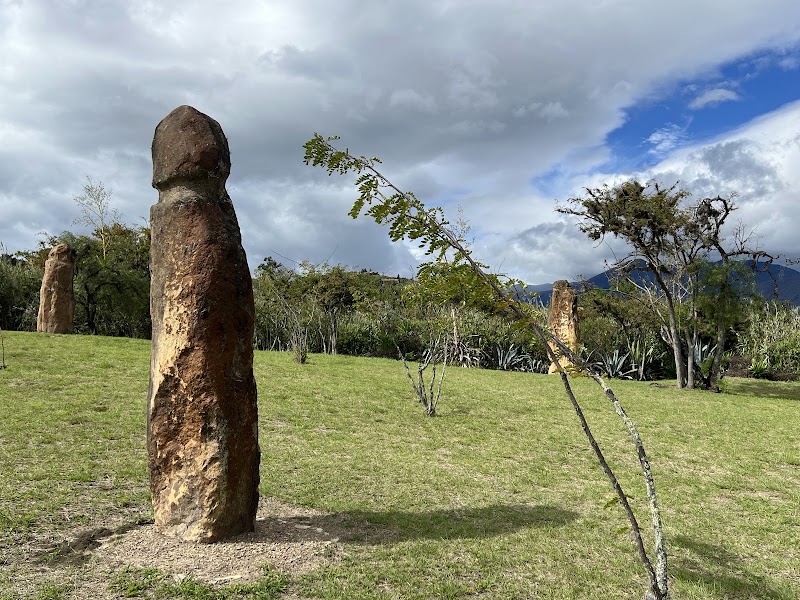
- Distinctive phallic stone columns
Worth knowing
- Reported closures during expected visiting times
- Guided tours may pause at lunch
- Limited context without a guide
Don't miss
What comes up most in public reviews
- Take a guided tour
- Compare the reconstructed and in-situ rows
- Ask how sunrise shadows indicated the date
- Examine the east-west stone alignment
Worth the trip?
Why it stands out
Observatorio Astronomico de Zaquenzipa is one of the more distinctive archaeological stops mentioned by travellers in the Villa de Leyva area. Based on public feedback, its appeal rests less on conventional museum displays than on seeing an ancient Muisca site in the landscape where its stone features were found. Google lists it at 4.3 from 529 reviews, suggesting broadly positive visitor sentiment despite some practical complaints.
Reviewers repeatedly focus on the site's relationship with astronomy and timekeeping. The principal feature described is a solar calendar formed by two parallel rows of stones with an east-west alignment. According to one detailed account, one row was reconstructed from archaeological evidence while the other was uncovered in situ. The suggested interpretation is that shadows cast at sunrise helped indicate the date, although travellers may benefit from a guide to make that process intelligible.
What visitors see
The aligned columns are the central attraction. Public reviews also call attention to their phallic forms and to reported efforts by Spanish colonisers to damage them. One reviewer connects those forms with the Spanish name “little Hell,” though the limited review sample does not establish a full historical explanation. Visitors seeking reliable context should treat a guided account as more useful than relying on brief comments or visual impressions alone.
The site appears relatively straightforward to walk around. A reviewer who arrived while guides were at lunch still explored the park independently and found it fascinating. That said, the stones do not necessarily explain themselves. Without interpretation, visitors may see rows of weathered columns but miss the proposed relationship between their alignment, sunrise and calendar measurement.
The case for a guided tour
The clearest recurring recommendation is to take a tour. One enthusiastic review simply urges others to get one, while another notes that guided tours were available but paused during lunch. A guide should help distinguish the reconstructed row from the stones uncovered in place, explain the east-west orientation and set the Muisca features in context.
The experience is therefore best suited to travellers with an interest in archaeology, Indigenous history or early astronomical observation. It can also complement time in Villa de Leyva, particularly for those who prefer a focused cultural site to a broad museum collection. The available reviews do not provide enough consistent detail to assess facilities, accessibility or the depth of exhibits.
Planning the visit
Opening and tour availability are the main cautions raised in the sample. One disappointed visitor found the attraction closed despite seeing employees inside and could only look from outside. Another arrived when guides were at lunch. These reports make advance confirmation sensible, especially for anyone travelling specifically for the site or hoping for guided interpretation.
Overall, Zaquenzipa earns its place on a Villa de Leyva-area itinerary through the unusual survival of its Muisca stone features and the intriguing calendar interpretation attached to them. Its value rises considerably when the rows, shadows and damaged columns are explained. Visitors arriving without a guide may still enjoy walking around, but they risk leaving with more questions than answers.
Ask anything
Looking for somewhere else?
Keep exploring
More from Colombia
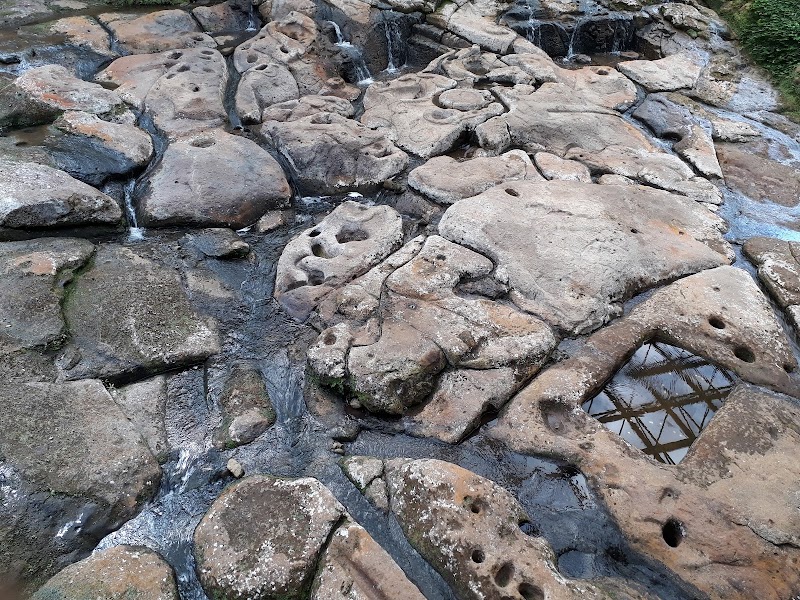
Colombia · San Agustín
Alto de Lavapatas: Carved Pools and Calming Views
A scenic archaeological park stop where carved pools, intriguing figures and a relaxing uphill walk reward close inspection.
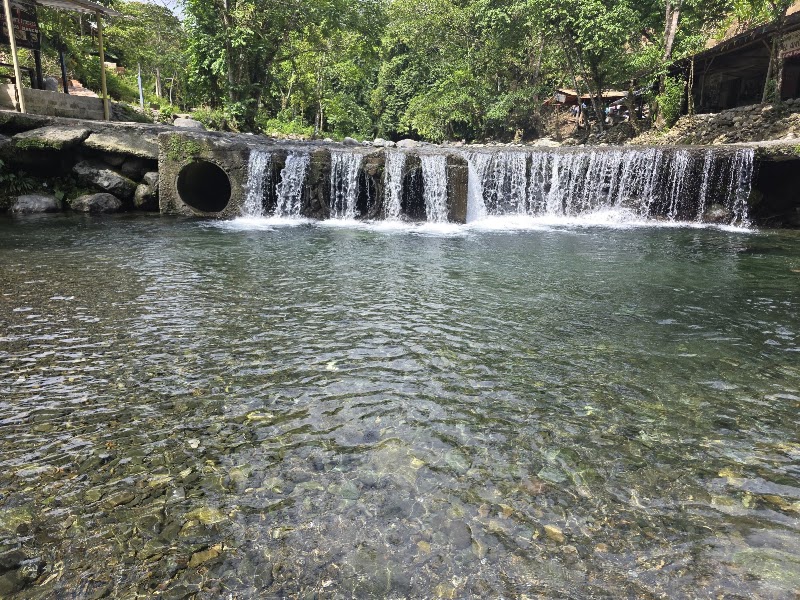
Colombia · Montería
Paramillo National Park: Strong Praise, Few Details
Public feedback is highly positive, but sparse reviews offer little practical guidance on what to see or how long to spend in the park.
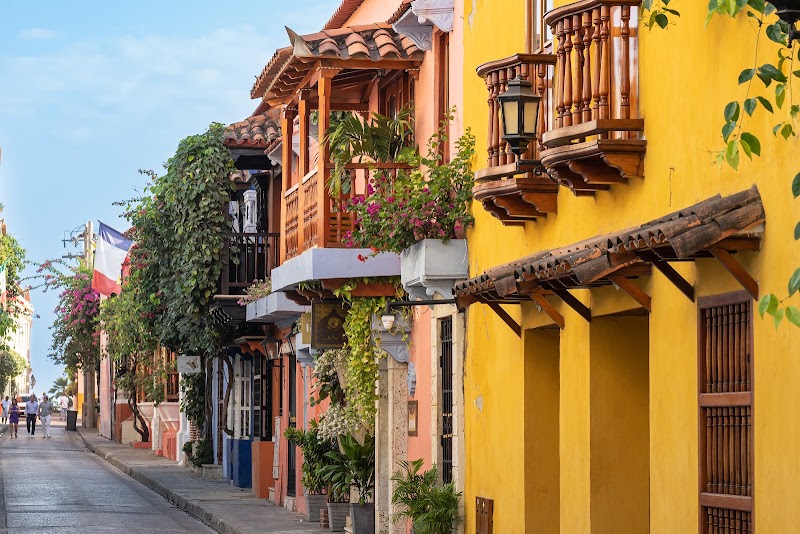
Colombia · Cartagena de Indias
Centro Histórico de Cartagena: Colour, Walls and Colonial Charm
Cartagena’s walled historic centre pairs vivid colonial architecture, cobbled lanes and flower-filled balconies with a lively street scene.
Colombia · Bucaramanga
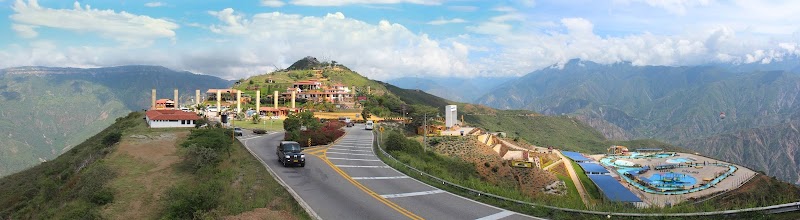
Parque Nacional del Chicamocha: Canyon Views by Cable Car
Sweeping mountain scenery and a dramatic cable-car ride define this popular day trip from Bucaramanga, though many activities cost extra.