Nyamata Genocide Memorial: A Place of Difficult Memory
Preserved inside a former church, Nyamata confronts visitors with physical evidence of the 1994 genocide against the Tutsi.
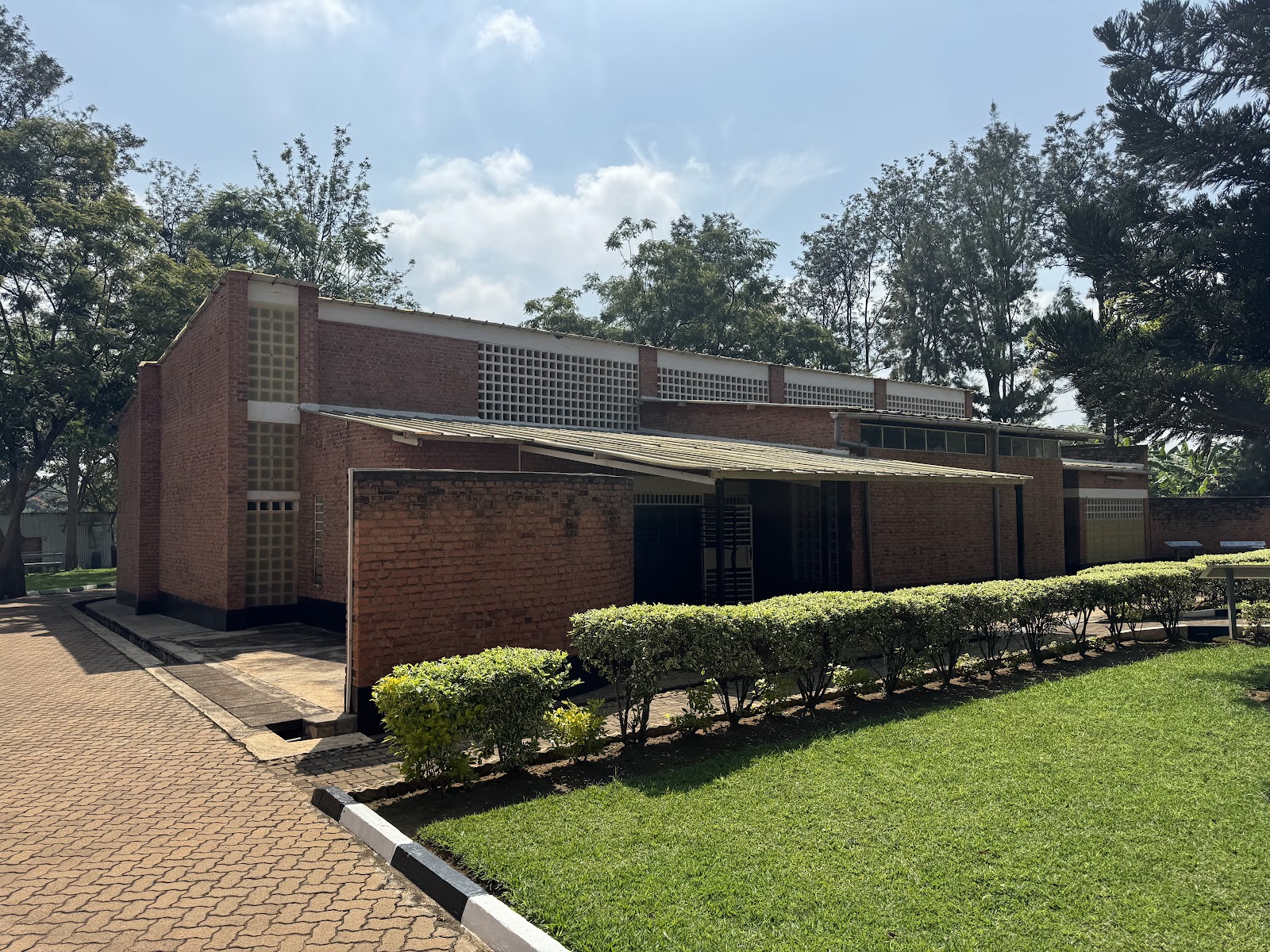
More photos
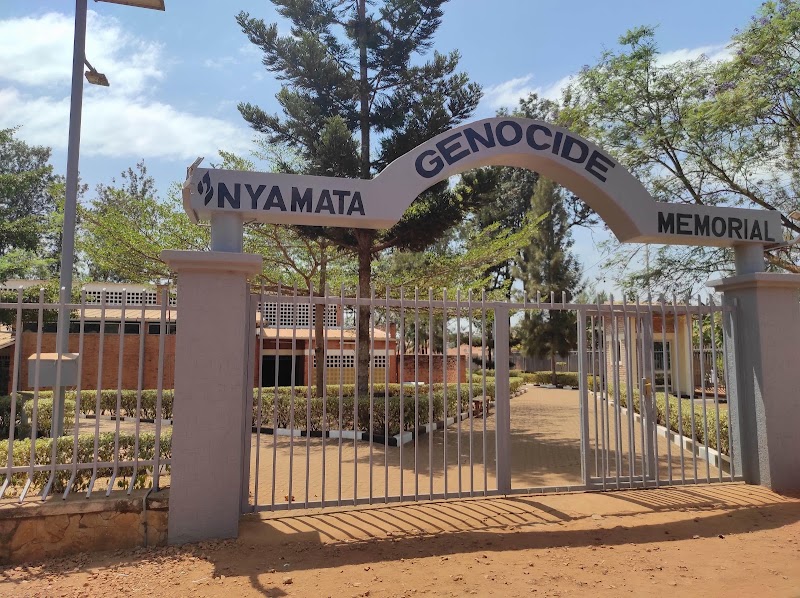
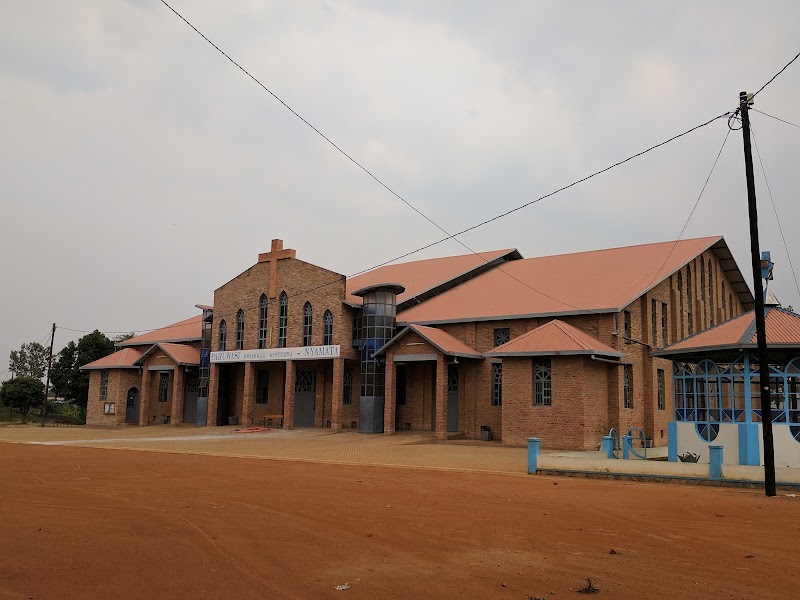
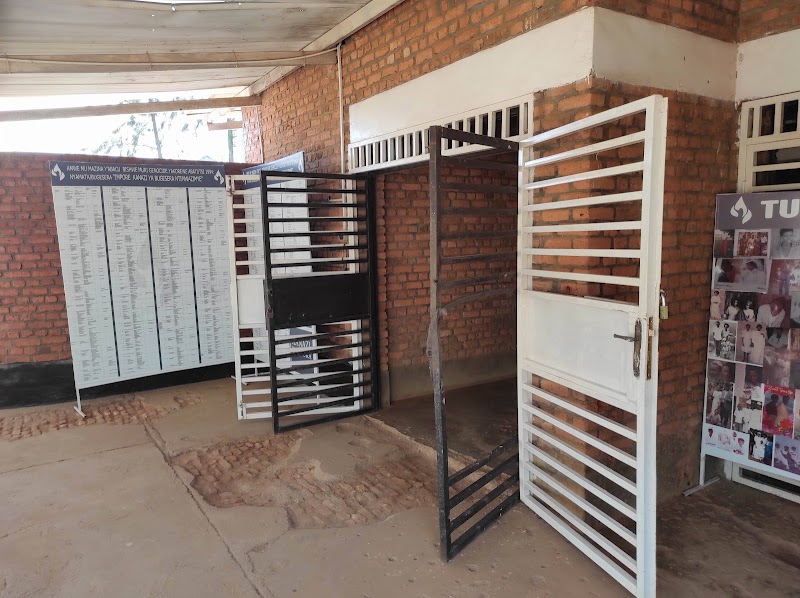
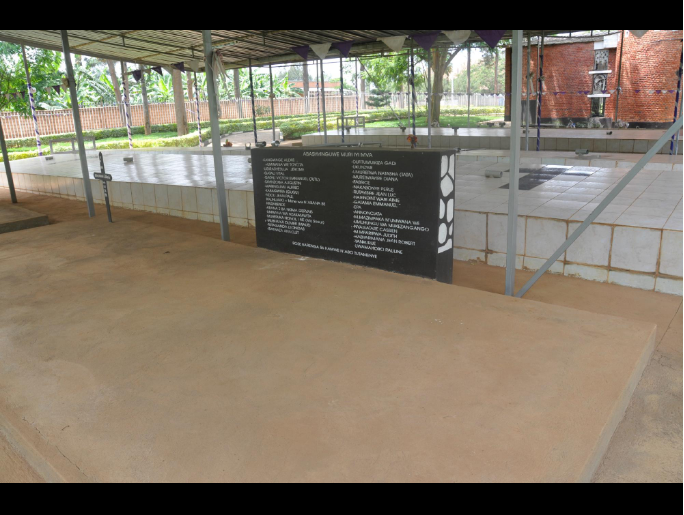

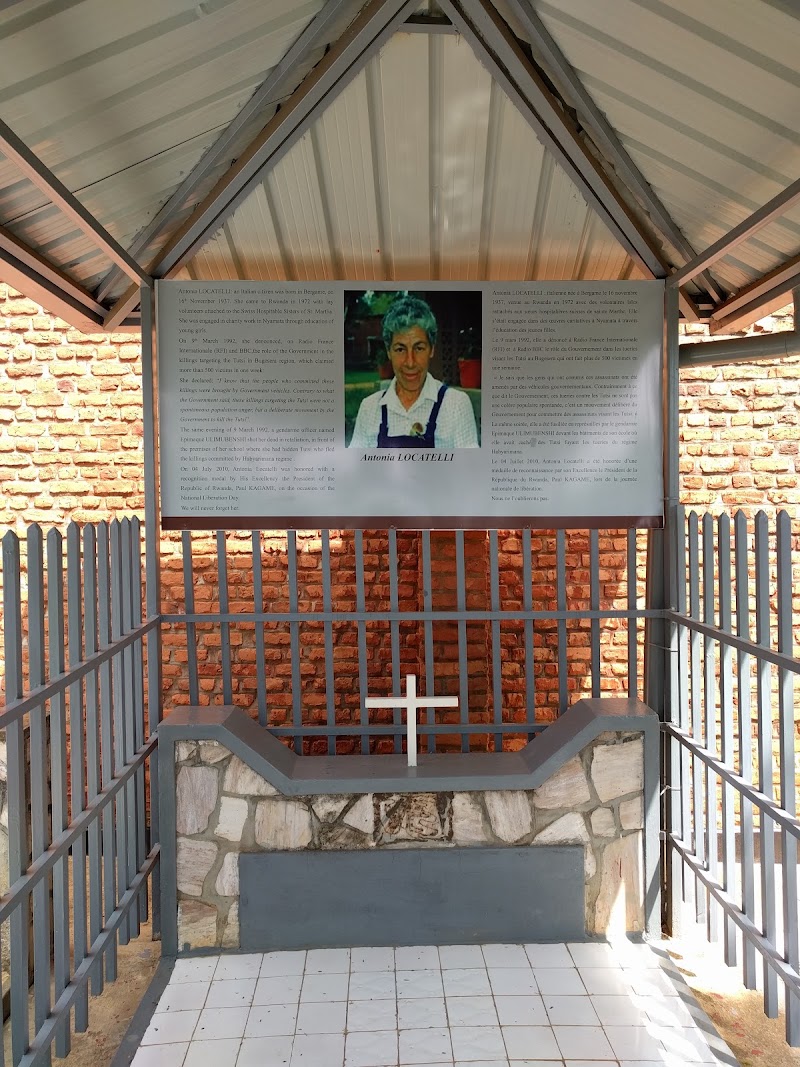
Photos published by travelers on Google, not AI generated.
What stands out
- Preserved former church
- Visible bullet and shrapnel damage
- Victims’ clothing and personal traces
- Mass graves behind the church
- Dignified place of remembrance
Worth knowing
- Graphic displays of human remains
- An emotionally distressing experience
- Visitor accounts cite differing casualty totals
Don't miss
What comes up most in public reviews
- Examine the damage to the church building
- See the preserved victims’ clothing
- Visit the mass graves behind the church
- Read the handwritten notes mentioned by reviewers
Worth the trip?
Why it matters
Nyamata Genocide Memorial Site is not a conventional museum visit. It occupies a former Catholic church where people sought sanctuary during the 1994 genocide against the Tutsi, only for the compound to become the scene of a massacre. Synthesizing its 4.5 Google rating from 181 reviews, the clearest consensus is that this is a deeply distressing but essential place of remembrance.
Reviewers repeatedly describe the memorial as sobering, sad and difficult to process. They also emphasize its dignity and importance. The preserved church does not soften the history. Instead, the building and the objects left within it confront visitors with the human consequences of the violence. For many reviewers, that directness is precisely why the site should be visited and supported.
What visitors encounter
The church still bears visible damage from the attack, including marks attributed by reviewers to bullets, shrapnel and a grenade used to breach the entrance. Clothing belonging to victims remains inside. Several accounts also mention handwritten notes, skulls, bones and other human remains. These are not abstract displays, and they make the memorial emotionally and visually intense.
Mass graves stand behind the church. The sampled reviews give differing figures for the number of people killed at the site and buried in the wider memorial grounds, ranging from thousands of victims in the church to tens of thousands interred there. Rather than focusing on a single total drawn from visitor accounts, the memorial is best understood as preserving the stories and remains of people murdered in Nyamata and the surrounding area.
The strongest reviews praise the site for retaining physical evidence instead of presenting the genocide only through text. Damage to the building, victims’ clothing and burial areas collectively communicate the scale and brutality of what happened. Visitors consistently frame these elements as a warning against the repetition of such crimes, in Rwanda or elsewhere.
The experience
This is a place that calls for patience, quiet and respect. Public reviews suggest that the emotional weight can be considerable, particularly when seeing children’s clothing, human remains and the scars left on a space once regarded as a refuge. It is unsuitable for anyone expecting a light historical stop, and adults accompanying children should consider the graphic nature of the material before entering.
The memorial’s presentation is described as well kept and dignified. Although one sampled review begins to mention a guide, the available text is incomplete, so no firm conclusion can be drawn about the consistency or scope of guided interpretation. Even without that detail, the preserved church and compound provide a stark account of the events.
Editorial verdict
Nyamata is among the most consequential places a traveller can visit in the area. Its value lies neither in comfort nor spectacle, but in remembrance, evidence and reflection. Reviews overwhelmingly treat it as an important historical site whose difficult contents should be approached with care. Those prepared for graphic material are likely to find the visit profoundly affecting and necessary for understanding Rwanda’s recent history.
Ask anything
Looking for somewhere else?
Keep exploring around Nyamata
More from Rwanda
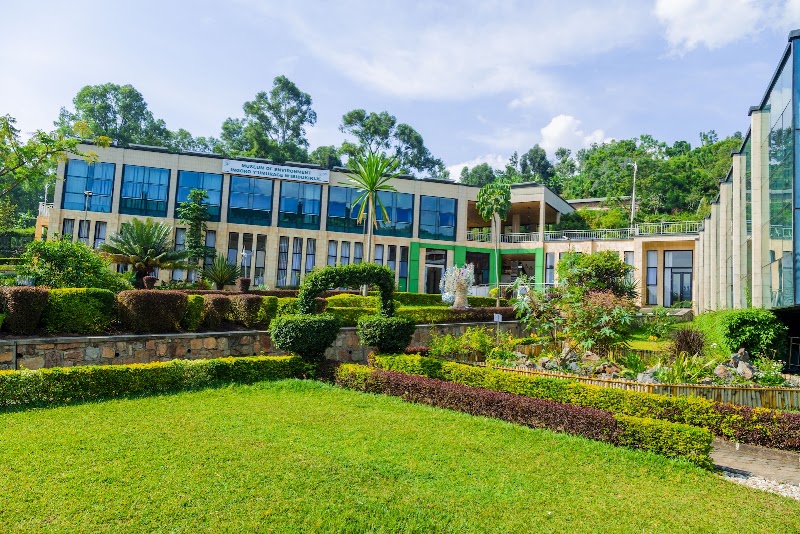
Rwanda · Kibuye
Museum of Environment: Rwanda’s landscape explained
Kibuye’s specialist museum explores Rwanda’s geography, energy production, native plants and environmental future through accessible displays and guided visits.
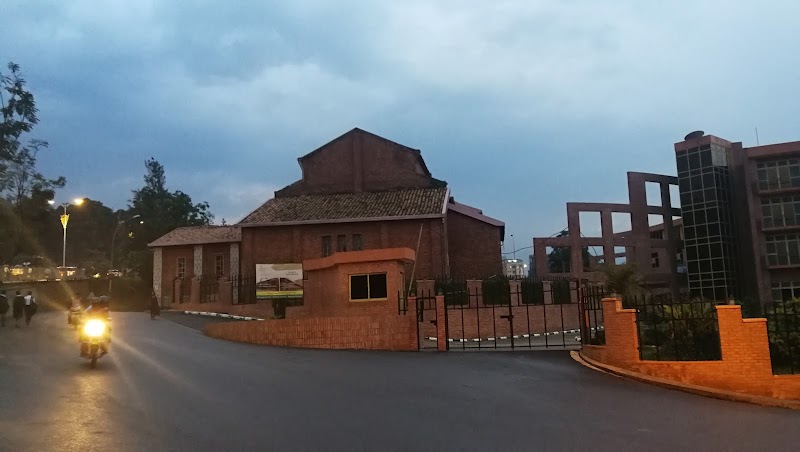
Rwanda · Kigali
St Famille Church: Historic Catholic Life in Kigali
A large, active Catholic church in Kigali, noted by reviewers for its history, emotional resonance, cleanliness and busy Sunday services.
Rwanda · Kigali
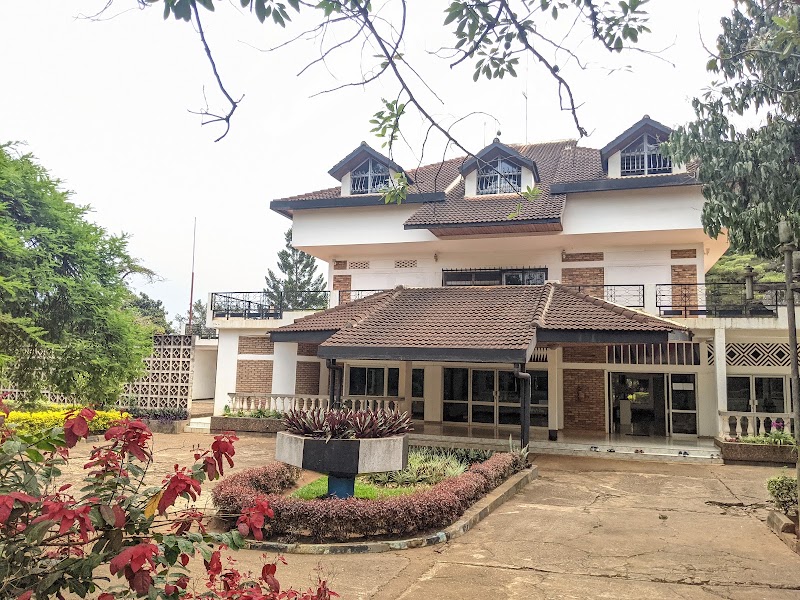
Rwanda Art Museum: Contemporary art meets political history
Set in a former presidential residence, this Kigali museum combines work by local artists with a consequential piece of Rwanda’s past.
Rwanda · Kigali
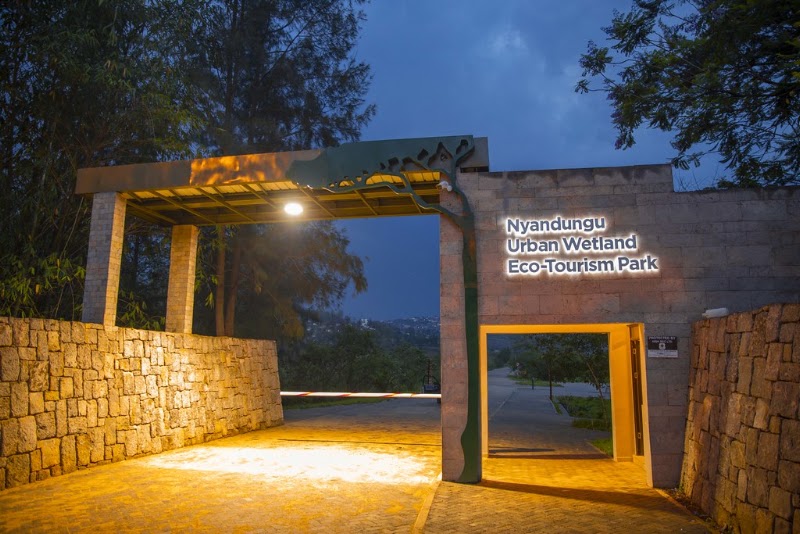
Nyandungu Eco-Park: Quiet Trails and Kigali Hill Views
This landscaped Kigali park suits unhurried walks, cycling and quiet breaks, though some visitors question its scale, biodiversity and entry cost.