Nijō Castle: Shogun History, Painted Rooms and Gardens
Kyoto’s sprawling palace complex draws strong praise for its nightingale floors, ornate interiors, formidable walls and calm gardens.

More photos
Photos published by travelers on Google, not AI generated.
What stands out
- Ninomaru Palace interiors
- Chirping nightingale floors
- Painted rooms and wooden architecture
- Moat, gates and massive stone walls
- Spacious, well-maintained gardens
Worth knowing
- Photography is not allowed inside Ninomaru Palace
- Shoes must be removed for the palace interior
- The complex is large and involves substantial walking
Don't miss
What comes up most in public reviews
- Walk across the nightingale floors
- See the painted rooms in Ninomaru Palace
- Explore the landscaped gardens
- View the moat and massive stone walls
Worth the trip?
The verdict
Nijō Castle holds a Google rating of 4.4 from 42676 reviews, reflecting broad enthusiasm for its combination of architecture, political history and landscaped grounds. Public reviews frequently describe it as a Kyoto highlight, particularly for travellers looking beyond the city’s temples.
Rather than the towering keep some visitors may associate with Japanese castles, Nijō is presented as a broad palace complex enclosed by a moat, massive stone walls and imposing gates. Reviewers find that scale impressive, yet several also describe the grounds as peaceful and calming. The well-maintained buildings and gardens help make the site feel coherent rather than simply vast.
Inside the palace
Ninomaru Palace receives the most detailed praise. Visitors repeatedly mention its wooden interiors, painted rooms and famous “nightingale floors,” which chirp or squeak as people walk across them. The sound is one of the castle’s defining experiences, adding a physical detail to the story of shogunal power and palace life.
The interiors are also valued for their decorative paintings and traditional architecture. Photography is reported to be prohibited inside Ninomaru Palace, so visitors should expect to experience the rooms without documenting them. One review also notes that shoes must be removed at the entrance and that the palace is walked through in socks.
The route offers a close look at spaces associated with the Tokugawa shogunate. Reviews connect the castle with Tokugawa Ieyasu and construction between 1603 and 1626, giving the palace more context than a purely decorative landmark. For history-minded travellers, this is the main reason Nijō Castle stands apart from many other Kyoto attractions.
Grounds and atmosphere
Outside, the moat, stone fortifications, old gates and broad garden areas are recurring highlights. Trimmed planting and open spaces soften the defensive architecture, while the size of the complex allows the experience to extend well beyond the palace interiors.
Despite substantial visitor numbers, reviewers can still find the gardens quiet. The contrast between formidable walls and carefully maintained greenery is part of the appeal. Travellers who move slowly through the grounds, rather than treating the palace as the only objective, are likely to get more from the visit.
Who should visit
Nijō Castle is best suited to travellers interested in samurai-era history, traditional wooden architecture and Japanese gardens. It also works well for visitors who want historical context without visiting another temple complex.
A half-day is a sensible allowance given the spacious site, palace route and multiple garden areas. The main cautions are practical: interior photography may not be permitted, shoes need to be removed in the palace, and the large grounds require a fair amount of walking. Even with those considerations, the consistently positive public response makes Nijō Castle one of Kyoto’s stronger major-landmark choices.
Plan the rest of the trip
Ask anything
Looking for somewhere else?
Keep exploring around Kyoto
More from Japan
Japan · Kyoto
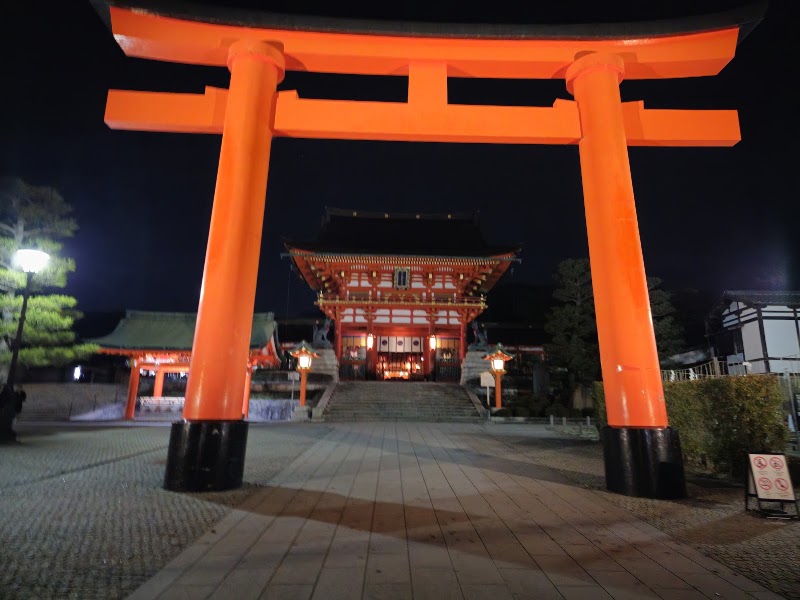
Fushimi Inari Taisha: Kyoto’s Torii-Gate Mountain Walk
Fushimi Inari Taisha pairs iconic vermilion torii gates with a demanding mountain route that grows quieter and more atmospheric higher up.
Japan · Taito City
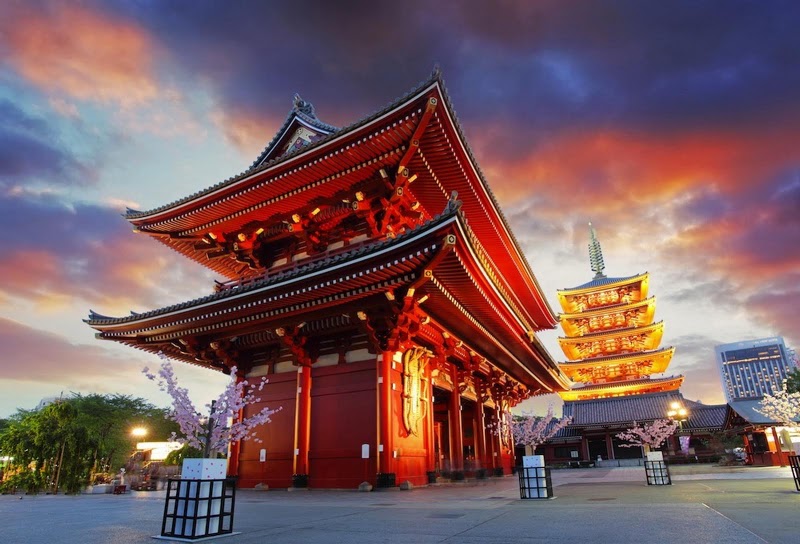
Sensō-ji, Tokyo’s Enduring Temple Landmark
Sensō-ji gives visitors a vivid introduction to Buddhist tradition, historic architecture and the busy street life of Asakusa.
Japan · Sumida City
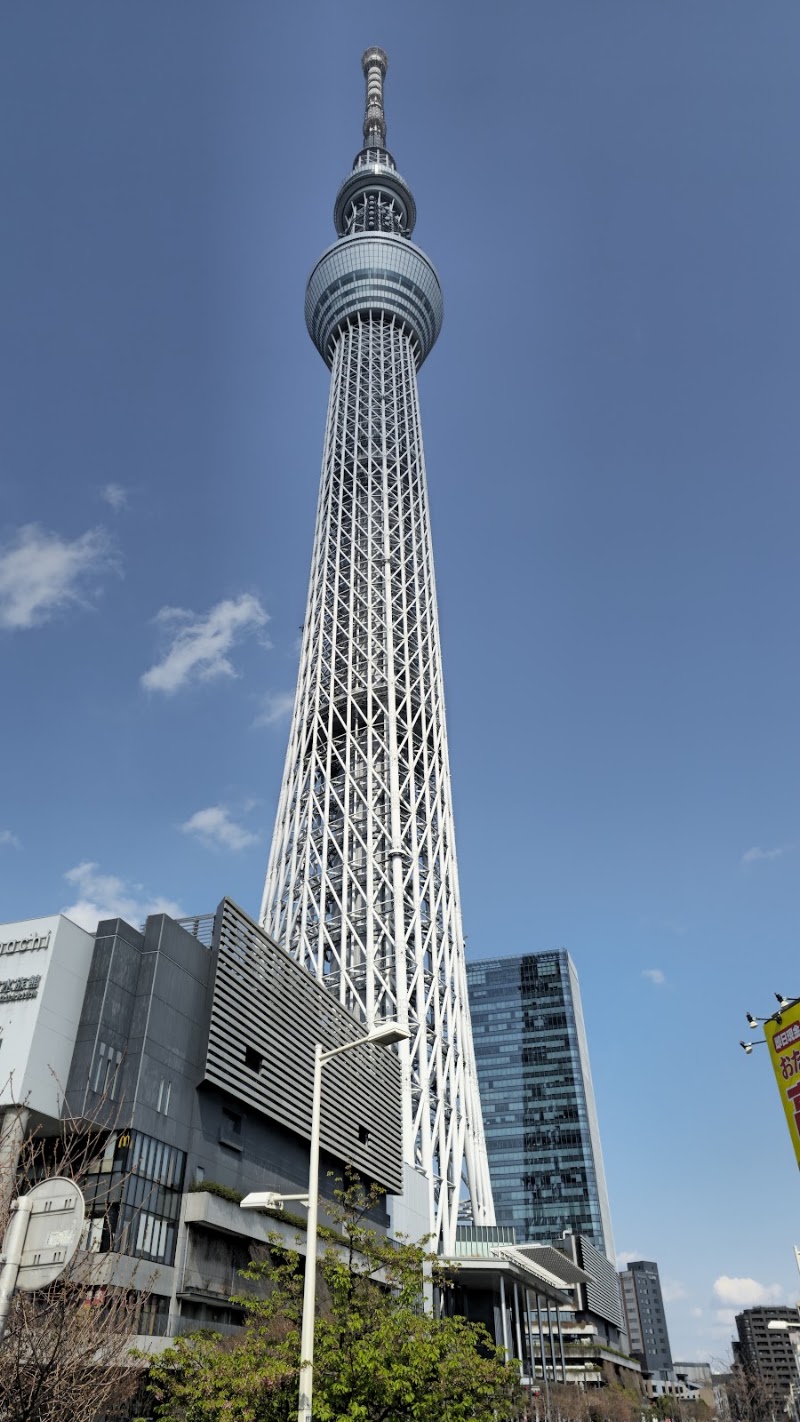
Tokyo Skytree Delivers Wide-Ranging Views Across Tokyo
Public reviews praise Tokyo Skytree for its panoramic observation decks, smooth organization and strong day-to-night views.
Japan · Osaka
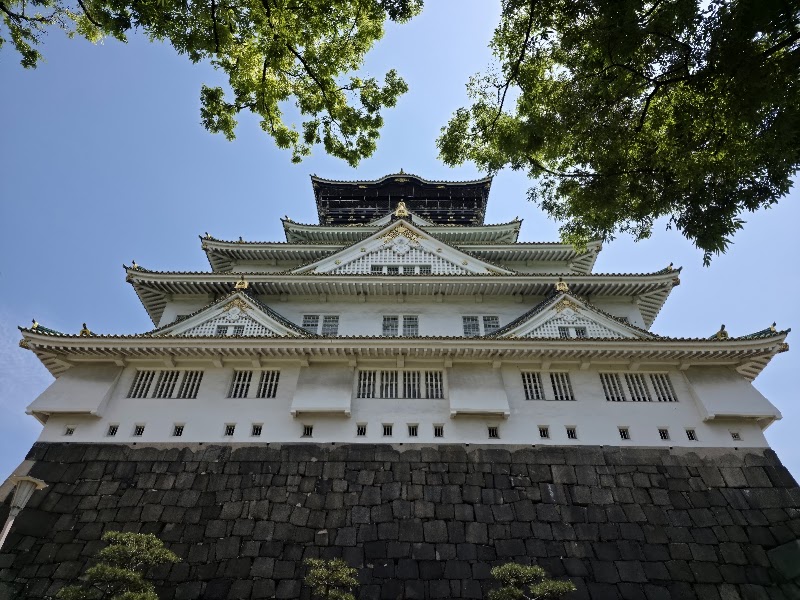
Osaka Castle: striking grounds, layered history and a modern interior
Osaka Castle earns strong public praise for its architecture, parkland and historical importance, though the museum interior may surprise visitors expecting original rooms.