Newgrange: Neolithic engineering in the Boyne Valley
Newgrange pairs a 5,000-year-old passage tomb with strong interpretation, knowledgeable guides and a celebrated winter-solstice alignment.
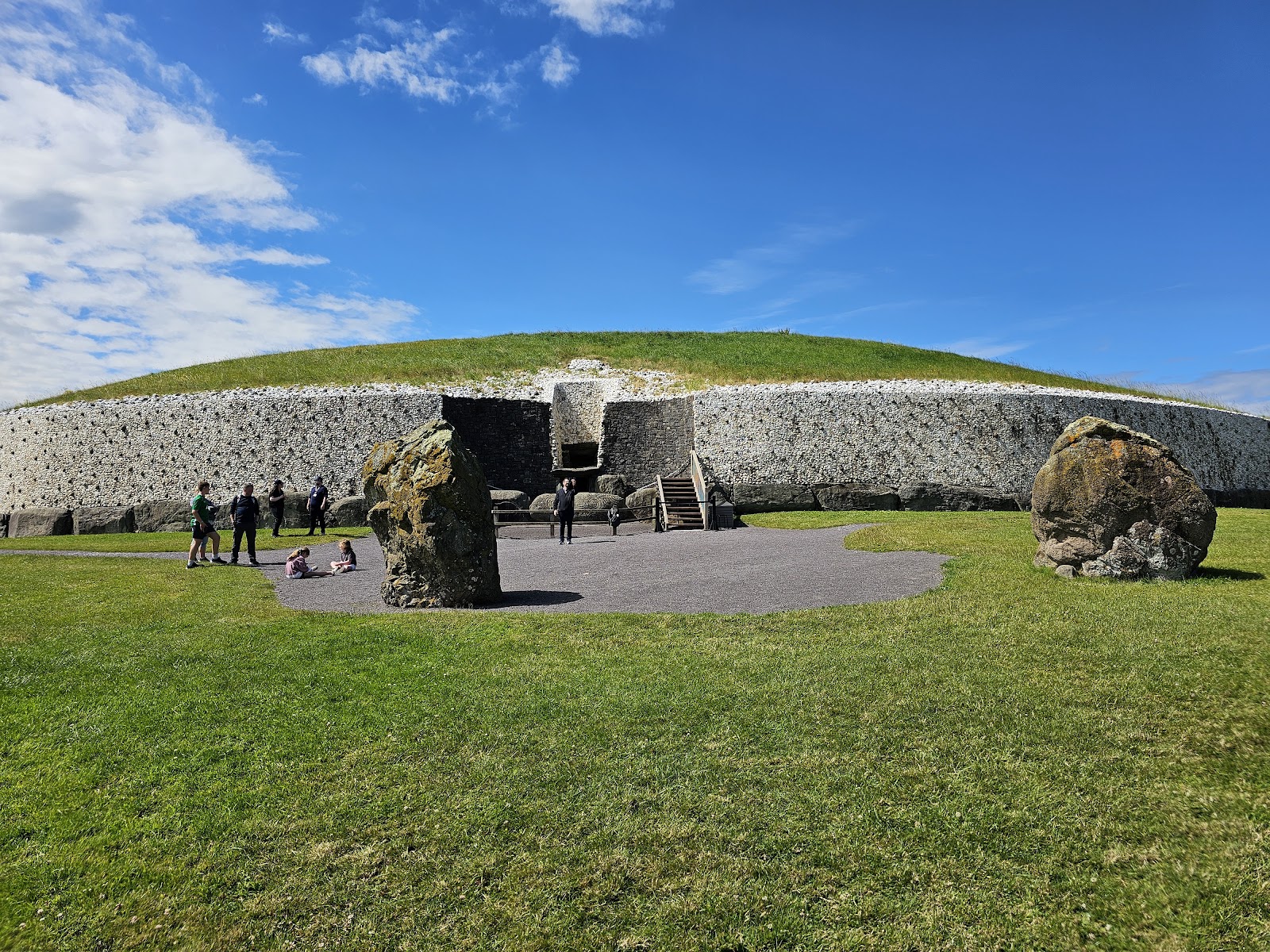
More photos
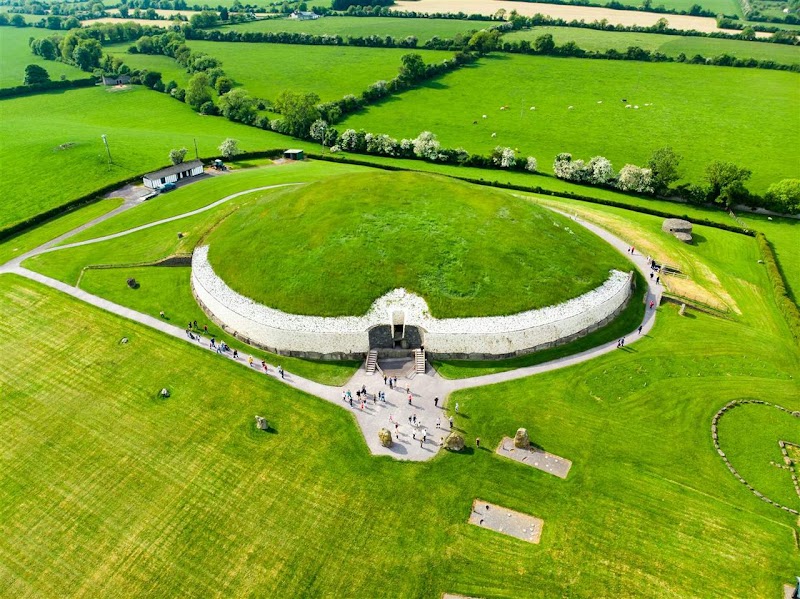
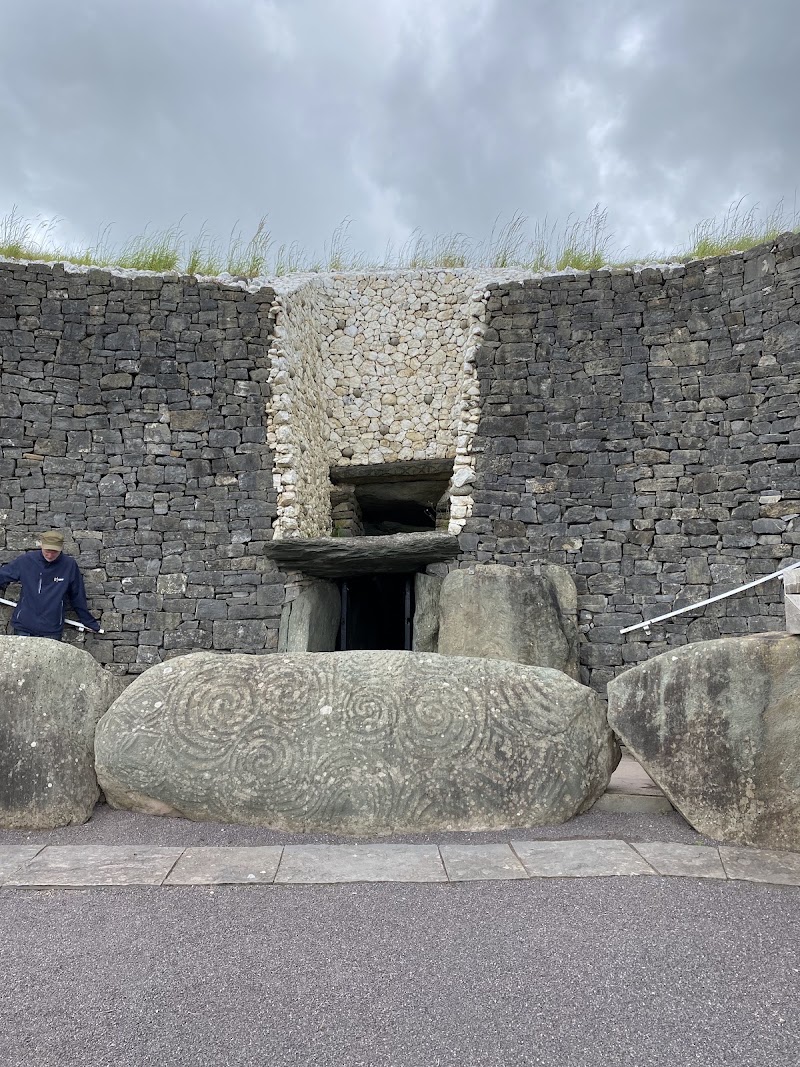
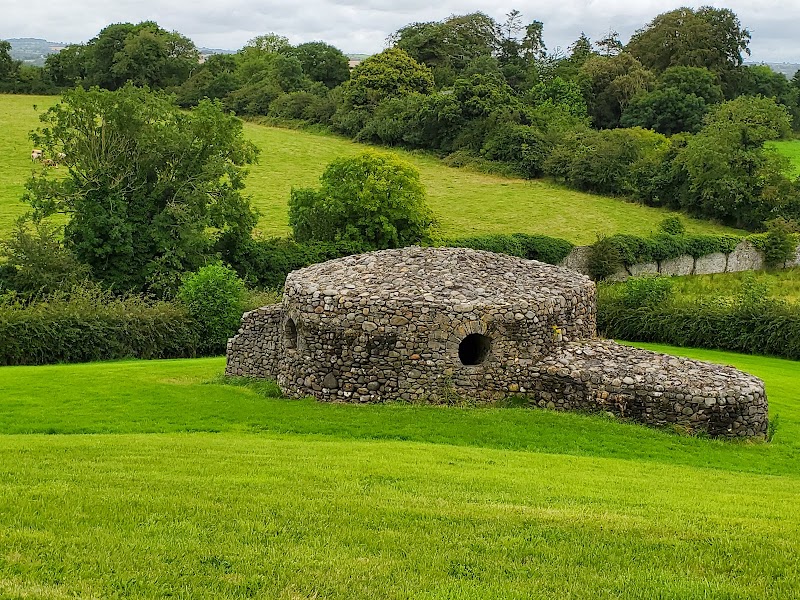

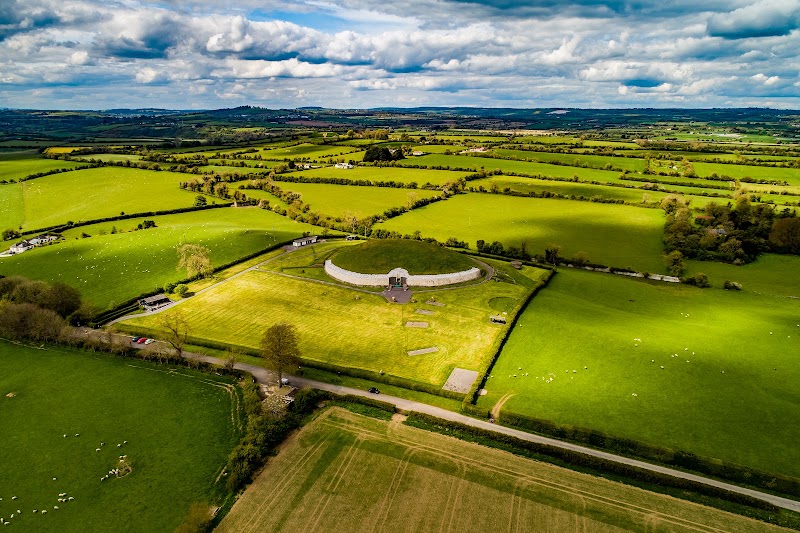
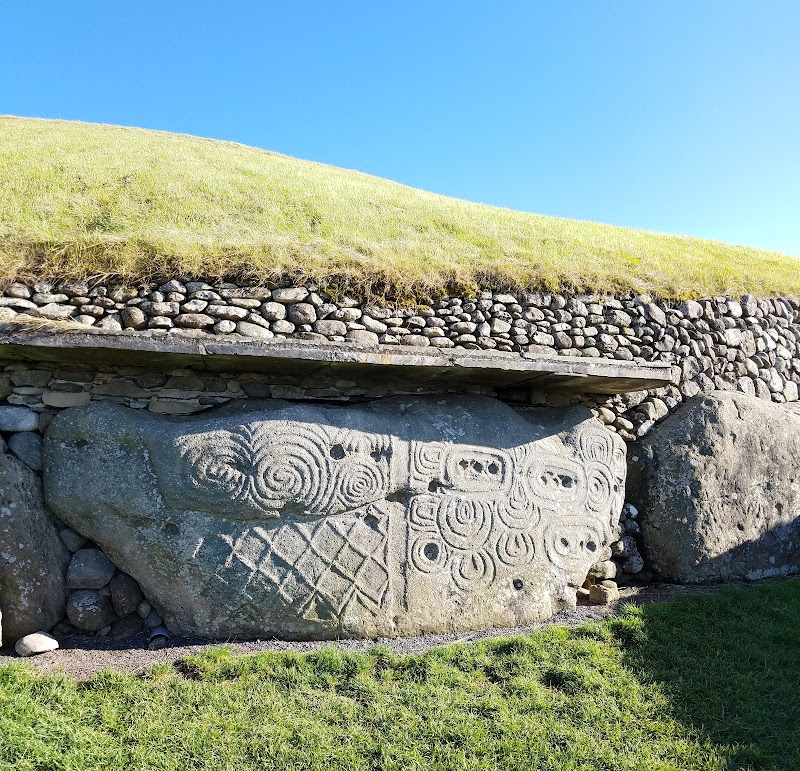
Photos published by travelers on Google, not AI generated.
What stands out
- 5,000-year-old Neolithic passage tomb
- Winter-solstice sunrise alignment
- Informative visitor centre exhibition
- Knowledgeable guided interpretation
- Scenic bridge and walkway
Worth knowing
- Chamber tours can sell out
- Buses leave at the scheduled time
- Access begins at the visitor centre
Don't miss
What comes up most in public reviews
- Brú na Bóinne Visitor Centre exhibition
- Newgrange chamber tour
- Solstice light demonstration
- Walk across the bridge to the bus
Worth the trip?
Why Newgrange stands out
Newgrange is the centrepiece of many visits to County Meath’s Boyne Valley. Built around 3200 BCE, the Neolithic passage tomb predates both Stonehenge and the Egyptian pyramids. Its great mound, stone-lined passage and precise relationship with the winter-solstice sunrise make it one of Ireland’s most significant prehistoric monuments.
That historical weight is reflected in a Google rating of 4.7 from 5325 reviews. Public feedback repeatedly describes the site as memorable and the engineering as remarkable, particularly once guides explain how sunlight enters the passage around the winter solstice. The sense of scale and age appears to land more powerfully on a guided visit than it does through photographs alone.
Visitor centre and tour experience
The experience starts at the Brú na Bóinne Visitor Centre rather than beside the monument. Reviews praise its well-organised interpretive exhibition, which provides archaeological and cultural context before the tour. One account suggests allowing about 30 minutes for the displays, though visitors with a strong interest in prehistory may want longer. A café is also mentioned.
From the centre, visitors cross a bridge and follow a scenic walkway to the transport point. The walk is reported to take roughly six or seven minutes. Buses then carry tour groups to Newgrange and, depending on the option booked, other monuments in the wider complex.
Guides receive particularly warm feedback. Reviewers describe staff as friendly, engaging and knowledgeable, with explanations that make the site’s design easier to understand. A recurring highlight is the demonstration of how the winter-solstice light reaches the chamber. This helps communicate the precision of the builders’ work even when a visit falls outside December.
Planning the visit
Advance booking is the clearest practical recommendation across the reviews. Chamber places can fill, and a visitor arriving without a reservation reported having to take an exterior-only tour. That still provides access to the monument’s setting and architecture, but it misses the enclosed passage and chamber experience that many reviewers regard as central to the visit.
Punctuality matters as well. Reviews warn that buses leave on time, so travellers should arrive early enough to check in, explore the exhibition and complete the walk to the departure point without rushing. The visitor centre, walkway, bus transfer and guided tour make this more than a quick roadside stop. Half a day is a sensible allowance.
Editorial verdict
Synthesised public feedback presents Newgrange as an exceptionally well-interpreted archaeological landmark rather than simply an ancient mound. The visitor centre establishes the context, while guides connect the monument’s construction to its solstice alignment and ceremonial chamber.
The main limitation is tightly managed access. Travellers who arrive late or without advance tickets may find chamber tours unavailable. With planning, however, Newgrange offers a focused and rewarding introduction to Ireland’s Neolithic past, supported by clear interpretation and a strong sense of place in the Boyne Valley.
Ask anything
Looking for somewhere else?
Keep exploring around Donore
More from Ireland
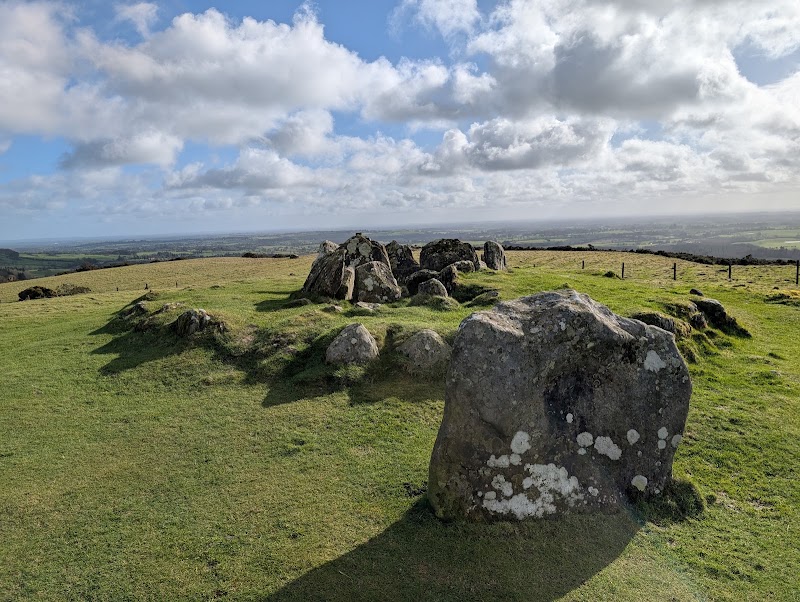
Ireland · Oldcastle
Loughcrew Cairns: Ancient Tombs Above County Meath
A steep countryside climb leads to ancient passage tombs, surviving stone carvings and wide views over the landscape around Oldcastle.
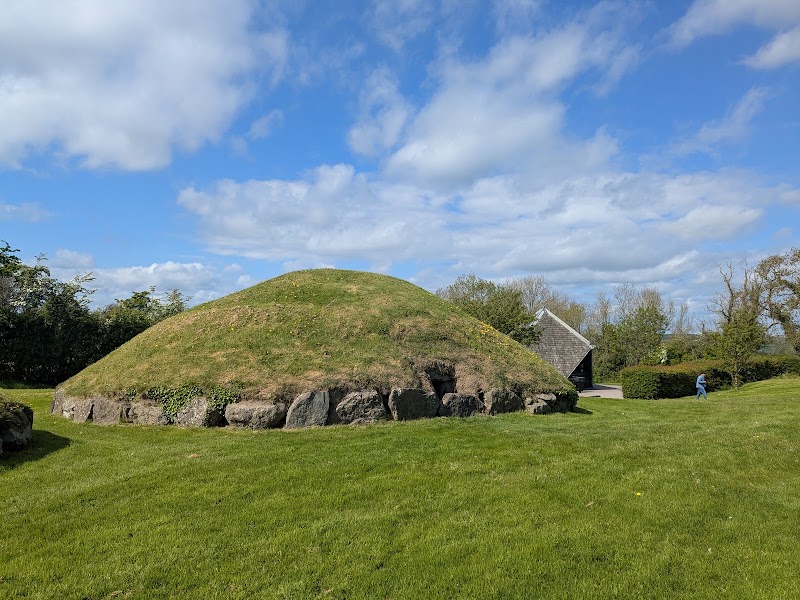
Ireland · Drogheda
Knowth: Neolithic history with a debated modern viewpoint
Knowth pairs an ancient burial mound and surrounding monuments with expert-led tours, broad countryside views and some contentious restoration choices.

Ireland · Donore
Brú na Bóinne turns ancient earthworks into a vivid day out
Strong interpretation, engaging guides and close-up monument visits make this Donore landmark rewarding, provided visitors are ready to walk.
Ireland · Trim
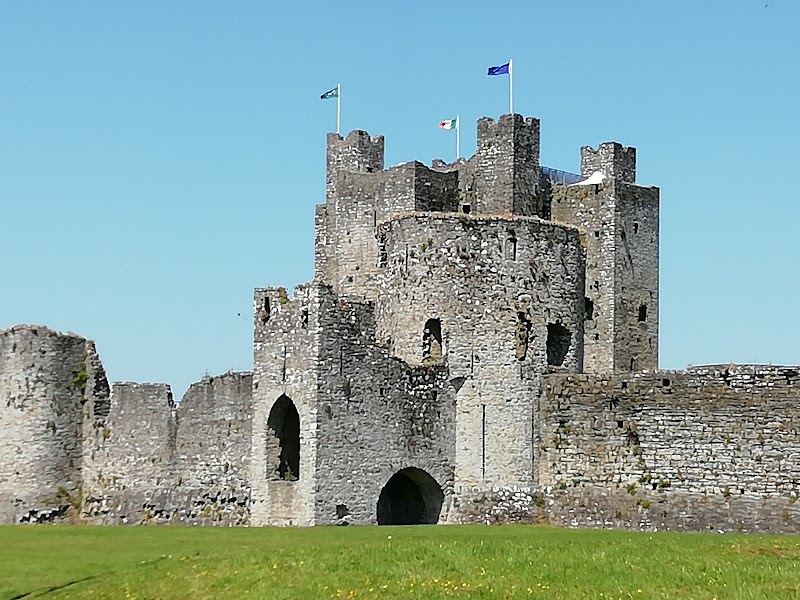
Trim Castle: Imposing History and Rewarding Guided Tours
Trim Castle pairs well-preserved architecture and scenic grounds with guided visits that earn strong praise from public reviewers.