Neuschwanstein Castle: Grand Interiors, Alpine Views
Public reviews praise Neuschwanstein’s theatrical interiors and mountain setting, while warning that advance planning is essential.
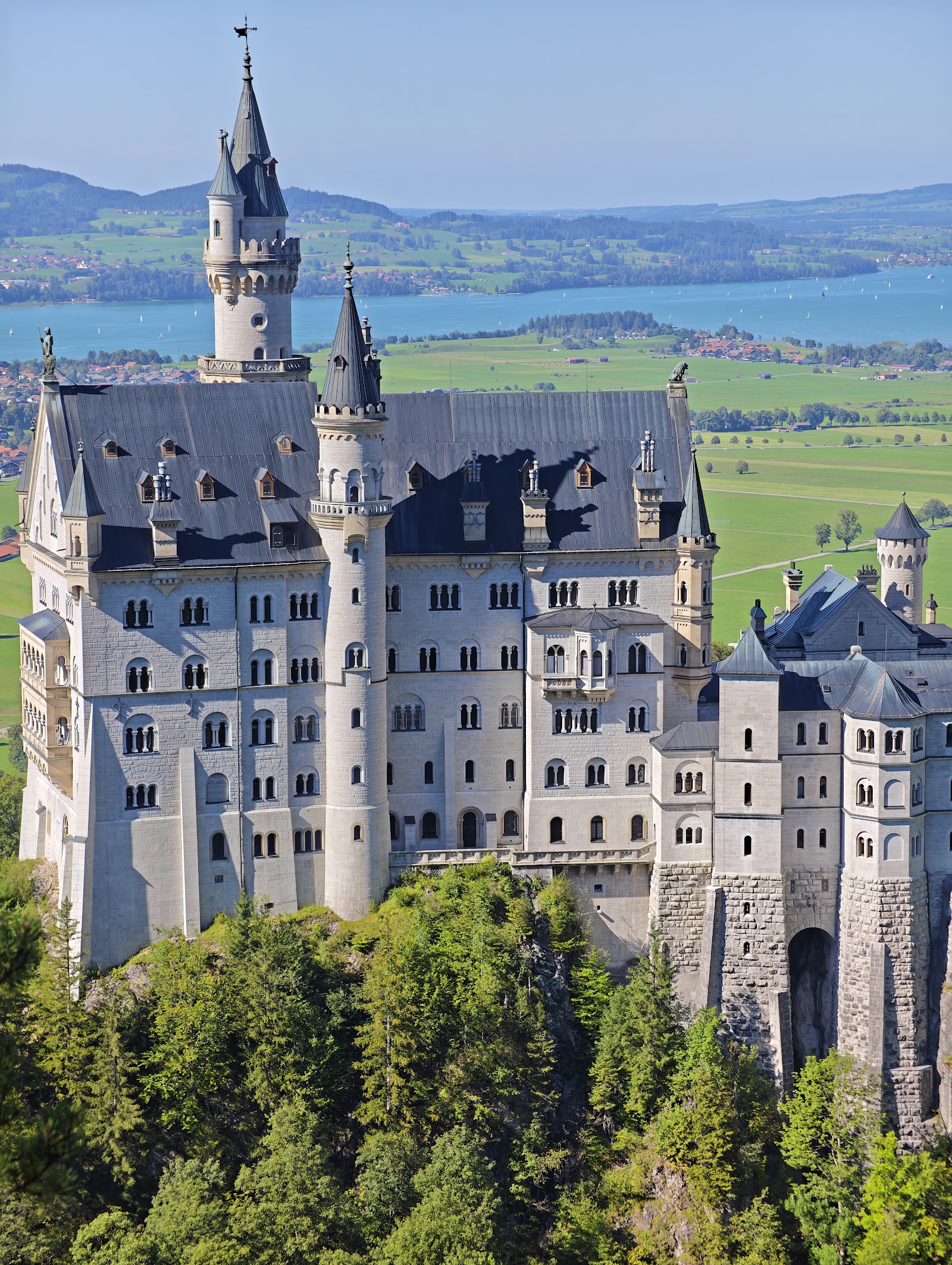
More photos
Photos published by travelers on Google, not AI generated.
What stands out
- Elaborate, well-maintained interiors
- Mountain, forest and lake views
- Scenic uphill approach
- Strong exterior photo opportunities
Worth knowing
- Timed tours can sell out well ahead
- Steep uphill walk
- Crowded and sometimes hurried tours
Don't miss
What comes up most in public reviews
- Guided tour of the castle interior
- Walk up through the forest scenery
- Castle views from Marienbrücke
- Surrounding mountain and lake scenery
Worth the trip?
The public verdict
Neuschwanstein Castle holds a Google rating of 4.6 from 115563 reviews, reflecting its status as one of Germany’s most recognisable landmarks. Across the supplied public reviews, travellers repeatedly describe an impressive combination of dramatic architecture, elaborate rooms and expansive scenery. Mountains, forests and lakes form the backdrop, while the uphill approach builds anticipation before the castle comes fully into view.
That popularity has a clear downside. Reviews portray Neuschwanstein as intensely busy, particularly in summer and later in the day. The experience is still widely considered worthwhile, but it rewards preparation rather than spontaneity.
Touring the castle
Entry to the interior requires a timed guided tour, according to multiple reviewers. Advance online booking is strongly recommended, with one summer visitor reporting that regular slots had sold out weeks ahead. Limited same-day availability may appear in the morning, but relying on it introduces considerable risk.
Inside, reviewers praise the scale, condition and intricate decorative details of the rooms. The history behind the castle also adds substance to what could otherwise feel like a purely visual attraction. Tours are described as organised, although the high visitor volume can make the route feel packed or hurried. Those expecting time to linger independently may find the format restrictive.
Photography is not permitted inside. Visitors interested in images therefore need to concentrate on the exterior, courtyards, approach and surrounding landscape.
The uphill approach
The climb is a recurring part of the experience rather than a minor transfer. One reviewer describes a walk of roughly 1.5 miles uphill and the same distance back down, while others recommend making the journey on foot instead of using buses or horse-drawn carriages. The route is steep enough to require suitable footwear and a realistic assessment of mobility.
Several reviews treat the walk positively. Forest scenery and small waterfalls help make the ascent enjoyable, and the gradual approach heightens the visual impact of reaching the castle. Eating beforehand is also suggested, particularly for travellers planning to walk both ways.
Marienbrücke is singled out as a strong viewpoint for castle photographs. An early-morning visitor found it relatively quiet before queues and crowds increased around the wider site.
Best way to visit
The clearest strategy from the reviews is to reserve an early timed tour well in advance, arrive with enough time for the uphill journey and visit Marienbrücke before the busiest part of the day. Summer visitors should plan especially carefully because ticket availability and crowding can become significant issues.
Neuschwanstein suits travellers who value striking architecture, ornate interiors and mountain scenery more than a quiet, self-directed castle visit. The crowds, climbing and controlled tour format are real compromises, but the overall review pattern remains emphatically positive. For many visitors, the combination of the approach, interior craftsmanship and alpine views justifies the effort.
Plan the rest of the trip
Ask anything
Looking for somewhere else?
Keep exploring around Schwangau
More from Germany
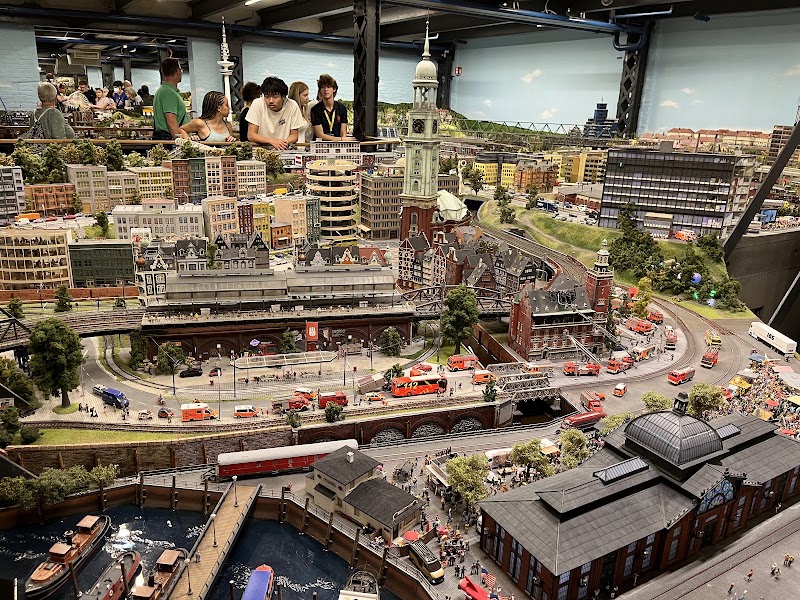
Germany · Hamburg
Miniatur Wunderland: Hamburg’s Small-Scale World in Remarkable Detail
Miniatur Wunderland turns trains, cities and landscapes into a richly detailed attraction that keeps adults and children searching for surprises.

Germany · Rüdesheim am Rhein
Niederwald Monument: Rhine Views and German History
The Niederwald Monument combines a major historic statue, landscaped grounds and wide Rhine views above Rüdesheim am Rhein.
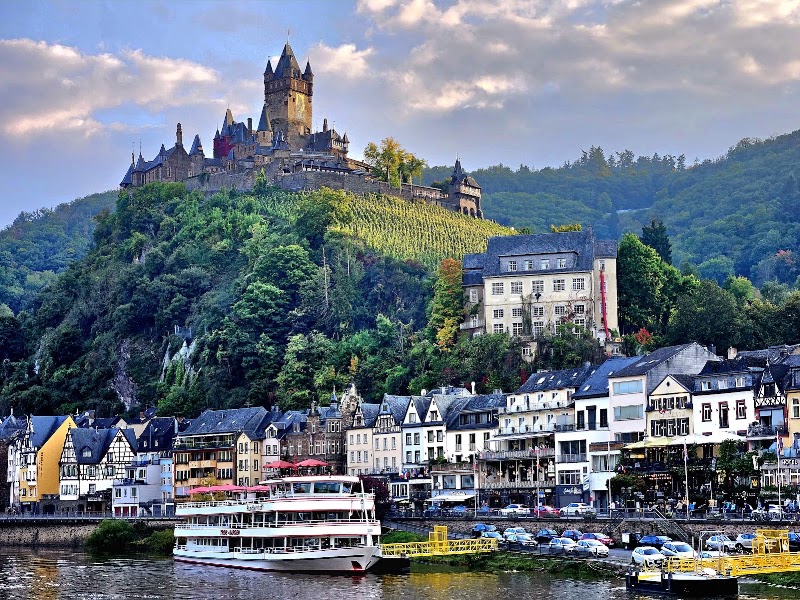
Germany · Cochem
Cochem Castle Rewards the Climb with Moselle Valley Views
Reichsburg Cochem combines a steep approach, guided interiors and broad views over the town and Moselle Valley.

Germany · Vogtei
Centre of Germany: A Quiet Stop in Vogtei
Public reviews describe a clean, peaceful place near a lake, with one important caveat: visitors disagree about which point marks Germany’s true centre.