Neill-Cochran House Museum: Austin History With Sharp Edges
Public reviews praise the museum’s architecture, candid interpretation and Juneteenth programming, while one visit highlights possible access disruptions.
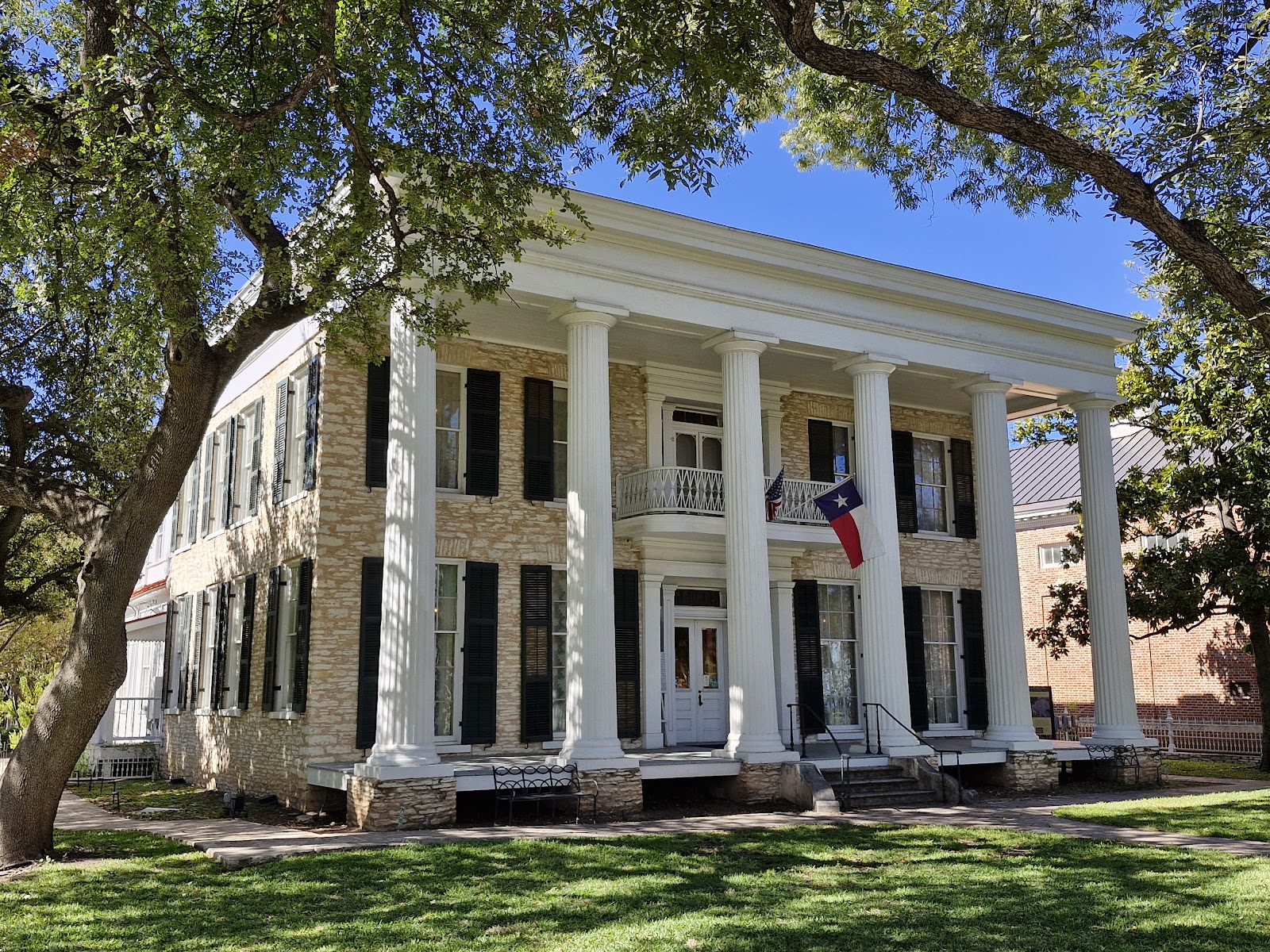
More photos
Photos published by travelers on Google, not AI generated.
What stands out
- Austin architecture and local history
- Refurbished enslaved houses
- Thoughtful Juneteenth interpretation
- Juneteenth Black Rodeo exhibit
- Family activities and Japanese block printing
Worth knowing
- Activities may obstruct the entrance
- Regular price level is not established
Don't miss
What comes up most in public reviews
- Tour the refurbished enslaved houses
- Ask about the historical research
- See the Juneteenth Black Rodeo exhibit
- Look for Japanese block printing activities
Worth the trip?
Why visit
The Neill-Cochran House Museum gives visitors a concentrated look at Austin’s history during a period of transition. Public reviews describe the house as especially rewarding for people interested in architecture and local history. Its significance is not limited to the main residence. Reviewers repeatedly point to the enslaved houses on the property, describing them as an important and difficult reminder that slavery was practiced in Austin.
Google users rate the museum 4.6 out of 5 from 235 reviews. The overall tone is strongly positive, with visitors calling the experience meaningful, educational and worth returning to. One reviewer found the site disappointing because a ballet practice occupied the steps, porch and entry area during the visit. That complaint stands out against the broader praise, but it is useful planning information.
What the reviews value
The museum’s strongest feature is its willingness to present history plainly. A reviewer who attended a Juneteenth event praised the tour of the refurbished enslaved houses as thoughtful and honest, crediting the historical interpreter’s research. That review also highlights a Juneteenth Black Rodeo exhibit, a gospel choir and a public celebration that included the ribbon cutting for the Bench by the Road project by the Toni Morrison Society.
The public feedback also credits the staff and volunteers. Several visitors describe them as kind, devoted or welcoming. Another review mentions family activities and Japanese block printing, suggesting that the museum’s programming can extend beyond a conventional house tour. The experience may therefore vary according to the event or exhibition taking place during a visit.
Planning the visit
The museum suits travellers who want a short, focused cultural stop rather than a broad entertainment attraction. Architecture enthusiasts will find reasons to look closely at the building, while history-focused visitors are likely to spend more time considering the stories connected to the property. The enslaved houses deserve particular attention, and the reviews suggest that asking about the research behind their interpretation can deepen the visit.
Public listings do not establish a consistent price level, so travellers should check current admission and event details before going. Juneteenth programming has included free public access, but that does not establish the regular admission policy. Event schedules also matter. One reviewer had difficulty entering because another activity blocked the approach to the building, so visitors may want to confirm what is happening on site that day.
The editorial take
Neill-Cochran House Museum earns its strong public standing through substance rather than spectacle. The reviews show a place where architecture, Austin history and the legacy of slavery are treated as connected subjects. Its programming can add music, exhibitions and hands-on activities, while the main historical interpretation remains the reason to visit.
The museum is best approached with time to listen and look carefully. It is not a quick photo stop. The most worthwhile visit includes the main house, the enslaved houses and any interpretation available during the visit. Travellers should also be prepared for occasional activity around the entrance. Overall, the evidence supports a meaningful half-day stop for visitors interested in Austin’s history and the difficult stories that shaped it.
Plan the rest of the trip
Ask anything
Looking for somewhere else?
Keep exploring around Austin
More from United States

United States · Charlotte Amalie
Bolongo Bay Beach Resort: Easygoing Beach Time in Charlotte Amalie
Public reviews praise the friendly service, waterfront setting and relaxed atmosphere, while noting dated rooms and a rocky beach surface.
United States · Highland
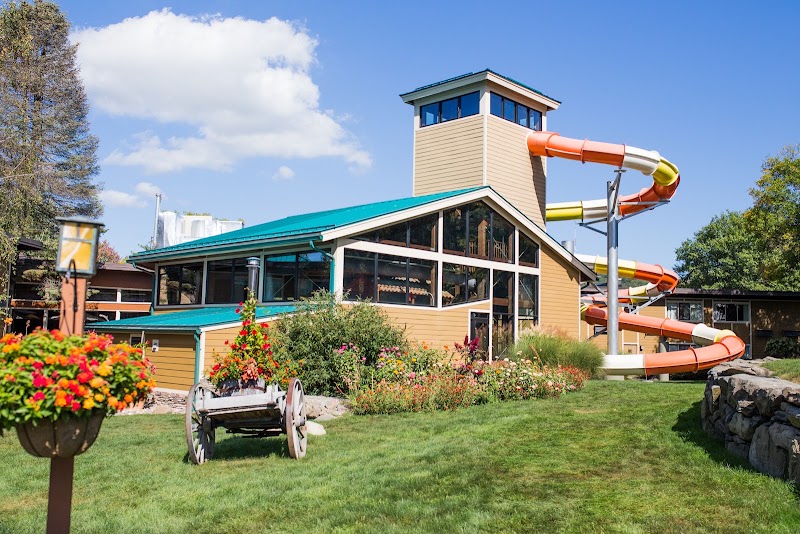
Rocking Horse Ranch Resort: A Full-On Family Escape
Public reviews describe a highly active family resort where water attractions, outdoor recreation and accommodating staff keep children busy from morning to night.
United States · Sedona
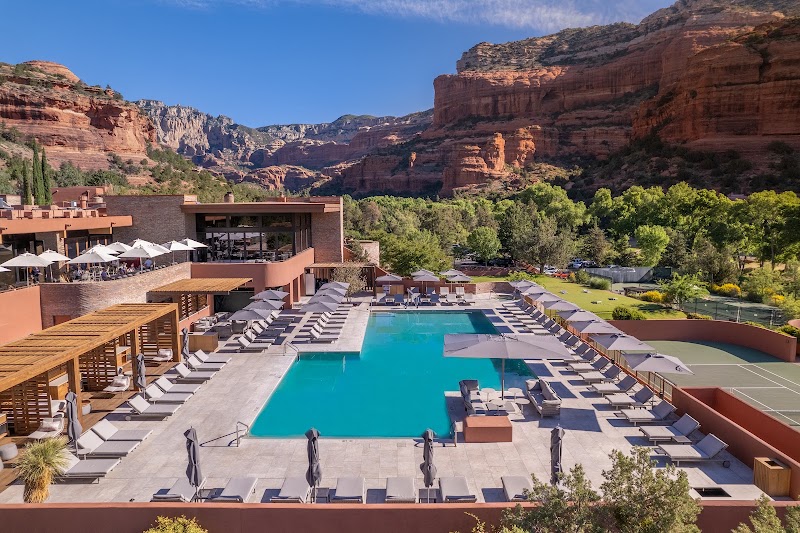
Enchantment Resort: Red Rocks, Trails and Uneven Value
Enchantment Resort delivers exceptional Boynton Canyon scenery and convenient hiking, though public reviews report inconsistent rooms, service and value.
United States
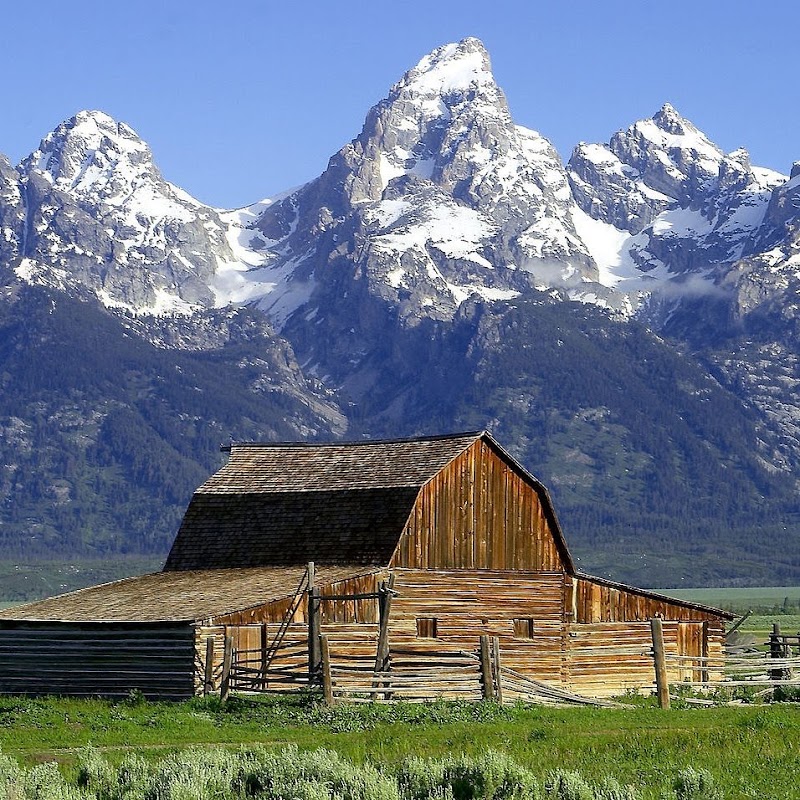
Grand Teton National Park: Mountain Views and Wildlife
Public reviews describe Grand Teton National Park as a peaceful, scenic base for lake walks, wildlife watching and high-country hikes.