Neak Poan: A Serene Island Temple Near Siem Reap
A low boardwalk across a lake leads to this understated island temple, praised for its calm setting, lotus flowers and unusual pool design.
More photos


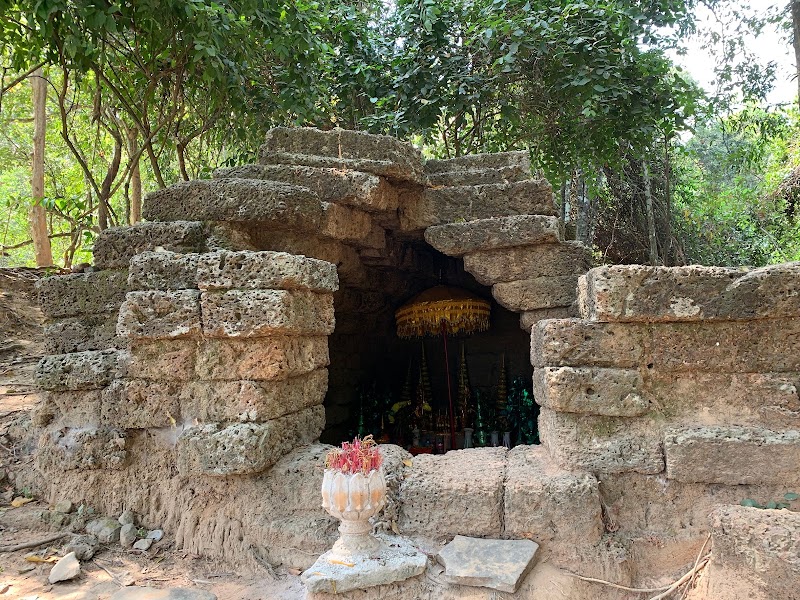
Photos published by travelers on Google, not AI generated.
What stands out
- Low boardwalk across the lake
- Lotus flowers and aquatic vegetation
- Quiet island setting
- Distinctive pool layout
- Contrast with larger Angkor temples
Worth knowing
- The central structure is relatively simple
- Historical context may be easy to miss without a guide
Don't miss
What comes up most in public reviews
- Walk slowly across the lakeside boardwalk
- See the central pools
- Look for lotus flowers around the bridge
- Ask about the pools’ traditional healing purpose
- Ask about the Jayatataka baray
Worth the trip?
A quieter kind of temple
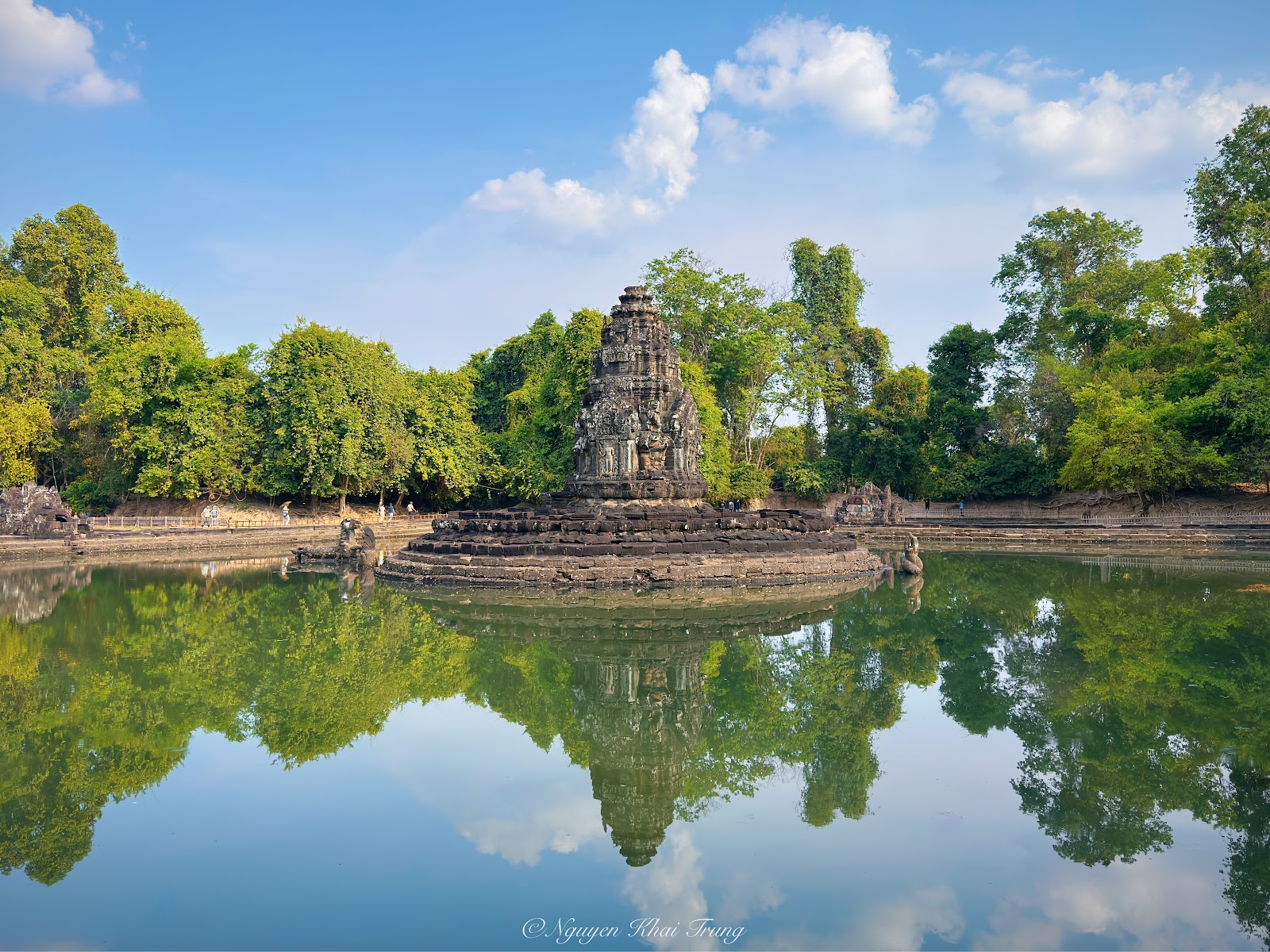
Neak Poan earns a Google rating of 4.6 from 2439 reviews, with public feedback consistently distinguishing it from the larger, more imposing temples around Angkor. Travellers tend to describe the site as quiet, grounding and unusually restrained. The central structure is simple, but the surrounding water and trees give the visit much of its character.
This is not a place that depends on towering architecture or extensive carved galleries. Its appeal lies in the relationship between the small island temple, its pools and the broad lake around it. Several reviewers rank it among their favourite temples precisely because it feels so different from the rest of an Angkor itinerary.
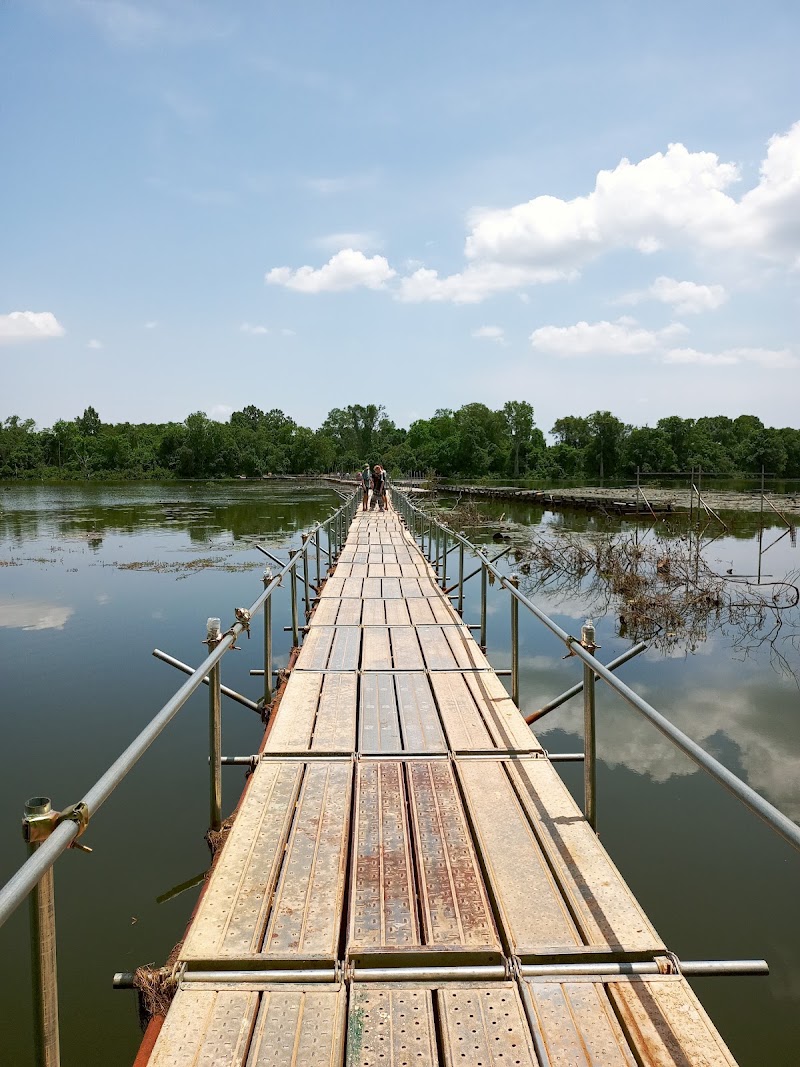
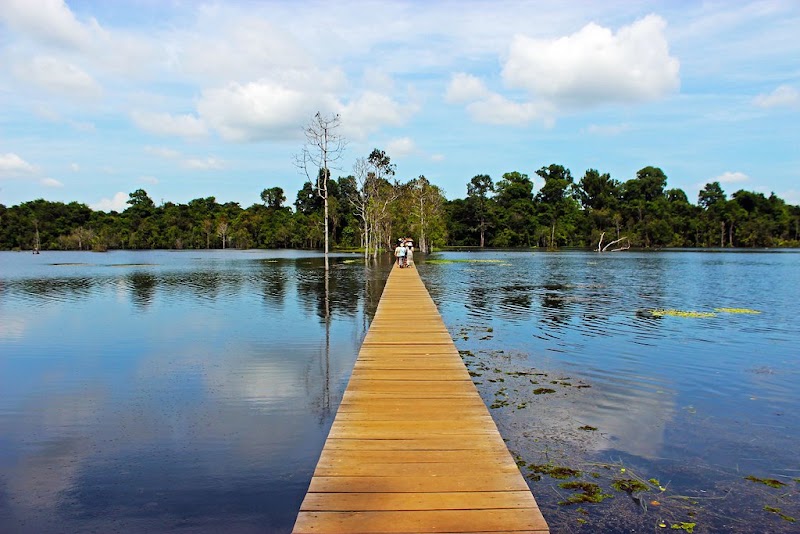
The boardwalk is part of the experience
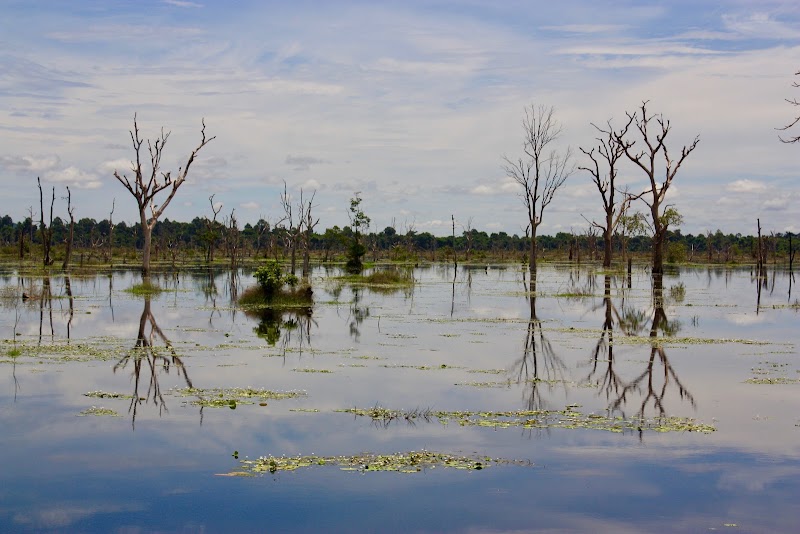
The approach repeatedly stands out in reviews. Visitors cross a long, low boardwalk or bridge over the water, with the surface of the lake appearing close to the walkway. Lotus flowers, aquatic vegetation and trees create an attractive natural setting before the temple itself comes into view.
For many travellers, this crossing is as memorable as the monument. Reviews recommend walking slowly and paying attention to the landscape rather than treating Neak Poan as a quick photo stop. The combination of open water, greenery and an island destination gives the approach a strong sense of separation from the surrounding temple circuit.
Public feedback also suggests that crowd levels can feel lighter than at more prominent Angkor sites, although this will naturally depend on the timing of a visit. The overall mood described by reviewers is stillness rather than spectacle.
Pools, water and historical meaning
Reviewers frequently focus on Neak Poan’s unusual layout and historic association with healing. Public accounts describe the pools as having been designed for medical or ritual purposes, based on an ancient belief that bathing could balance elements within the body and cure illness. A knowledgeable guide may help make sense of this design, particularly because the surviving structure can appear modest without explanation.
One review describes a guide drawing a map on the ground to explain the geography of the Angkor temples and the surrounding lakes. That context appears especially useful here. Neak Poan stands on a small island within the Jayatataka baray, and understanding the wider water system adds depth to an otherwise short, visually simple stop.
Editorial verdict
Synthesized public reviews present Neak Poan as a worthwhile contrast to Angkor’s grander monuments. It suits travellers who appreciate atmosphere, landscape and historical context as much as architectural scale. The boardwalk crossing, lotus-covered water and compact island setting provide the most distinctive impressions.
Visitors expecting monumental ruins may find the central structure understated. Those prepared to slow down, observe the lake and learn why the pools mattered are more likely to understand its appeal. Neak Poan works best as a contemplative stop within a wider temple tour, rather than as a stand-alone destination requiring a long visit.
Ask anything
Looking for somewhere else?
Keep exploring around Krong Siem Reap
More from Cambodia
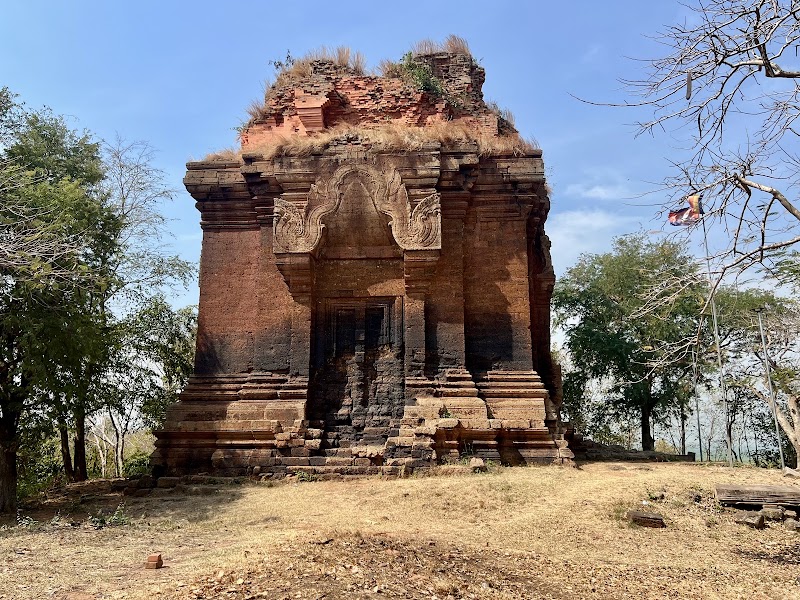
Cambodia · Angkor Borei
Phnom Da Temple: Hilltop History in Angkor Borei
An atmospheric hilltop temple where a short stair climb leads to ancient Khmer architecture, broad landscapes and a notably quiet setting.
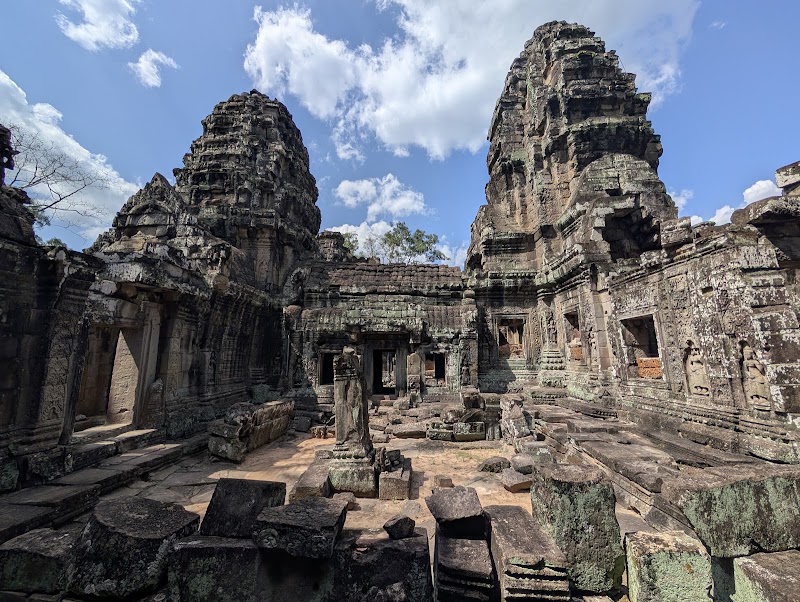
Cambodia · Krong Siem Reap
Banteay Kdei offers a calmer walk through Angkor’s ruins
Long corridors, apsara carvings and tree-framed stonework make this an appealing, easily accessed stop opposite Srah Srang.
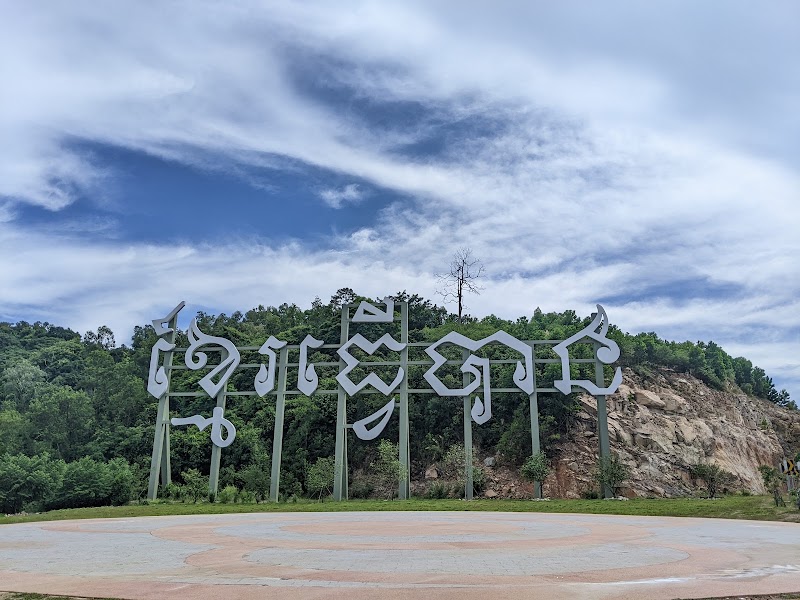
Cambodia
Cambodian Can Do It: A Scenic Sihanoukville Viewpoint
Public reviews highlight a photogenic hilltop panorama where the sea, mountains and Sihanoukville surroundings come together.
Cambodia · Krong Siem Reap
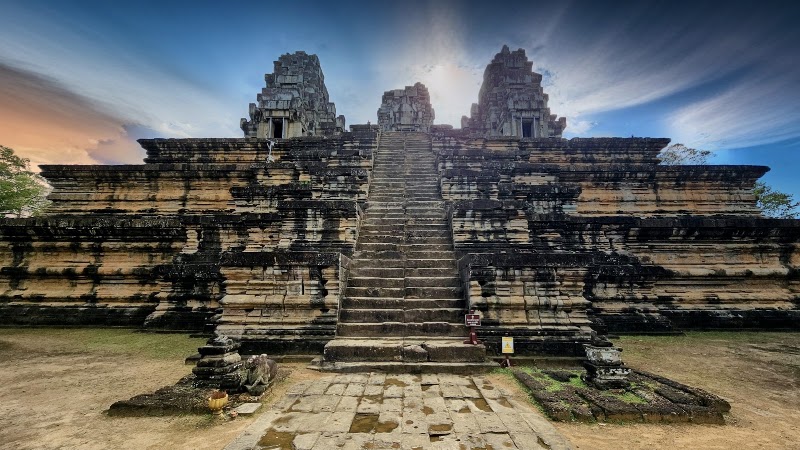
Ta Keo Temple: A Steep Sandstone Pyramid at Angkor
Ta Keo rewards a short stop with imposing tiered architecture, an unfinished character and broad views after a demanding climb.