National War Museum, Umuahia: History and Wartime Relics
Public reviews praise the Nigerian Civil War collection and informed interpretation, while repeatedly raising concerns about upkeep and photography rules.
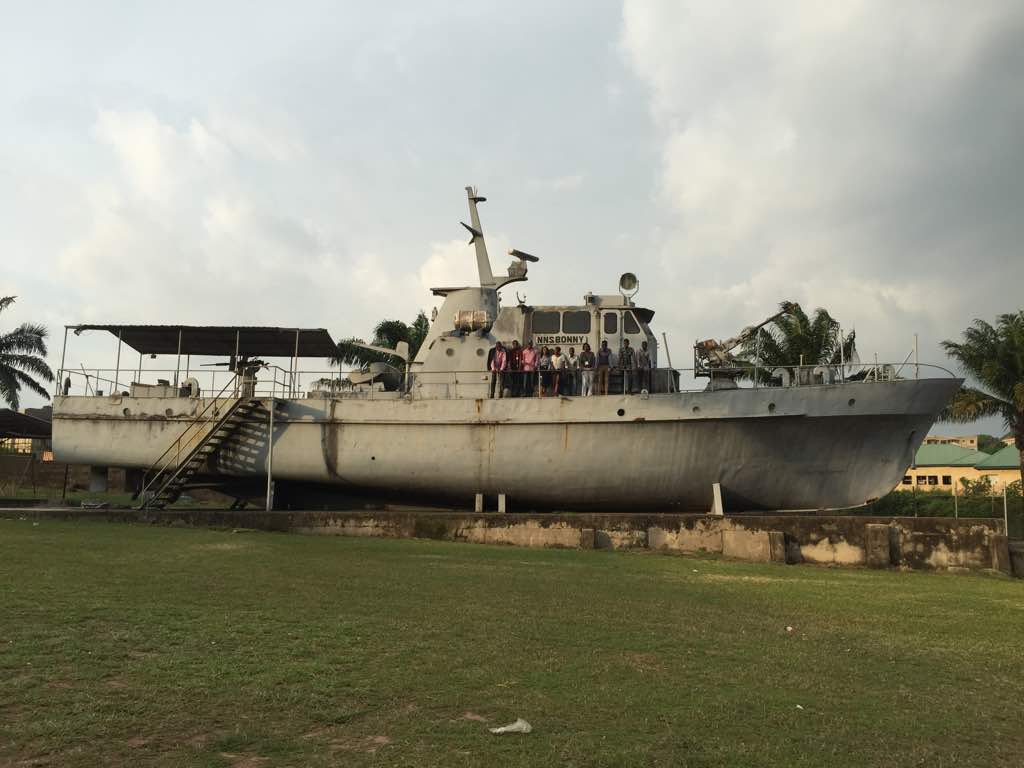
More photos
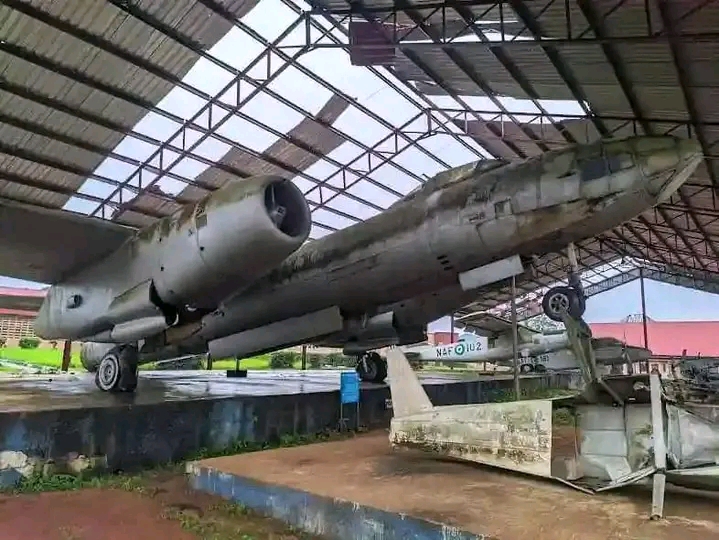
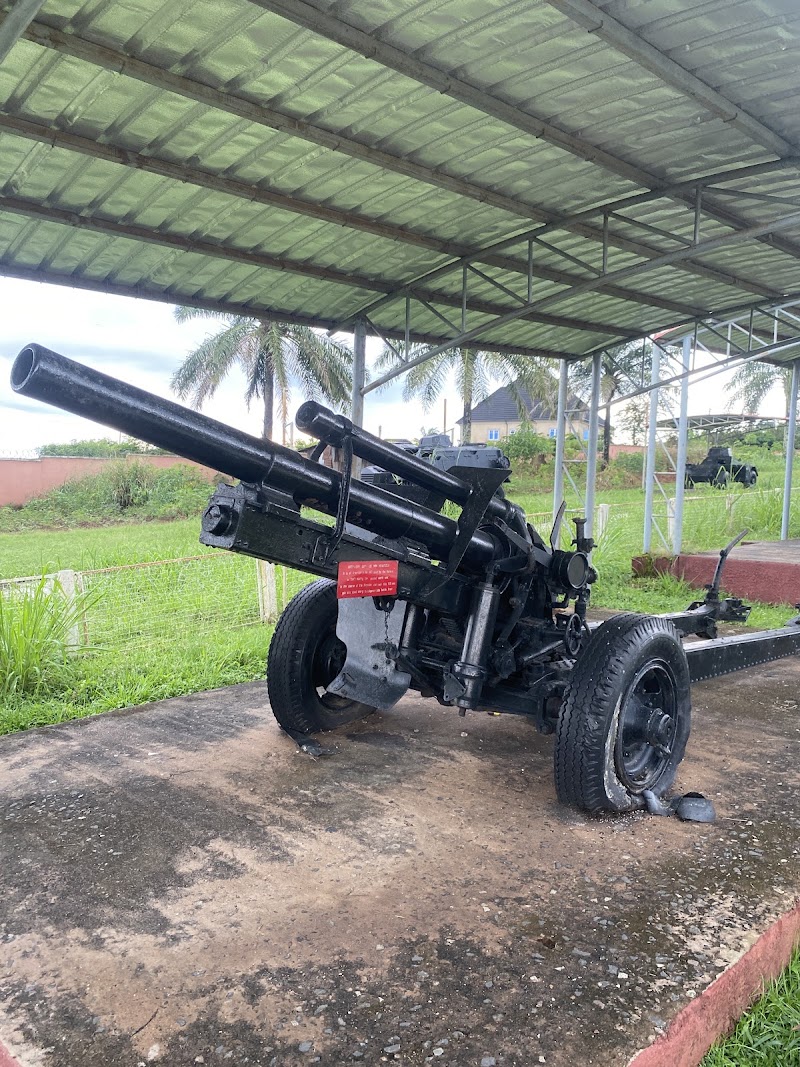
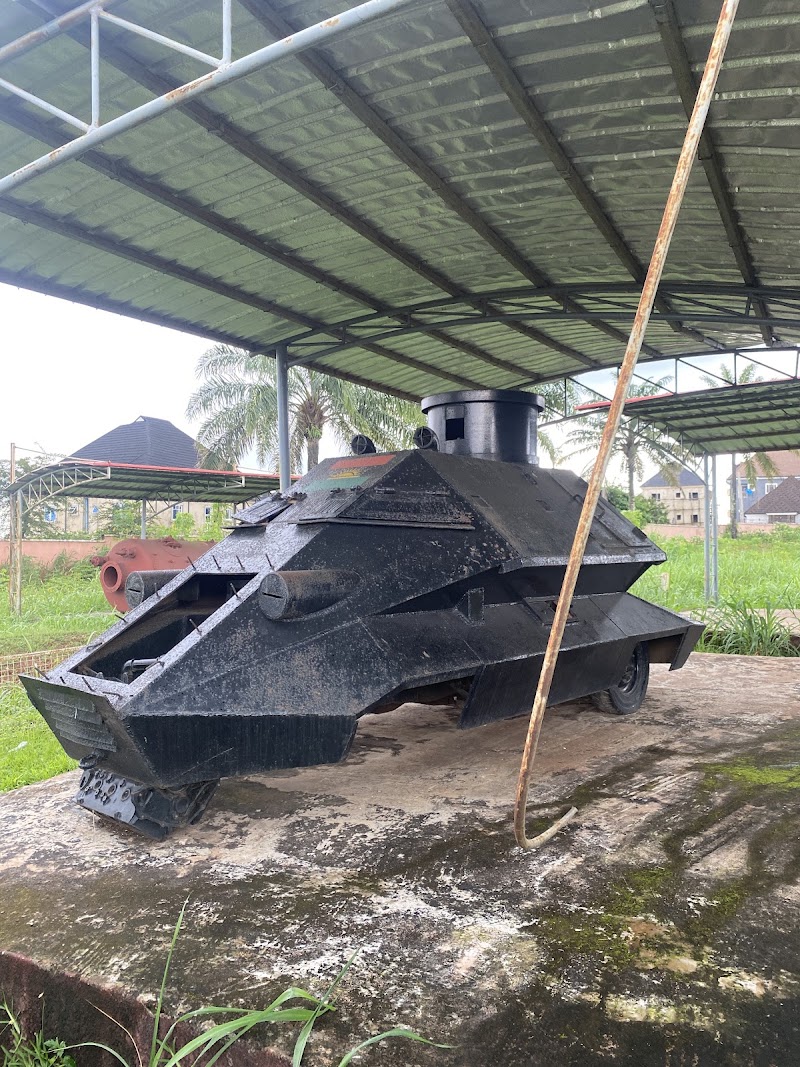

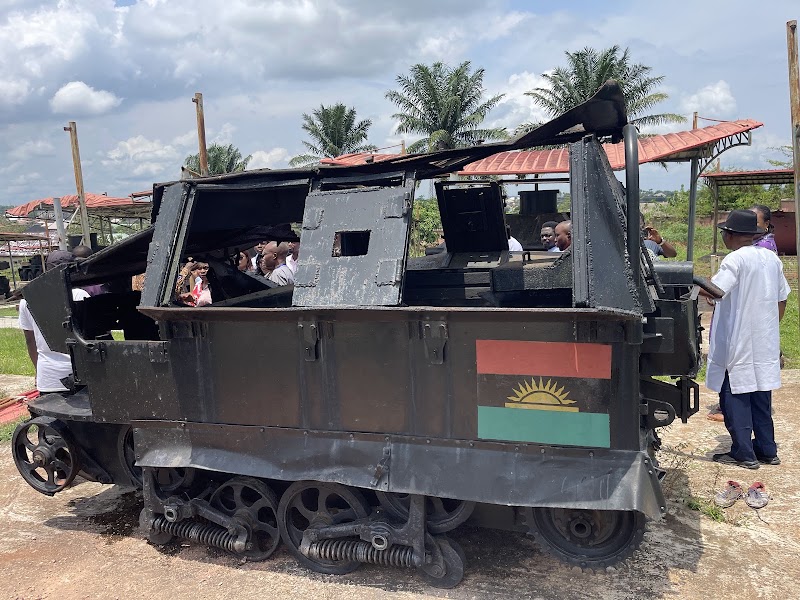
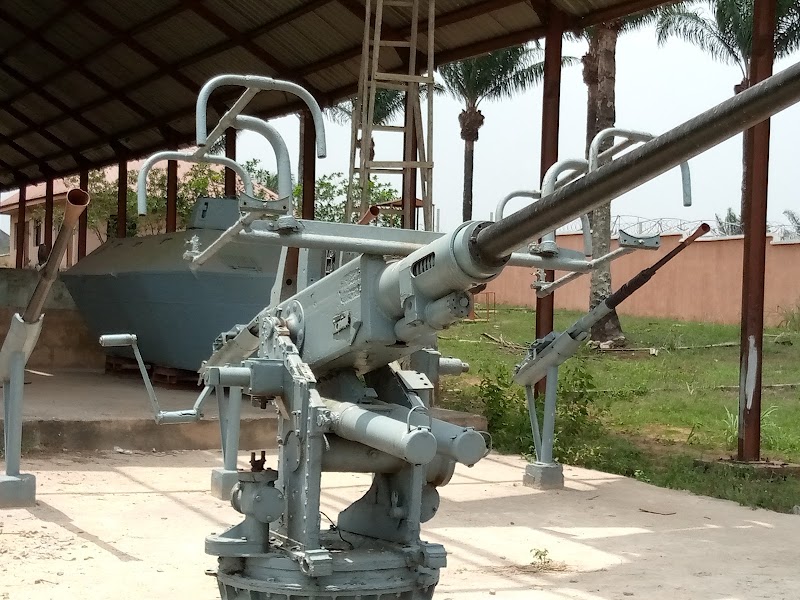
Photos published by travelers on Google, not AI generated.
What stands out
- Nigerian Civil War weaponry
- Historical photographs and aftermath
- Locally produced wartime equipment
- Military history interpretation
Worth knowing
- No photography inside the gallery
- Repeated concerns about poor upkeep
- Transport may require advance planning
Don't miss
What comes up most in public reviews
- Civil War weapons used by both sides
- Locally produced wartime arsenal
- Gallery photographs of the war and its aftermath
Worth the trip?
Why it matters
The National War Museum in Umuahia offers an introduction to Nigerian military history, with particular emphasis on the Nigerian Civil War. It holds a Google rating of 4.1 from 346 reviews, and public feedback consistently treats the collection as historically important, even when visitors are critical of how the site is managed.
For travellers with limited prior knowledge of the conflict, the museum can be an affecting starting point. Reviewers describe learning about the war, its aftermath and the experiences of both sides through photographs, military equipment and other surviving material. Several comments focus on the immediacy of seeing actual weapons rather than encountering the subject only through books or summaries.
What visitors see
Weaponry is the collection’s strongest recurring theme. Reviews mention arms used during the civil war, including equipment produced locally under wartime pressure. That material gives the museum a broader story to tell about improvisation, engineering and technical capability, not simply battles and political divisions.
Photographs inside the gallery provide additional context, including images connected with the war’s consequences. Public feedback suggests that the experience benefits from explanation. One reviewer described the staff member leading the visit as knowledgeable and passionate, while others valued the museum for making an unfamiliar period of Nigerian history easier to understand.
The displays can suit adults, older children and students, although families should consider the seriousness of the subject matter. One review also mentions a playground and restaurant, but these features do not recur often enough in the available feedback to make them central reasons to visit.
Practical limitations
The most consistent frustration is the ban on photography inside the gallery. Multiple reviewers say photographs are permitted outside but not among the indoor displays. Anyone hoping to use gallery images for research or publication may need prior written permission, according to one account. Visitors should confirm the current policy on arrival rather than assume phone photography will be accepted.
Maintenance is another repeated concern. Reviewers argue that the artefacts and grounds deserve better preservation given the museum’s national significance. This does not erase the value of the collection, but it may mean the presentation feels less polished than the subject warrants.
Transport can also require planning. One account recommends hiring a keke and arranging for it to wait, since public transport may leave passengers at a junction followed by a short walk. Another review reports accessible parking and an accessible entrance, so conditions may vary by mode of arrival.
Editorial verdict
The National War Museum is best approached as an important historical collection with uneven visitor infrastructure. Its wartime weapons, photographs and locally produced equipment make it worthwhile for anyone seeking context on the Nigerian Civil War. Expectations should remain realistic about preservation, access and restrictive photography rules.
One public review also alleges an inappropriate request for money from staff. That is a single reported experience rather than a demonstrated pattern, but visitors should request official procedures for any payment and avoid unreceipted transactions.
Ask anything
Looking for somewhere else?
Keep exploring around Umuahia
More from Nigeria
Nigeria · Enugu
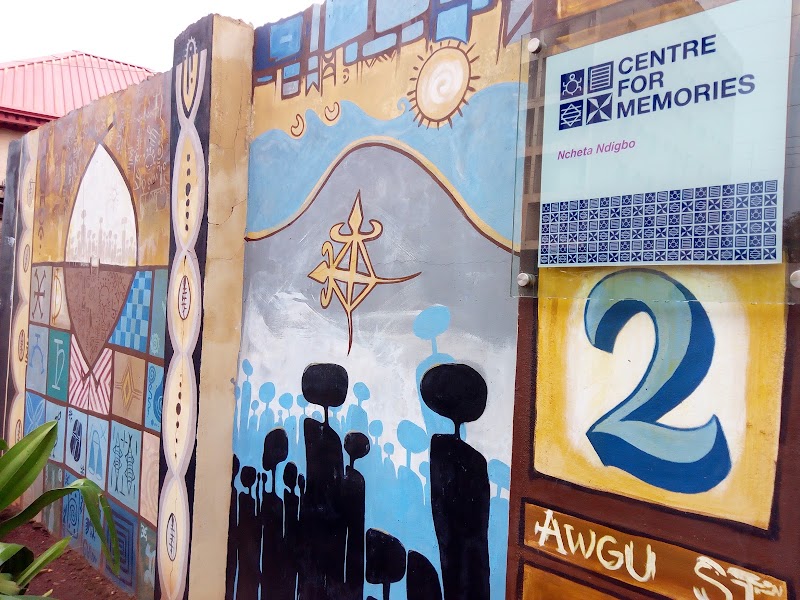
Centre For Memories: Igbo History and Culture in Enugu
Public reviews praise this Enugu museum for its thoughtful presentation of Igbo history, traditions, art and survival stories.
Nigeria · Zaria City
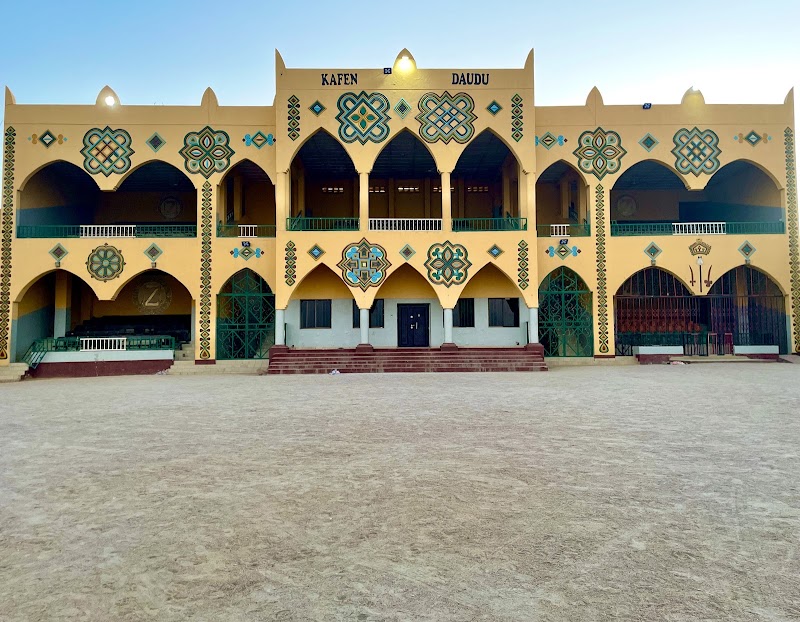
Zazzau Emir's Palace: Living History in Zaria City
Traditional architecture, royal history and welcoming palace staff make this Zaria landmark a compelling stop for culture-focused travellers.
Nigeria · Kano
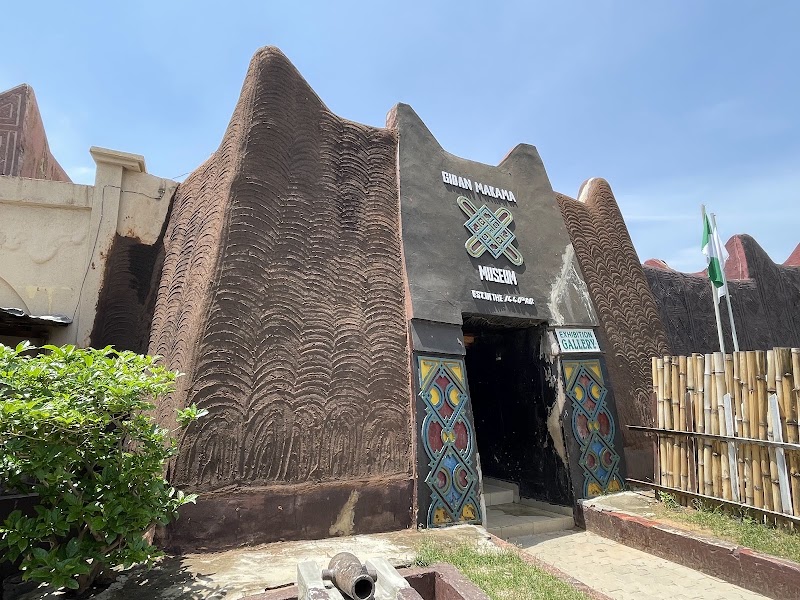
Gidan Makama Museum: Kano’s history through art and objects
Public reviews praise this Kano museum for its broad historical collections, detailed interpretation and guides, though power cuts can affect comfort.
Nigeria · Kaduna
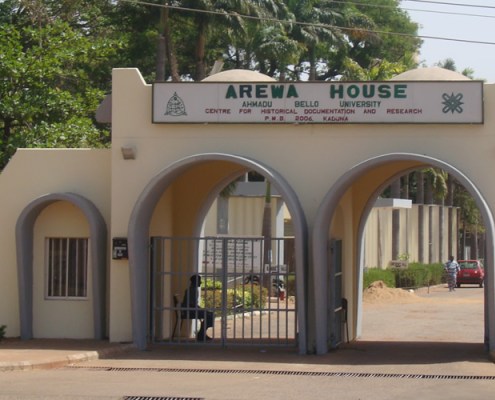
AREWA House: Northern Nigerian history in Kaduna
A museum and research centre where cultural galleries, archives and the former home of Sir Ahmadu Bello bring Northern Nigeria’s history into focus.