National Palace of Sintra: Royal History in the Old Town
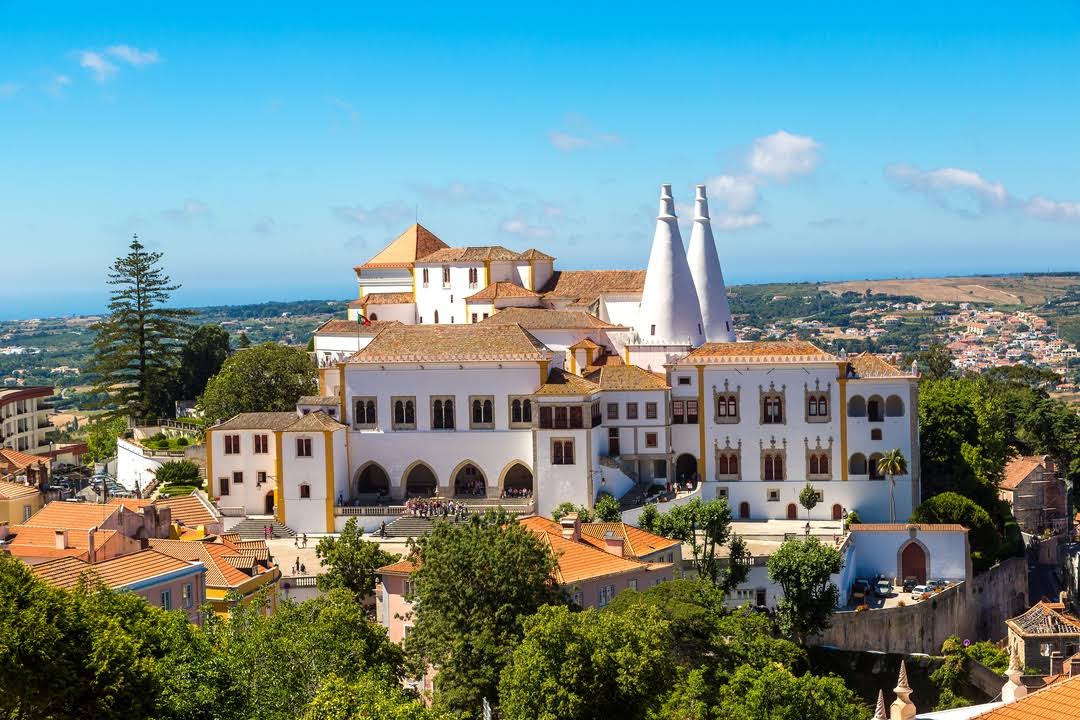
Sintra’s distinctive white palace earns praise for its twin chimneys, decorative interiors and layered Iberian and Moorish character.
More photos
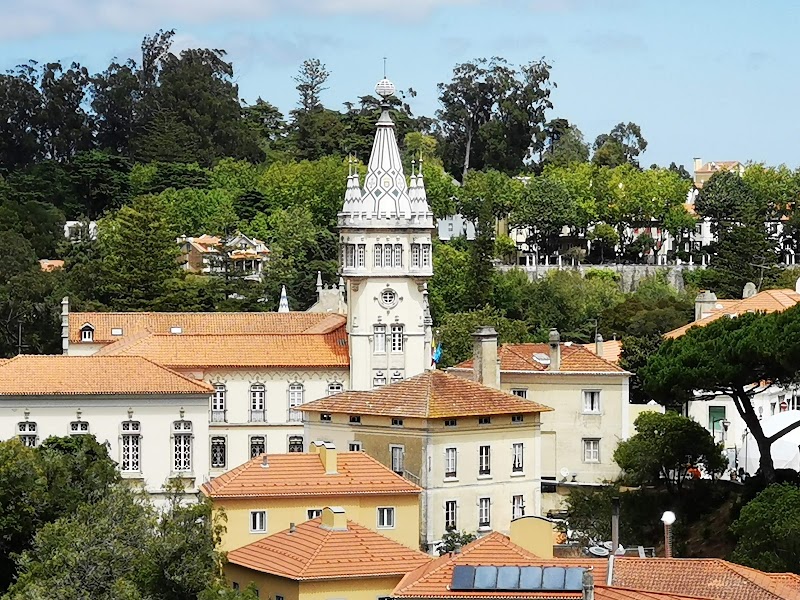
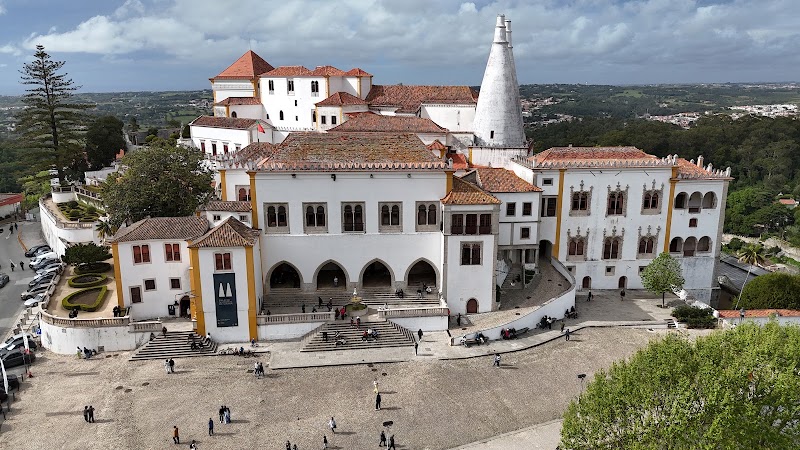
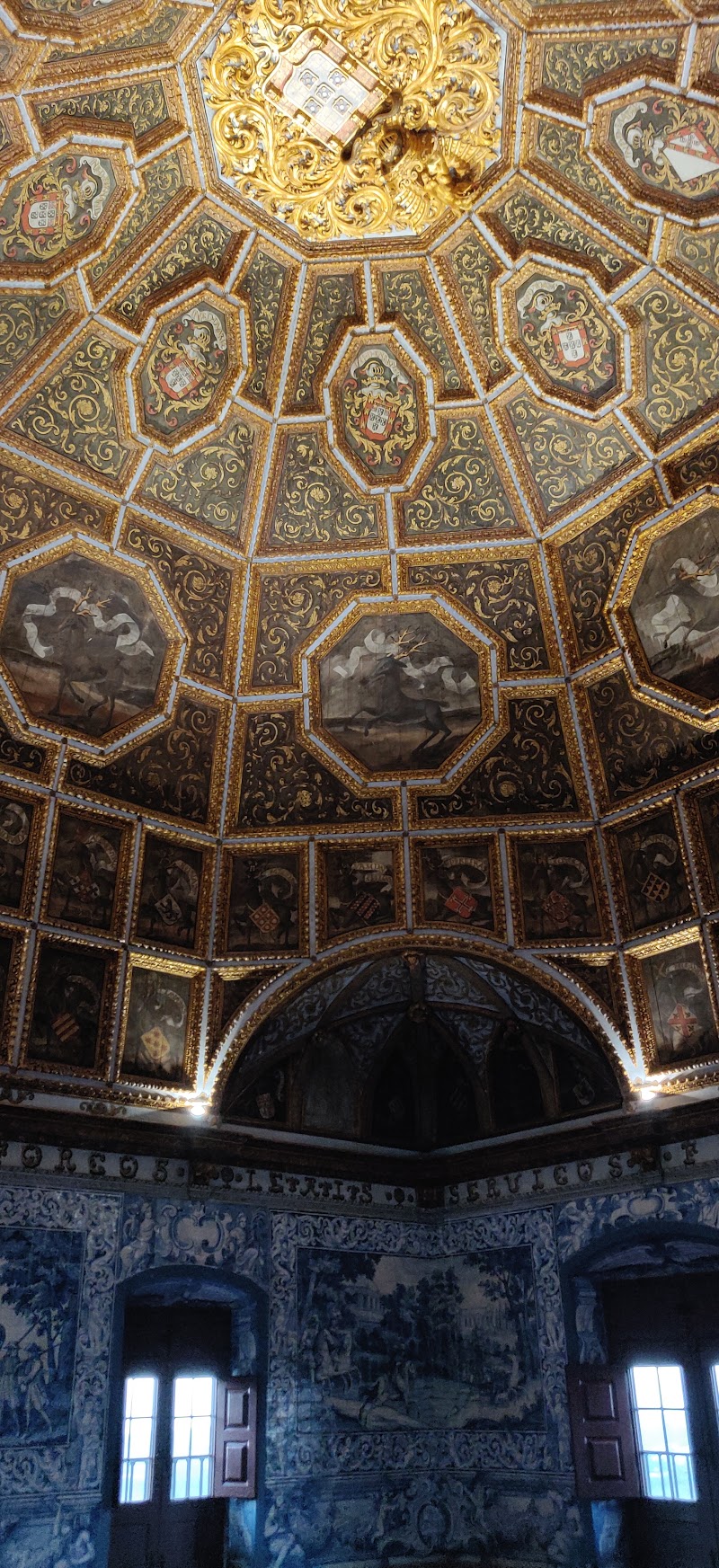
Photos published by travelers on Google, not AI generated.
What stands out
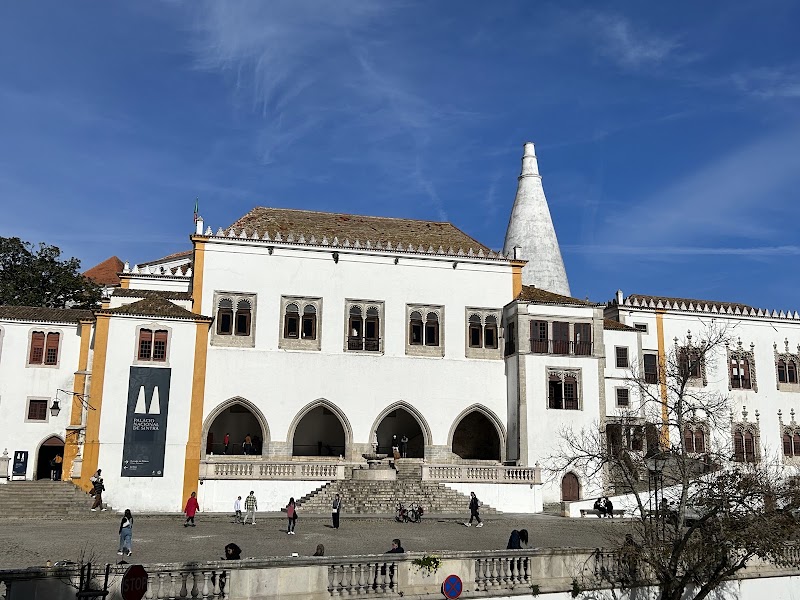
- Iconic white façade and twin chimneys
- Iberian and Moorish architectural influences
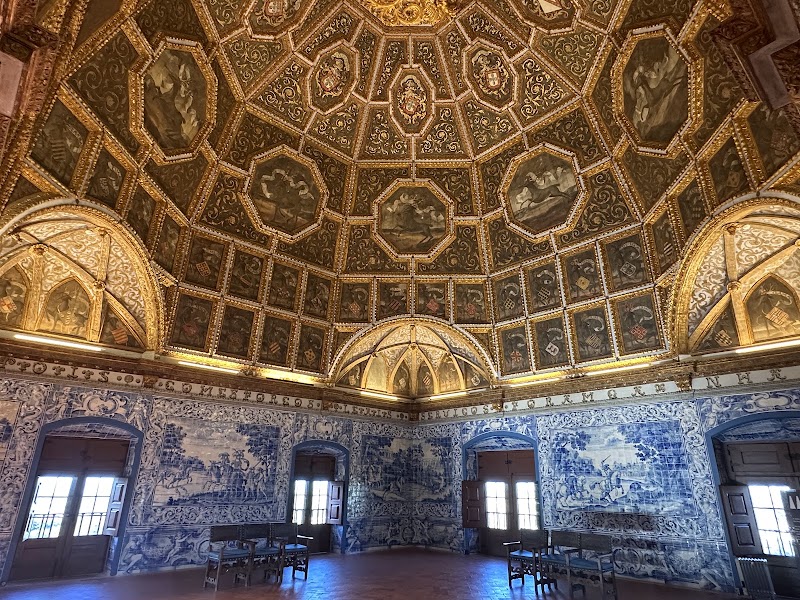
- Decorative tiled walls and frescoes
- Garden levels with views over Sintra
Worth knowing
- Substantial walking on some approaches
- Exterior sections may trouble visitors afraid of heights
- Verify current garden access arrangements
Don't miss
What comes up most in public reviews
- The twin chimneys
- The tiled walls
- The intricate frescoes
- Views from the garden’s upper levels
Worth the trip?
The verdict from travellers
Public feedback presents the National Palace of Sintra as both an essential old-town landmark and a rewarding historical interior. Its Google rating stands at 4.5 from 56859 reviews, with recurring praise for the architecture, decorative details and instantly recognisable silhouette.
Travellers frequently contrast it with Sintra’s more theatrical palaces. Reviews describe this one as older in mood, more historically layered and especially strong on Iberian and Moorish influences. The white exterior and enormous twin chimneys make an immediate impression, even among visitors who decide not to enter. Several reviewers consider the façade alone worth pausing to photograph while exploring the historic centre.
What stands out inside
The interior receives particular praise for tiled walls and intricate frescoes. Reviewers respond to the way different architectural traditions meet throughout the palace, giving the visit more depth than a simple sequence of grand rooms. The overall effect is stately rather than flamboyant, with decoration and historical texture doing much of the work.
Comments also connect the palace with Sintra’s long royal and Islamic-period history. Although individual reviews vary in how they describe its chronology, there is broad agreement that the building reflects several cultural periods rather than one uniform style. That complexity appears to be a major part of its appeal, especially for travellers interested in architecture and Portuguese history.
Exterior, garden and views
The palace remains worthwhile for those with limited time or little interest in museum interiors. Its central position and twin chimneys provide one of Sintra’s defining views, while the exterior offers easy photographic value during a walk through town.
One reviewer also highlights the garden as a pleasant place to pause, describing roses, upper levels and views across Sintra and the surrounding area. That report says garden access was free, though visitors should verify current access arrangements before relying on it. The garden initially appeared small to that traveller but opened onto multiple levels and proved suitable for a quiet rest between sights.
Practical considerations
The reviews suggest allowing a few hours rather than treating the palace as a quick photo stop. Time is needed to examine the tiles, frescoes and architectural details, while the garden can extend the visit.
Walking conditions deserve attention. One traveller reports substantial walking and recommends using a bus from the drop-off area for the uphill approach. The same review mentions exposed-looking sections along the palace exterior that may feel uncomfortable for anyone afraid of heights. These concerns do not dominate the feedback, but sensible footwear and a measured pace would help.
Overall, the National Palace of Sintra suits visitors who prefer historical depth and decorative craftsmanship to spectacle alone. The interior offers the richer experience, but the white façade, twin chimneys and town views still justify a stop for those remaining outside.
Ask anything
Looking for somewhere else?
Keep exploring around Sintra
More from Portugal
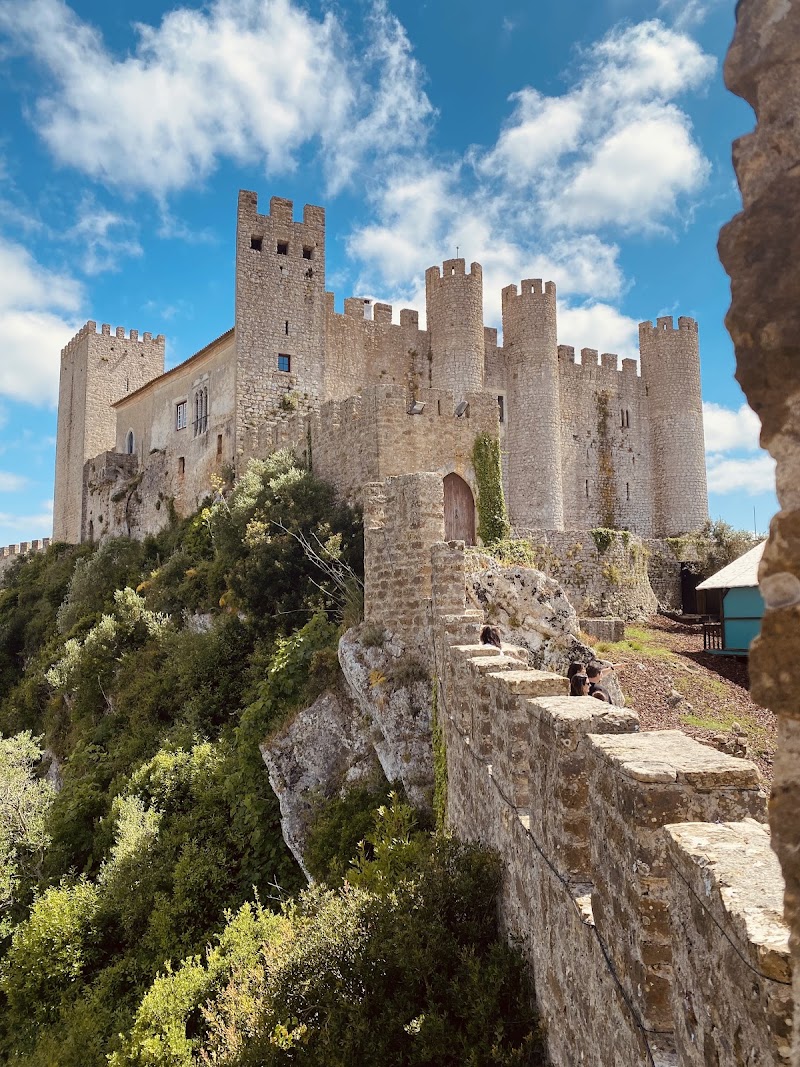
Portugal · Óbidos
Castelo de Óbidos: Medieval Walls and Old-Town Views
Óbidos rewards visitors with preserved walls, tiled gateways, cobbled lanes and broad views, even when the castle building itself is inaccessible.
Portugal · Luso
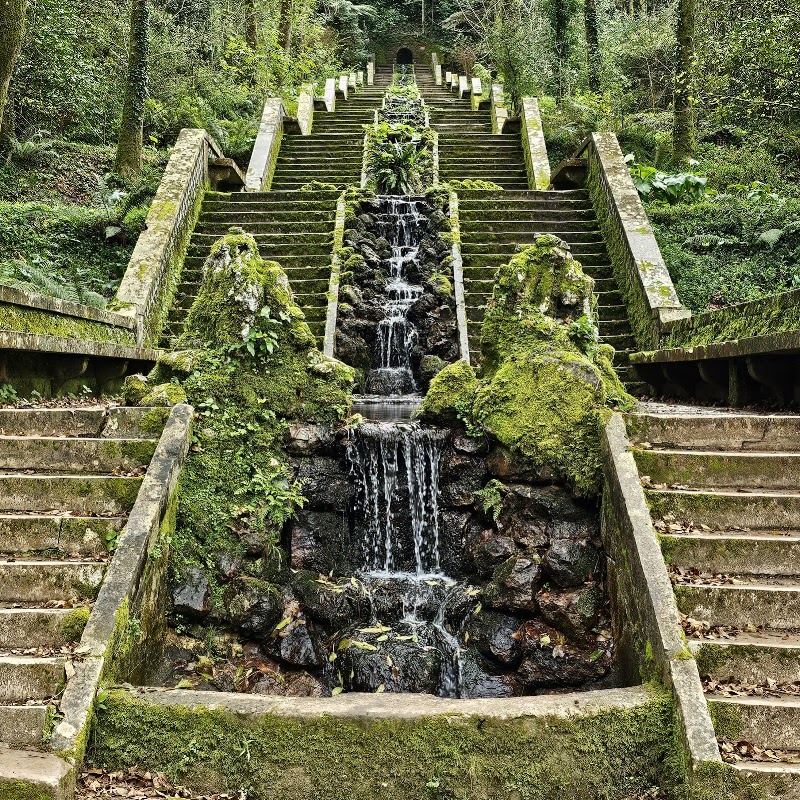
Buçaco National Forest: Peaceful Trails and Palace Views
Near Luso, Buçaco pairs quiet woodland walks with ornate architecture, landscaped gardens, springs and viewpoints higher on the mountain.
Portugal · Alcobaça
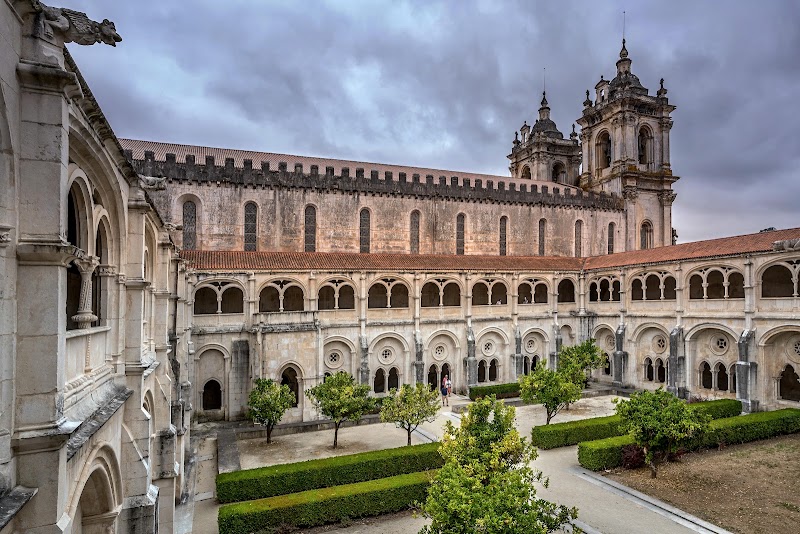
Monastery of Alcobaça: Gothic Scale and Quiet Cloisters
A vast Gothic church, atmospheric cloisters and elaborate medieval details make this UNESCO-listed monastery a rewarding cultural stop.
Portugal · Tomar
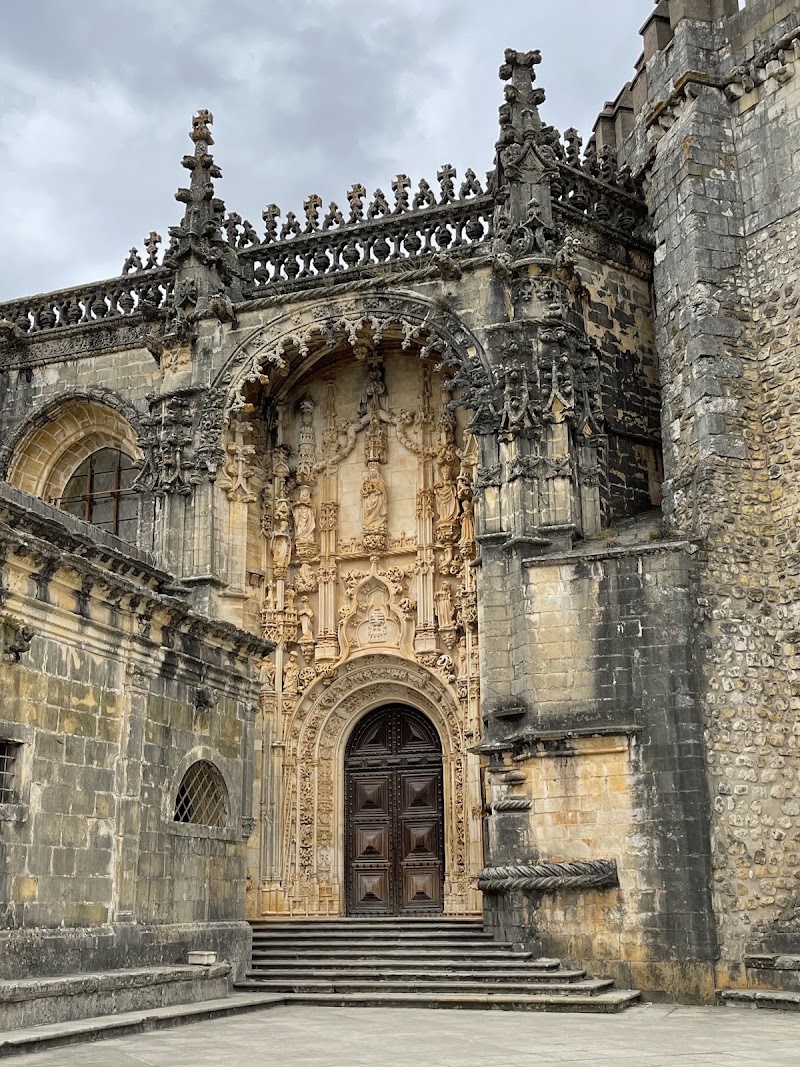
Convent of Christ: Templar history on a monumental scale
Tomar’s vast medieval complex wins strong praise for its Templar legacy, elaborate Charola and centuries of Portuguese architecture.