National Museum of Serbia: Art and History Across Three Floors
Belgrade’s national museum combines archaeology, Serbian heritage and European art in a handsome, centrally located building.
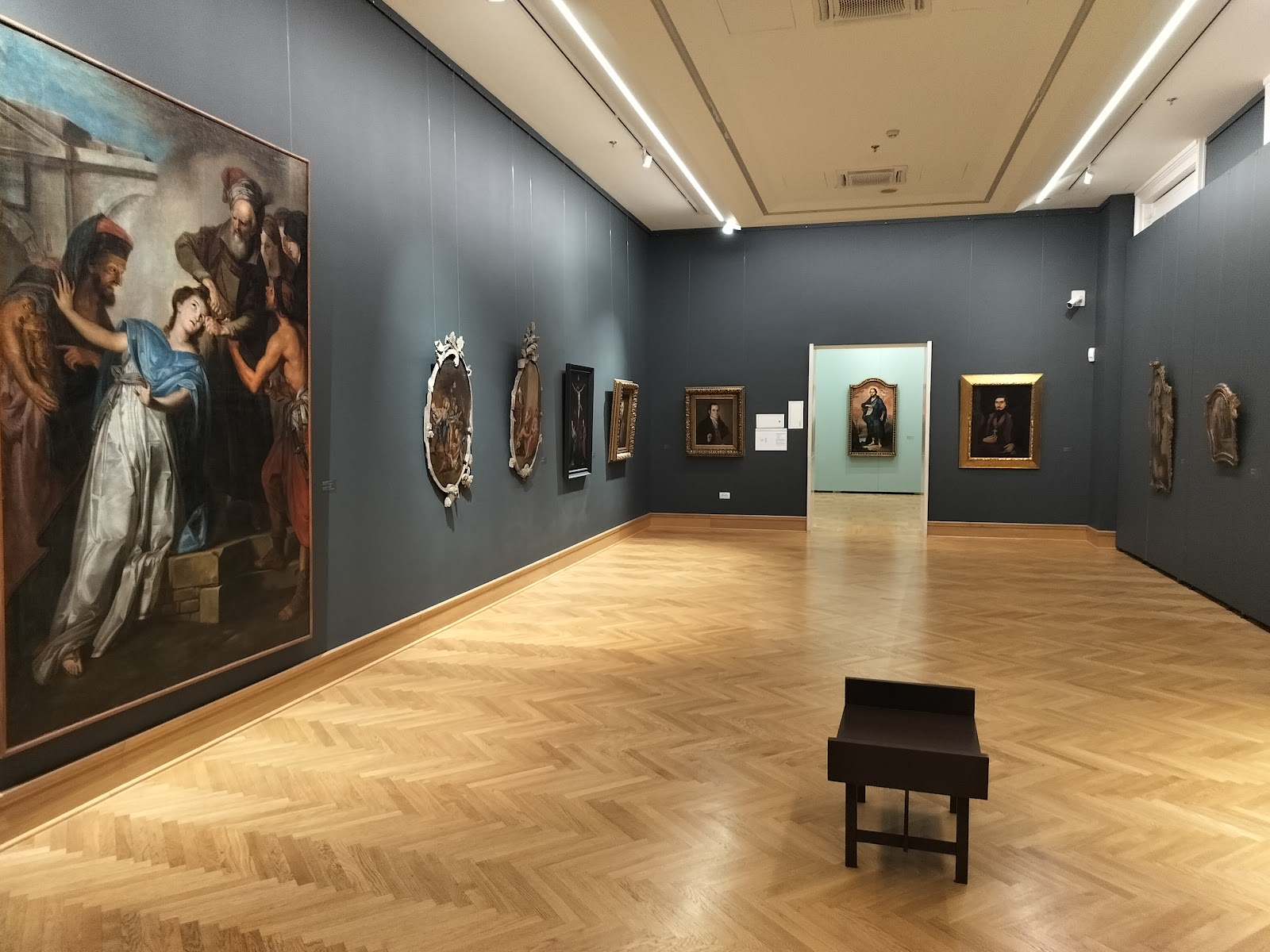
More photos
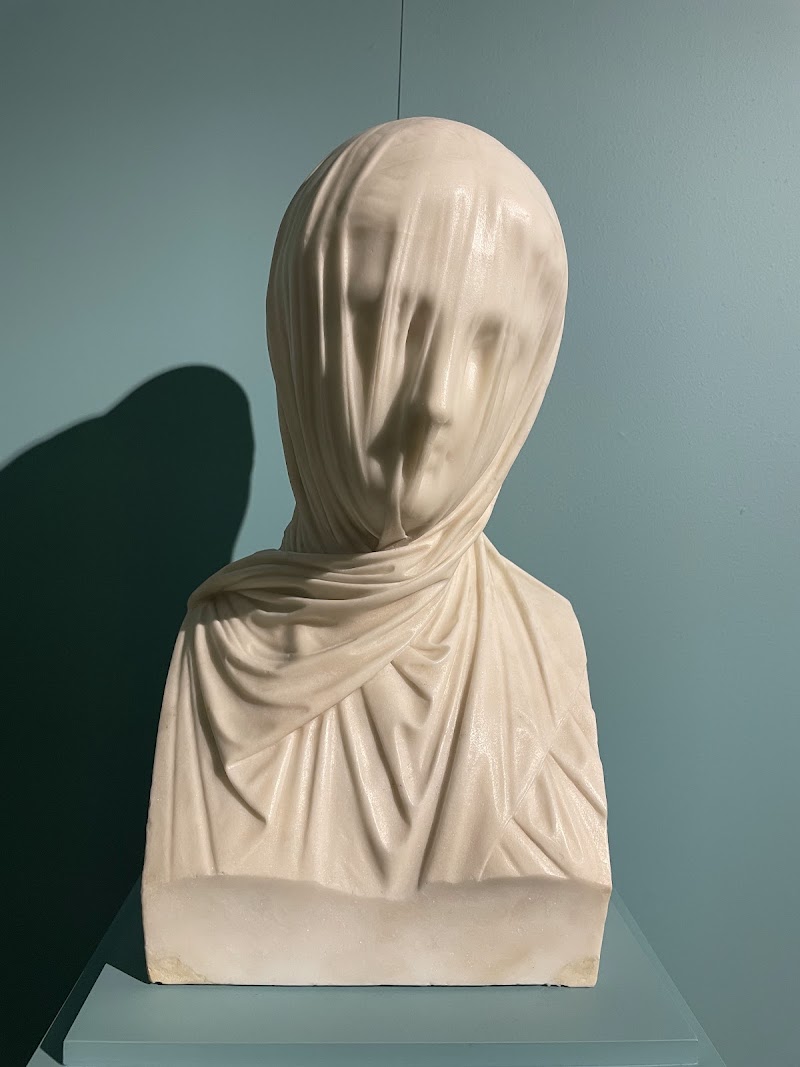
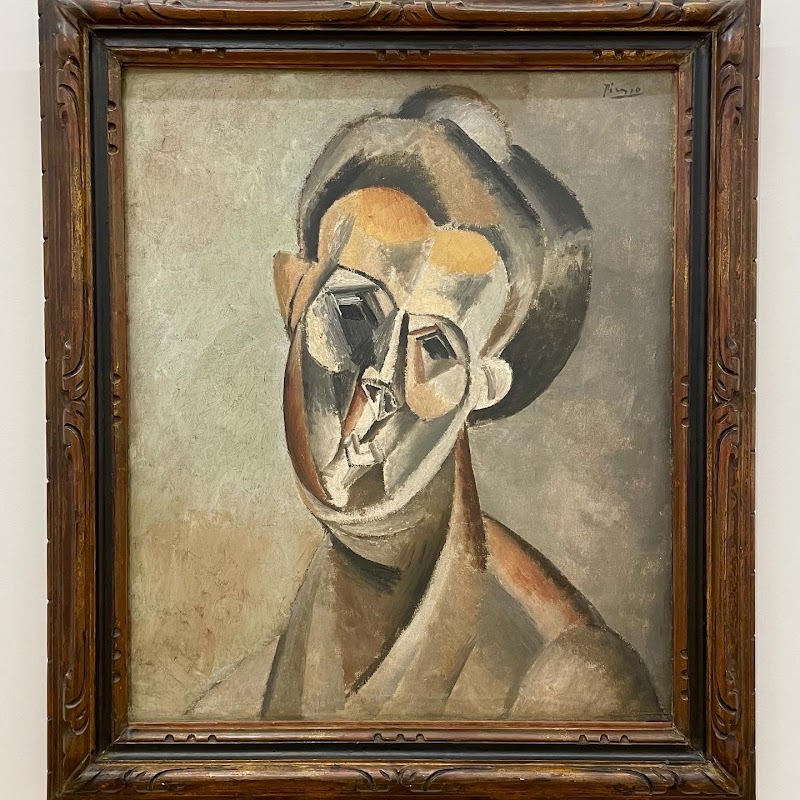
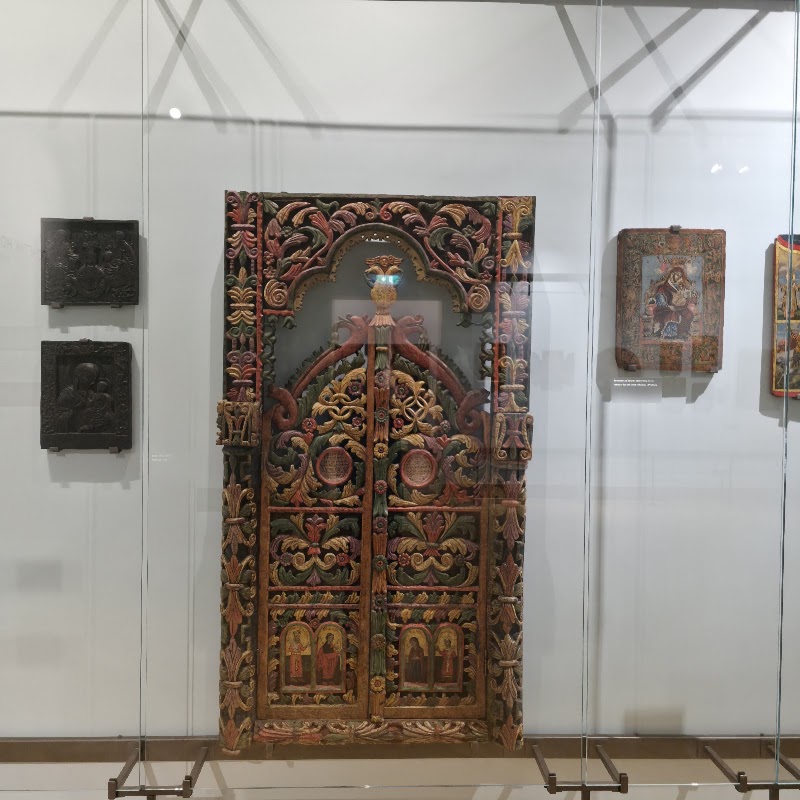
Photos published by travelers on Google, not AI generated.
What stands out
- Three floors of chronologically organized displays
- Prehistoric and ancient archaeological collections
- Medieval paintings, sculptures and frescoes
- Serbian and European art
- Beautiful central Belgrade building
Don't miss
What comes up most in public reviews
- Follow the displays from prehistory onward
- See the Copper, Bronze and Iron Age material
- Explore the medieval frescoes and sculptures
- Visit the 19th- and 20th-century art galleries
Worth the trip?
The overall picture
A 4.7 Google rating from 8468 reviews puts the National Museum of Serbia among Belgrade’s strongest cultural attractions, a view backed up by the supplied traveller feedback. The range comes up often in reviews, as does the way the collection leads visitors clearly from one period to the next. This is not a museum devoted to one discipline. Archaeology, history, painting, sculpture and other historical objects all have a place here.
For first-time visitors, that breadth provides useful context for Serbia and the wider region. The route described in reviews begins with the earliest traces of human civilization, continues through the prehistoric, ancient and medieval periods, then reaches Serbian and European art from later centuries. Several travellers admitted they had been unsure about visiting. The scale and organization won them over.
What visitors can expect
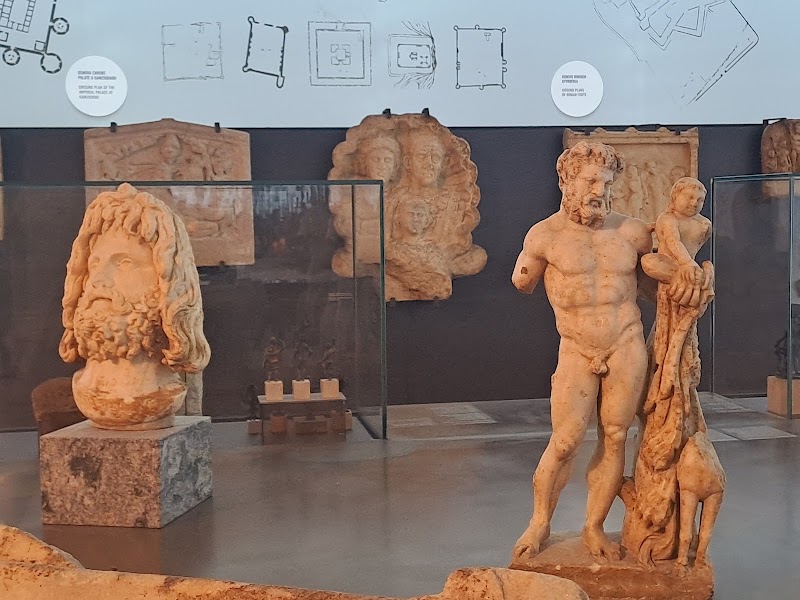
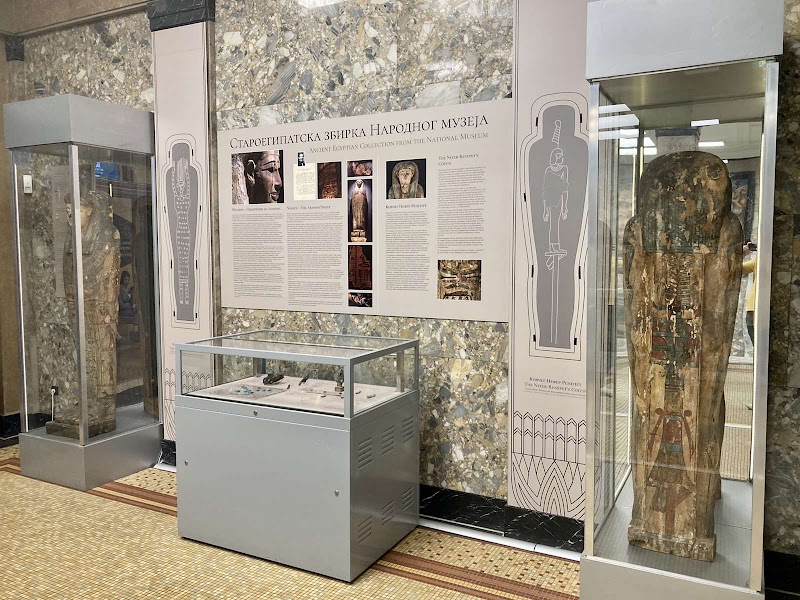
The collection fills three floors. According to reviewers, the earlier sections examine prehistoric life and the Copper, Bronze and Iron ages. Ancient stonework and other archaeological material help lay out the long historical timeline. The medieval displays follow with religious paintings, sculpture and frescoes, bringing the region’s visual culture into sharper focus.
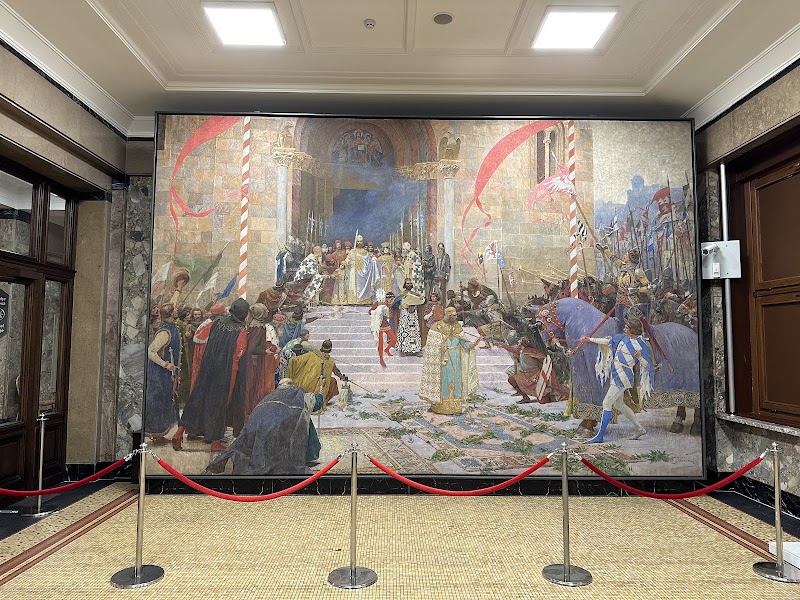
The later galleries turn to 19th- and 20th-century art, with Serbian works shown alongside a broader European selection. Visitors regularly single out this combination as one of the museum’s main strengths. It serves as an introduction to national history, while offering enough fine art for those primarily interested in painting or sculpture.
Public feedback repeatedly describes the exhibitions as well organized and easy to explore. A chronological structure keeps the large, varied collection manageable, and reviewers tend to find the presentation engaging rather than overly academic. The building earns praise too. It gives the visit a sense of occasion.
Who will enjoy it most
Art lovers are the clearest audience, especially those curious about the shift from medieval religious art to modern Serbian and European work. The earlier galleries offer equal substance for history and archaeology enthusiasts. General visitors are not left behind, since the broad overview does not demand specialist knowledge beforehand.
The central Belgrade location makes the museum easy to work into a day of city sightseeing. Reviews suggest the collection is substantial, so half a day is a sensible allowance for visitors who want to follow the historical sequence and pause over the art instead of rushing between floors.
Practical verdict
One supplied reviewer reported free admission, including for foreign visitors. Current entry arrangements should still be checked directly before arrival, as no confirmed price information was provided. Across the supplied reviews, no recurring problems were identified with the museum, its displays or its organization.
For travellers looking for Serbian culture, regional history and art under one roof, this is a high-priority Belgrade attraction. No single object defines its appeal. What stands out is the sweep of the collection, running from prehistory to the modern era. Consistently enthusiastic public feedback suggests it is worth allowing enough time for all three floors, rather than dropping in for a brief stop.
Ask anything
Looking for somewhere else?
Keep exploring around Beograd
More from Serbia
Serbia · Novi Pazar
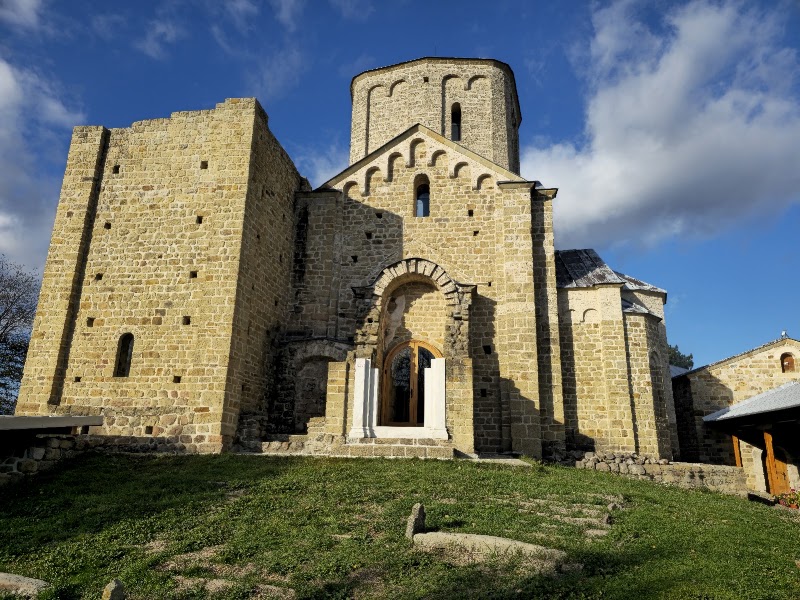
Đurđevi Stupovi Monastery: Peace Above Novi Pazar
Hilltop views, deep historical significance and a notably peaceful atmosphere make this monastery a standout stop near Novi Pazar.
Serbia · Gračanica
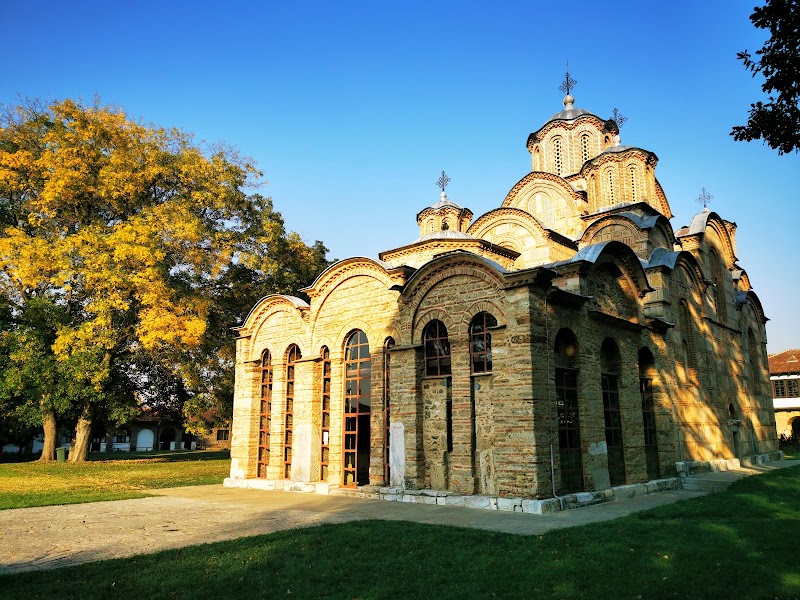
Gračanica Monastery: medieval architecture and frescoes
Near Priština, this Serbian Orthodox monastery draws exceptional praise for its five-domed church, historic frescoes and peaceful grounds.
Serbia · Strmosten
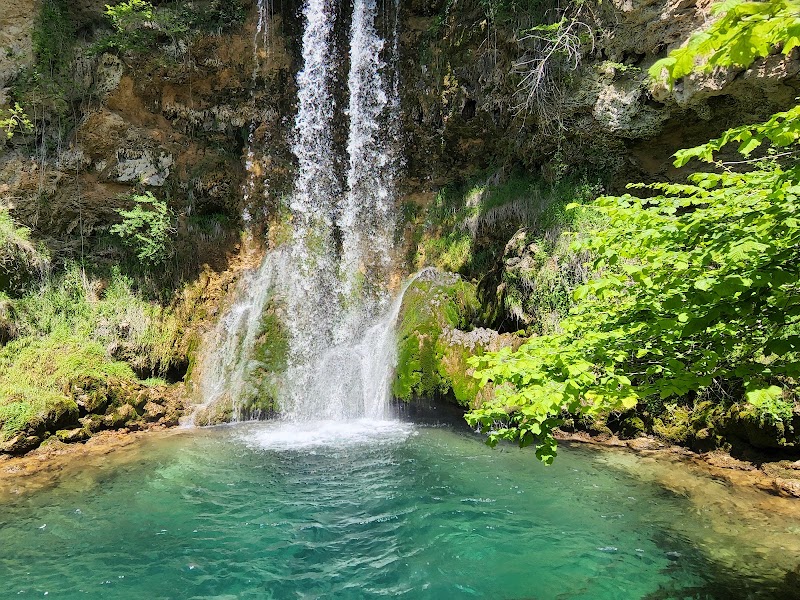
Veliki Buk Waterfall: A Scenic, Easy-Access Stop
Strong visitor feedback points to a compact, well-kept waterfall stop with attractive road scenery, straightforward access and striking winter views.
Serbia · Beograd
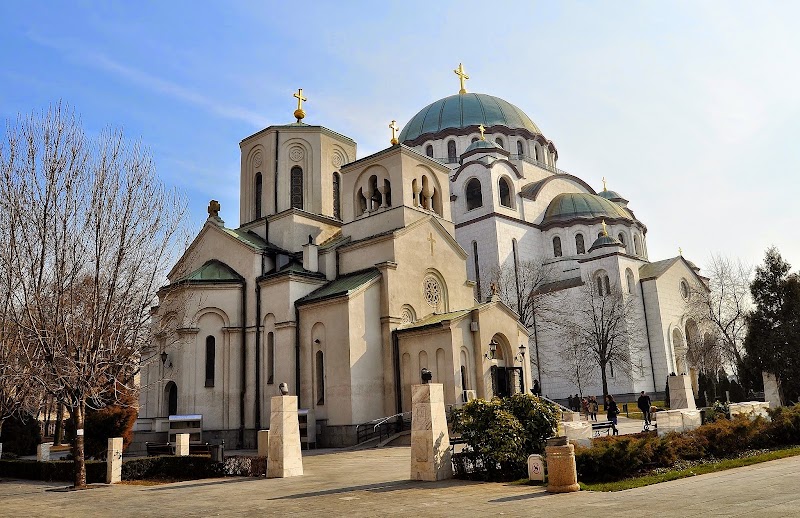
Church of Saint Sava: Belgrade’s Monumental Landmark
Belgrade’s vast Orthodox church pairs a commanding marble exterior with dazzling gold mosaics and an intricately decorated crypt.