National Museum of Mongolia: History Across Nine Halls
A broad, English-friendly survey of Mongolian history, from prehistoric collections and the Mongol Empire to Soviet rule and democracy.
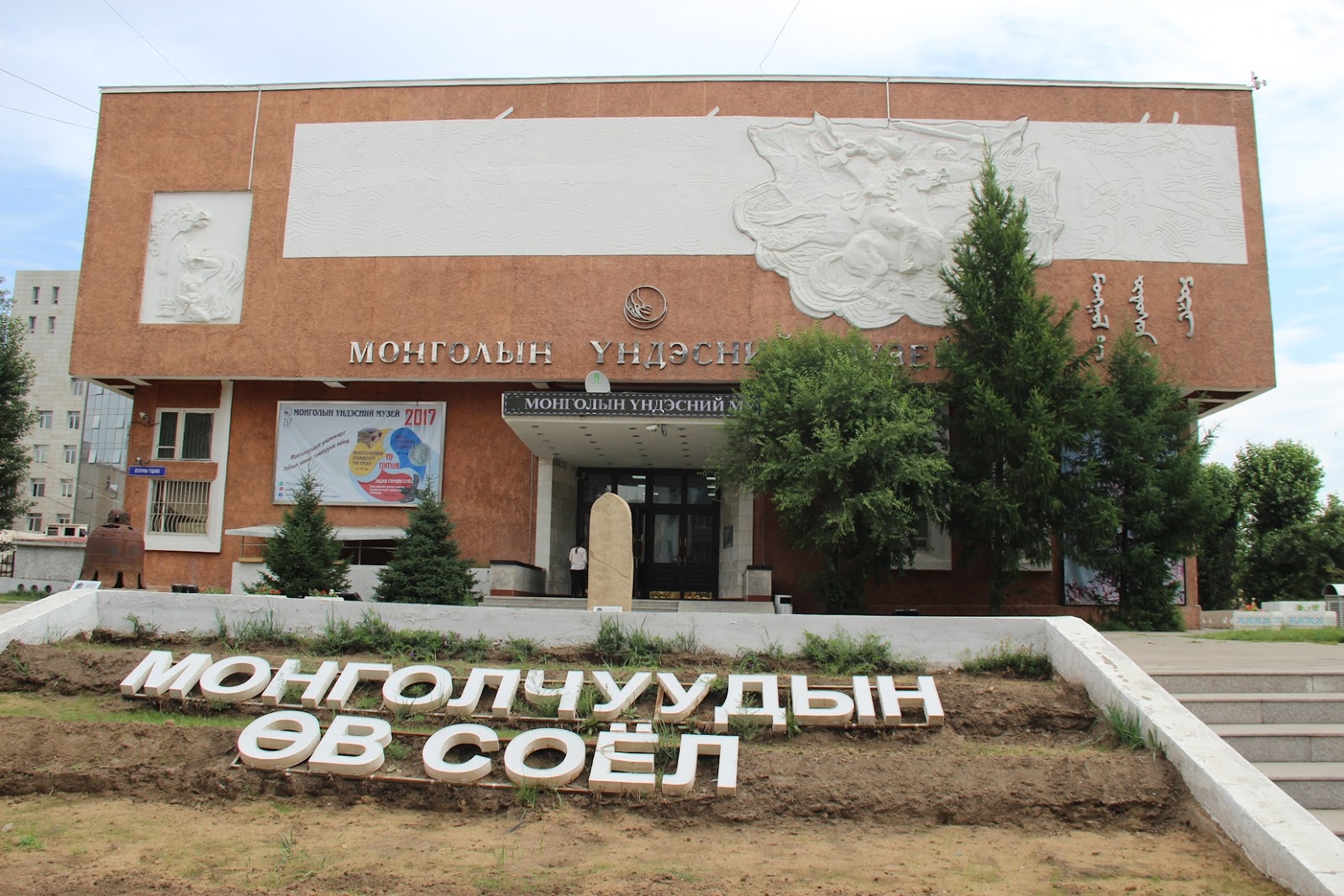
More photos
Photos published by travelers on Google, not AI generated.
What stands out
- Chronological galleries spanning prehistory to democracy
- English-language explanations
- Prehistoric collection on the ground floor
- Mongol Empire armour, weapons and campaign displays
- Traditional culture and Buddhist influence
Worth knowing
- Displays can feel old-fashioned and tired
- Small by global museum standards
- May be a second choice after the newer nearby museum
Don't miss
What comes up most in public reviews
- Explore the prehistoric section on the ground floor
- See the Mongol Empire armour and weapons
- Follow the displays into the Soviet and democratic periods
- Look for exhibits on traditional culture and Buddhism
Worth the trip?
Overview
The National Museum of Mongolia offers a chronological introduction to the country’s history and culture. Based on its Google rating of 4.4 from 1644 reviews and the supplied traveller feedback, its chief strength is breadth: displays move from prehistoric Mongolia through the Mongol Empire, traditional culture, Buddhism, the Soviet period and the democratic era.
Visitors describe nine halls arranged by historical period. Although the museum is considered small by global standards, the volume and range of objects appear substantial enough to support a focused visit of around two hours. Reviewers repeatedly value the amount of information available in English, which helps international visitors understand both the exhibits and the wider historical sequence.
Collections and displays
The prehistoric collection on the ground floor receives particular praise for containing unusual objects. From there, the museum develops a longer national story, with the Mongol Empire section emerging as another clear highlight. Reviews mention displays explaining campaigns associated with Genghis Khan, including expansion into regions north of the Black Sea.
The practical side of Mongol military history is represented through armour, weapons and essential articles carried by Mongol forces. These objects give the galleries more texture than a timeline alone, illustrating how campaigns were equipped as well as where they took place.
Other frequently noted areas cover traditional Mongolian culture and the influence of Buddhism on society. Together, these sections widen the focus beyond rulers and warfare. The later galleries continue into Soviet Mongolia and the democratic period, giving the museum a broader modern scope than visitors may expect from a collection often associated primarily with ancient history and the Mongol Empire.
Visitor experience
Public feedback presents the museum as informative, manageable and comparatively quiet. English explanations are a recurring positive, with one reviewer reporting that the material made it easy to grasp the overall picture. Another spent two hours inside, which suggests that the museum works well as a half-day cultural stop without requiring an entire day.
The main criticism concerns presentation. Some travellers find the museum old-fashioned and tired beside the newer Chinggis Khaan National Museum nearby. That comparison matters for visitors choosing only one museum in Ulaanbaatar: one reviewer preferred the newer institution as a first choice, while still recommending the National Museum of Mongolia as a worthwhile second museum for anyone seeking broader historical coverage.
Editorial verdict
This is best approached as a wide-ranging historical survey rather than a highly polished contemporary museum experience. Its chronological structure, substantial collection and English-language information make it useful for travellers wanting context before exploring more of Mongolia.
The prehistoric objects, Mongol military material and coverage of Buddhism, Soviet rule and democracy give the museum a scope that extends well beyond the best-known imperial period. Displays may feel dated, but the quieter atmosphere and broad narrative remain meaningful advantages. For history-focused visitors with roughly two hours available, it is a strong companion to the newer Chinggis Khaan National Museum rather than a direct substitute for it.
Plan the rest of the trip
Ask anything
Looking for somewhere else?
Keep exploring around Ulaanbaatar
More from Mongolia
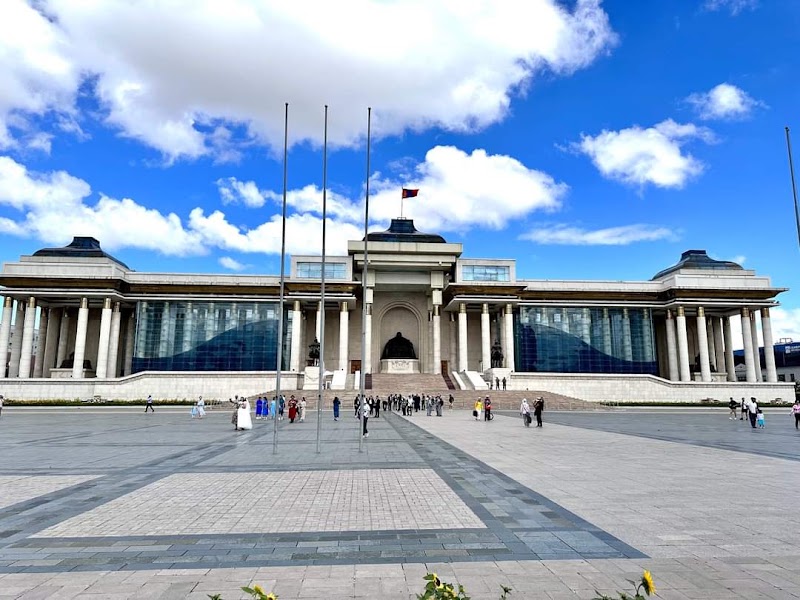
Mongolia · Ulaanbaatar
Chinggis Khaan Statue: A Brief, Striking Ulaanbaatar Stop
A monumental horseback statue, small museum and city-centre views make this a worthwhile one-time visit in Ulaanbaatar.
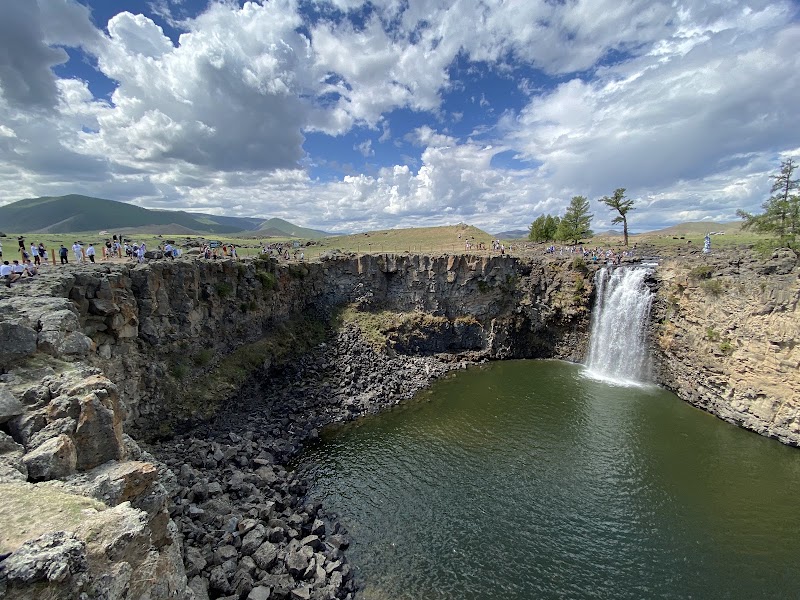
Mongolia · Burgaasatayn Hiid
Orkhon Waterfall: A Scenic Walk into Mongolia’s Cliffs
Public reviews rate Orkhon Waterfall highly for its mountain setting, stream walks and peaceful atmosphere, though reaching it still requires an off-road drive.
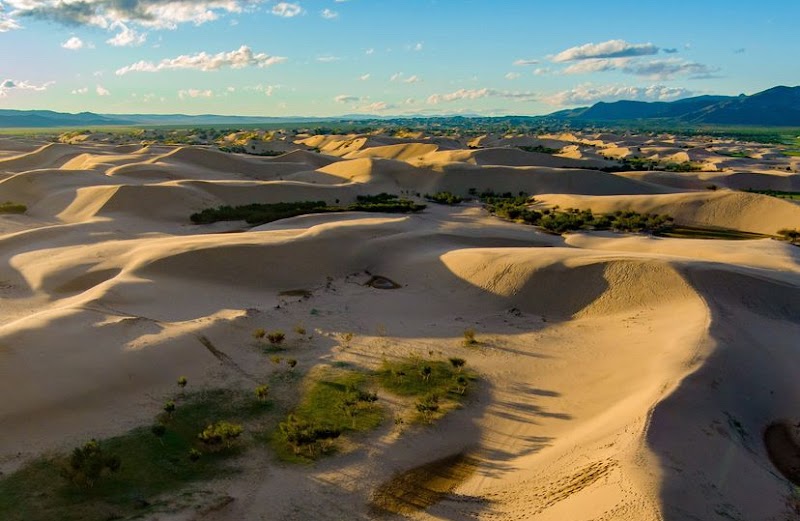
Mongolia · Högönö-Taranaiin-Hüree
Elsen Tasarkhai: Mongolia’s Accessible Sand-Dune Detour
Elsen Tasarkhai gives travellers a striking taste of desert landscape amid Mongolia’s green plains, with strong photo appeal and practical limits.
Mongolia · Ulaanbaatar
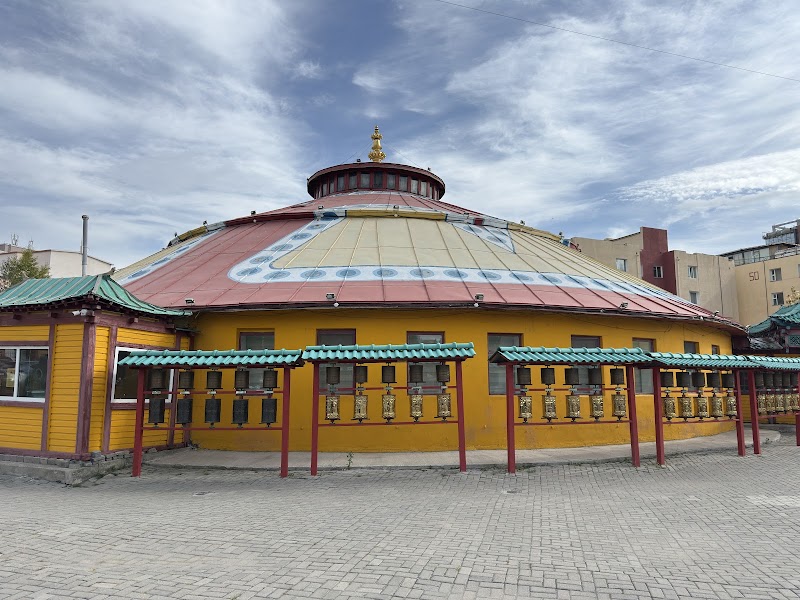
Dashchoilin Monastery: Quiet Buddhist History in Ulaanbaatar
Dashchoilin Monastery offers distinctive ger-shaped temples, a peaceful city setting and a direct look at Ulaanbaatar’s Buddhist history.