National Museum of Ireland, Kildare Street review
A rich, free-entry archaeology museum praised for its gold, prehistoric, Celtic and Viking collections, though some displays show their age.

More photos



Photos published by travelers on Google, not AI generated.
What stands out
- Well-curated gold exhibition
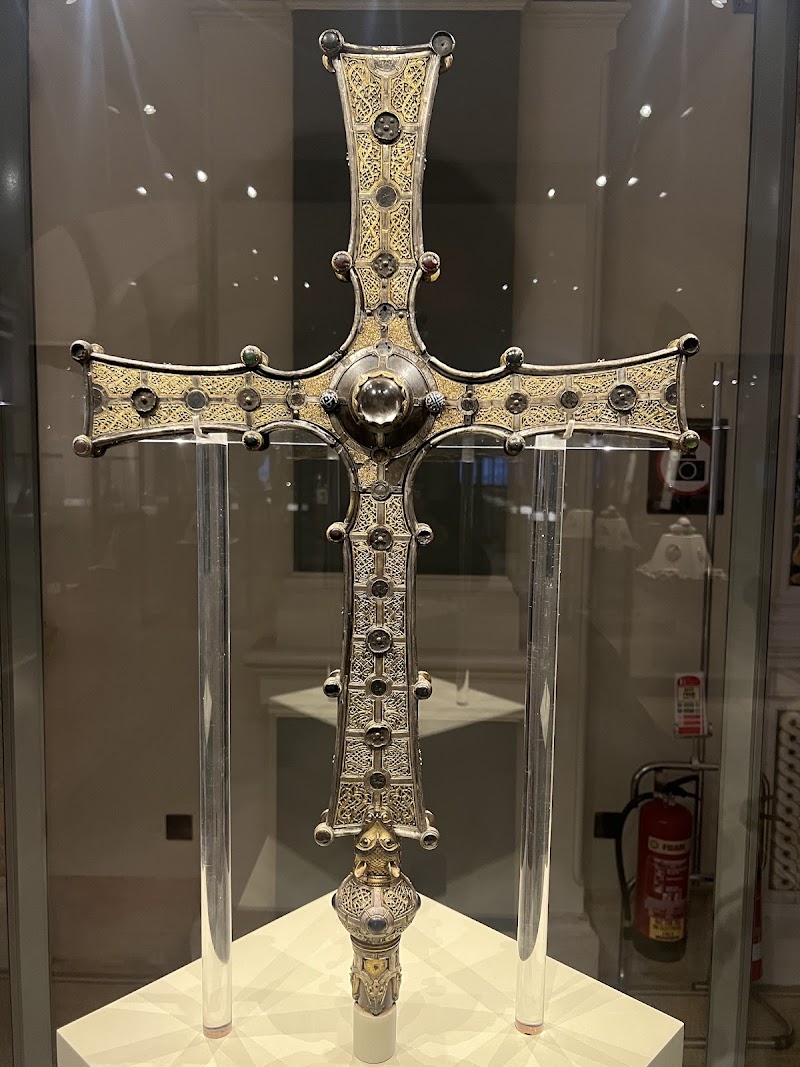
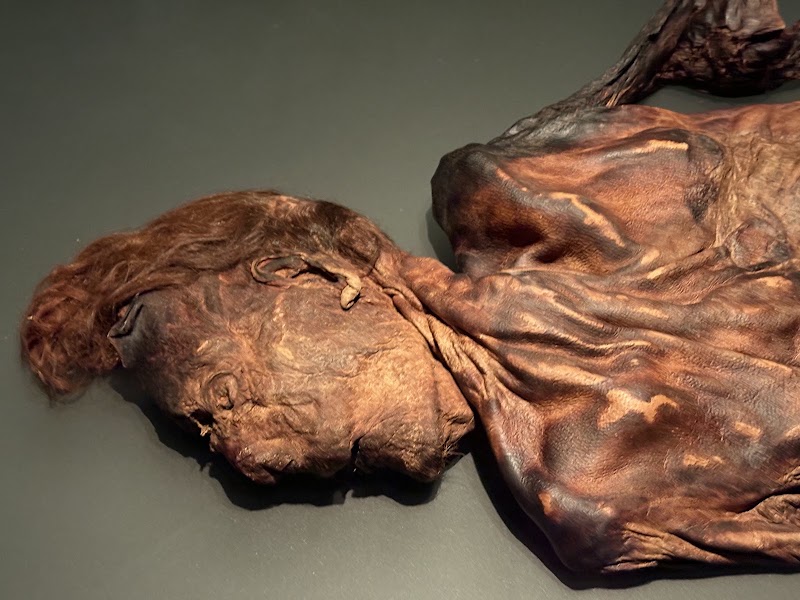
- Prehistoric, Celtic and Viking collections
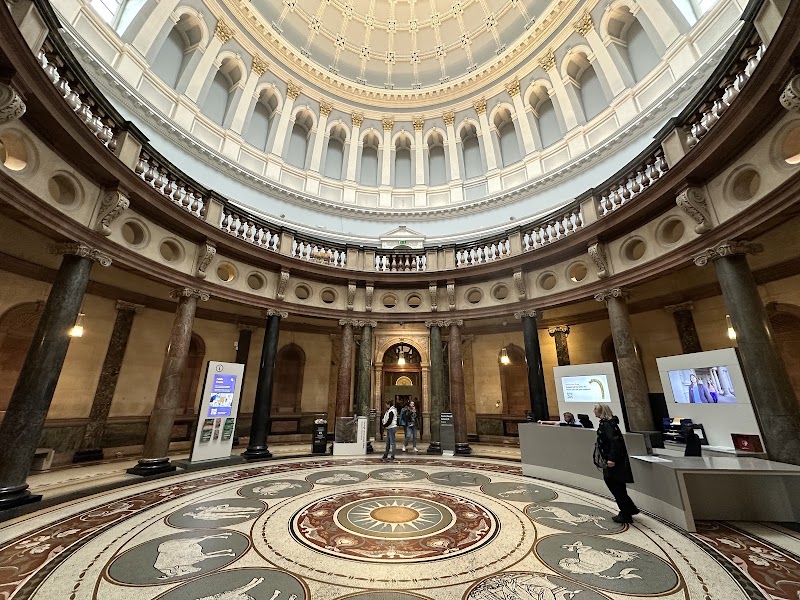
- Impressive historic building
- Free guided tours
- Information presented in two languages
Worth knowing
- Some interactive displays may be broken or worn
- Parts of the second floor may feel empty
- Limited coverage of more recent centuries
Don't miss
What comes up most in public reviews
- Explore the gold exhibition
- See the prehistoric and Celtic treasures
- Visit the Viking displays
- Look for the small Egyptian exhibition
- Ask staff about a free guided tour
Worth the trip?
What public reviews say
Public feedback strongly supports the National Museum of Ireland on Kildare Street as one of Dublin’s most rewarding history attractions. Its Google rating is 4.6 from 15313 reviews, while the sampled comments repeatedly praise the scale, presentation and historical depth of the collections. Several visitors describe discovering far more galleries than expected, with one comparing the interior to a maze because the exhibitions seem to continue well beyond the apparent size of the building.
The museum’s architecture also earns attention. Reviewers find both the exterior and interior impressive, making the setting part of the experience rather than simply a container for artefacts. Free entry adds to the appeal, and at least one visitor considered the experience worthwhile enough to leave a donation.
Collections and displays
The gold exhibition is the clearest standout in the sampled feedback. It is described as particularly well curated, and it sits alongside prehistoric objects, Celtic treasures and Viking material that help trace Ireland’s ancient past. Reviewers frequently commend the richness of the collection and the amount of information accompanying it. Displays are presented with information in two languages, supporting visitors who prefer to explore independently and at their own pace.
There is also a small Egyptian exhibition. Although it does not appear to be the main reason most people visit, one reviewer found it fascinating. Together, these sections give the museum enough breadth for anything from a focused stop to a longer, less structured wander.
The museum is principally strongest on archaeology and ancient history. A visitor expecting extensive coverage of more recent centuries felt the experience ended abruptly, particularly when looking for clothing and material from the 17th to 19th centuries. That mismatch of expectations is worth noting before arrival.
Tours and visitor experience
Staff receive warm praise. One reviewer who began exploring without a plan was given an explanation of the layout and a recommended route. The same staff member also pointed out a free guided tour. Its guide was described as friendly, patient and knowledgeable, and used examples of materials associated with the making of artefacts to add a tactile element to the explanation.
That suggests a tour may be especially useful for visitors who find the layout difficult to follow. Without guidance, the many rooms and interconnected displays can encourage haphazard wandering. For some, that is part of the attraction; for others, asking staff for a suggested route could make the visit more coherent.
Limitations and overall verdict
Not every element feels equally polished. Some interactive displays were reported as broken, while others showed visible wear. Another visitor found parts of the second floor empty. These issues did not outweigh the quality of the central collections, but they may affect anyone expecting every gallery to feel complete and fully updated.
Overall, the museum appears best suited to travellers interested in archaeology, ancient Ireland and carefully presented historic objects. The gold, Celtic, prehistoric and Viking displays provide the strongest reasons to visit, while the building, free entry and helpful staff further strengthen its value. Allowing two to three hours should suit a general visit, though enthusiastic museum-goers could spend longer following the many galleries.
Ask anything
Looking for somewhere else?
Keep exploring around Dublin 2
More from Ireland
Ireland · Oldcastle
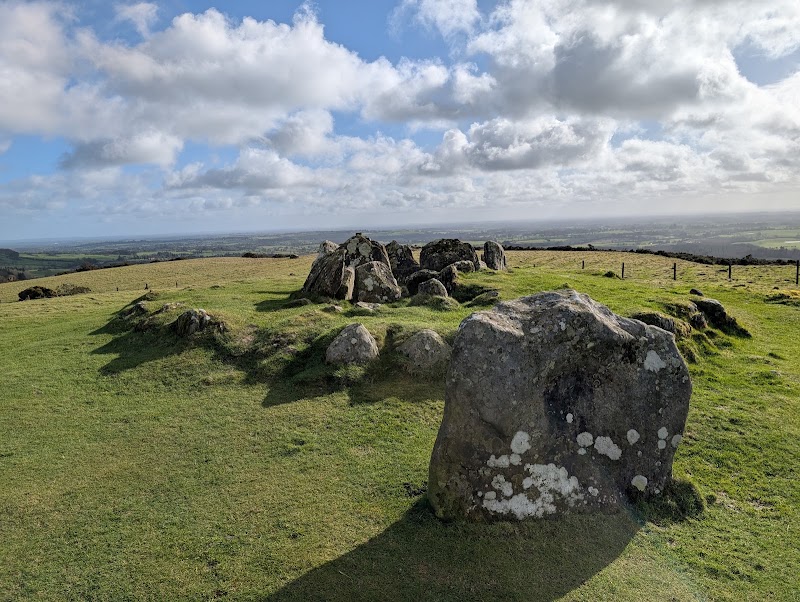
Loughcrew Cairns: Ancient Tombs Above County Meath
A steep countryside climb leads to ancient passage tombs, surviving stone carvings and wide views over the landscape around Oldcastle.
Ireland · Drogheda
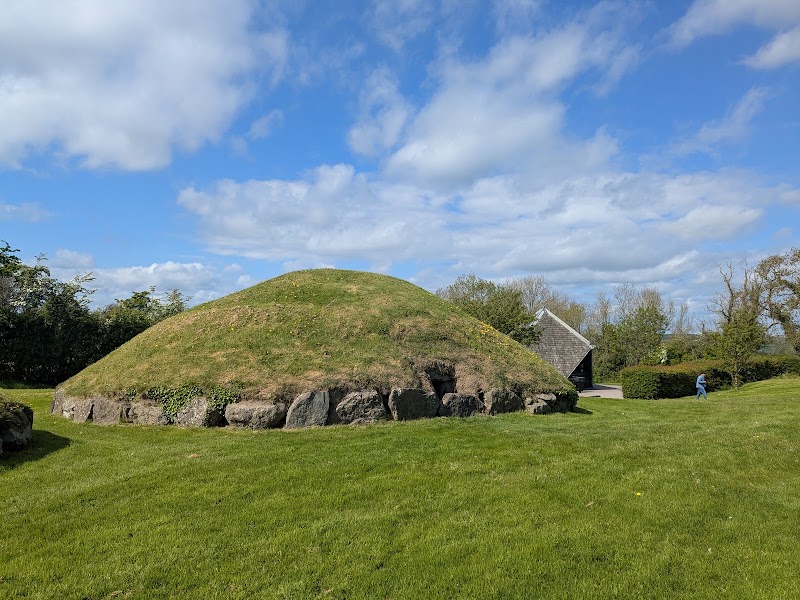
Knowth: Neolithic history with a debated modern viewpoint
Knowth pairs an ancient burial mound and surrounding monuments with expert-led tours, broad countryside views and some contentious restoration choices.

Ireland · Donore
Brú na Bóinne turns ancient earthworks into a vivid day out
Strong interpretation, engaging guides and close-up monument visits make this Donore landmark rewarding, provided visitors are ready to walk.
Ireland · Trim
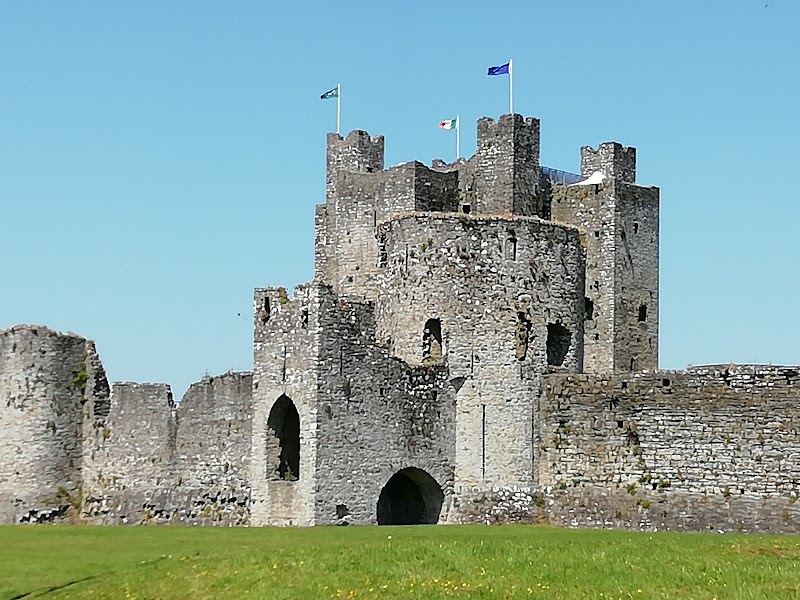
Trim Castle: Imposing History and Rewarding Guided Tours
Trim Castle pairs well-preserved architecture and scenic grounds with guided visits that earn strong praise from public reviewers.