National Museum of Ghana: An Accra History Primer
Accra’s national museum offers an accessible overview of Ghanaian history, everyday traditions and artistic heritage, strengthened by engaging guides.
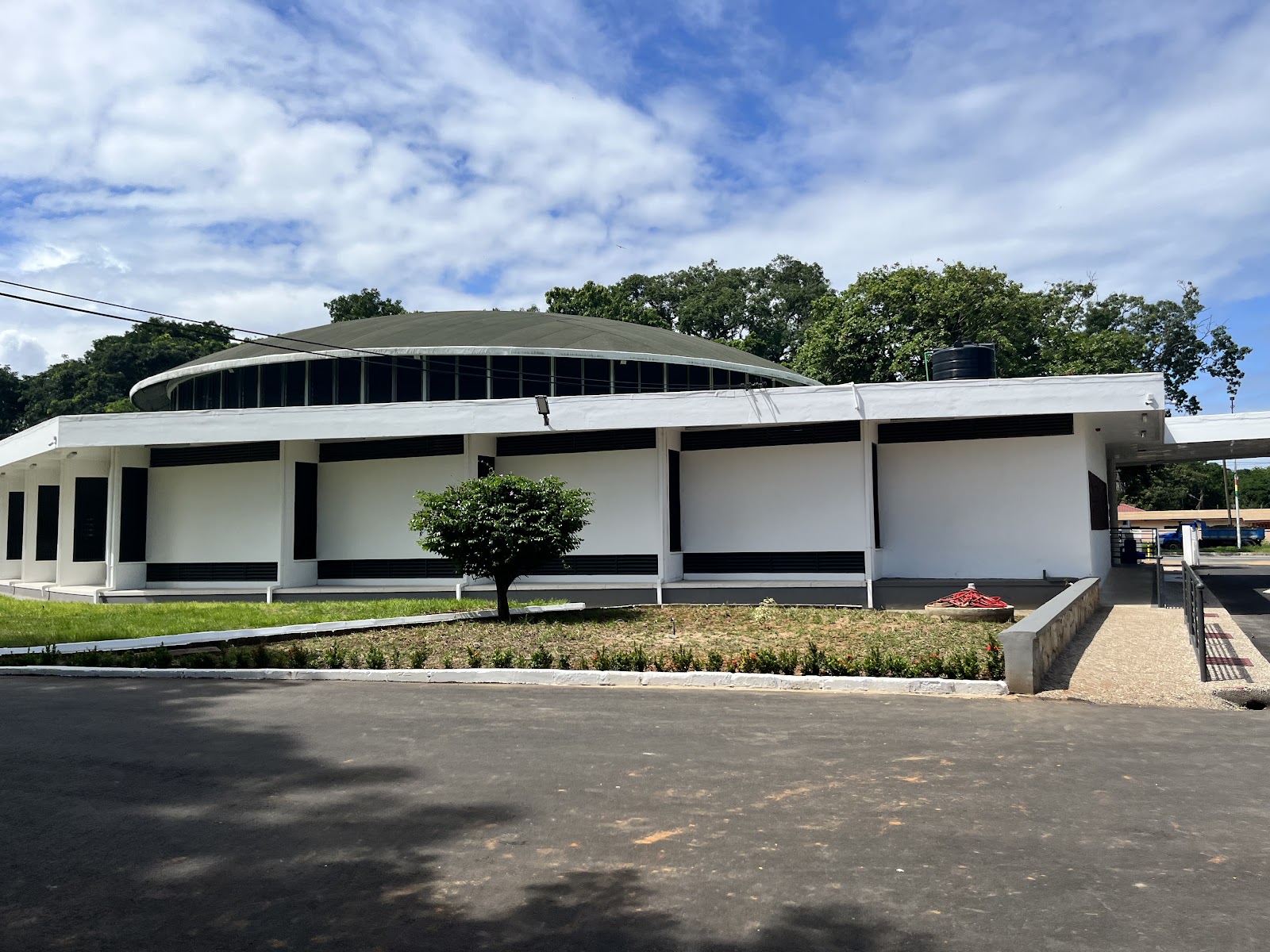
More photos

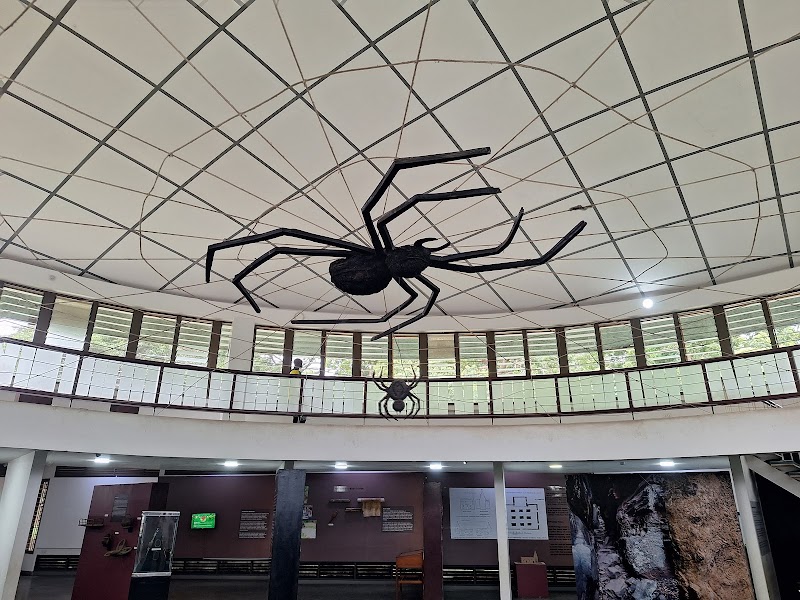
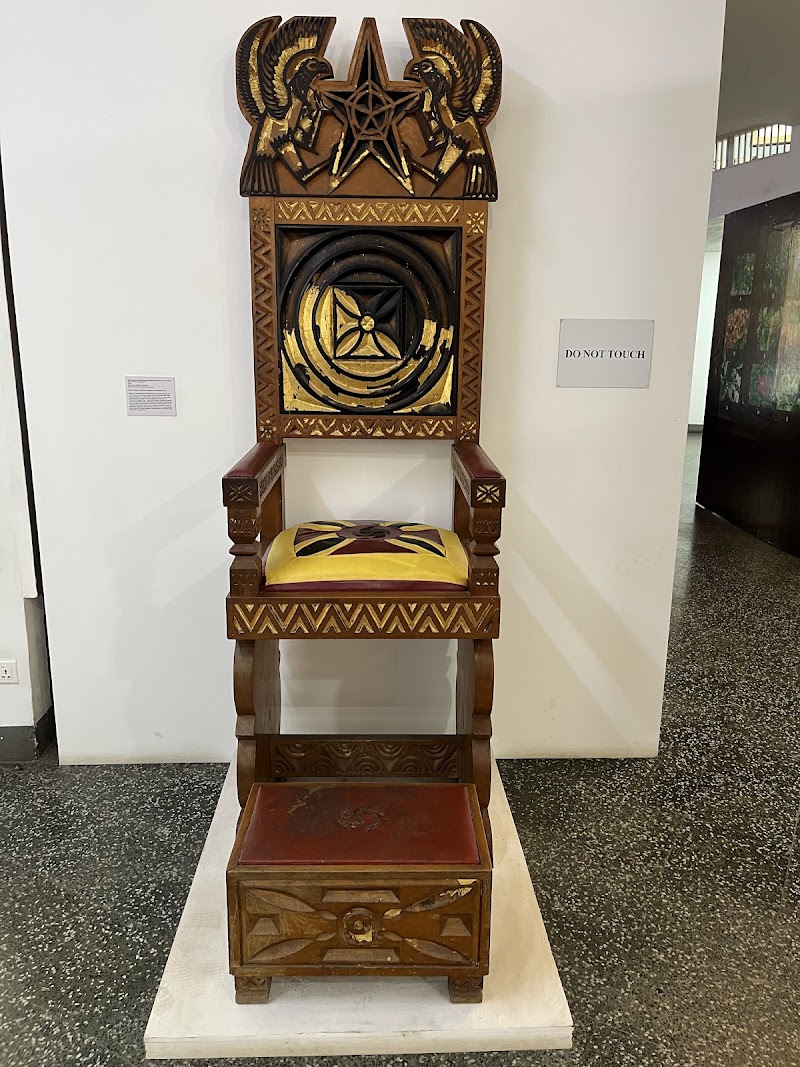

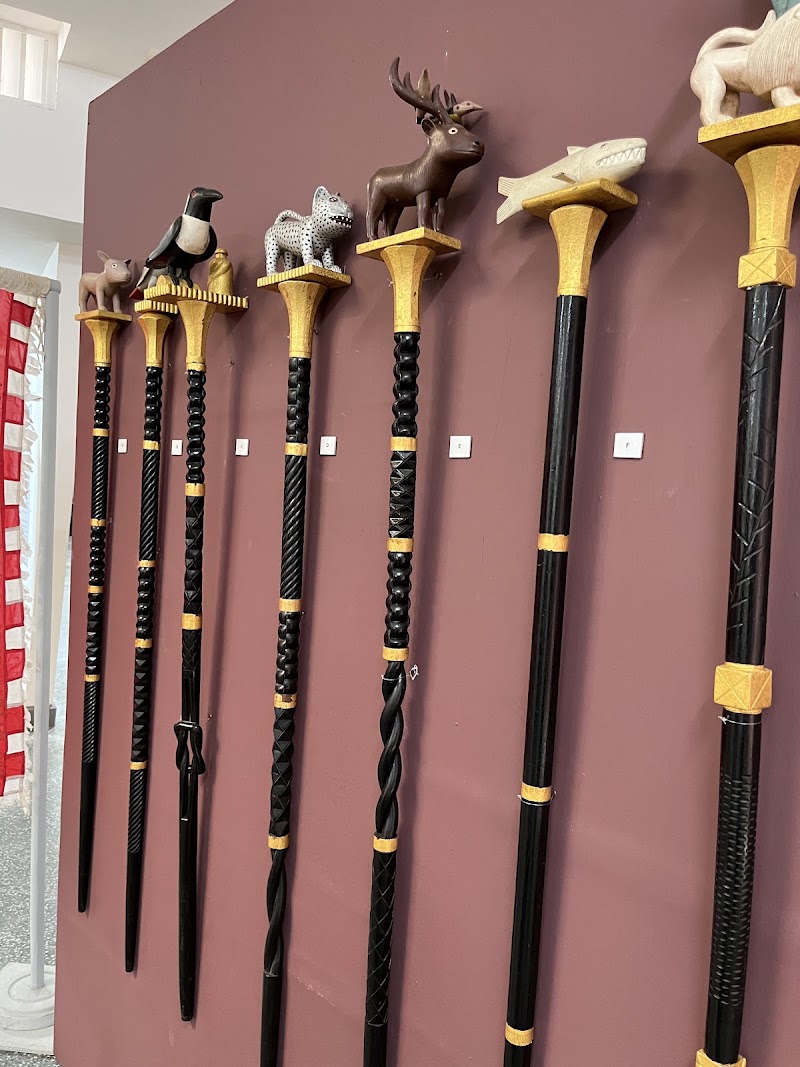
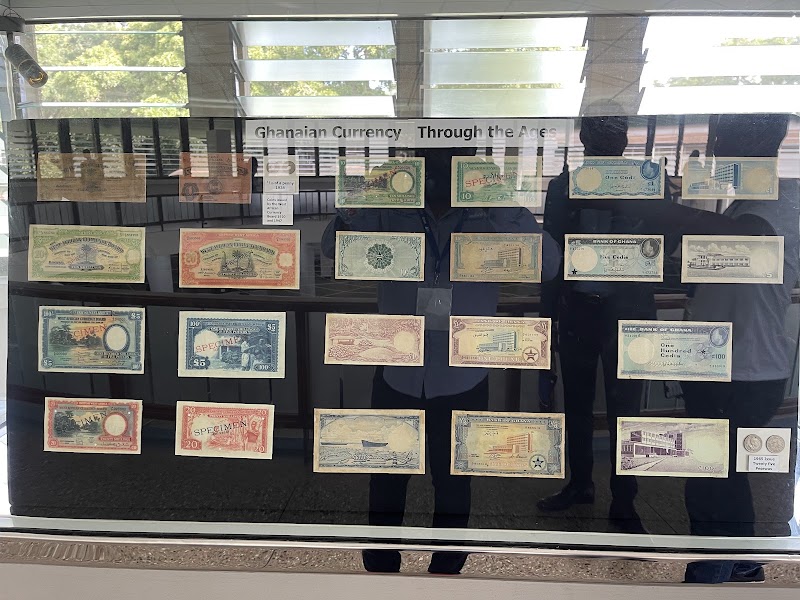
Photos published by travelers on Google, not AI generated.
What stands out
- Knowledgeable and engaging guides
- Pre-colonial and post-colonial history
- Traditional tools, textiles and artefacts
- Calm, neat educational setting
Worth knowing
- Crowds may build later in the day
- Some visitors hope for more exhibits
Don't miss
What comes up most in public reviews
- Ask whether a guided tour is available
- See the traditional tools and textiles
- Explore exhibits on everyday village life
- Follow Ghana’s story before and after independence
Worth the trip?
What the reviews suggest
The National Museum of Ghana holds a Google rating of 4.1 from 1281 reviews. Public feedback generally treats it as a practical place to begin learning about the country, with visitors often praising the breadth of its historical coverage. The galleries introduce Ghana before colonial rule, then trace the story through colonisation, independence and the post-colonial period.
Several travellers made the museum their first stop in Ghana. For anyone intending to explore Accra and other parts of the country, that order makes sense: the displays give useful context for local traditions, material culture and the wider history of West Africa. Reviewers tend to describe the museum as calm, neat and educational. Not overwhelming.
Collections and historical focus
Everyday life comes up often in the reviews. Visitors mention displays of traditional homes, village settings, kitchens, clothing, textiles, tools and domestic objects. That focus takes the museum beyond political dates and prominent figures, offering a clearer picture of how people lived and worked during different periods.
Traditional artefacts, ancient tools and textiles draw particular praise. Public comments also note the museum’s coverage of artistic heritage, along with exhibits explaining life before and after independence. Most reviews frame the collection as a solid overview, not an exhaustive account, which makes it especially accessible to newcomers to Ghanaian history.
Some visitors would like to see more exhibits added in the future. Travellers expecting a vast and highly detailed collection may therefore find the experience introductory rather than comprehensive. Its value is in the way it places history, traditions and ordinary objects together, in a format that reviewers find easy to follow.
Why a guide matters
Guides receive the most consistent praise. Reviewers call them knowledgeable, patient and engaging, and several say the guided interpretation made their visit more meaningful and easier to remember. The explanations seem especially useful when linking individual objects with the broader history of Ghana and West Africa.
Guided context can also clarify the shift from pre-colonial society to colonial rule and independence, rather than leaving those periods to feel like separate chapters. Visitors arriving with little background knowledge should ask whether a guided tour is available. Judging by public reviews, the person explaining the collection may matter just as much as the displays.
Planning the visit
The museum suits a half-day cultural stop and can provide orientation before trips to other historical sites. One reviewer arrived early and found the galleries quieter, with crowds beginning to build by the time they left. For travellers who want space to study the displays or speak with a guide, an early visit appears the more practical option.
Public feedback describes admission as budget friendly, though current access details should be confirmed directly before travelling. The gift shop gets a positive mention for its selection, but the historical overview remains the main reason to go. For first-time visitors to Accra, reviews suggest the museum provides clear context, approachable exhibits and guided interpretation that is well regarded.
Ask anything
Looking for somewhere else?
Keep exploring around Accra
More from Ghana
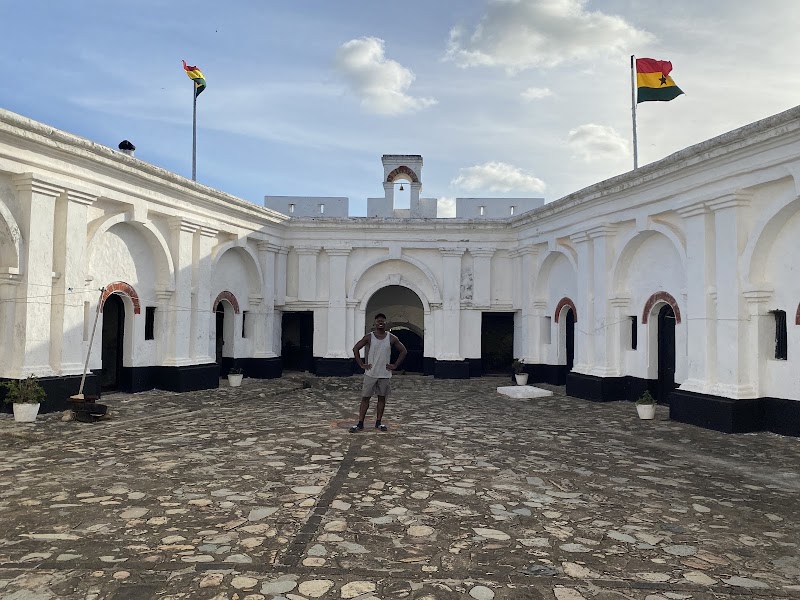
Ghana · Dixcove
Fort Metal Cross: History and Coastal Views in Dixcove
This compact historic fort draws visitors for its difficult past, coastal scenery and locally delivered tours, though upkeep receives mixed reports.
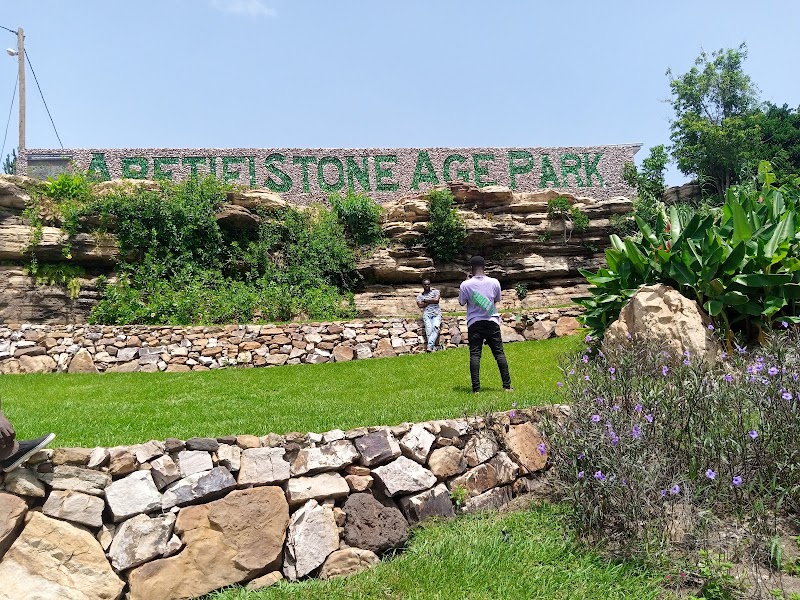
Ghana · Abetifi
Abetifi Stone Age Park: archaeology, views and picnic space
Public reviews describe a scenic, family-friendly park combining rock formations, historical interpretation, gardens and wide mountain views.
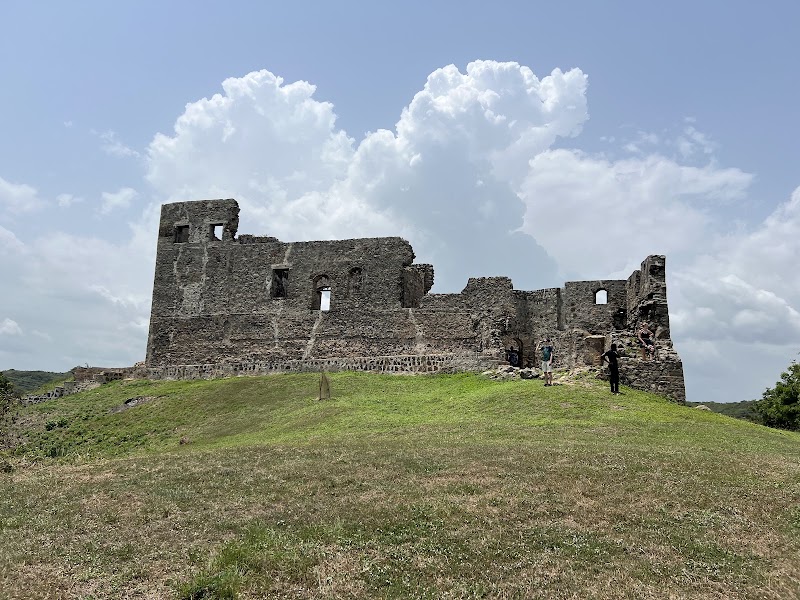
Ghana · Abandze
Fort Amsterdam: An Intimate Hilltop Fort in Abandze
Fort Amsterdam pairs a compact, affecting historical site with broad views over Abandze and Ghana’s Atlantic coastline.
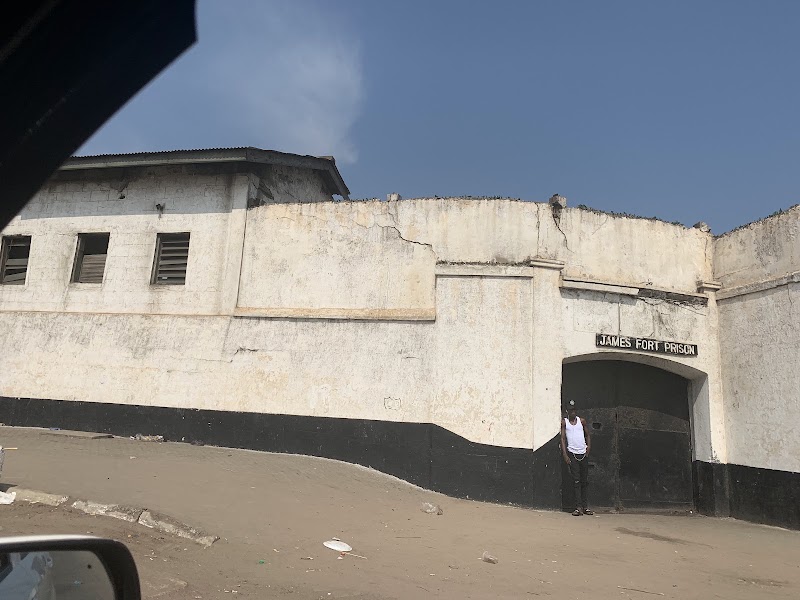
Ghana · Accra
Fort James: Difficult History in a Neglected Setting
Fort James offers a sobering encounter with Accra’s past, but reviews repeatedly warn of deterioration and informal access arrangements.