National Museum of Costa Rica: History Inside a Former Fort
San José’s national museum combines a butterfly atrium, indigenous artefacts and modern history in a compact former military building.
More photos
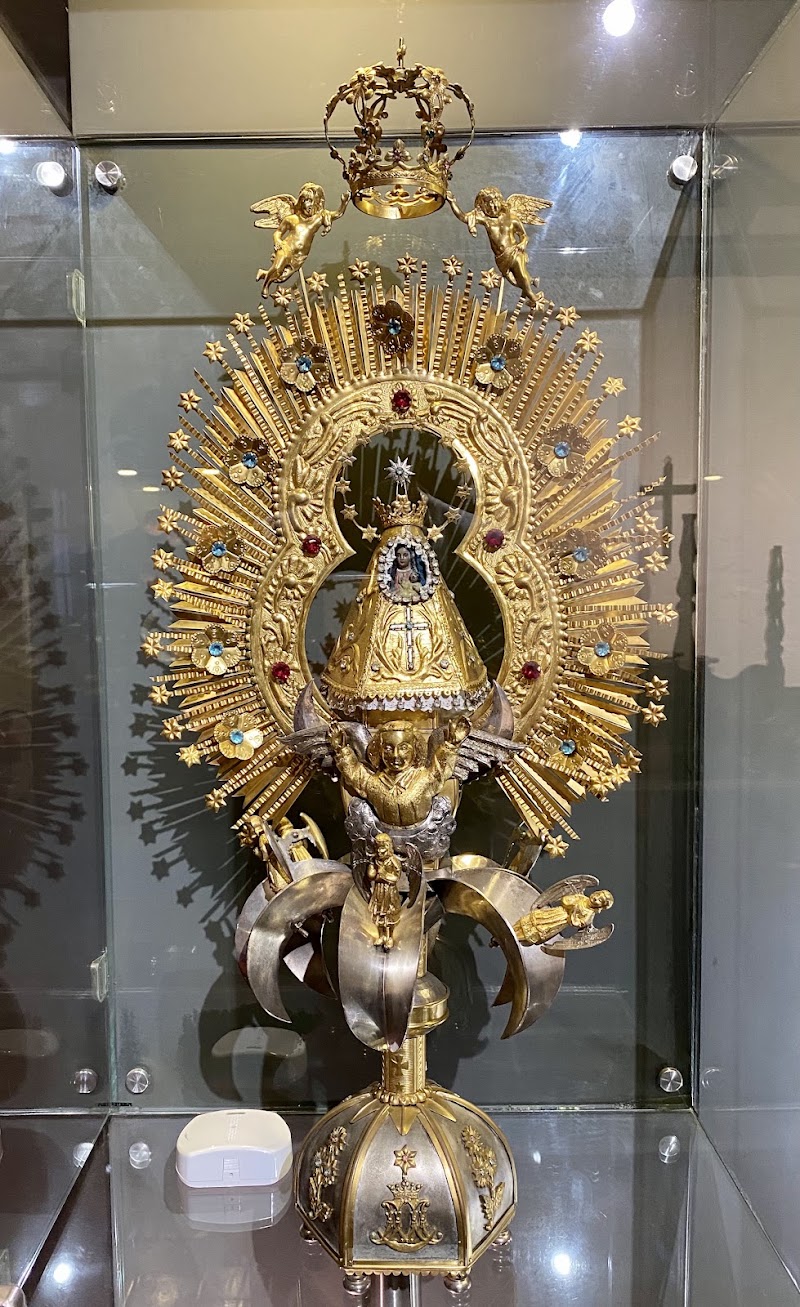
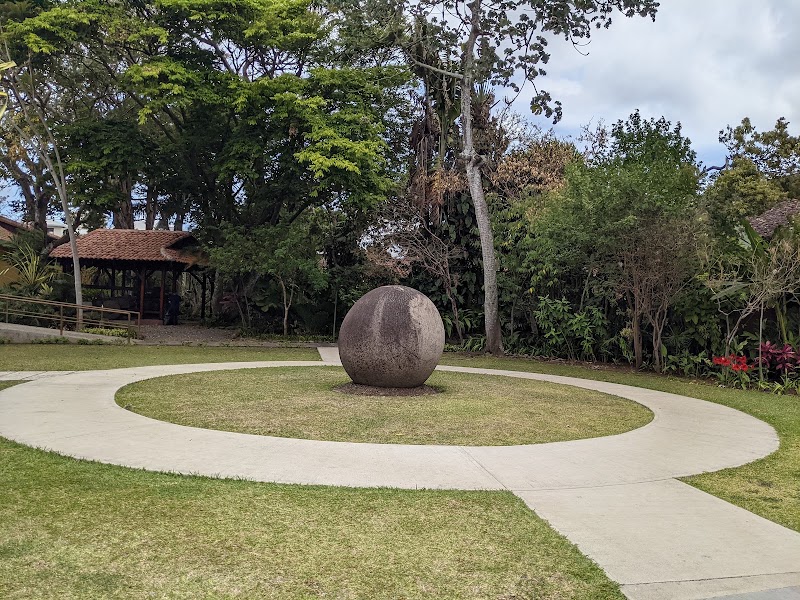
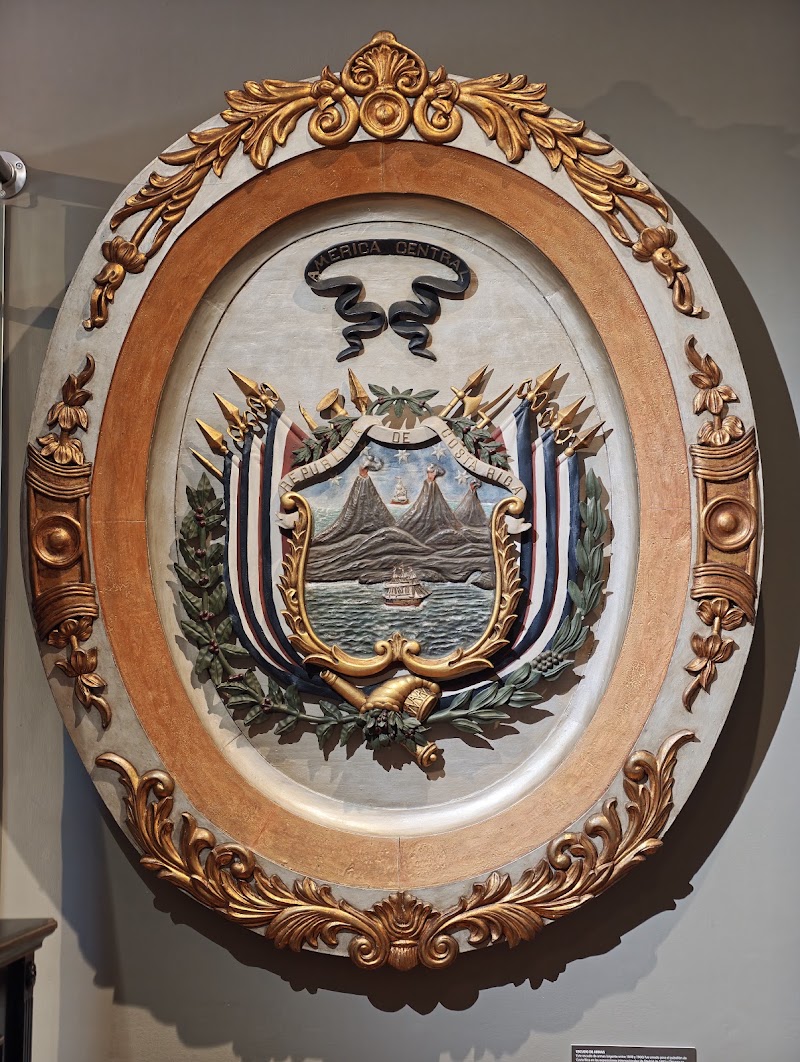
Photos published by travelers on Google, not AI generated.
What stands out
- Educational butterfly atrium
- Indigenous sculptures and tools
- Costa Rican history overview
- Former army building
- Gardens around the museum
Worth knowing
- Relatively small collection
- English information may be limited
- Confirm current admission arrangements
Don't miss
What comes up most in public reviews
- Walk slowly through the butterfly atrium
- See the indigenous sculptures and tools
- Explore the army abolition exhibits
- Spend time in the gardens
Worth the trip?
What public reviews say
With a Google rating of 4.7 from 8903 reviews, the National Museum of Costa Rica is consistently presented as one of San José’s most worthwhile cultural stops. Traveller feedback describes an attractive, well-organised museum that provides a manageable overview of the country’s development without overwhelming visitors with information.
The experience is compact rather than exhaustive. Several reviewers suggest it suits travellers looking for a focused introduction to Costa Rican history, particularly on a wet or grey day. The displays are generally described as clear and thoughtfully arranged, with enough supporting material to add context while keeping the visit accessible.
From butterflies to indigenous history
A recurring highlight is the entrance through a large butterfly atrium. Reviewers describe this space as well kept, educational and worth exploring slowly rather than treating it simply as a passage into the museum. The surrounding gardens also receive praise and help give the attraction more variety than a conventional sequence of indoor galleries.
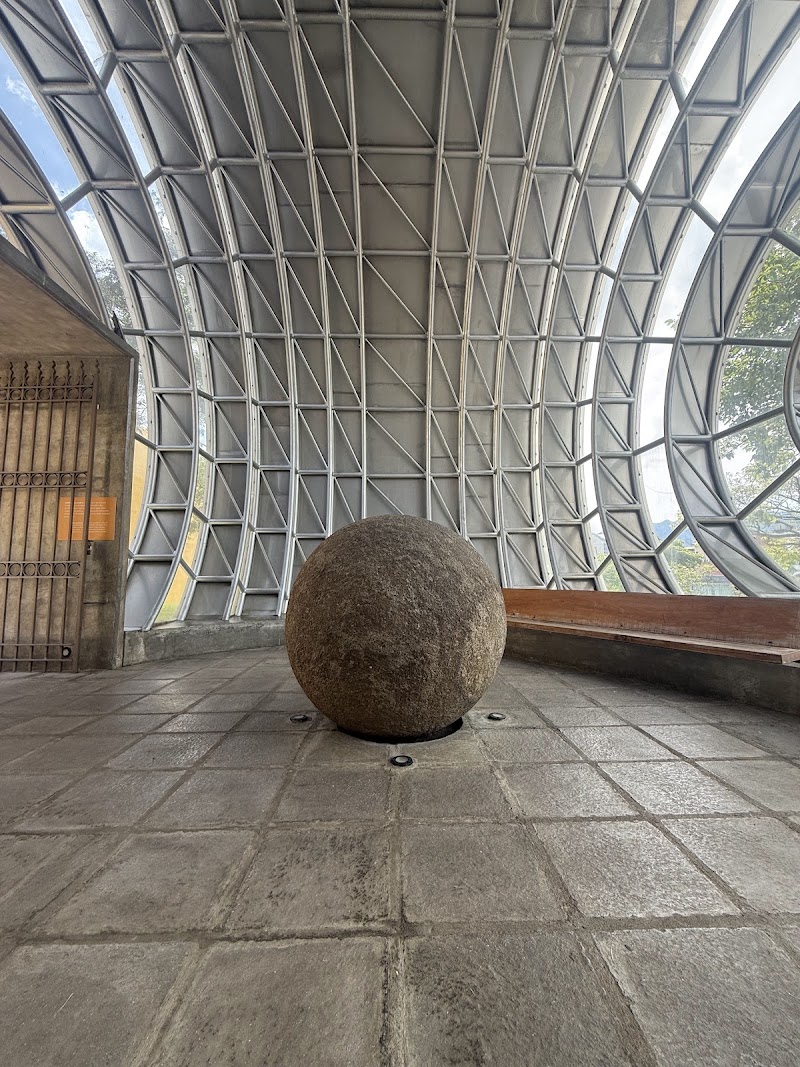
Inside, the collection moves through different periods of Costa Rican history. Public reviews particularly mention indigenous sculptures, tools and other objects, followed by displays explaining how the country developed into its modern form. Visitors interested in a broad historical overview tend to find the progression useful and easy to follow.
The museum’s strength appears to be range rather than great depth in any single area. It introduces archaeology, cultural history and national identity within a relatively small footprint. That makes it approachable for casual museum visitors as well as travellers seeking context before exploring more of the country.
A military building with a different purpose
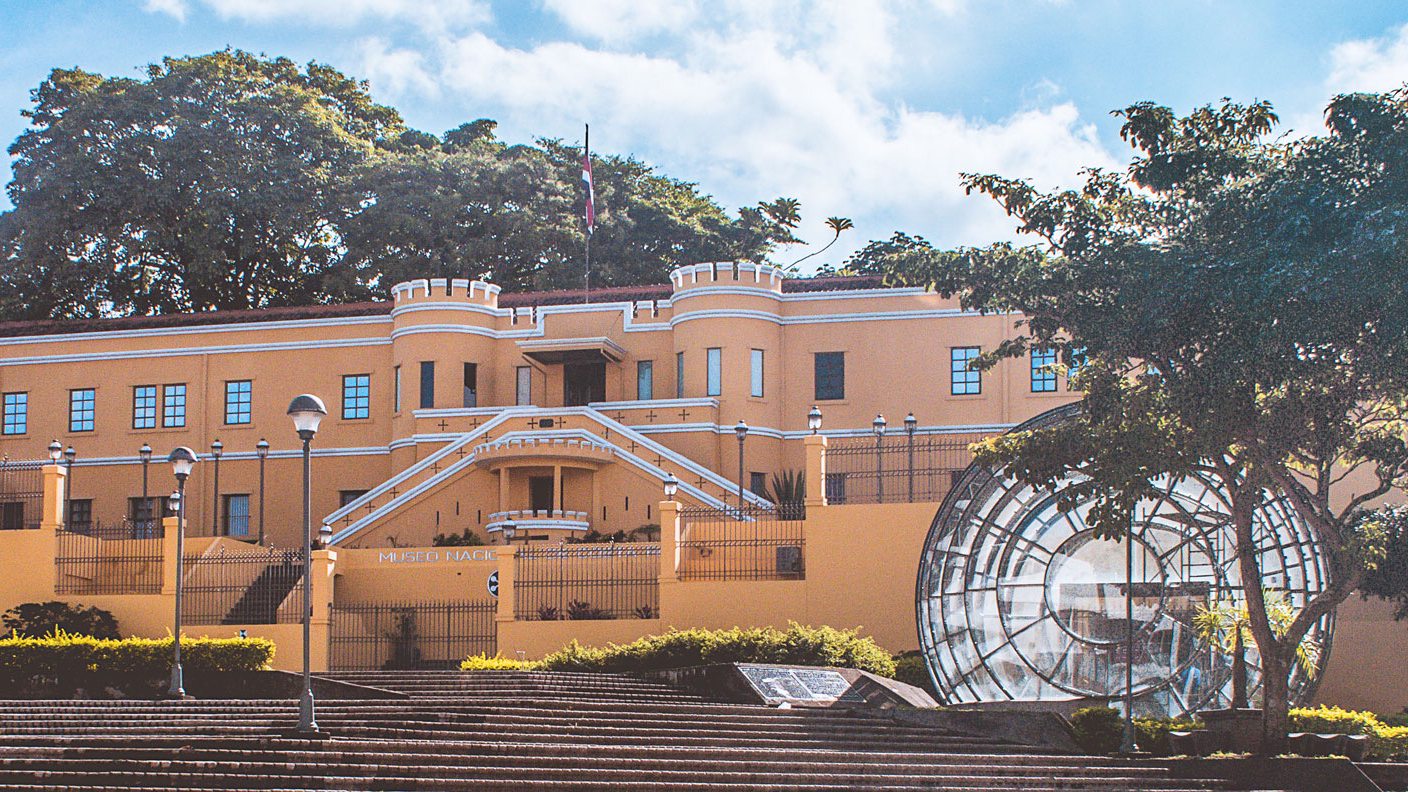
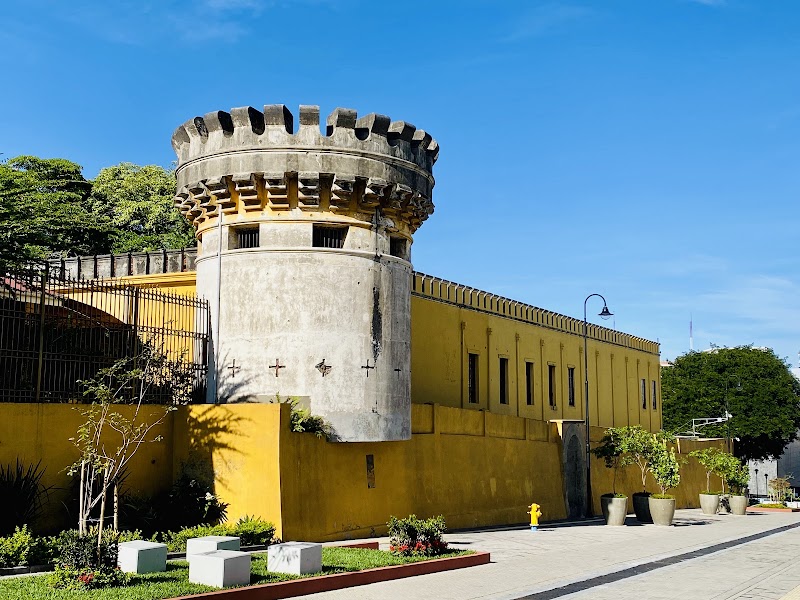
The setting is part of the story. The museum occupies a former army building, commonly described by reviewers as an old fort. Its conversion into a cultural institution gives particular resonance to the sections concerning Costa Rica’s decision to disband its army in 1948.
Reviews often single out this political history as one of the most memorable parts of the visit. The displays explain the shift away from a permanent military and connect that decision with the country’s later priorities. Even travellers already familiar with the basic story may appreciate seeing it presented within a building once associated with military power.
The architecture itself is regularly called impressive, though feedback focuses more on the contrast between the former fort and its current educational role than on detailed architectural features.
Planning the visit
Most visitors are unlikely to need more than half a day. One reviewer found the museum quite small and completed it quickly, while others spent longer with the butterfly area, gardens and historical interpretation. The pace will largely depend on how closely the written material is read.
English-language support may be uneven. One public review reported access to an English plan but found the accompanying information limited. Travellers who rely on English interpretation may therefore want to check current visitor resources before arriving.
A reviewer also reported that the admission fee was waived on the Sunday of that particular visit, but this should not be treated as a standing policy. Current opening hours, admission arrangements and any complimentary-entry periods are best confirmed directly with the museum.
Ask anything
Looking for somewhere else?
Keep exploring around San José
More from Costa Rica
Costa Rica · Buenos Aires
Sensoria: Guided rainforest walks and waterfall swims
Sensoria combines a mild tropical-forest hike, waterfall swimming and detailed nature interpretation in a peaceful guided outing.
Costa Rica · San Pedro
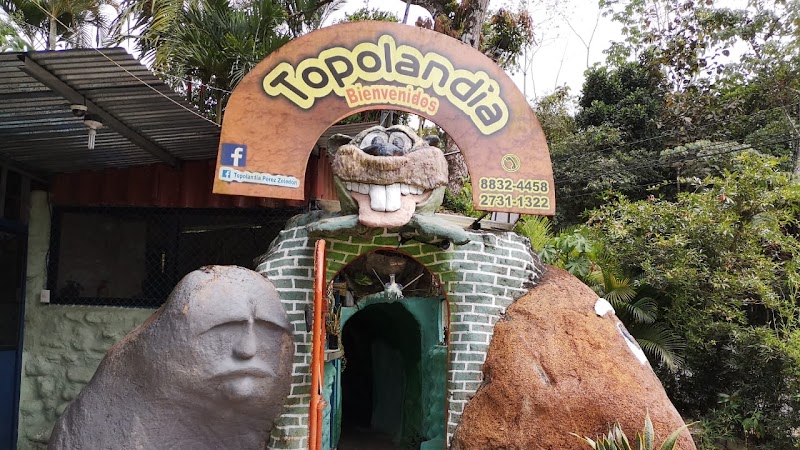
Topolandia: a hand-dug subterranean world in San Pedro
Hand-cut tunnels, underground rooms, carvings and colorful paintings make this family-run attraction one of San Pedro’s more unusual stops.
Costa Rica
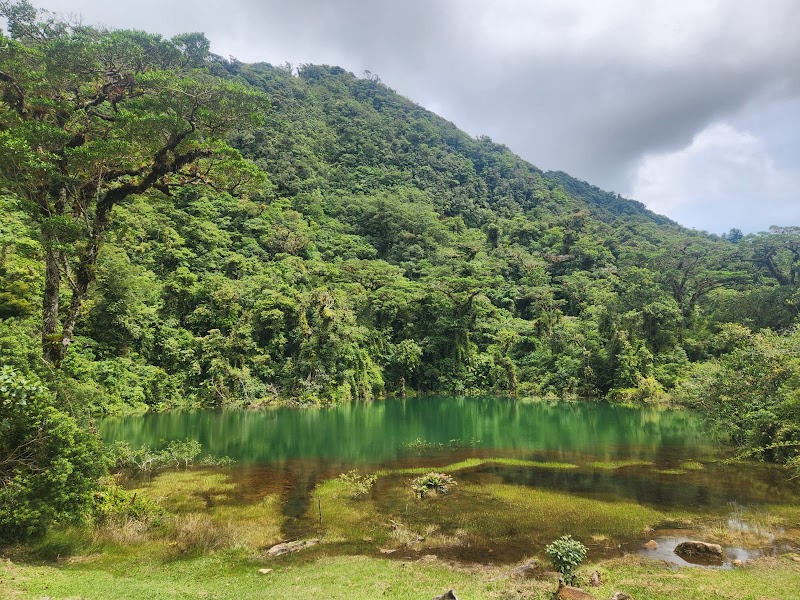
Juan Castro Blanco: Cloud Forest With Access Caveats
Strong reviews praise the scenery and quiet trails, but conflicting access reports make advance confirmation essential.
Costa Rica
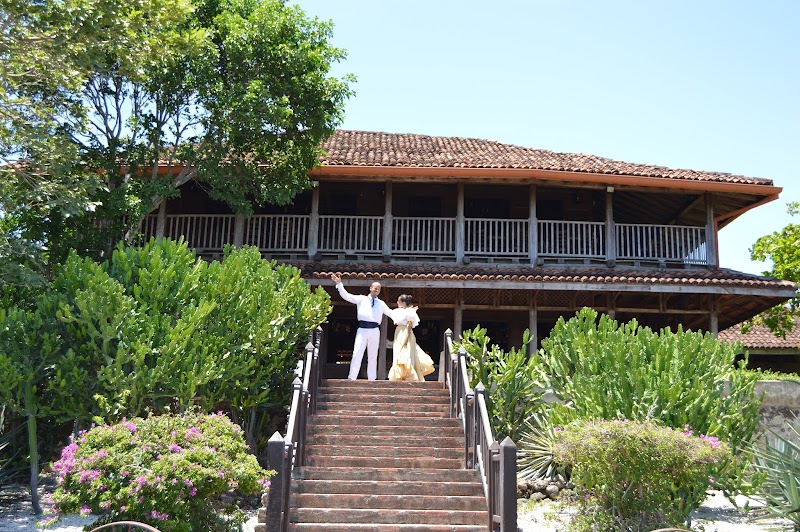
Hacienda El Viejo Wetlands: Wildlife, Rum and Culture
Boat trips through wildlife-rich wetlands pair with rum, sugar cane and tortilla experiences at this well-reviewed Costa Rican attraction.