National Museum of Archaeology: Malta’s past in focus
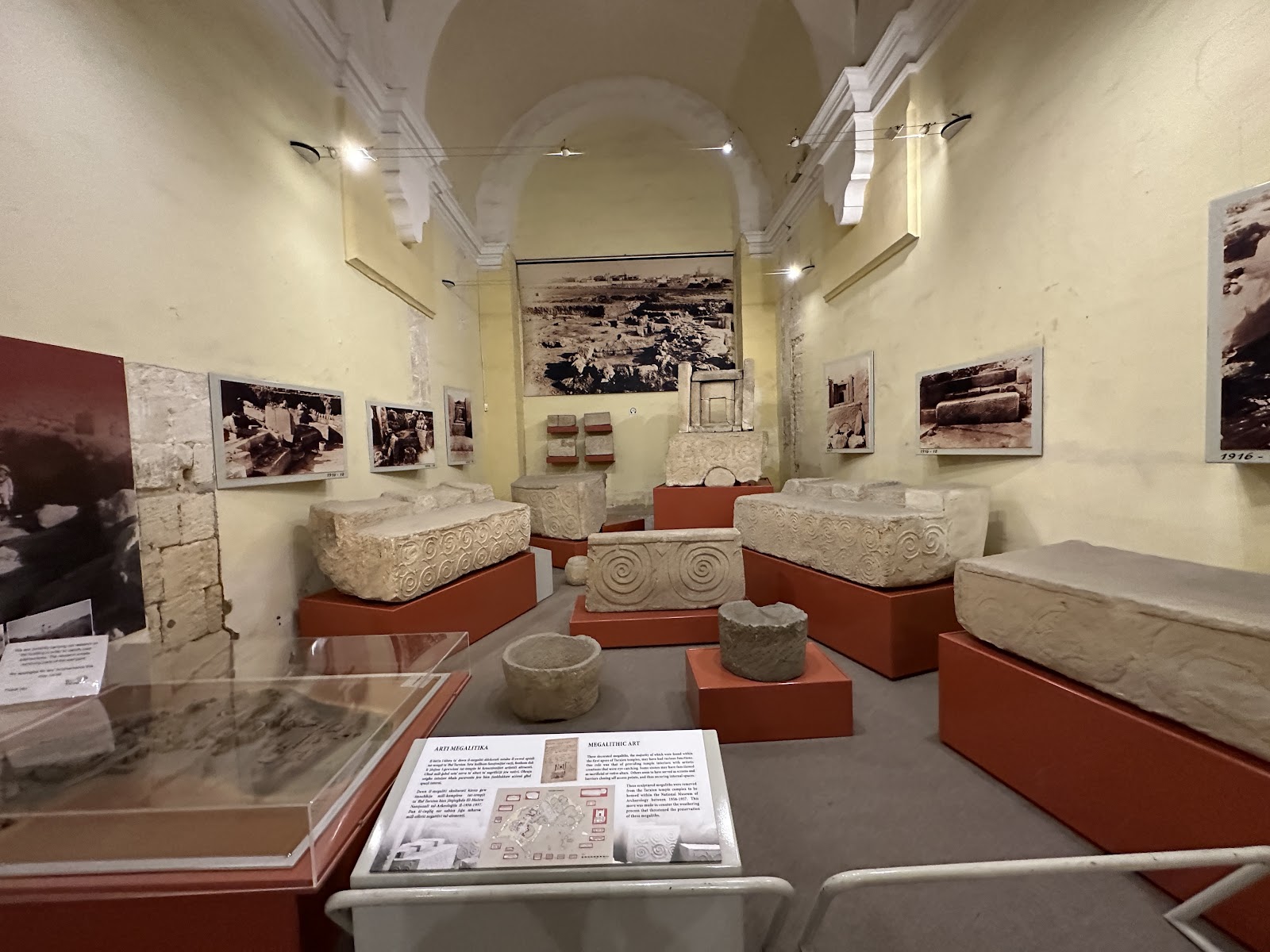
Valletta’s archaeology museum pairs prehistoric collections with a clear timeline of Malta’s earliest civilisations.
More photos
Photos published by travelers on Google, not AI generated.
What stands out
- Clear timeline of Maltese history
- Well-organised archaeological galleries
- Prehistoric temple context
- QR-code explanations
- Historic Valletta setting
Worth knowing
- Displays are relatively low tech
- Some interior areas may be under restoration
Don't miss
What comes up most in public reviews
- Prehistoric galleries and temple finds
- QR-code guide
- Undersea archaeology displays
- Coin collection
Worth the trip?
The overall verdict
Public ratings and reviews frame the National Museum of Archaeology as a compact, rewarding introduction to Malta’s past. Its Google rating of 4.4 from 4224 reviews points to steady enthusiasm for the collection, particularly its quality, variety and organisation. Several visitors note that the museum is not enormous. Few see that as a problem. Instead, reviews often call it focused, manageable and packed with significant material.
The galleries span different periods and archaeological styles, forming a useful timeline of early Maltese history. The clear layout and detailed interpretation receive frequent praise. Even travellers who do not normally enjoy archaeology museums say the displays hold their attention and are easy to follow. Reviews also suggest that the experience is budget friendly, though admission details should be checked directly before a visit.
Why the collection matters
For travellers interested in Malta’s prehistoric temple culture, the museum has particular value. According to reviews, its objects make more sense when connected with Ħaġar Qim, Mnajdra, Ħal Tarxien and the Ħal Saflieni Hypogeum. Some visitors see those sites first and find that the museum then puts the excavated material into context. Others start here, building a foundation in the galleries before heading out to the temples.
That flexibility is a real strength. The museum works as an introduction to Malta’s archaeology, but it can also serve as a considered follow-up to the island’s major prehistoric sites. Reviewers describe the displays as well curated, detailed and logically ordered. Visitors can set their own pace. There is little sense of being rushed.
Public comments also point to a substantial coin collection and information on undersea archaeological discoveries beyond the main chronological galleries. These additions widen the story beyond the best-known temple sites. Even so, prehistoric Malta remains the strongest reason to visit.
Interpretation and setting
Presentation is relatively low tech, based mainly around information boards and display cabinets. Visitors expecting immersive digital exhibits may find the approach traditional, although reviewers generally consider the written material informative. A QR-code download also earns praise for providing extra explanations and descriptions. It is worth looking for near the start of the visit.
The collection sits inside a 16th-century building in central Valletta, which brings architectural interest of its own. One public review reported that the grand salon was under restoration at the time of that visit, meaning access to particular interior spaces may vary. Current conditions are best confirmed directly with the museum.
Who should visit
The museum is an especially strong choice for archaeology enthusiasts, history-focused couples and travellers planning to visit Malta’s prehistoric monuments. Its moderate scale also works well for anyone wanting a substantial cultural stop without giving up most of a day.
One pattern comes through particularly clearly in reviews: sequence matters. After a visit to the archaeological sites, the museum feels more relevant. Seen first, it can make later temple trips easier to understand. Either order works. What stands out is how effectively the collection links individual objects to Malta’s wider historical timeline, all within a concise and approachable setting.
Plan the rest of the trip
Ask anything
Looking for somewhere else?
Keep exploring around Valletta
More from Malta
Malta · Valletta
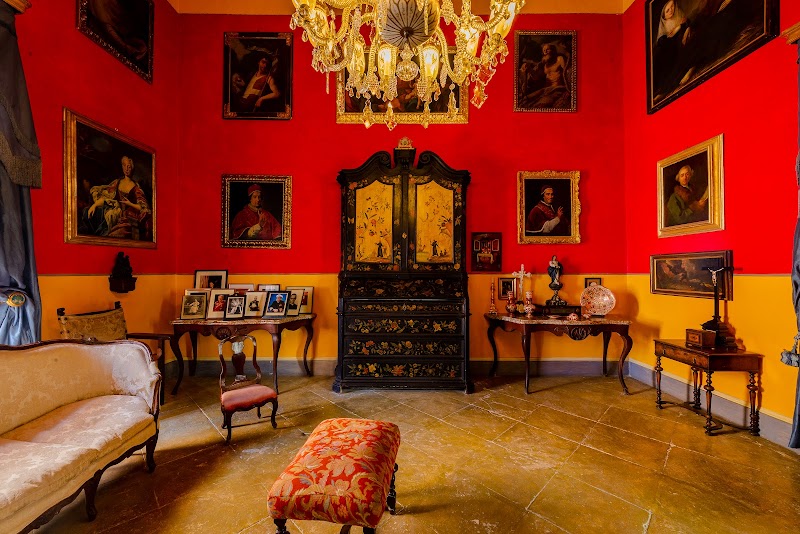
Casa Rocca Piccola: A Lived-In Window on Valletta’s Past
Public reviews highlight Casa Rocca Piccola’s intimate look at Maltese aristocratic life, historic interiors and wartime shelter.
Malta · Floriana
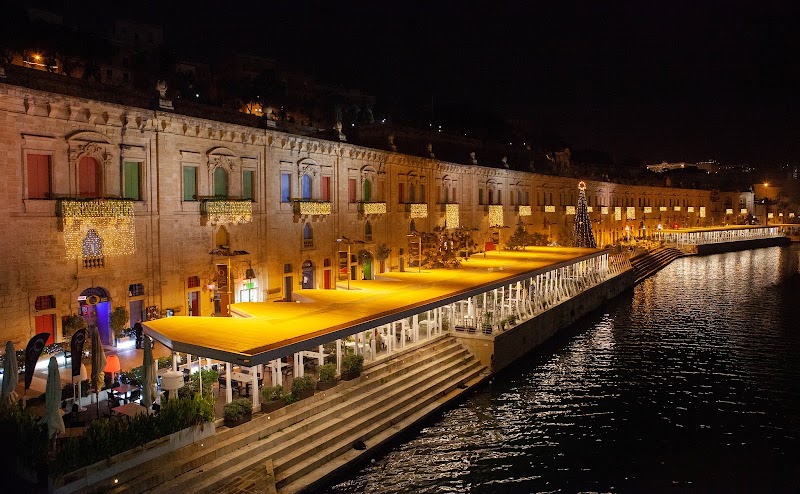
The Valletta Waterfront: A Calm Harbour Walk Near Valletta
The Valletta Waterfront pairs a peaceful harbour promenade with historic architecture, dining and easy access to Valletta’s sights.
Malta · Il-Mellieħa
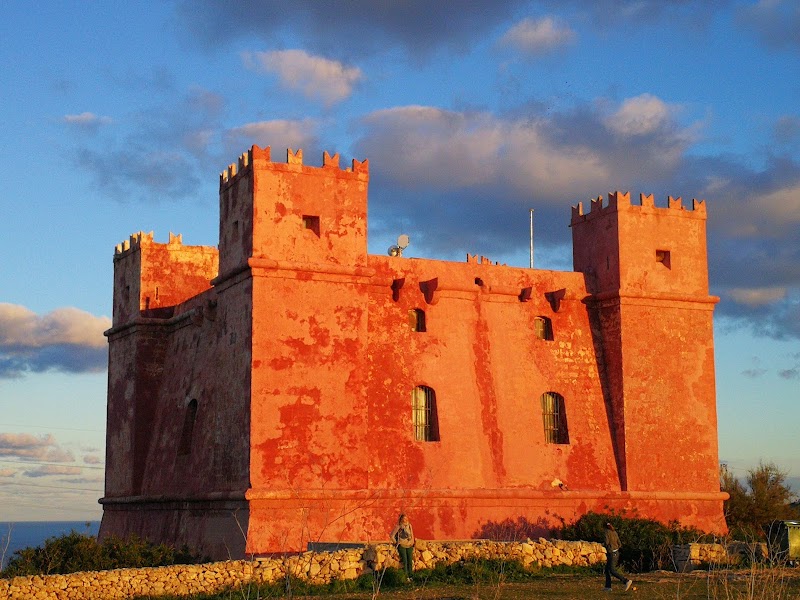
The Red Tower: Malta’s Landmark for Views and History
St. Agatha’s Tower draws visitors for its vivid red walls, restored character and broad views across northern Malta.

Malta · Mosta
Mosta Rotunda: Malta’s Dome and Wartime Story
Public reviews single out Mosta Rotunda for its immense dome, rooftop views, audio guide and extraordinary Second World War history.