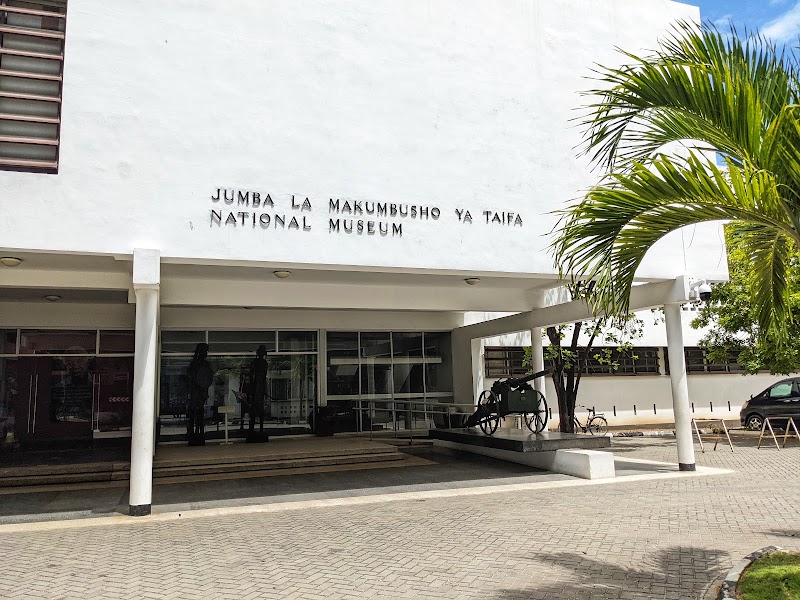
National Museum and House of Culture: History in Dar es Salaam
Fossils, political history, vintage cars and a peaceful garden make this museum a useful introduction to Tanzania’s national story.
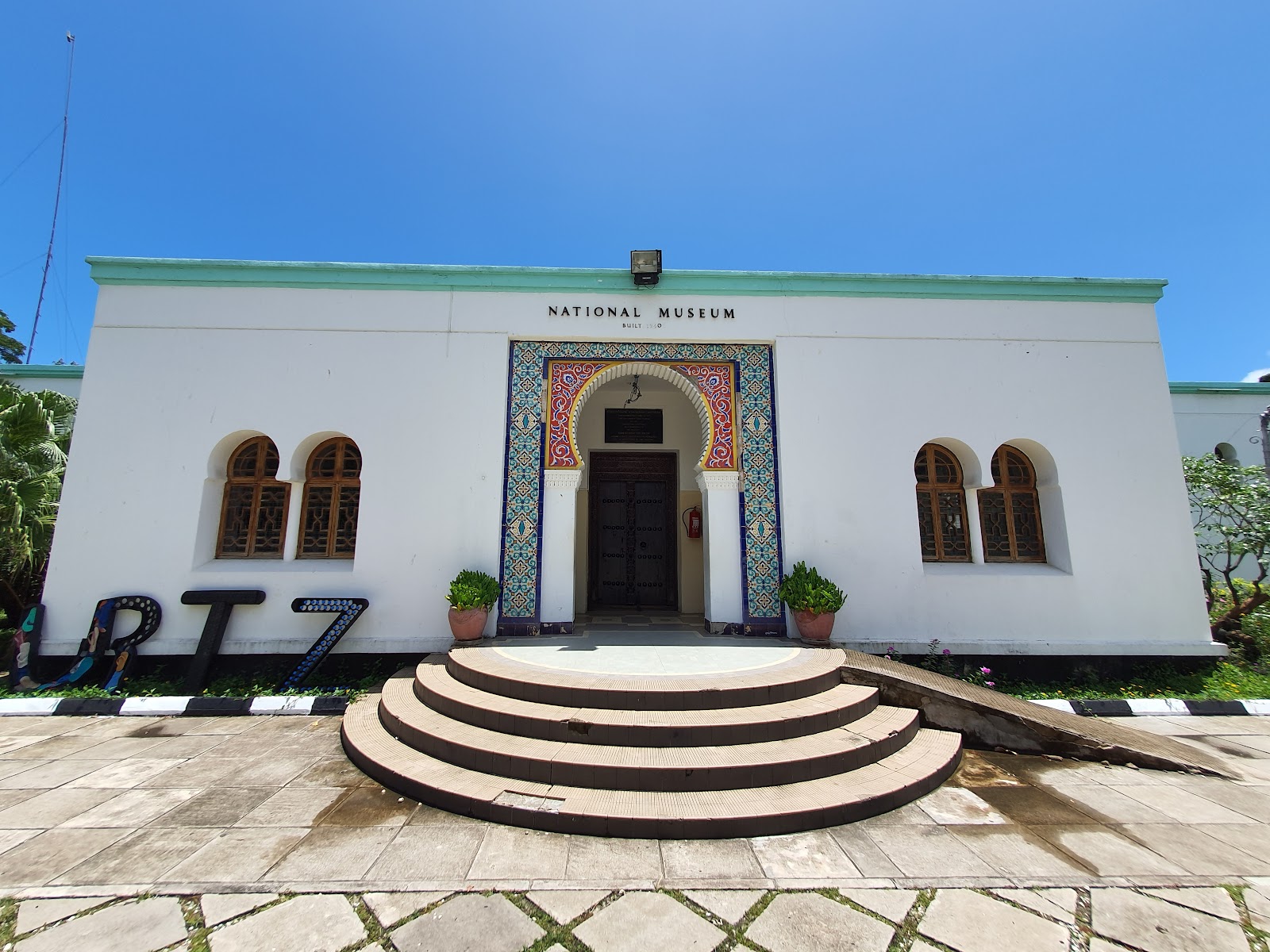
More photos
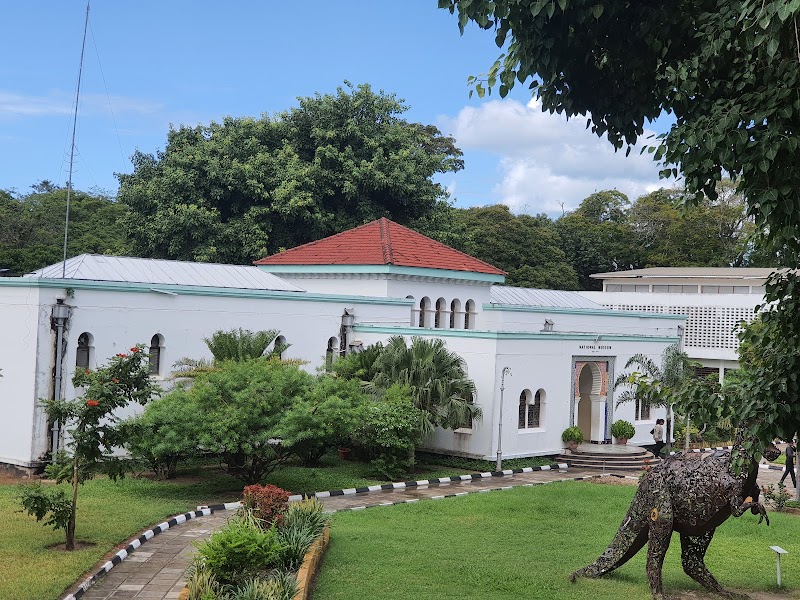
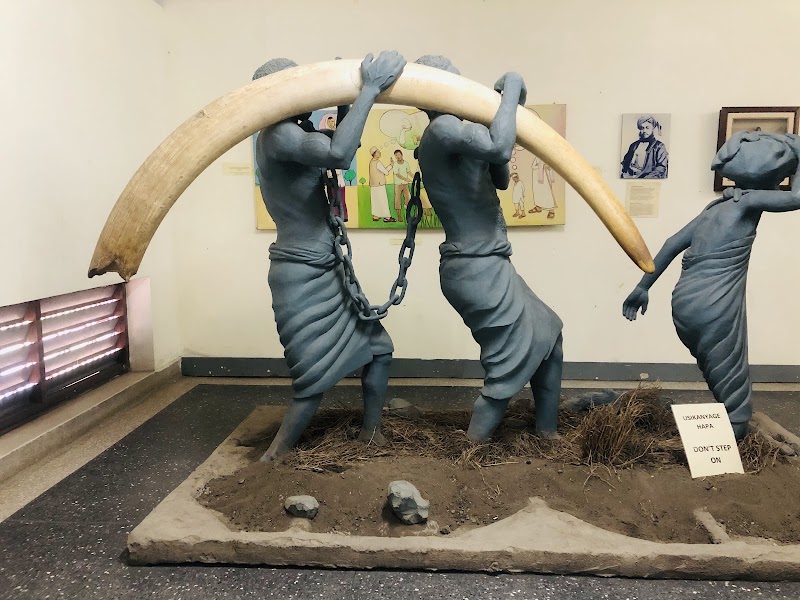
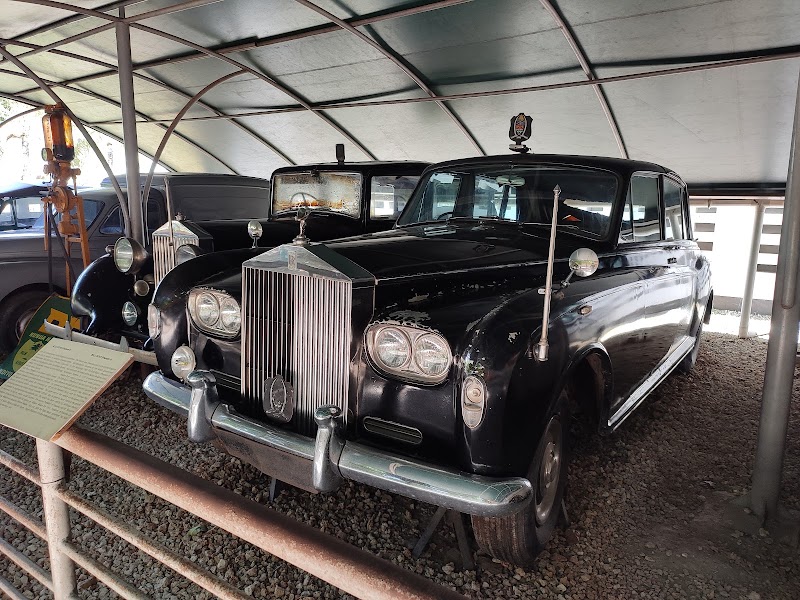
Photos published by travelers on Google, not AI generated.
What stands out
- Tanzanian history and heritage displays
- Exhibits on six presidents and Julius Nyerere
- Six cars from the 1950s to the 1970s
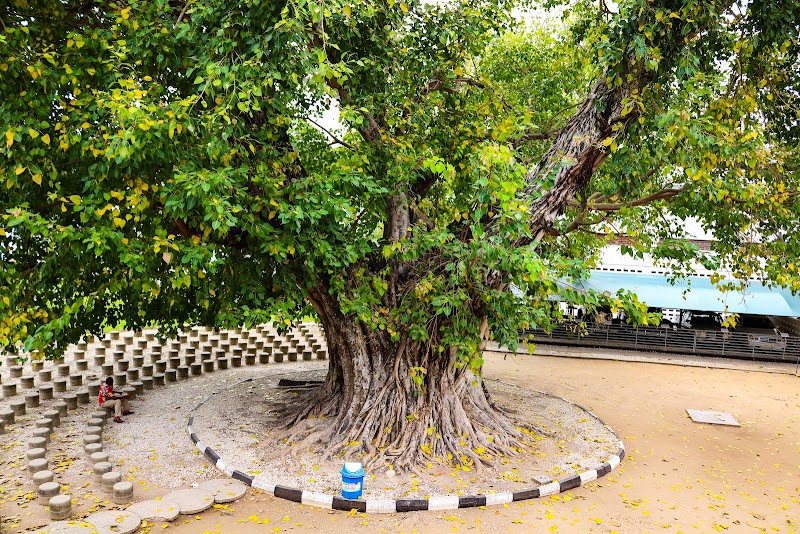
- Flower-filled garden and large old tree
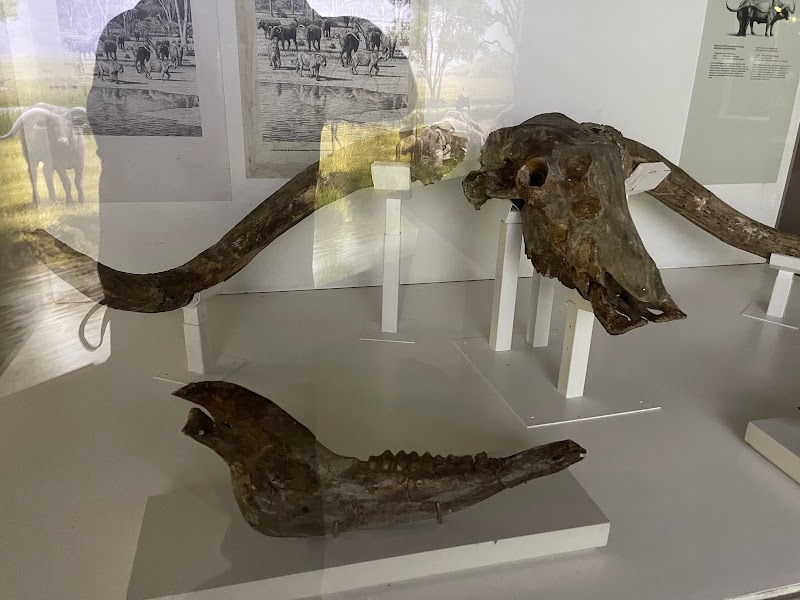
- Fossils, artifacts and historical photographs
Worth knowing
- Some fossil displays use replicas
- Collection may feel specialized to some visitors
Don't miss
What comes up most in public reviews
- See the Julius Nyerere history displays
- Explore the exhibits on Tanzania’s six presidents
- View the collection of six historic cars
- Walk through the blossoming garden
- Look for the large old tree
Worth the trip?
A broad introduction to Tanzania
Dar es Salaam’s National Museum and House of Culture earns a Google rating of 4.3 from 2049 reviews. Public feedback commonly presents it as a calm, well-managed place for visitors seeking a clearer understanding of Tanzania’s history, culture and heritage. Several reviewers praise the exhibits for being organized and informative, with artifacts and historical photographs helping to give the displays context.
The museum’s range is one of its main strengths. Rather than concentrating on a single period, it brings together ancient fossils, political history, calligraphy, handmade drawings and historic vehicles. That breadth makes it particularly relevant to first-time visitors who want an overview before exploring more of the country.
Fossils, presidents and historic cars
Fossils appear to form a substantial part of the collection, alongside artifacts and images connected with Tanzania’s past. Reviews also highlight displays about the country’s six presidents and the history of Mwalimu Julius Nyerere. These sections appear to be among the museum’s most useful features for travellers interested in the development of modern Tanzania and its national leadership.
Another recurring point of interest is a collection of six cars dating from the 1950s to the 1970s. These vehicles add variety to an experience otherwise weighted toward fossils, artworks and documentary material. A large old tree is also noted within the grounds, giving the outdoor area an additional focal point.
What visitors appreciate
The atmosphere receives consistent approval. Reviewers describe the museum as calm, enjoyable and well organized, qualities that suit visitors who prefer to examine exhibits without a hectic pace. The garden, with blossoming flowers noted in public feedback, provides a pleasant contrast to the indoor galleries and is worth including rather than treating as an afterthought.
The displays seem most rewarding for travellers already curious about archaeology, national history or political leadership. Photographs and artifacts are repeatedly cited as effective ways of presenting the story, while the manageable variety of subjects keeps the visit from feeling narrowly academic.
Where expectations may differ
Not every reviewer finds the collection equally compelling. One visitor felt that fossils, calligraphy and handmade drawings occupied much of the museum, leaving fewer exhibits aligned with their personal interests. Anyone expecting an extensive collection across many unrelated subjects may therefore find the scope more specialized than anticipated.
Replicas are the clearest criticism in the sampled feedback. One reviewer was disappointed that some fossil material was represented by replicas rather than original bones. Labelling and authenticity may matter particularly to archaeology enthusiasts, so expectations should be adjusted accordingly.
Overall, the National Museum and House of Culture works best as an accessible introduction to Tanzania’s past. Its strongest combination is the mix of fossils, presidential history, archival imagery, vintage cars and peaceful grounds.
Ask anything
Looking for somewhere else?
Keep exploring around Dar es Salaam
More from Tanzania
Tanzania · Iringa
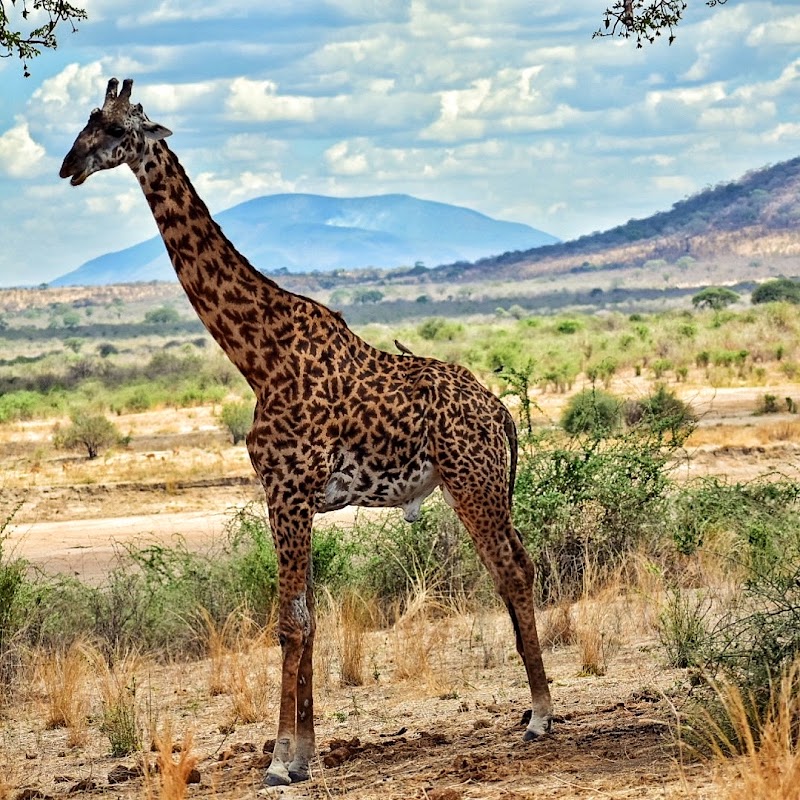
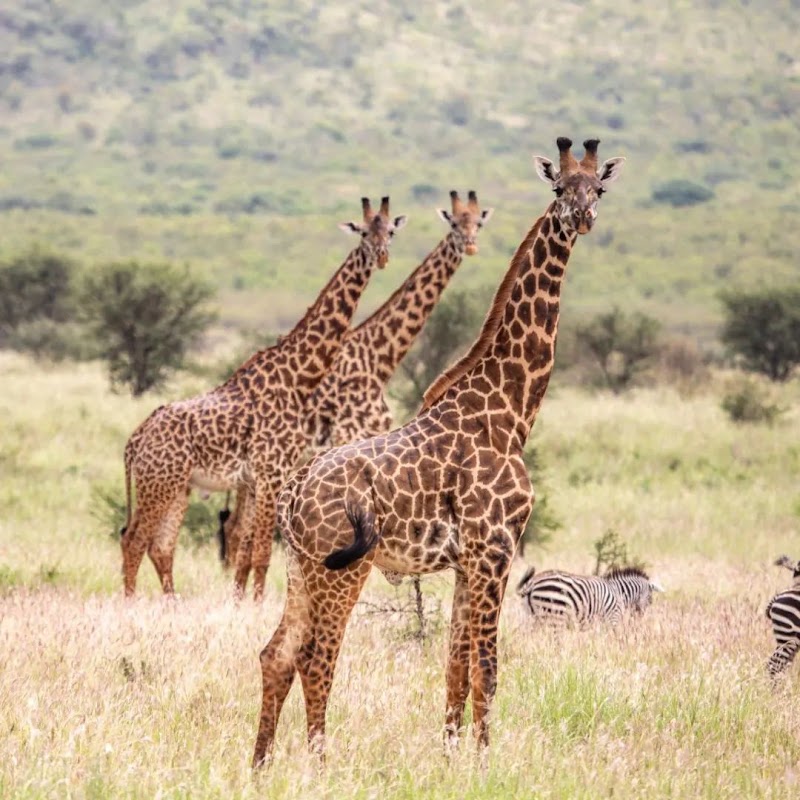
Ruaha National Park: Wild Safaris Without the Crowds
Reviews point to a vast, quiet safari destination known for predators, elephants, birdlife and memorable nights close to the wilderness.
Tanzania
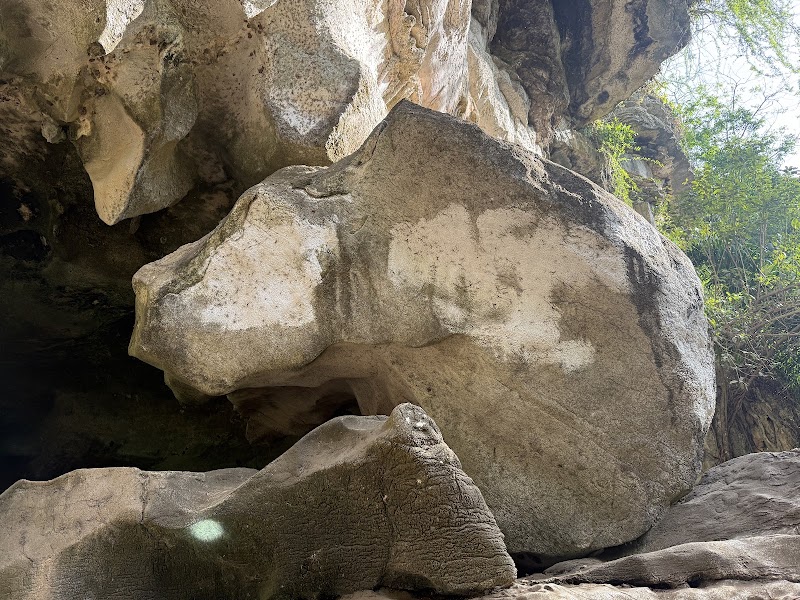
Selous Game Reserve: Big Landscapes, Varied Safaris
Boat trips, game drives and guided walks give this vast southern Tanzania wilderness broad appeal, with wildlife and scenery earning consistent praise.
Tanzania
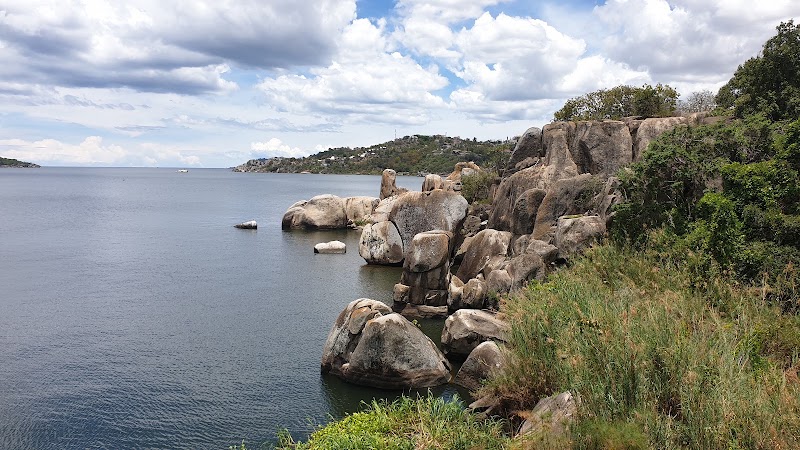
Amboni Caves: Limestone, bats and local history near Tanga
Amboni Caves combines dramatic limestone formations, wildlife and local history, though steep steps, heat and uncertain directions require preparation.
Tanzania · Mwanza
Saanane National Park: Lake Views Close to Mwanza
A compact island escape offering boat access, walking paths, birdlife and broad Lake Victoria views just outside central Mwanza.