Nanda Devi National Park: Himalayan wilderness on a grand scale
Glaciers, conifer forests and far-reaching mountain views make this protected Himalayan landscape a compelling choice for experienced walkers.
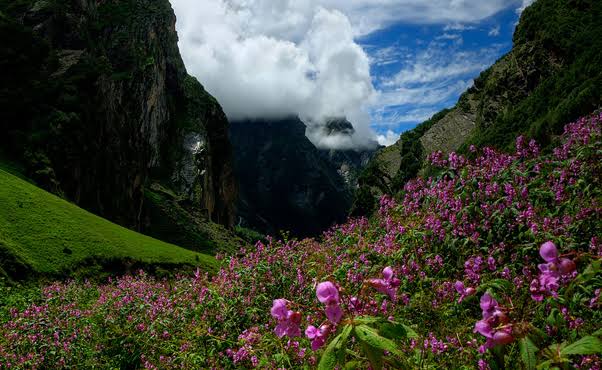
More photos
Photos published by travelers on Google, not AI generated.
What stands out
- Far-reaching Himalayan mountain views
- Glaciers and conifer forests
- Rivers, lakes and waterfalls
- Grasslands and green valleys
- Multiple trekking and hiking routes
Worth knowing
- Extreme cold from late October to February
- Sparse villages and demanding conditions
- Seasonal scenery may differ from expectations
Don't miss
What comes up most in public reviews
- Trekking through the Himalayan landscape
- Looking for Kagbhushandi lake
- Viewing the glaciers and conifer forests
- Exploring the rivers, waterfalls and grasslands
Worth the trip?
The overall verdict
Nanda Devi National Park holds a Google rating of 4.4 from 4100 reviews. Public feedback tends to dwell on the sheer size and drama of the Himalayan setting: long mountain ranges, glaciers, forests, rivers, lakes and grasslands. For many travellers, the landscape is the attraction. No single viewpoint dominates the comments.
Remoteness is a large part of the pull. Reviewers describe a vast, living environment, with individual peaks taking on distinct profiles and waterfalls appearing among the mountains. Several visitors speak of the trip as the fulfilment of a long-held ambition. This suggests the park deserves careful planning and works better as the main purpose of a journey than as an incidental stop.
Walking and landscapes
Trekking and hiking come up more than any other activities. Reviewers value the choice of routes and those uninterrupted Himalayan horizons, but the feedback gives no particular trail lengths or difficulty grades. That omission is worth noting. This is not described as a casual urban park where someone can turn up and wander around without preparation.
Public comments recommend travelling with a guide. Mentions of sparse villages and demanding living conditions also give a fair warning about the practical challenges of the region.
Season changes the scenery. One visitor in June found the valley intensely green, though it was not what they had expected, which shows how much timing can alter the character of a trip. Late October through February, meanwhile, is described as extremely cold. June may appeal to travellers looking for green valleys. Anyone with a particular landscape or trekking objective in mind should check local seasonal conditions before settling on a route.
What reviewers notice
The range of natural features draws enthusiastic feedback. Vast Himalayan glaciers feature often, as do conifer forests, grasslands, rivers and lakes. Waterfalls stand out too. Kagbhushandi is the only specific lake named in the supplied comments.
Reviews also discuss the wider protected landscape alongside the Valley of Flowers. Travellers should still confirm which park, route and access point an itinerary actually covers, rather than assume that every mentioned feature lies along one continuous trail.
Photography and quiet appreciation sit naturally beside hiking, even if reviewers do not list them as formal activities. The lasting impression is one of depth and scale: mountain forms reaching towards the horizon, vegetation changing across the terrain, with water features scattered through a rugged environment.
Planning responsibly
Public reviews are clear about low-impact travel. Visitors are asked not to pollute or leave waste, a particularly important concern in a sensitive mountain environment where settlements and services can be limited. Travelling with a guide may also help with route choice and changing local conditions.
Nanda Devi National Park is best suited to nature-focused travellers prepared to accept that weather, access and physical effort are part of the experience. Convenience is not its strongest quality, nor is there a checklist of built attractions. The draw lies in expansive scenery, varied ecosystems and serious trekking potential. Proper preparation can make the difference between an inspiring Himalayan journey and an unnecessarily difficult one.
Plan the rest of the trip
Ask anything
Looking for somewhere else?
Keep exploring around Garpak
More from India
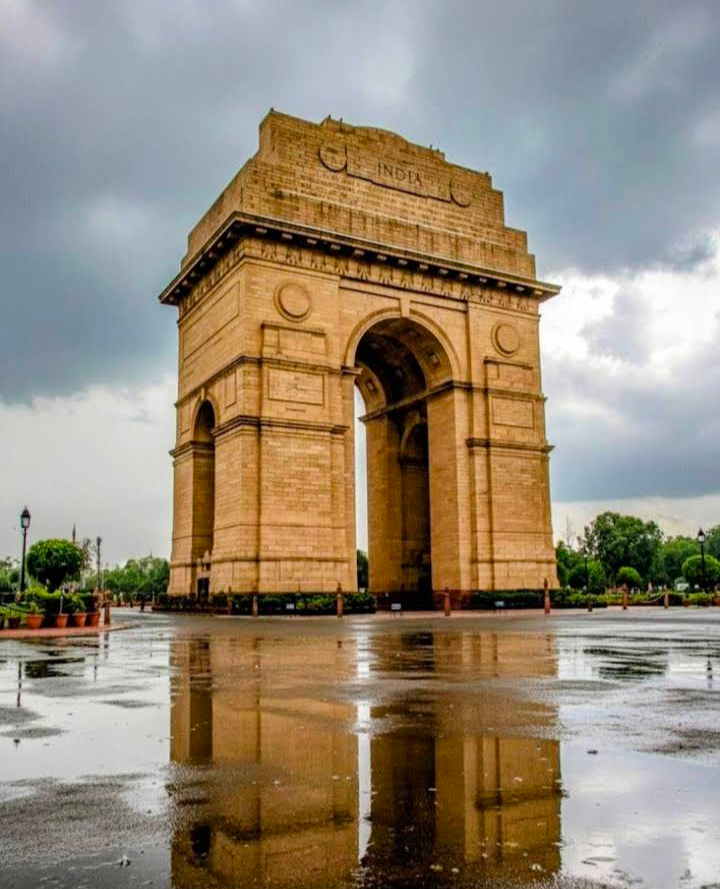
India · New Delhi
India Gate, New Delhi’s Evening Landmark
Public reviews describe India Gate as a moving war memorial with illuminated evenings, broad lawns and an easygoing setting for walks and visits.

India · Mysuru
Mysuru Palace: Royal Grandeur in the Heart of Mysuru
Mysuru Palace earns strong public praise for its architecture, paintings and royal interiors, though queues can affect the visit.
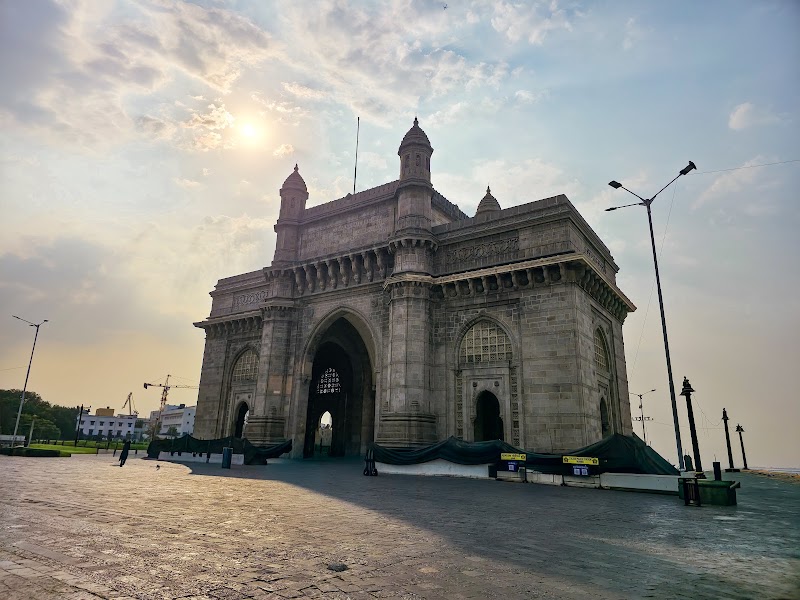
India · Mumbai
Gateway of India: Mumbai’s Landmark by the Arabian Sea
A historic waterfront monument with striking architecture, lively surroundings and strong sunset appeal, though crowds can shape the experience.
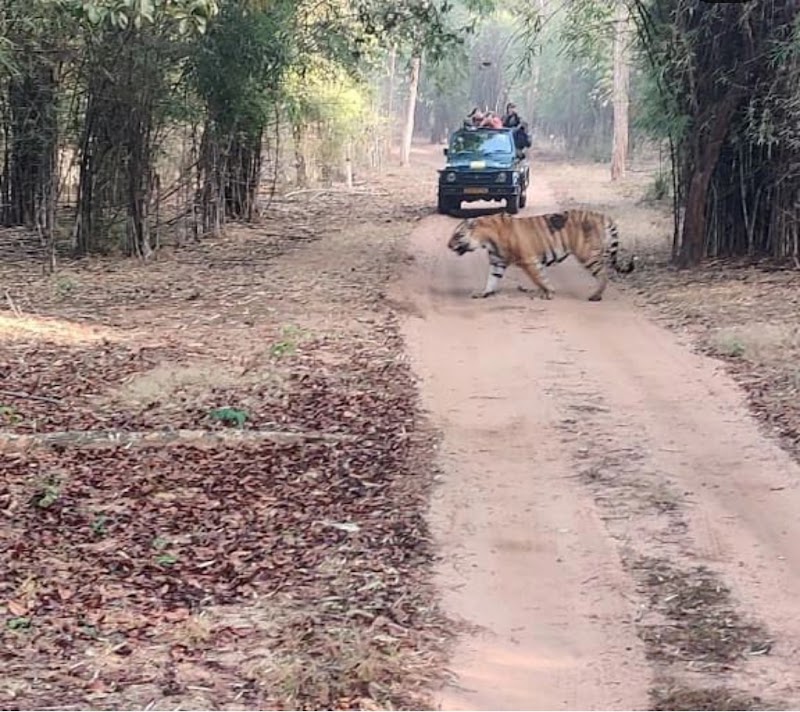
India · Garhpuri
Bandhavgarh National Park: Tigers, Forest and Patient Safaris
Public reviews describe Bandhavgarh National Park as a rewarding wildlife destination, with tiger sightings, forest scenery and the chance to see Shesh Shaiya.